Digital Editions
Newsletters
Subscribe
Digital Editions
Newsletters
Art market
Museums & heritage
Exhibitions
Books
Podcasts
Columns
Art of Luxury
Adventures with Van Gogh
Venice Biennale
Art market
Museums & heritage
Exhibitions
Books
Podcasts
Columns
Art of Luxury
Adventures with Van Gogh
Venice Biennale
News

Have Venice authorities shut down Christoph Büchel’s mosque?

Ostensibly an art project that is Iceland’s official contribution to the biennale, it also served as an authentic house of worship visited by more than 100 Muslims a day

Cristina Ruiz
21 May 2015
Share

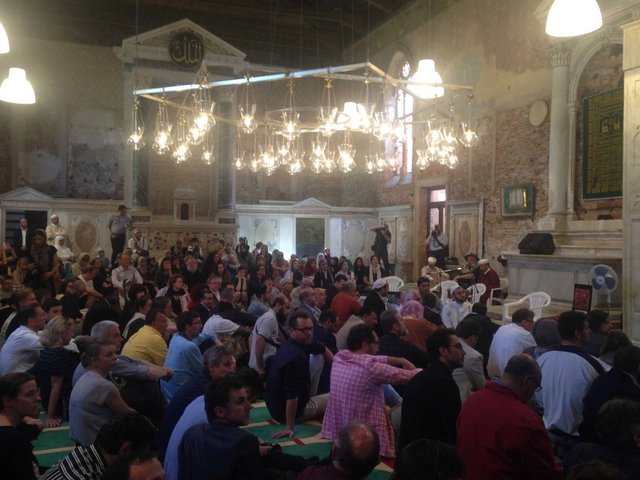
A mosque set up by the Swiss artist Christoph Büchel in a disused church in Venice is to be shut down by city authorities. According to Italian press reports, officials notified the project’s organisers today, 21 May, of their intention to close the mosque and have given them 60 days to lodge an appeal with the supervisory court for the Veneto region. However, a spokeswoman for the Icelandic pavilion said the project’s organisers had not received any notification from the council and that they expected the mosque to open again tomorrow.

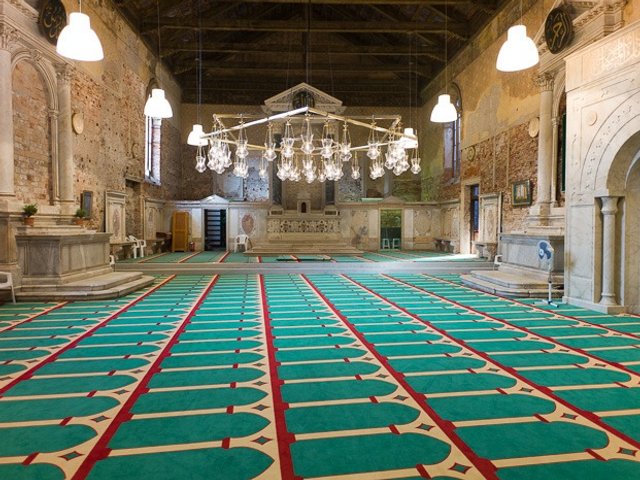
The temporary mosque, Iceland’s official contribution to the Venice Biennale, was ostensibly an art project which was intended to remain open inside the deconsecrated church of Santa Maria della Misercordia for the entire seven-month run of the exhibition.

But the building contained all the elements required for an authentic house of worship and Muslims have regularly congregated there to pray in the two weeks since it opened. City officials say they did not grant permission for a working mosque in the building, instead they issued permits only for the installation of an art exhibition.

They also cite safety concerns arising from the high number of visitors. On Fridays, the Muslim day of prayer, more than 100 people have visited the building at the same time, exceeding the legal lim it of 90.

Last month police also raised separate safety concerns about the project. They said it would be difficult to provide adequate surveillance provisons for the mosque which they believed were necessary because of the “current international situation and the possible risks of attack by some religious extremist”.

The decision to close the mosque has been taken following an evaluation by a committee tasked with maintaining order and public safety.
Subscribe to our daily newsletter

NewsVenice BiennaleReligion
Share
Subscribe to The Art Newspaper’s digital newsletter for your daily digest of essential news, views and analysis from the international art world delivered directly to your inbox.
Newsletter subscribe
Information
About
Contact
Cookie policy
Data protection
Privacy policy
Frequently Asked Questions
Subscription T&Cs
Terms and conditions
Advertise
Sister Papers
Sponsorship policy
Follow us
Instagram
Bluesky
LinkedIn
Facebook
TikTok
YouTube
© The Art Newspaper

Related content

Artistsnews
22 May 2015

It’s official: Christoph Büchel’s Venice Biennale mosque is closed to the public

Icelandic commissioner responds with statement saying biennale is no longer the place for free expression

Cristina Ruiz and Lidia Panzeri
Indianews
19 January 2024

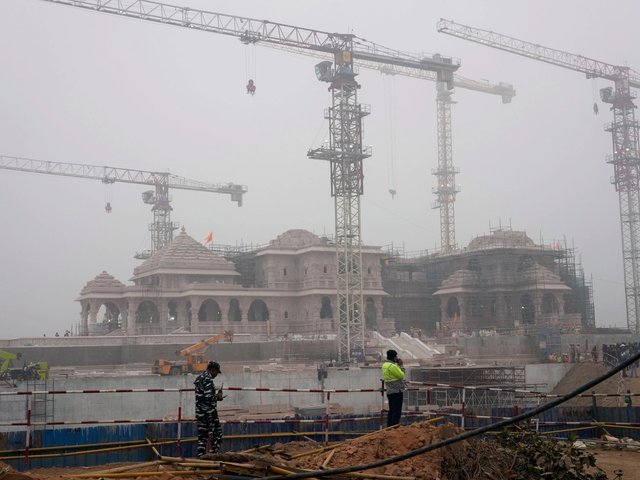
As India erects a grand Hindu temple on site of razed mosque, more Islamic heritage faces prospect of destruction

The Ram temple in Ayodhya, consecrated next week, has been the subject of a long and deadly campaign by Hindu nationalist groups

Amrita Singh
Venice Biennalenews
7 May 2015

Icelandic pavilion: Venice gets its first (temporary) mosque

Christoph Büchel addresses the lack of a mosque in the Italian city

Anna Somers Cocks and Cristina Ruiz
Turkeynews
3 December 2019

Court ruling converting Turkish museum to mosque could set precedent for Hagia Sophia

Decision that Kariye Museum must become a Muslim house of worship again could imperil its Byzantine art and have repercussions for other early Christian monuments

Ayla Jean Yackley
Artistsnews
21 May 2015

It’s official: Christoph Büchel’s Venice Biennale mosque is closed to the public

Venetian authorities say the number of visitors is a safety risk

Cristina Ruiz and Lidia Panzeri