The British Museum is to set up a training scheme for Iraqi archaeologists to tackle the aftermath of Isil destruction. A museum spokeswoman said the programme, which has been awarded a £3m grant from the UK government, would help Iraq to document the damage and start the process of reconstruction and preservation.
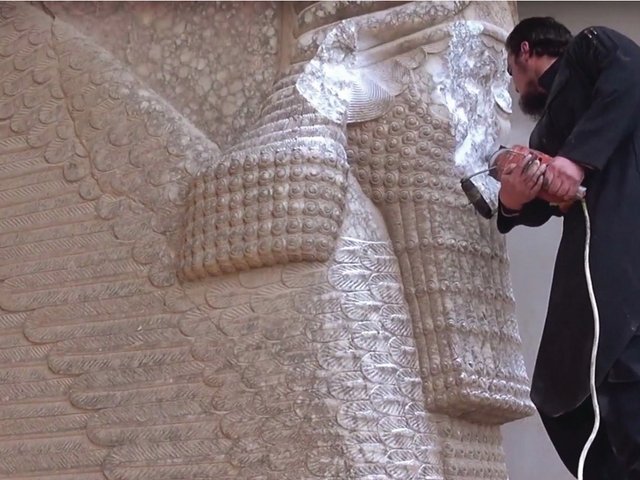
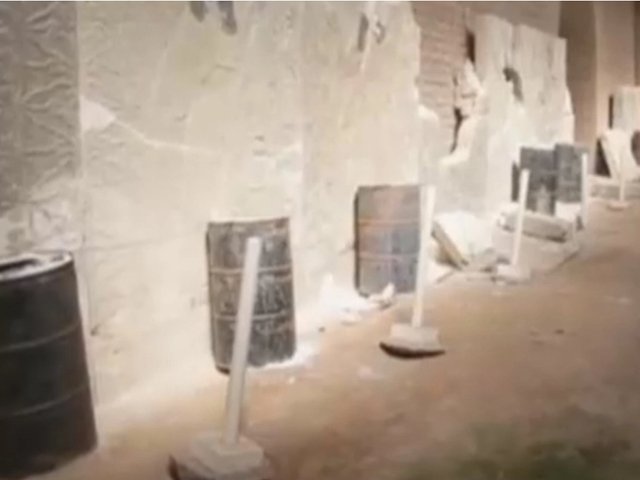
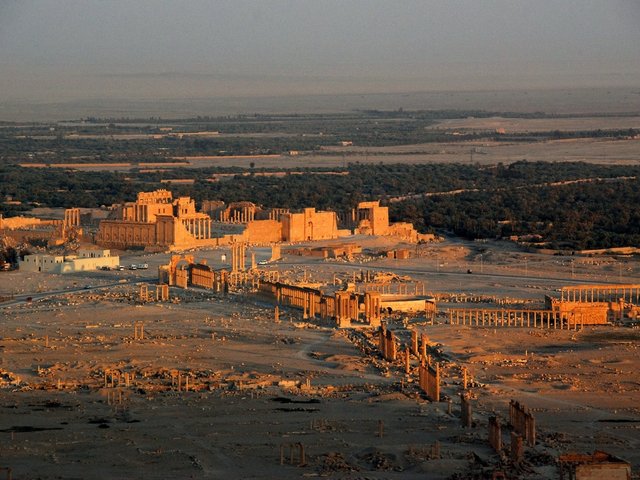
Isil extremists caused extensive damage in Iraq this year at Nineveh, Nimrud and Hatra—and are now continuing to destroy heritage sites in Syria, particularly at Palmyra.
Jonathan Tubb, the keeper of the department of the Middle East at the British Museum, says there has been a feeling of impotence in the face of Isil atrocities at archaeological sites. “We can’t do anything on the ground, so this seems a very positive contribution to prepare for the aftermath,” he says.
The museum’s plan is to recruit two international archaeologists to head a training project. Small groups of Iraqi archaeologists will come to London for a three-month course and then return to their home country, where they will receive three further months of training from the two international specialists. The courses in Iraq will take place in the more secure regions of Kurdistan, in the north, and Basra, in the south. Altogether 50 Iraqis will be trained to work on damaged sites over the five-year period.
Tubb hopes that the project may ultimately be expanded to include Syria and Yemen, although security conditions there make this impossible at present.
The museum’s announcement comes just before the 28 October cultural summit on the Middle East at Lancaster House, organised jointly by the Department for Culture, Media and Sport, and the Foreign Office. John Whittingdale, the culture secretary, is due to announce details of the British Museum training scheme, known as the Iraqi emergency heritage management project, which will be funded by his department.
Whittingdale is also expected to reaffirm the UK government’s commitment to ratifying the 1954 Hague Convention for the Protection of Cultural Property in the Event of Armed Conflict.