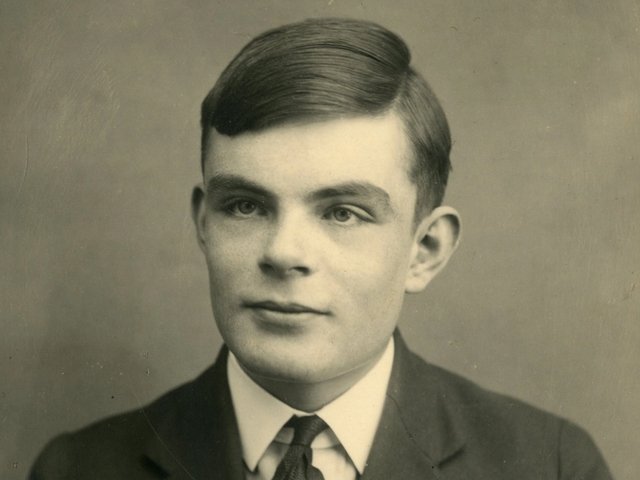
Can machines imitate human life? This question, which underpins our ever-escalating engagement with Artificial Intelligence, was posed by the pioneering computer scientist Alan Turing while he was working at the University of Manchester in 1950.
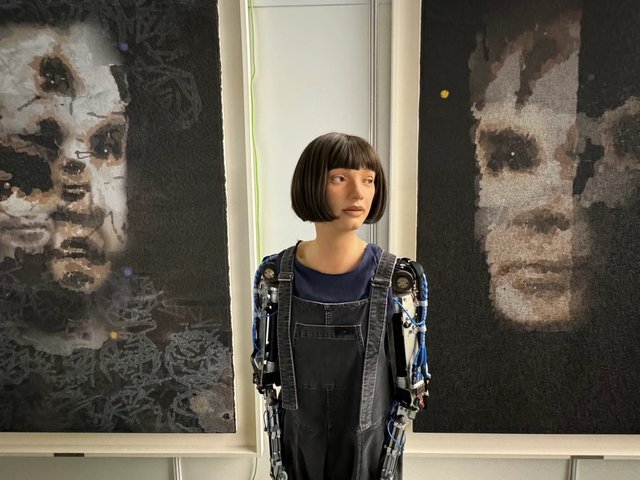
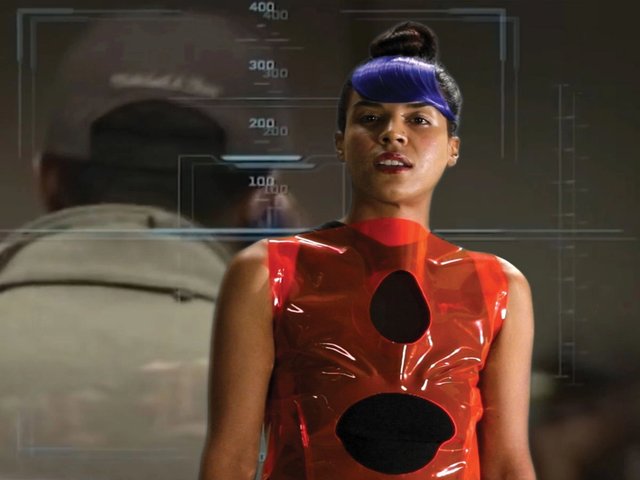
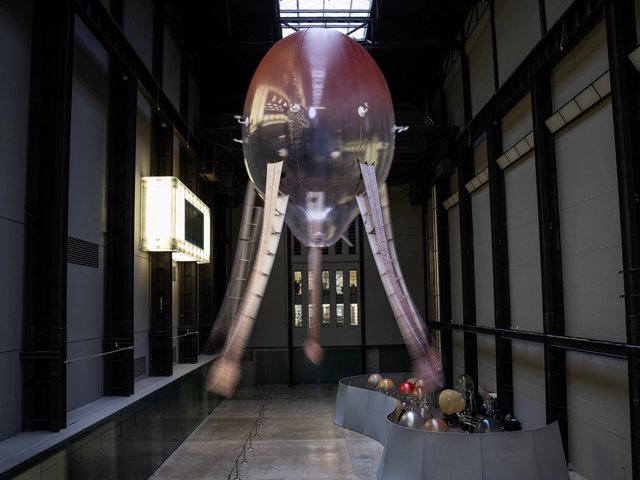
Now, eight artists explore the legacy of Turing’s ideas through a series of robots, machines, video installations and performances in an exhibifration at Manchester Art Gallery, which opened over the weekend.
Manchester is part of computing history; it is where Baby the world’s first stored-program computer was developed. This heritage is directly evoked in David Link’s remarkable reconstruction of another early Manchester University computer, programed to produce randomly-generated, typed love letters. A reminder that even from the beginning, computer programmers were fascinated with exploring whether machines could express feelings in the way that we do.
Another innovation developed in Manchester, the cutting-edge brain simulation technology, SpiNNaker, is at the heart of Tove Kjellmark’s installation. The Swedish artist uses the programme to determine the behaviour of two robots having a full-blown discussion about the nature of human consciousness. We can listen in awe from a safe distance, or interject—though the robots do not always reply politely.
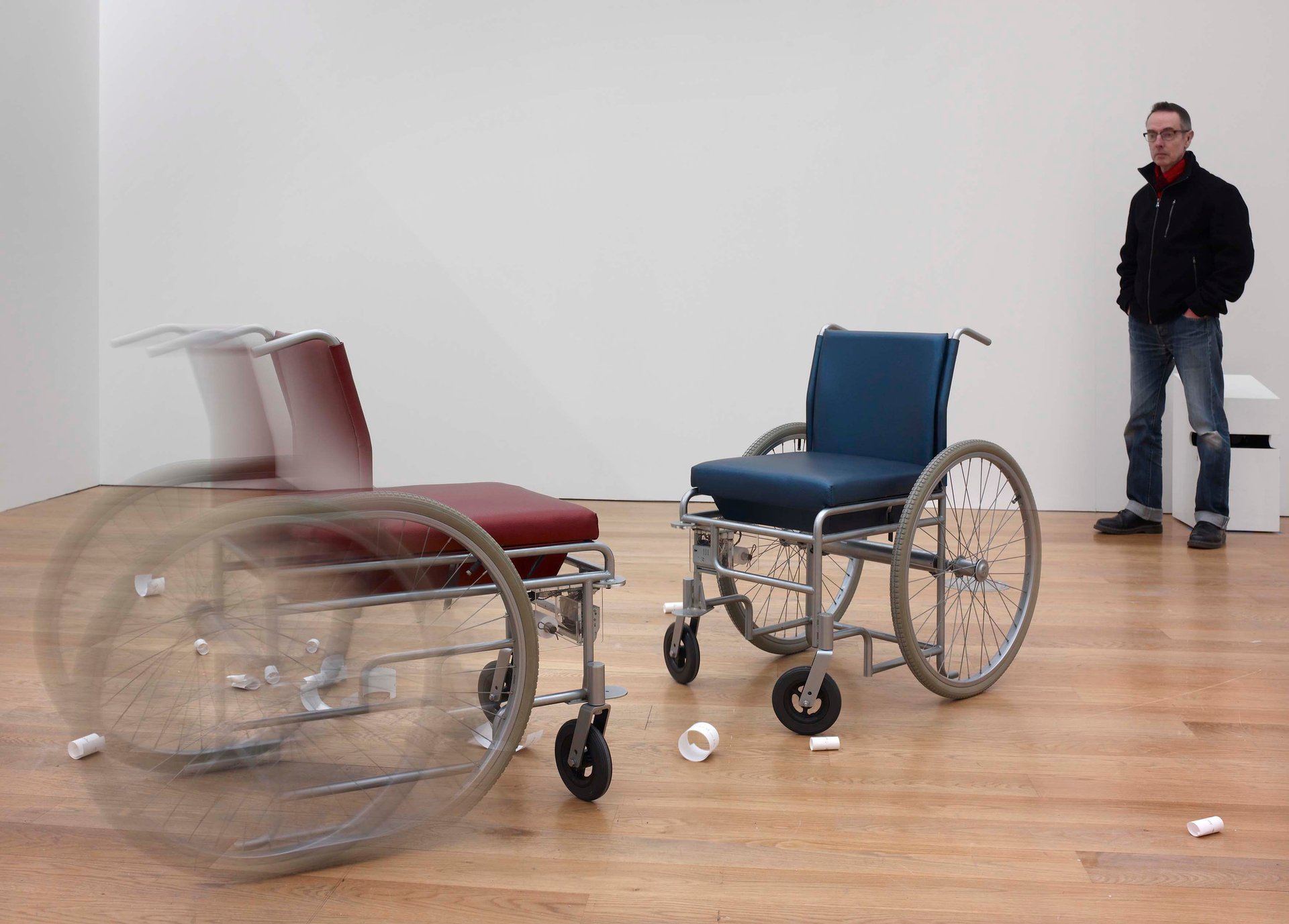
Elsewh ere in the show, works resemble lab experiments that we are invited to both observe and interact with. Paul Granjon has constructed a plucky little robot that can both roam a whole gallery by itself and respond to direction from visitors in a control room. Mari Velonaki’s Fish-Bird features two robotic wheel chairs that represent star-crossed lovers. A complex network of sensors ensures that they move in response to each other and any intrusion from visitors—apparently detecting human body language or mood.
As in most inventive laboratories, the creations here feel like they are works-in-progress, raising questions rather than providing answers. And each is given plenty of space for both us and them to ponder.
The Imitation Game also features work by Yu-Chen Wang, James Capper, Lynn Hershman Leeson and Ed Atkins. It is supported by St Johns Buildings Barristers Chambers, Manchester City Council, the Taiwan Ministry of Culture and the European City of Science 2016.
• The Imitation Game, Manchester Art Gallery, Manchester, until 5 June