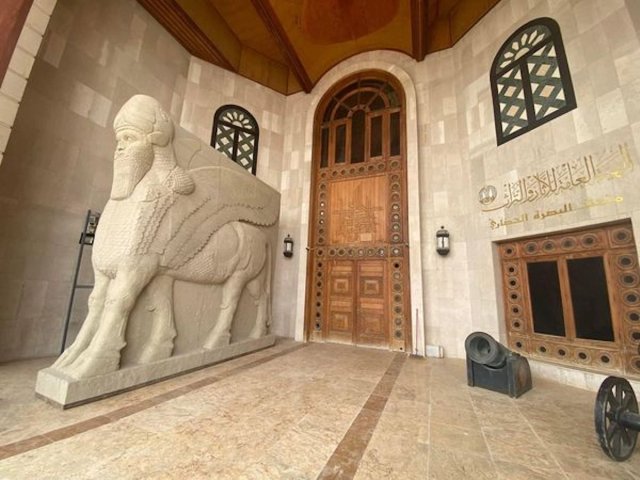
Forty ancient objects drawn from the collection of the National Museum of Iraq in Baghdad, including items looted from the institution after the US-led invasion in 2003, will go on show in the Iraq pavilion this summer at the Venice Biennale (Palazzo Cavalli-Franchetti; 13 May-26 November).
The exhibition, titled Archaic, will also include works by six contemporary artists and two late Modern masters, and has been organised by the Ruya Foundation, a Baghdad-based non-governmental body that also oversaw the Iraqi pavilion in 2013 and 2015.
The pavilion curators are Tamara Chalabi, the co-founder of Ruya, and Paolo Colombo, who organised the Istanbul Biennial in 1999. Chalabi selected the artefacts—including a cylinder seal from the Akkadian period (around 2350-2150 BC) and a Babylonian clay school text—in collaboration with Qais Hussein Rashid, the director of the department of antiquities at the National Museum of Iraq.
Chalabi says the team had to go through several rounds of object selection and that there were also “basic restrictions, such as prohibition of ivory or other materials”. “It's been a multi-layered juggling act,” she adds.
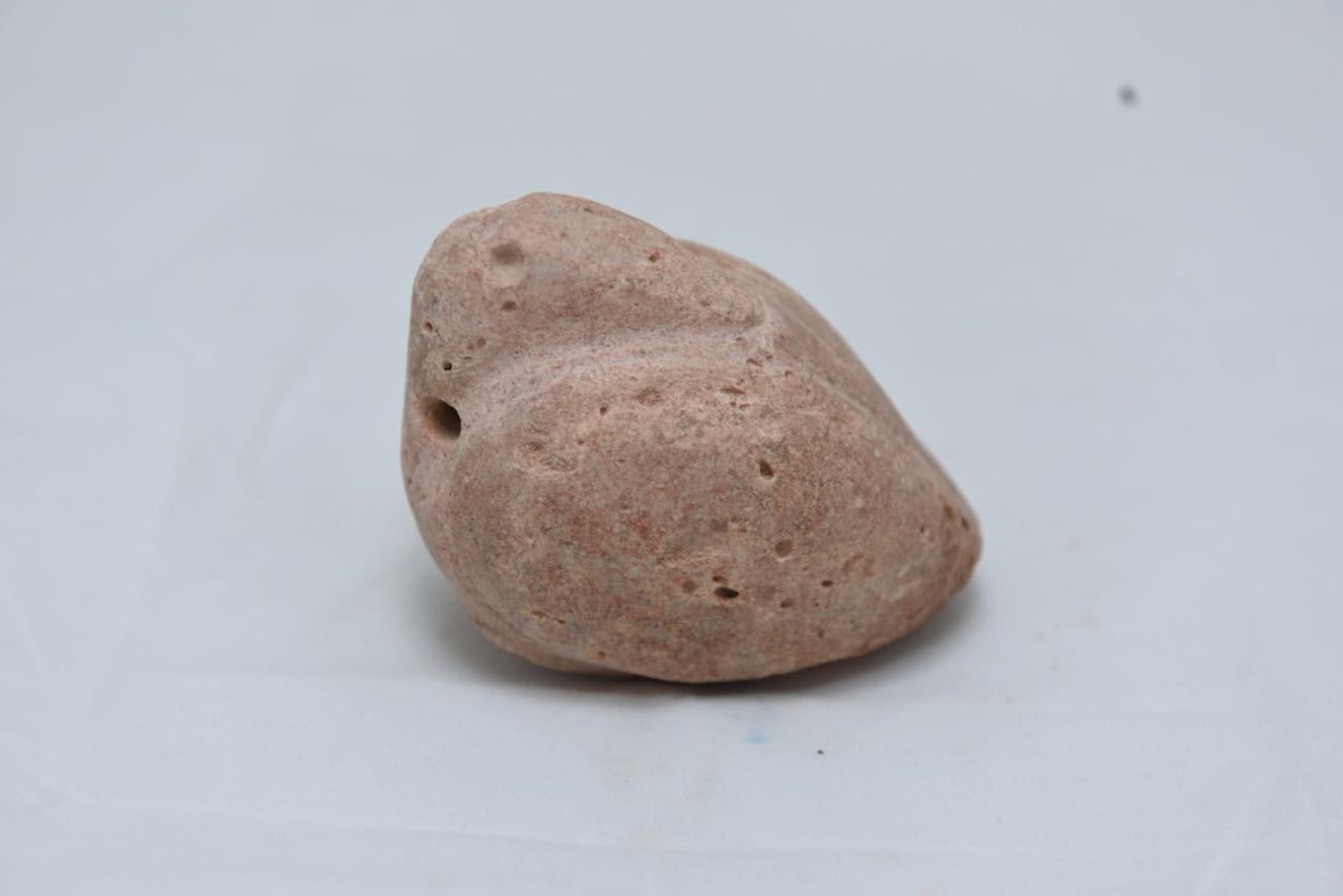
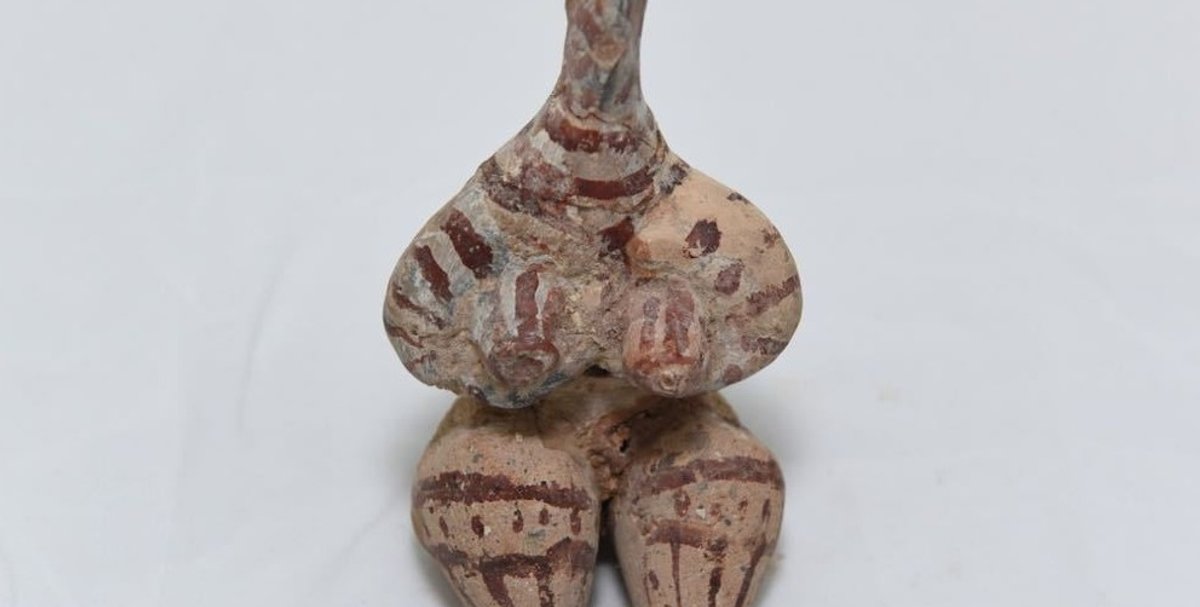
Other items include a clay figurine depicting a fertility goddess dating from around 5,000 years BC and a dove-shaped Babylonian stone weight measure. These pieces were returned to the museum from the Netherlands via an Interpol directive in 2010, says a press statement. The museum was plundered after the Iraqi dictator Saddam Hussein was toppled by allied forces in 2003.
Artists participating in the Iraqi pavilion live both in Iraq—including Luay Fadhil, Ali Arkady and Sakar Sleman—and abroad. The latter include Sadik Kwaish Alfraji and Nadine Hattom, both born in Baghdad, who reside in the Netherlands and Germany respectively. Most of the artists have been commissioned to create new works. The ancient and contemporary pieces will be presented under the themes of “water, earth, the hunt, writing, music, conflict and exodus”. The Belgian artist Francis Alÿs will also create a new work for the Iraqi Pavilion based on his recent experiences spent on the frontline in Mosul, northern Iraq.