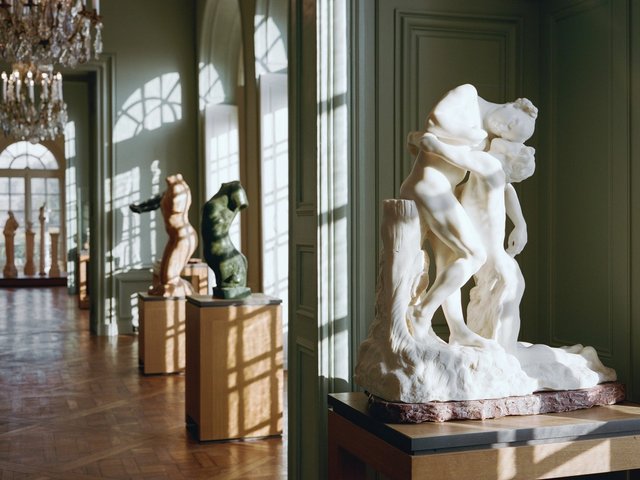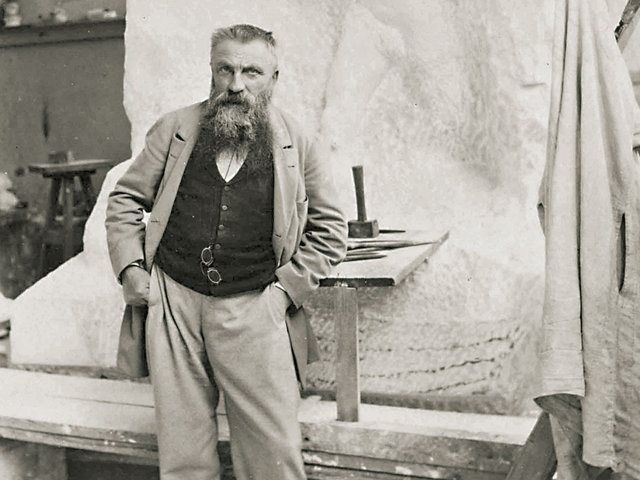
A sculpture by Auguste Rodin (1840-1917) is due to go on public display for the first time at the Musée Rodin in Paris this month, thanks to the efforts of conservators. Absolution (around 1900), an assemblage of three plaster sculptures with a piece of fabric draped over the top, is being shown alongside works by the German artist Anselm Kiefer (born 1945) in an exhibition marking the centenary of Rodin’s death.
Christine Lancestremère, the head of collections at the Paris museum, says: “I think it will be a surprise to most visitors as few people know about the piece. It hasn’t been published or exhibited before.” She suspects that its fragility prevented it from going on display before; it certainly impeded it from travelling.
The prospect of transporting the work from the Rodin’s sister museum in the Paris suburb of Meudon to the city centre for the show is, Lancestremère admits, “a little scary”. It will be displayed behind glass to prevent the fabric from moving with the wind.
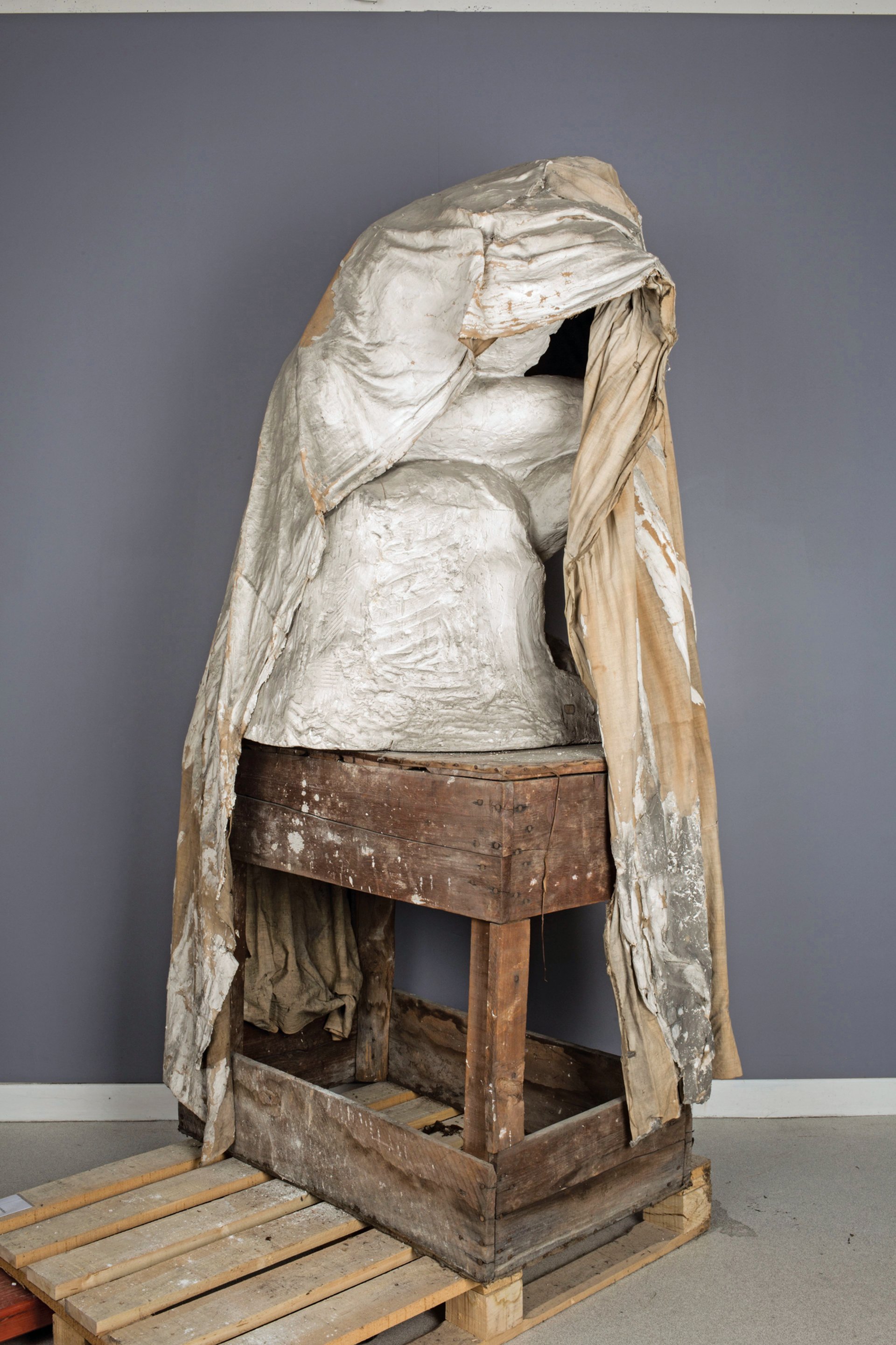
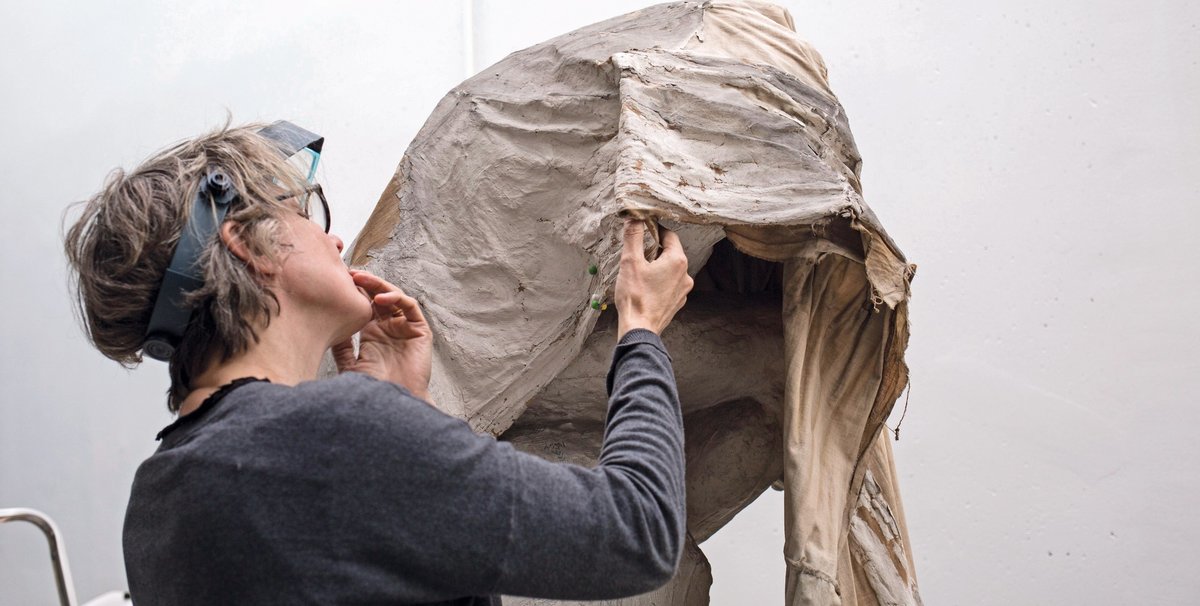
This fabric is the most fragile part of the 2m-high work. The sculptor lightly fixed it to the three sculptures (a torso, head and a rock) with wet plaster. “He did not fix it well because the plaster was thin, which allowed the fabric to move over time,” Lancestremère says.
The movement caused some of the plaster to fall off. The recent conservation involved putting the fabric back into the original position and securing it to the sculpture, as well as restoring lost plaster and cleaning the piece. The treatment was paid for by Tefaf (The European Fine Art Fair) Maastricht’s Museum Restoration Fund, an annual initiative launched in 2012. Absolution is one of three projects to receive funding. Although Rodin used textile as part of his artistic practice, this piece is strikingly different from his other work. “There is something so soft and poetic about the movement that is marvellous. The impact it makes it quite surprising,” Lancestremère says. She sees a parallel between Rodin and Kiefer in their experimentation with materials and techniques: “They both try to go further. Kiefer gives birth to something new, using existing materials.”
There is still a lot of mystery surrounding Absolution, Lancestremère adds. “We don’t know if it is finished. Rodin did not make a marble or terracotta work from it, which is rare for the artist, and there is nothing in the archives about the piece except for one photograph.” But, she says, the fact that he saved it is significant. “He kept it, so he must have been satisfied.”
• Kiefer Rodin, Musée Rodin, Paris, 14 March-22 October