A new platform launching this month from Art Fraud Insights seeks to clean up the unregulated online art marketplace by hunting down fakes, forgeries and copyright infringement. The Art and Artistic Legacy Protection (AALP) service will work with artists and artist-endowed foundations to scour the darkest corners of the internet for bogus sale listings and unauthorised copies.
“There is a vast network of highly organised internet sellers that are doing an enormous amount of volume online,” says Colette Loll, the founder of the Washington, DC-based research and forensics firm. Hired by eBay in 2015 to survey art fraud, she estimated that more than 30% of listings on online art marketplaces and e-commerce sites are problematic—and for certain artists, that figure can be as high as 80%.
Loll teamed up with Singapore-based Strategic IP Information, which specialises in policing online intellectual property violations in the luxury, pharmaceutical and entertainment industries. Over the past six months, they have developed proprietary screening software that trawls the web to identify problematic listings on e-commerce sites, mobile apps and social media. When one is found, AALP will alert the client, send cease-and-desist letters to infringers and collaborate with lawyers to seek payment from them.
AALP aims to capitalise on two trends: the growth in online art sales and the expanding influence of artists’ estates and foundations. The online art market—one of the least regulated sectors of the industry—is expected to grow 24% annually, according to a report published last year by insurer Hiscox. At the same time, artists’ foundations are becoming an increasingly significant market force, with aggregate assets of $3.48bn and growing, according to a 2010 study by the Aspen Institute.
While several companies already exist to police artists’ copyright, few have the technical firepower to search the dark web for works that are potentially stolen or forged. Bharat Kapoor, the chief operating officer of Strategic IP Information, says: “Criminals hide in the back room—but we can get into that area.”
There are limits to the approach. Loll acknowledges that squashing infringements can be like a game of “whack-a-mole”—just as one problematic listing is taken down, another pops up. Furthermore, some foundations are focused on expanding access; last year, the Rauschenberg Foundation enacted a fair-use policy that encourages artists, scholars and others to freely reproduce images of the artist’s work (although it still charges for commercial use).
But, says Loll, for foundations that “generate a significant part of their annual revenue from licensing”, the problem can only get worse, because online fraud “is not going away”.
How to spot the warning signs
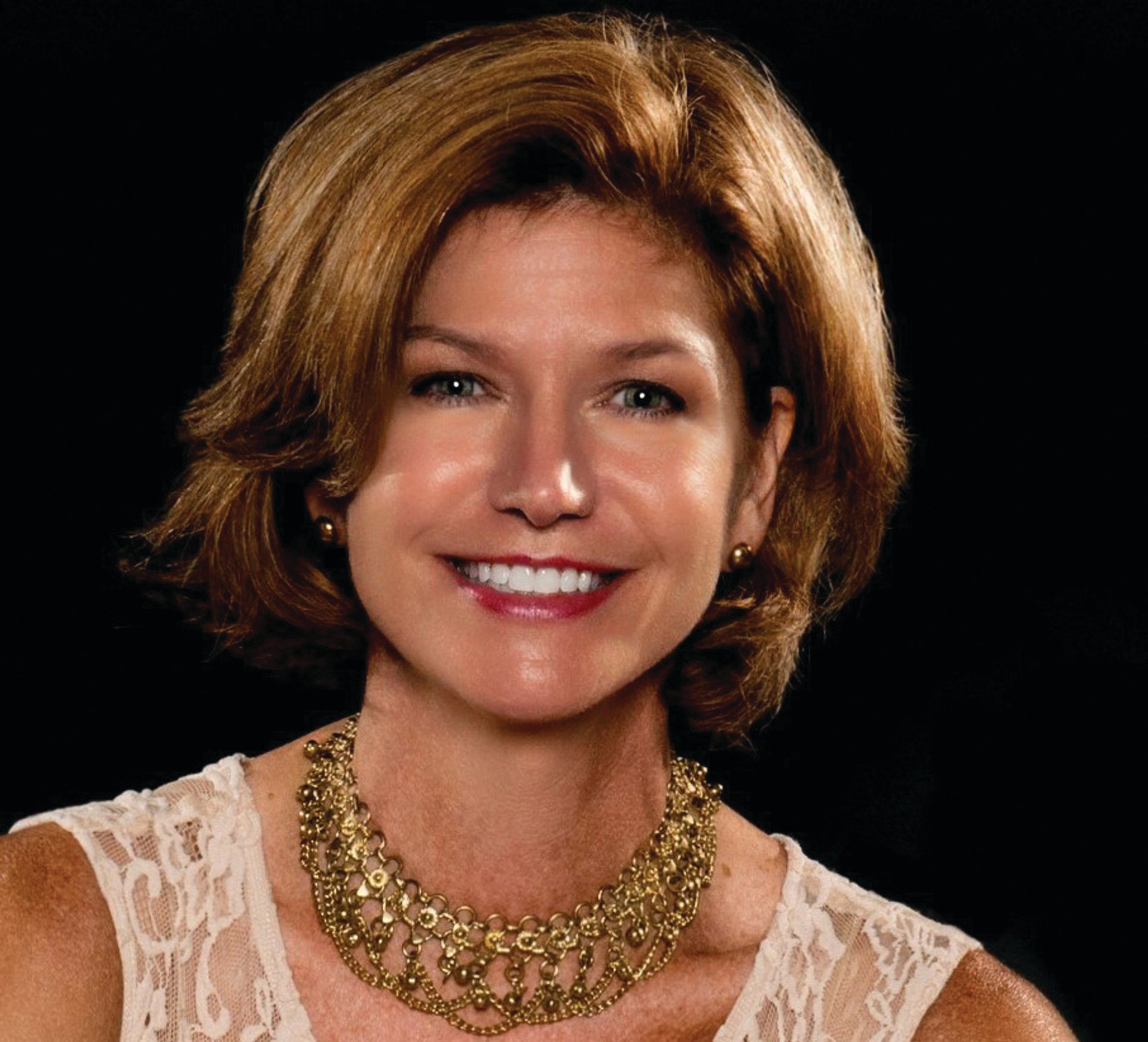
Colette Loll, the founder of Art Fraud Insights, has surveyed tens of thousands of listings and developed a keen eye for red flags.
Some sellers are flagrant. “We kept seeing the same woman showing up—she was Photoshopped holding 500 different pictures,” Loll says. Other warning signs are more difficult to detect, such as doctored certificates of authenticity.
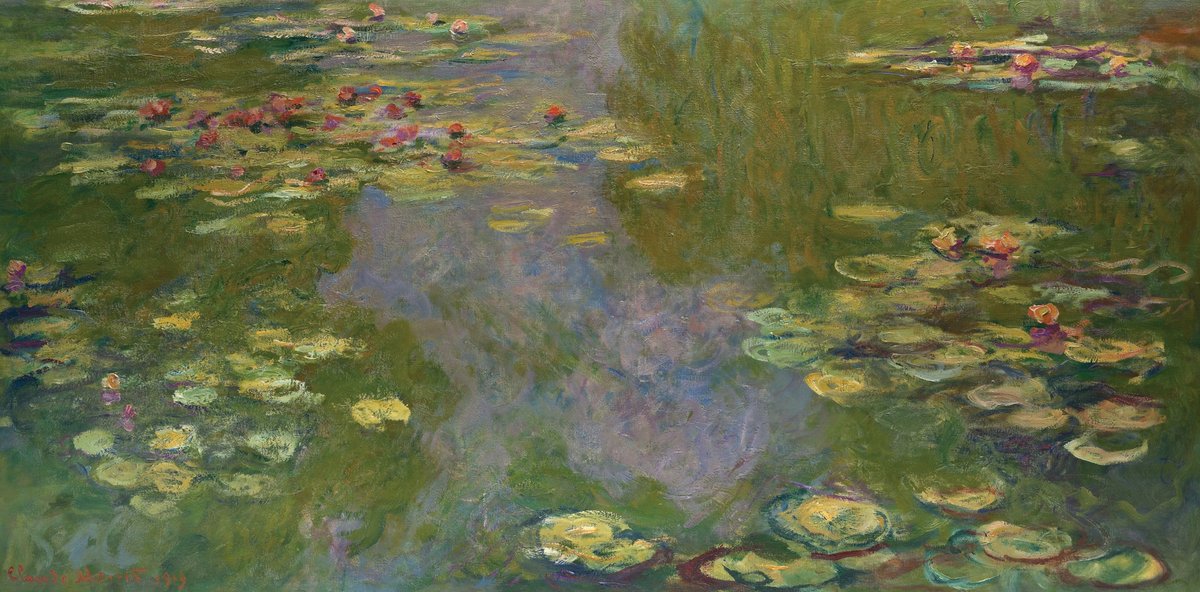
Sellers based in certain regions—including the Balkans, southern Spain, Costa Rica and eastern Europe—should raise alarm bells. The most vulnerable segments of the market, Loll has found, are drawings between $500 and $25,000; paintings between $1,000 and $5,000; and prints between $5,000 and $15,000. And if you are looking to buy a work online by Marc Chagall, Salvador Dalí, Keith Haring, Henri Matisse, Andy Warhol, Roy Lichtenstein, Claude Monet, Joan Miró, Jackson Pollock, Pierre-Auguste Renoir or Pablo Picasso, you might want to do a little extra homework first, as they are common targets for scammers.