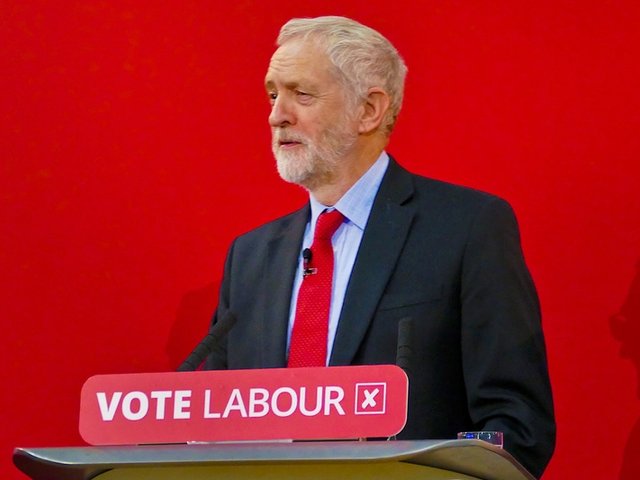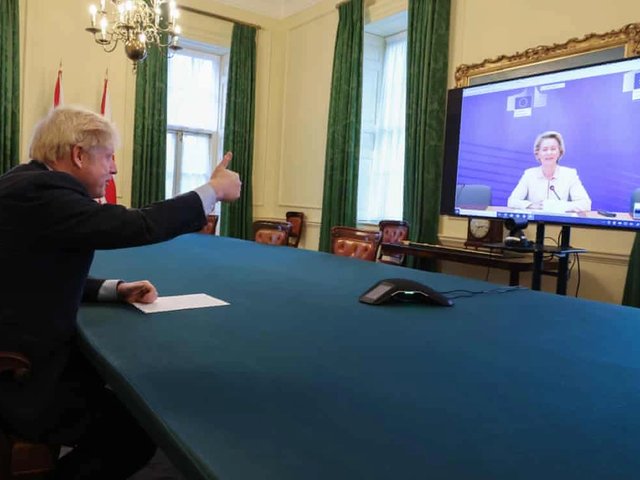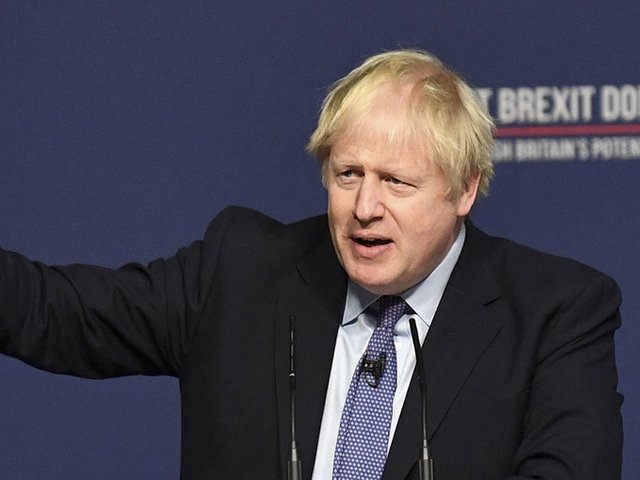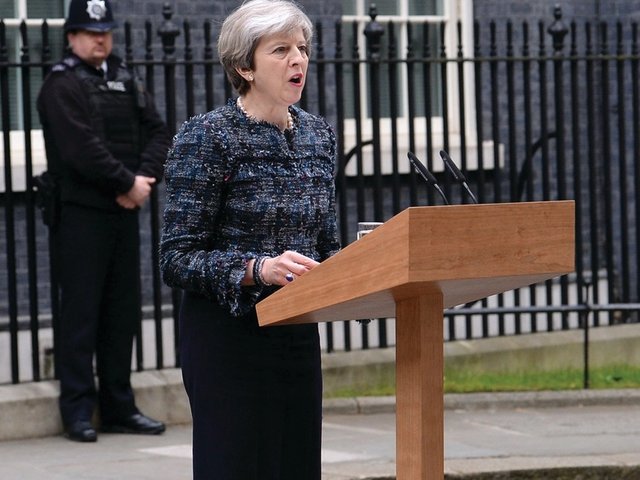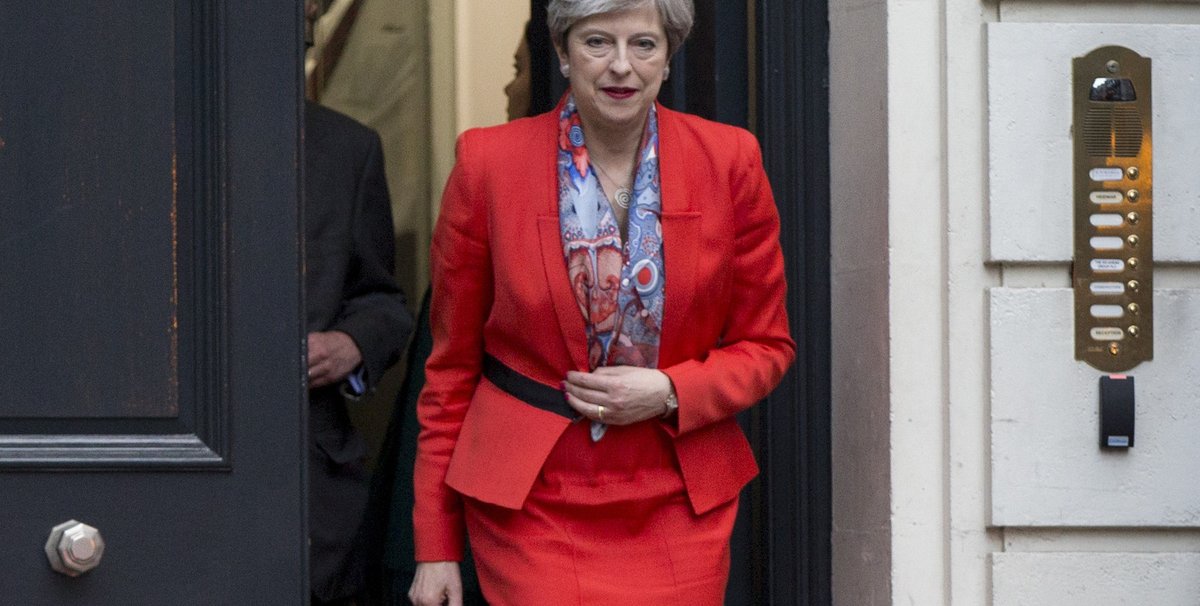
The UK prime minster Theresa May’s disastrous election result is casting doubt on the UK’s Brexit negotiations. This morning, after the general election count, the Conservative Party looked like they would end up with 319 seats (down 13 on 2015) and Labour 261 (up 29 seats), resulting in a hung Parliament. May will lead a minority government.
May called the snap election saying that she needed a strong majority to put her in a powerful position over negotiating Britain’s departure from the European Union, a process that is due to begin on 19 June. However, it now appears likely that there will be a delay in the start of the extremely complex negotiations, although any deal needs to be concluded by the end of the two-year period after the withdrawal decision was formally initiated in March this year.
The UK art scene overwhelmingly opposed Brexit in the June 2017 referendum. This was primarily due to the international nature of the art world. Those in the arts are more likely to be middle class and based in London, where there was greater support for remaining in Europe, although some in the art market welcomed Brexit.
It appears likely that May will call on the Queen later today to say that she wishes to stay on as prime minister. With a hung parliament, this will mean that she will almost certainly need the support of Northern Ireland’s Democratic Unionist Party. However, this party opposes a “hard” Brexit, because this could well cause difficulties over Northern Ireland's border with the neighbouring Irish Republic. Relying on Democratic Unionist support is therefore likely to mean that May will have to go for a softer Brexit, retaining closer links with Europe. This approach would also be overwhelmingly supported by the UK art world.
The Creative Industries Federation issued a statement this morning calling for a soft Brexit. John Kampfner, its chief executive, says that “May has seen that there is no clear mandate for the government to negotiate a hard Brexit”. He says that the federation will “push for the UK to remain in the single market and the customs union”. He is also lobbying against “undue restrictions on free movement of people, which we know will damage the capacity of the creative industries to deliver”. Kampfner says that “non-UK European Union nationals are an important part of the creative economy”.