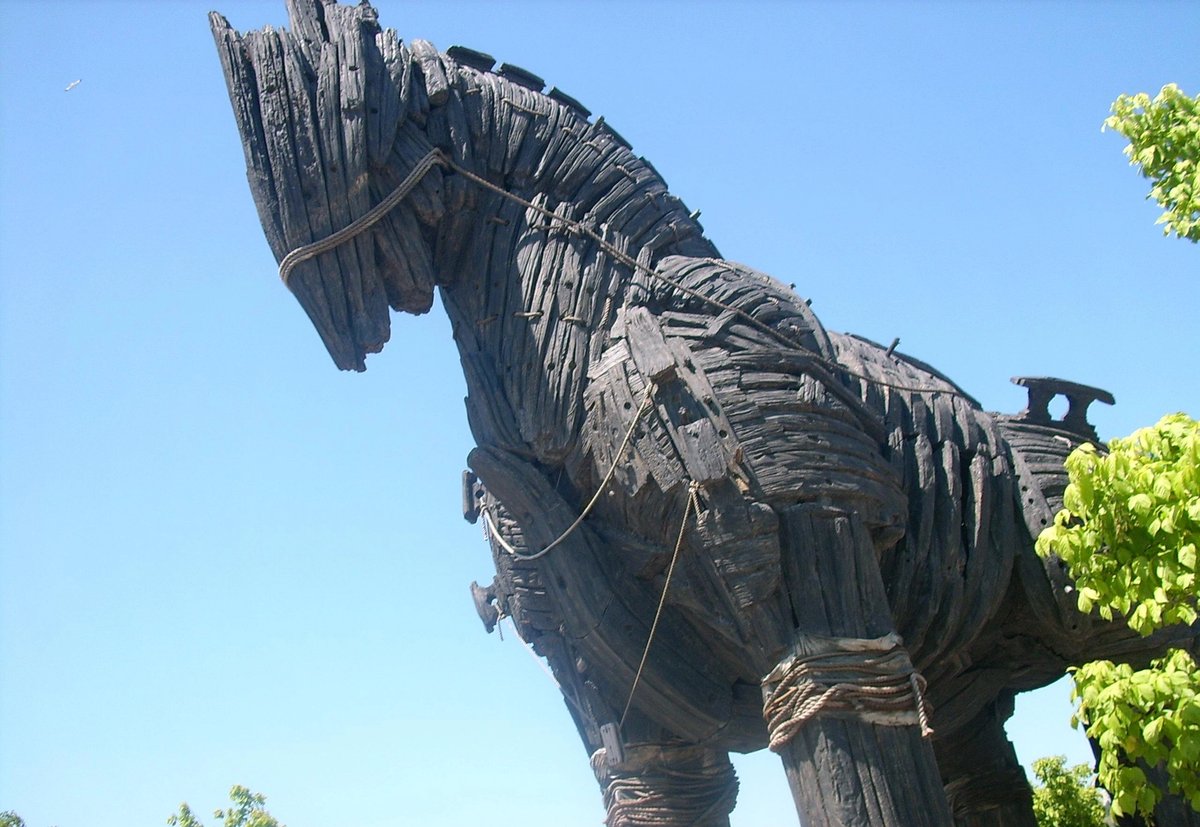
Among the different categories of information comprising any good catalogue raisonné, “provenance” counts as perhaps the most powerful Trojan horse. An outwardly bland word, it has the propensity to conceal a veritable army-in-waiting of facts and fictions able to make or break a work’s status.
Some data in catalogues raisonnés is cut-and-dried—for instance, the dimensions, media and literature references for a given piece. Other areas can be thornier, notably chronology. The latter may demand hybrid skills: archival research, old-fashioned connoisseurship and a willingness to rethink the whole corpus (as Anthony Blunt famously did with Poussin). But provenance is the interface where objective reasoning confronts an often unreasonable world of human beings with their inevitable frailty, ambition and honesty or otherwise.
The who, where and when regarding ownership—the crux of provenance—is foundational for the DNA, so to speak, determining an art object. In turn, this roadmap has the potential to lead into scholarly, ethical, legal and existential issues. An incomplete provenance affronts the ideal wholeness to which catalogues raisonnés aspire, but documentation that extends through the past to the artists themselves goes far towards ensuring authenticity. Secondly, when falsified, as Noah Charney recounts in several cases in The Art of Forgery, the strategy becomes a tool for deception. Most recently, the Knoedler scandal’s forgeries hinged upon a mystery collector who somehow left not a shred of paperwork behind. Why? Because eventually he was found never to have existed.
Provenance drives the restitution of works—exemplified by those which the Nazis looted
Lastly, provenance drives the restitution of works to their rightful hands—vividly exemplified by those which the Nazis looted—thus sparking legal action, private memories, trauma and the like. Broadly understood in this manner, provenance’s scope even pushes forward, as with the extraordinary peripatetic moves and dismemberment that Jan van Eyck’s Ghent Altarpiece has undergone since its installation in St Bavo’s Cathedral, Ghent, in 1432. Fixity and changing fortunes are flip sides to provenance’s dynamic.
In rare instances, history is kind. Think of Clyfford Still’s clairvoyance in leaving approximately 95% of his work to a US city (which transpired to be Denver) so that its genealogy is a no-brainer. By contrast, most major artists’ outputs are scattered across time and space. Then detective work becomes key. Gaps in the provenance trail can fill with wishful thinking, paranoia or just errors. A gilt-edged origin gilds the price—witness David Rockefeller’s Rothko, which shattered a glass ceiling at auction in 2007 by fetching $72.8m.
In the last resort, provenance means a quest for origins in all their many forms—thereby serving the diverse needs of scholars, collectors, dealers, auction houses and museums. Indeed, no matter how we look at provenance, it remains the vital proof of the proverbial pudding in myriad art matters. A forthcoming book, Provenance Research Today edited by Arthur Tompkins, will add to this perennial subject.
• David Anfam is a curator, consultant, critic, arts writer and board member of the International Catalogue Raisonné Association (ICRA). This article was produced in partnership with the ICRA.