Digital Editions
Newsletters
Subscribe
Digital Editions
Newsletters
Art market
Museums & heritage
Exhibitions
Books
Podcasts
Columns
Art of Luxury
Adventures with Van Gogh
Venice Biennale
Art market
Museums & heritage
Exhibitions
Books
Podcasts
Columns
Art of Luxury
Adventures with Van Gogh
Venice Biennale
Venice Biennale 2024
news

Canada chooses Kapwani Kiwanga for its 2024 Venice Biennale pavilion

The Paris-based multi-disciplinary artist received the Frieze Artist Award in 2018 and the Prix Marcel Duchamp 2020

Gareth Harris
26 January 2023
Share
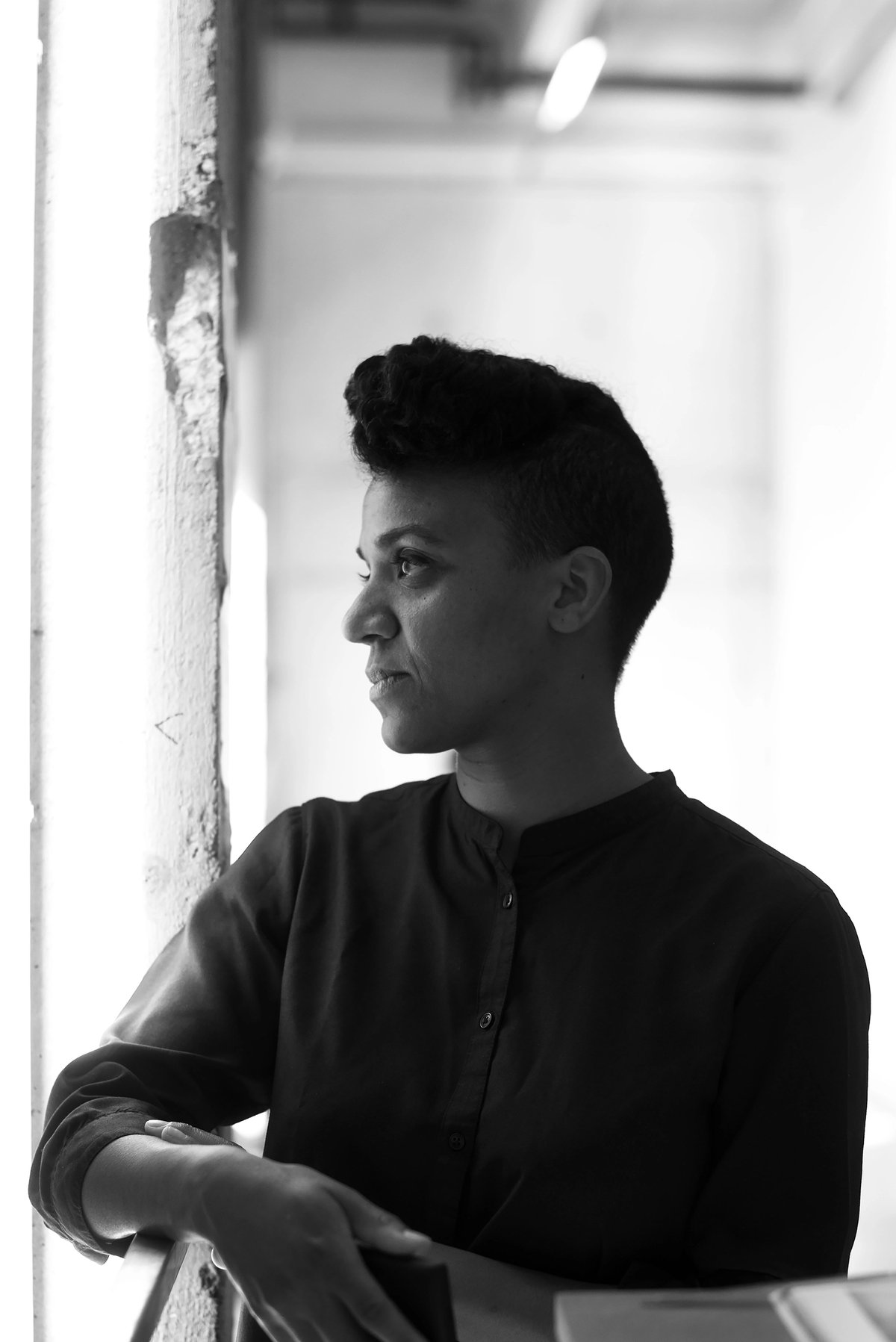
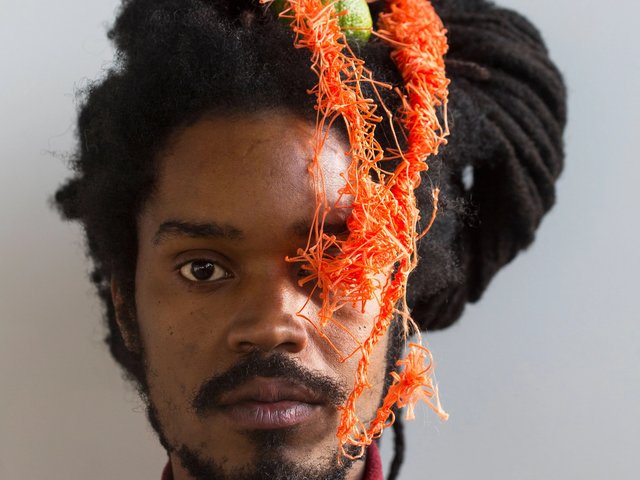
Portrait of Kapwani Kiwanga, 2016 © Bertille Chéret

Portrait of Kapwani Kiwanga, 2016 © Bertille Chéret

Canada is the latest country to announce its artist choice for the next Venice Biennale (20 April-24 November), selecting Kapwani Kiwanga who works in video, installation, sound, performance and sculpture.

The National Gallery of Canada is the pavilion commissioner while the non-profit National Gallery of Canada Foundation is backing the Canadian representation. Gaëtane Verna, Canada Pavilion curator, says in a statement: “[Kiwanga] is interested in the role of art as a catalyst for revealing and addressing alternative and often silenced, marginalised sociopolitical narratives that are part of our shared histories.”

In 2020, Kiwanga won the 20th edition of the Prix Marcel Duchamp for her installation, Flowers for Africa. Featuring 16 floral arrangements on white podiums, Kiwanga’s work was based on archived imagery of flowers at key diplomatic events connected to the independence of African countries.

Paris-based Kiwanga studied anthropology and comparative religion at McGill University in Montreal before entering the Beaux-Arts school in Paris. She began Flowers for Africa during a residency in Dakar in 2013 while researching iconographic images of ceremonies and political meetings relating to Senegal’s independence in 1960.

In 2018, she won the Frieze Artist Award. In an interview with The Art Newspaper, the artist discussed her open-air piece, entitled Shady, which was shown at the Frieze New York fair. The installation sparked debate about issues ranging from the colonial appropriation of land to freedom of movement.

Asked about studying anthropology and comparative religion at McGill University in Montreal, she said: “I think I’ve realised how much [they have] imprinted on what I work on, maybe not always the content but sometimes the form. I was thinking recently about how the different approaches to textual writing in anthropology has informed more and more of my installations.”
Subscribe to our daily newsletter

Venice Biennale 2024Kapwani KiwangaCanadaVenice Biennale
Share
Subscribe to The Art Newspaper’s digital newsletter for your daily digest of essential news, views and analysis from the international art world delivered directly to your inbox.
Newsletter subscribe
Information
About
Contact
Cookie policy
Data protection
Privacy policy
Frequently Asked Questions
Subscription T&Cs
Terms and conditions
Advertise
Sister Papers
Sponsorship policy
Follow us
Instagram
Bluesky
LinkedIn
Facebook
TikTok
YouTube
© The Art Newspaper

Related content

Exhibitionsnews
22 June 2023

Venice Biennale curator unveils vision for next year's exhibition

The focus of the show will be foreign artists—including refugees, émigrés and members of a diaspora

Gareth Harris
Venice Biennale 2024news
9 December 2022

And they’re off—France, Estonia and Lithuania first to announce artists for 2024 Venice Biennale

Caribbean-born Julien Creuzet and sculptor Edith Karlson will fly the flag at the 60th edition of the exhibition

Gareth Harris
Venice Biennalenews
15 December 2022

Adriano Pedrosa named curator of Venice Biennale 2024

The Museu de Arte de São Paulo Assis Chateaubriand artistic director is the first Latin American curator to take up the position

Gareth Harris
Venice Biennale 2024news
24 January 2023

John Akomfrah to represent Britain at 2024 Venice Biennale

The British-Ghanaian artist is well known for searing video installations examining issues ranging from climate change to colonialism

Gareth Harris