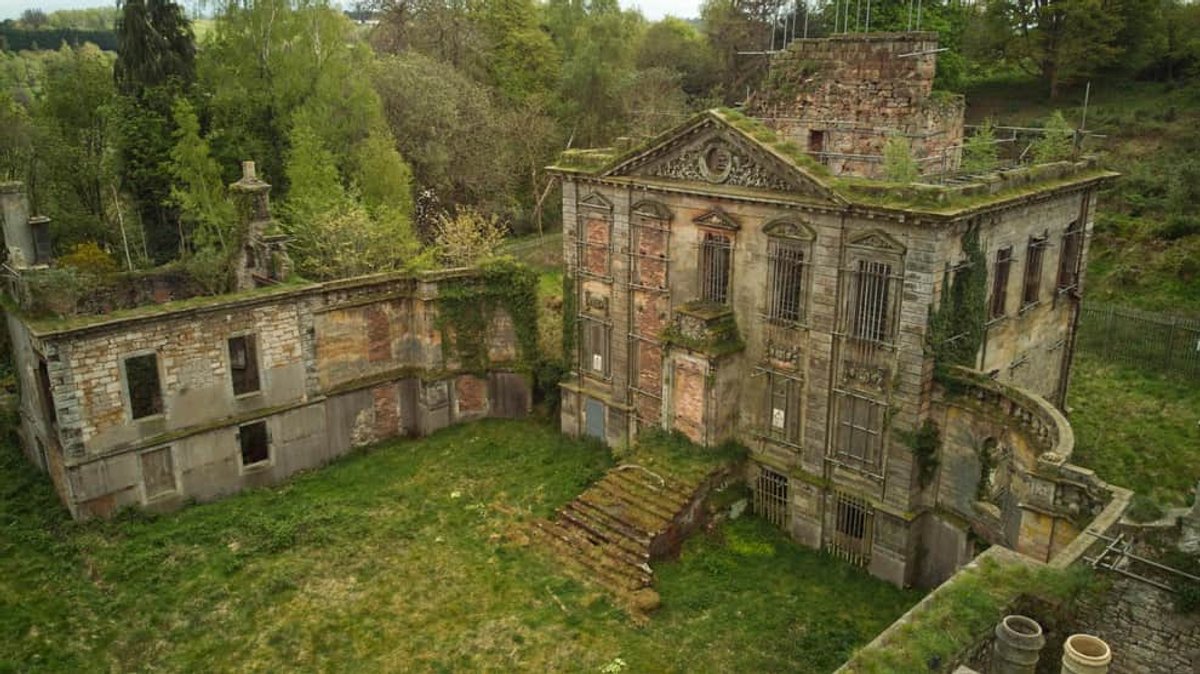
The gutted shell of Mavisbank, an 18th-century Scottish mansion regarded as one of Britain’s most important but near hopeless buildings at risk, will be restored by the Landmark Trust charity, with a major grant from the National Heritage Memorial Fund.
The NHMF will today announce a £5.3 grant to the Landmark Trust to save the building, which is judged in danger of total collapse.
Apart from its disastrous condition, the tangled ownership of Mavisbank has sunk several previous restoration attempts, including a failed application to the Heritage Lottery Fund. It will now be acquired by the local authority, Midlothian Council, through compulsory purchase, and immediately sold on to the trust, which restores historic properties and maintains them through use as holiday lets, with regular public open days.
The house near Edinburgh, designed in 1723 by the Scottish architect William Adam for John Clerk of Penicuik, is Grade A listed, but has been the despair of building historians and local campaigners for more than half a century. It was gutted by fire in 1973, condemned to be demolished in 1987 but saved by local protests, and barely survives as a propped and bricked up shell.
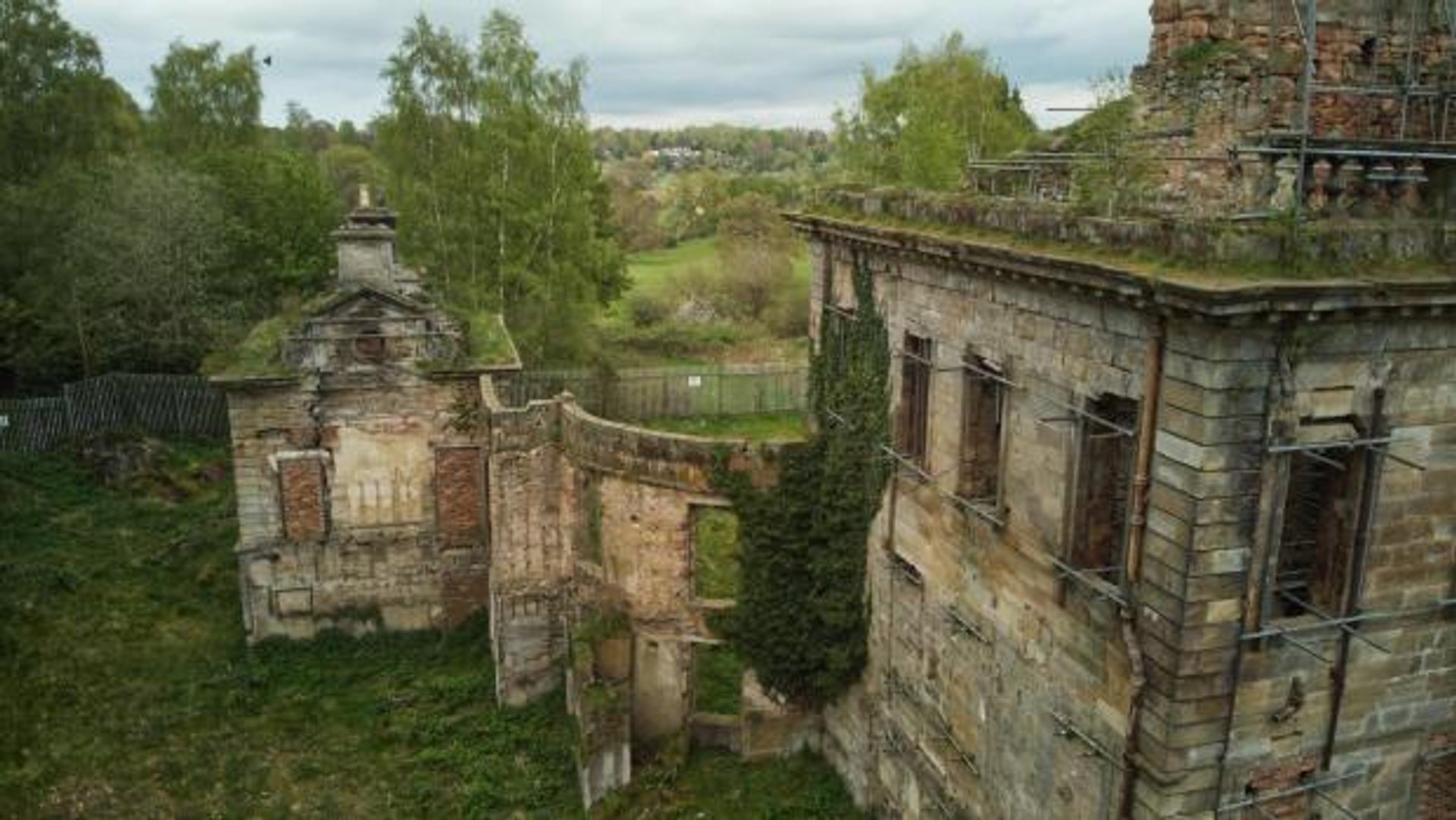
The house was once a mental hospital Photo: © Rob McDougall
Its most recent recorded owner was a scrap car dealer who filled the forecourt with rusting carcasses, and claimed to have sold part of the building to individuals in the US who have never been traced.
Anna Keay, the director of Landmark, described the grant as a once-in-a-lifetime moment. “Mavisbank has hung by little more than a thread for so long, with demolition seriously contemplated on more than one occasion.”
Anna Eavis, the chair of the NHMF, described the house as “of outstanding importance to Scottish and UK national heritage.”
The £5.3m will be added to £1.38m already committed from other sources including Landmark’s own funds. A further £1.16m will have to be raised to complete the project.
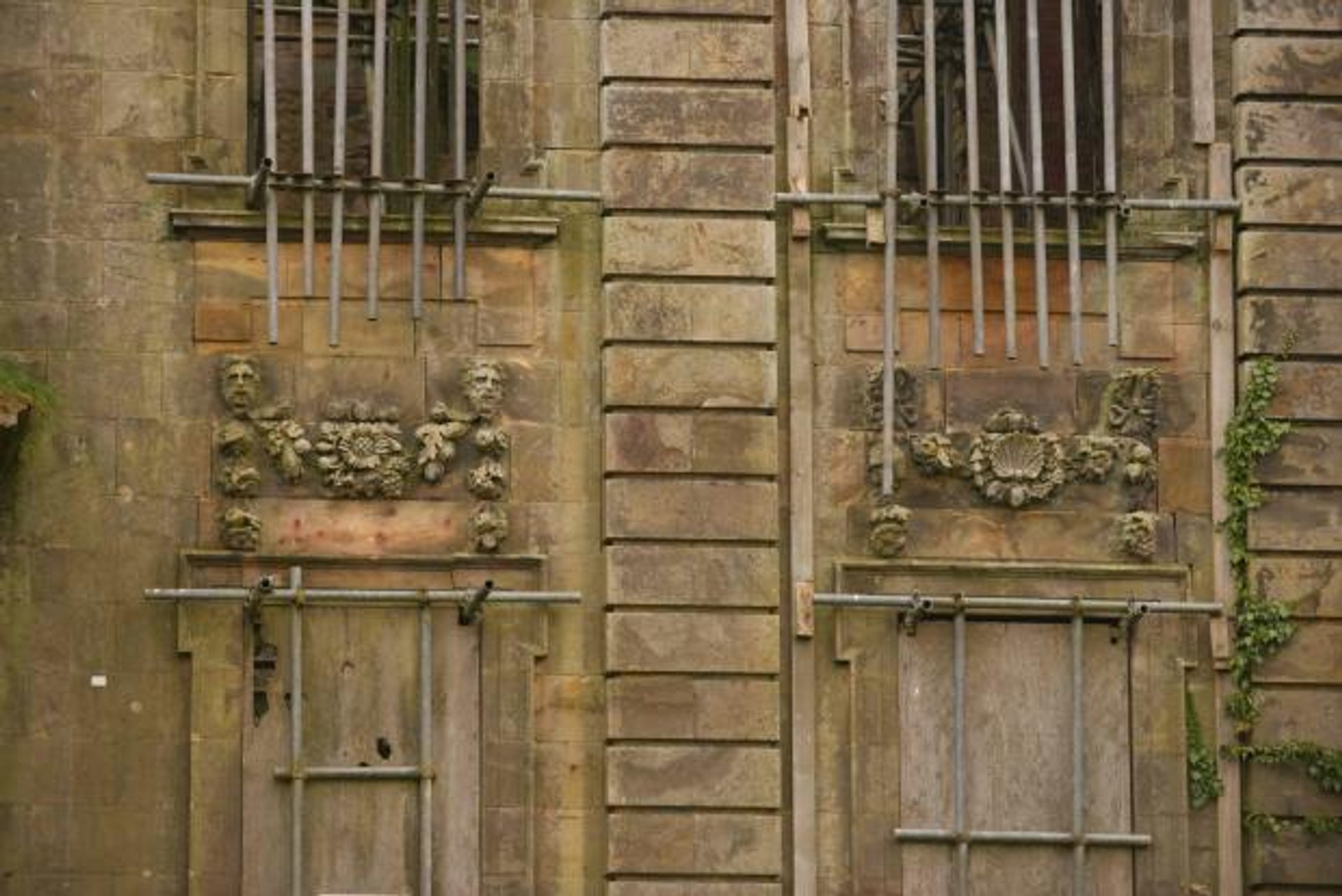
It is considered to be the first Palladian house in Scotland Photo: © Rob McDougall
The Clerk family archives record many of the 18th-century craftsmen who worked on the building, regarded as the first Palladian house in Scotland and an influential style setter. It was intended as a summer escape for John Clerk, a politician and leading figure in the Scottish Enlightenment, from Edinburgh and the grandeur of the main family seat at Penicuik.
The house was sold out of the family in the early 19th century, and in 1876 bought by a group of Edinburgh doctors as a pioneering mental hospital, where treatment included gardening under Mary E. Burton, the first female professional gardener in Scotland and later the first female president of the Scottish Horticultural Association. The asylum closed in the 1950s and the house was sold into private ownership, which led to its parlous state of having no identified legal owner at all. “Landmark is not used to giving up”, the trust commented.