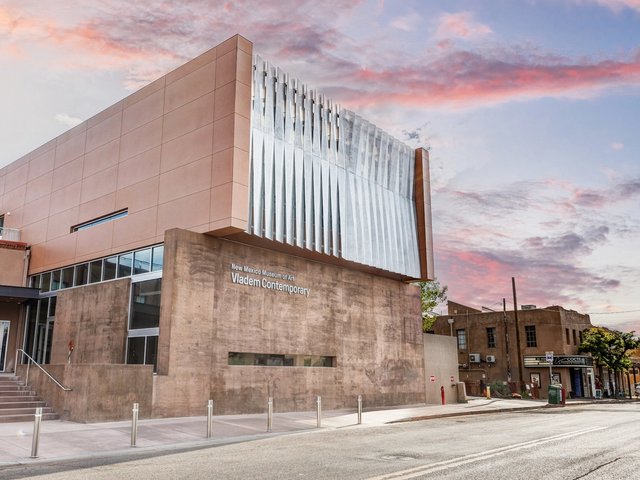
The Gardiner Museum in downtown Toronto, which launched in 1984 and focuses on ceramic art, reopened on 6 November after a significant makeover of its ground floor, which now includes a new gallery devoted to Indigenous art. It took around 15 months and C$15.5m ($11m) for the renovation to be realised, with a C$9m ($6.4m) gift from the Radlett Foundation providing the lion’s share of support.
“To see it take shape has been magical,” says chief curator and deputy director Sequoia Miller. “Clay embodies what it means to be human, grounding and connecting us to the earth and to each other.”
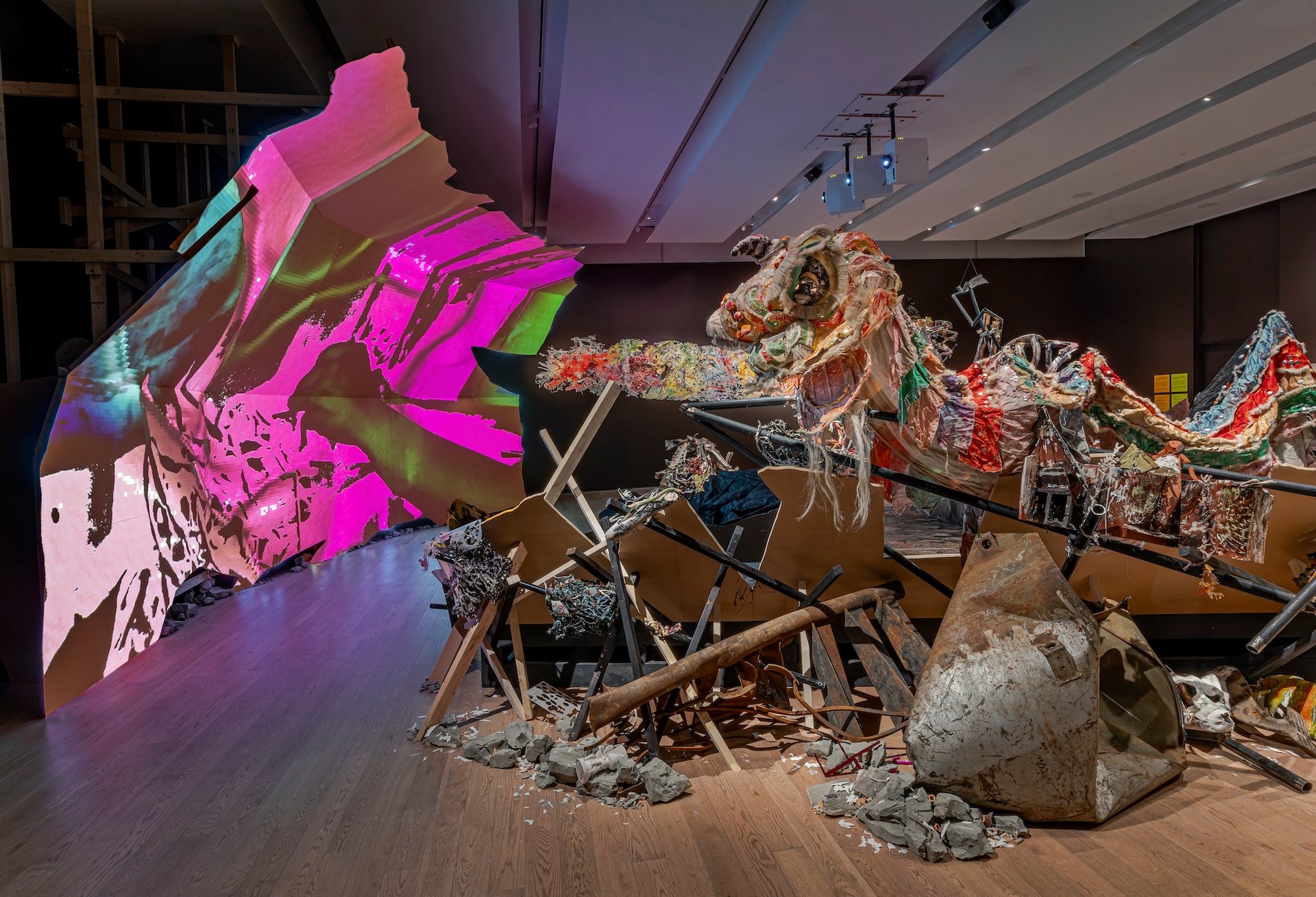
Installation view of Linda Sormin: Uncertain Ground at the Gardiner Museum Photo: Toni Hafkenscheid
The upstairs galleries have been given over to the Thai Canadian artist Linda Rotua Sormin’s exhibition Uncertain Ground(until 12 April 2026). It is Sormin’s first solo museum show, showcasing around two decades of her work exploring her family’s roots in Indonesia (the artist is now based in New York). Commissioned by the Gardiner, it draws on Batak (an Austronesian ethnic group) mythology and includes sculpture, video, sound, hand-cut watercolour painting and digital fabrication, depicting roosters, tigers, dragons, holy books and more. She even incorporated materials from the Gardiner’s reconstruction into her installation.
“There’s a lot of excitement around the reopening, certainly within our own team but also in the wider ceramics community and the city of Toronto, where the Gardiner is a beloved cultural gem and creative hub,” Miller tells The Art Newspaper. “People will be blown away by how dynamic the space is. Inaugurating a gallery of Indigenous ceramics was central to the project from the beginning. It felt important to clearly ground our work in this region and to deepen and expand relationships with Indigenous artists and communities.”
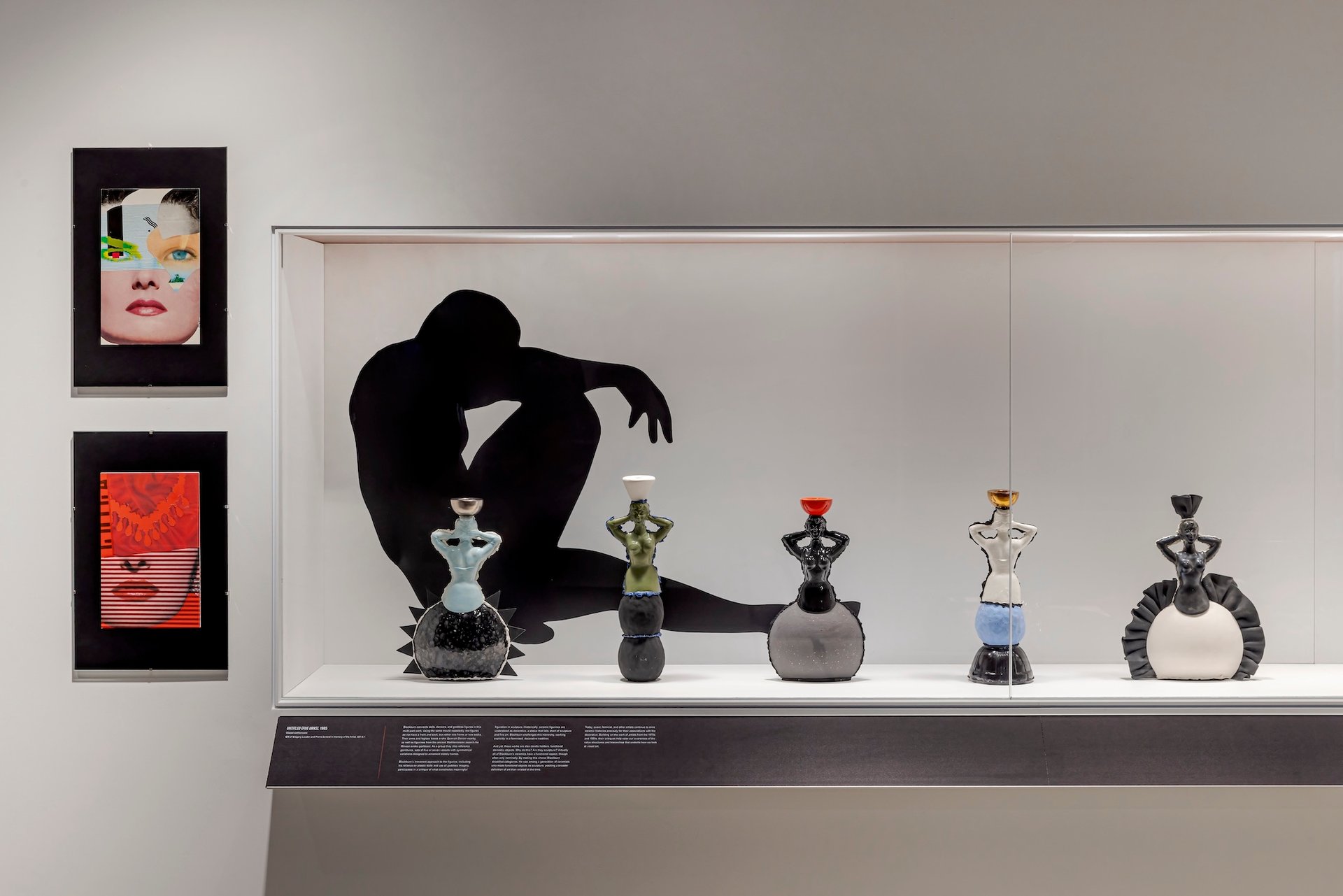
Installation view of Femme Fatale: The Art of Jeannot Blackburn (until 11 January 2026), another of the inaugural shows at the renovated Gardiner Museum Photo: Toni Hafkenscheid
The new gallery has been named “Indigenous Immemorial: Ceramics of the Great Lakes Region”, referencing an area that takes in Manitoulin Island, Six Nations of the Grand River and Curve Lake. The display also includes a Latin American component, fostering connections between ceramicists in North and South America. Helping make it happen was the museum’s Indigenous advisory circle, assembled by the renowned artist Kent Monkman and including Mary Anne Barkhouse, Bonnie Devine, Andre Morriseau, Duke Redbird, Frank Shebageget and Tekaronhiáhkhwa/Santee Smith. The Gardiner’s first curator of Indigenous ceramics, Franchesca Hebert-Spence (a member of the Sagkeeng First Nation), who previously served at the National Gallery of Canada, took it from there.
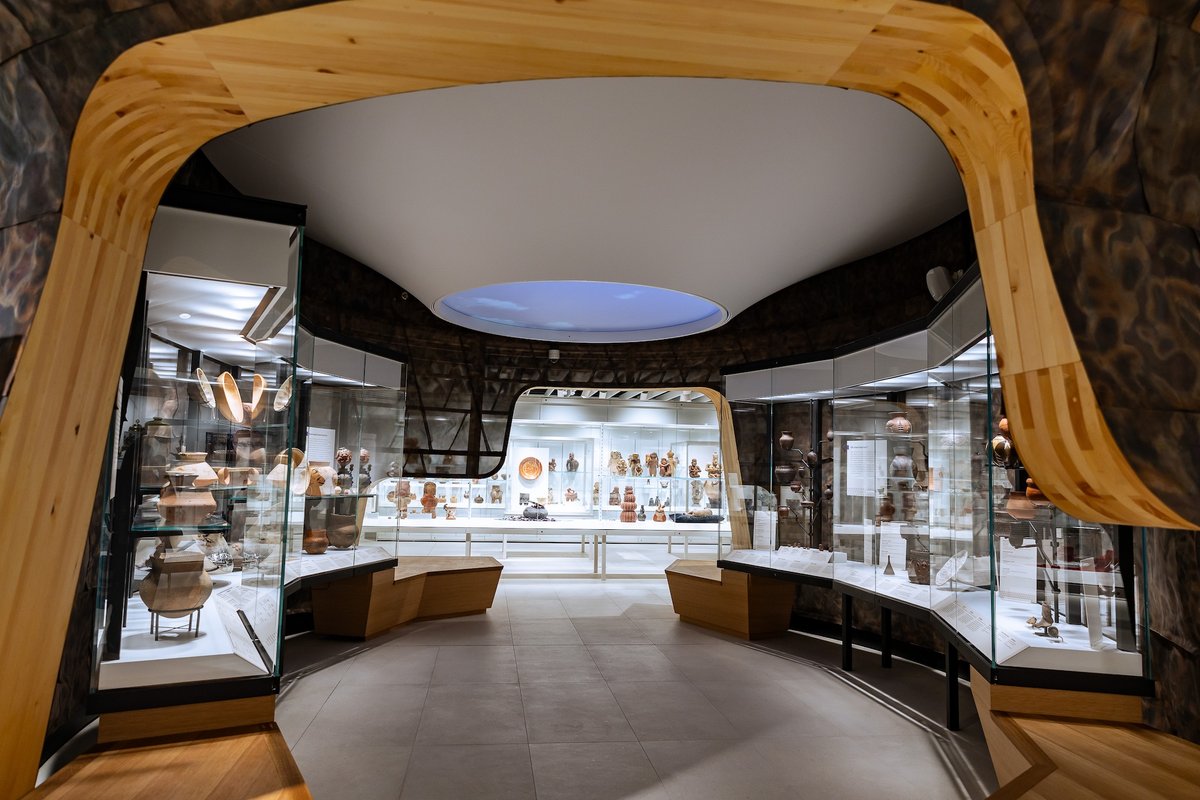
The Indigenous ceramics gallery was designed by the Oneida architect Chris Cornelius. “Chris has interpreted the traditional structure of the people that inhabited the region: a frame with bark shingled cladding,” Miller says.

Partial view of the new William B.G. Humphries Collection Galleries at the Gardiner Museum Photo: George Pimentel Photography
Welcoming visitors to the building is a specially commissioned installation by the 2014 Sobey Art Award-winner Nadia Myre, an artist from Montréal and an Algonquin member of Kitigan Zibi Anishinaabeg First Nation. The installation is fashioned from handmade ceramic beads and clay pipe stems that Myre collects along the River Thames (the one in southwestern Ontario).
“Nadia uses the material richness of ceramics to expand our understanding of ourselves and our relationship to the earth and how we got to where we are,” Miller says. “She is one of the most compelling artists working in the medium today, in Canada and internationally.”
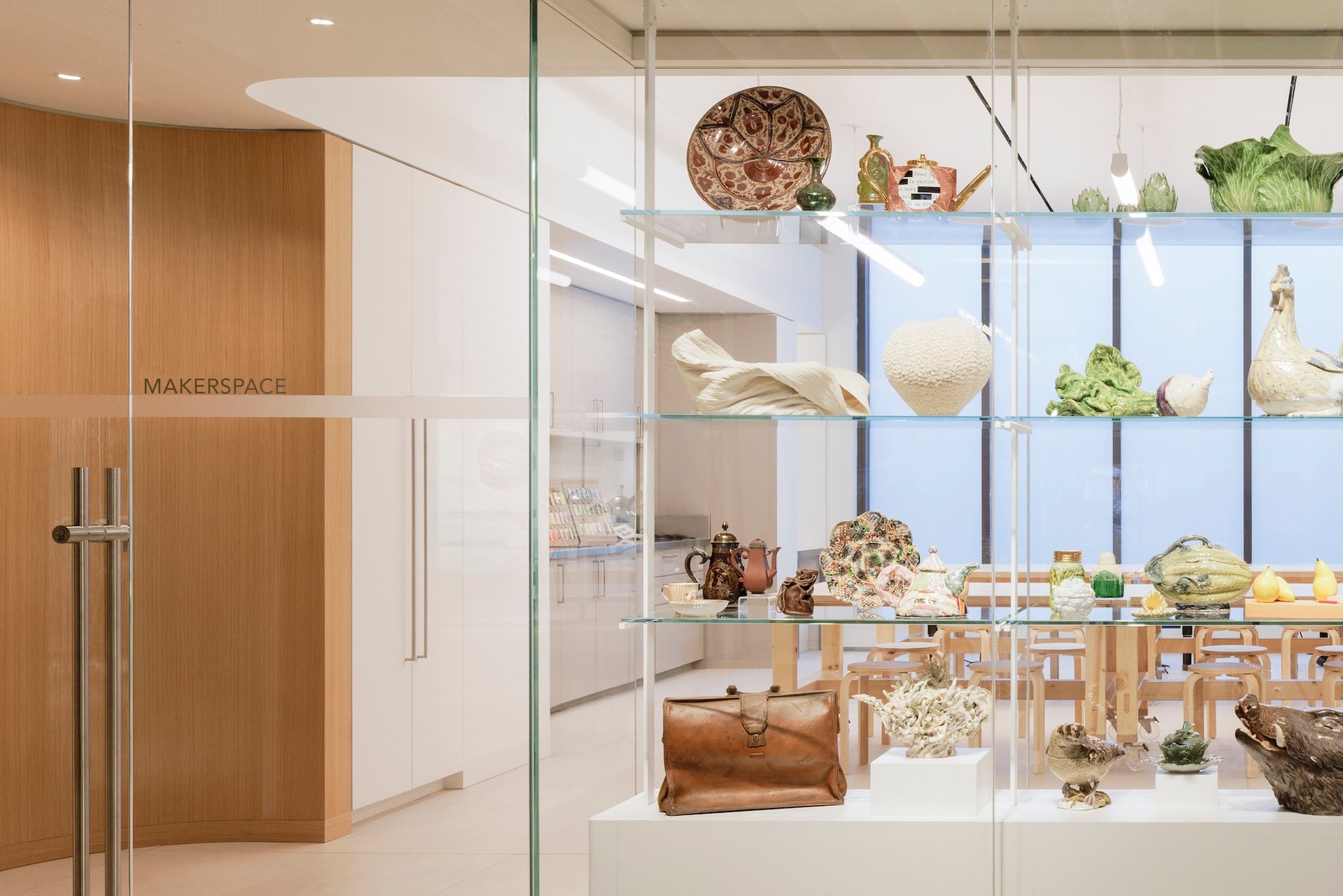
A view of the Gardiner Museum's new studio space Photo: Salina Kassam
Other attractions at the overhauled Gardiner include a fully equipped clay studio that will allow visitors to try their hands at ceramic art making, and a community learning centre which aims to attract upwards of 200 school groups annually. Meanwhile the William B.G. Humphries Collection Galleries (named for the Radlett Foundation’s late founder) display ceramics from the Gardiner’s collection of more than 5,000 objects, spanning eons past to the present day, organised by geography, culture, period and technique. Miller notes that, following the renovation, the museum is able to have around 40% of its collection on display, a rarity among collecting institutions.
Gabrielle Peacock, the Gardiner Museum’s executive director and chief executive, adds: “With this transformation, we’ve created vibrant spaces where people can find wonder and inspiration, tap into their creativity and engage in important conversations.”