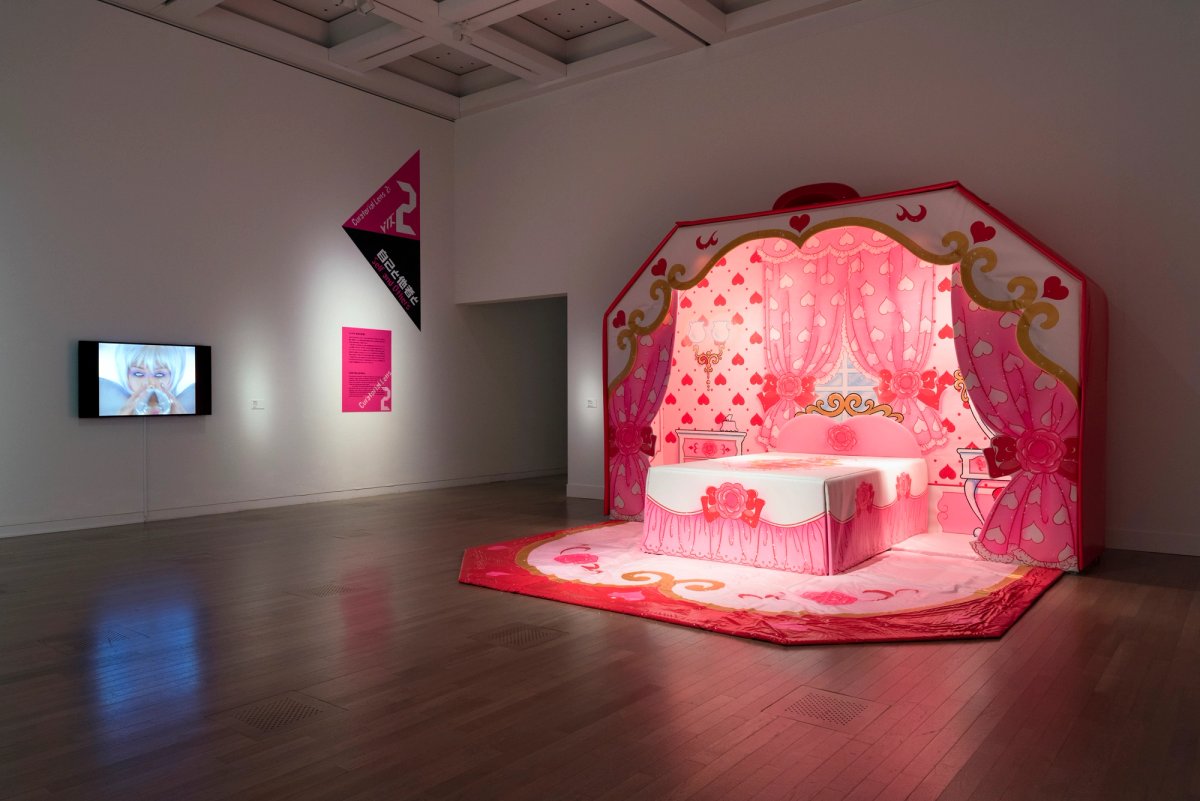
Some exhibitions start with a friendship. Prism of the Real: Making Art in Japan 1989-2010, a spectacular survey of Japanese contemporary art and how it interacted with the rest of Asia and the world, traces its origins back to 1999 when Osaka Eriko and Suhanya Raffel collaborated on the third Asia-Pacific Triennial of Contemporary Art in Brisbane, and the discussions they had ever since.
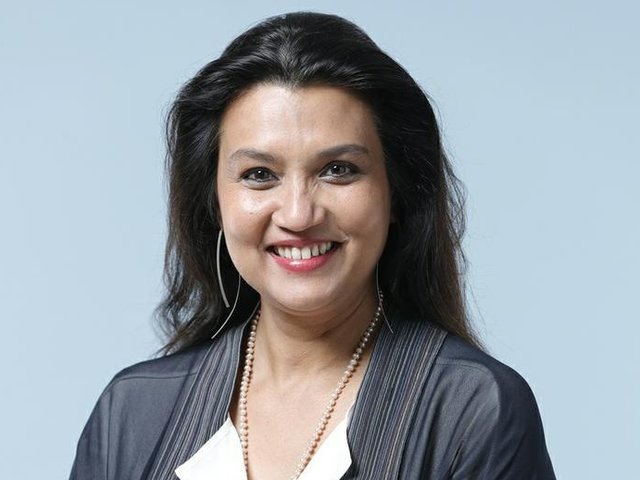
“Eriko just felt that it was time to have an inter-regional relationship with a major institution in East Asia, and so to work together. Both of us felt it was very important to start having significant collaborations with like-minded institutions,” says Raffel, who is now the museum director of M+ museum in Hong Kong, which collaborated with the National Art Center, Tokyo (NACT), on the project at the Japanese institution, now helmed by Osaka.
The show, which opened in September and concluded on 8 December, was curated by Doryun Chong, M+’s artistic director and chief curator, along with M+’s visual art curator Isabella Tam, NACT’s chief curator and head of its curatorial division Kamiya Yukie, and NACT curator Jihye Yun.
Osaka first approached Chong with the idea in 2022, Raffel says, and a formal MOU was signed by the two institutions in 2024. “A partnership based on collaborative research, bringing in new information on both sides, the push and pull of here and there can make an exhibition something that you wouldn't be able to without the other,” Raffel says. “Without the other, we could not make something as rich as what you see in Prism of the Real.”
The exhibition is framed around two Japanese imperial time periods, the Shōwa era (1926–89) and the Heisei era (1989–2019), to present moments of economic turmoil when the country’s art first leaned into global contemporary art, then embraced and powerfully reshaped it.
Prism of the Real traces Japanese contemporary art, both chronologically and thematically, but also shows how Japan both pulled away from and leaned into the rest of Asia and the world in that heady era. It opens, for example, with documentation of Joseph Beuys’s brief visit to Japan in 1984, including footage of his performance with Nam June Paik and the preserved chalkboard from his lecture at the Tokyo National University of Fine Arts and Music.
International visitors influenced—and were influenced by—Japan. Interactions included the Korean artist Lee Bul’s renowned 12-day 1990 performance Sorry for suffering—You think I'm a puppy on a picnic? tour around Korea and Japan, with Bul's futuristic and grotesque suit itself looming from the ceiling of one of the exhibition halls at the current show.
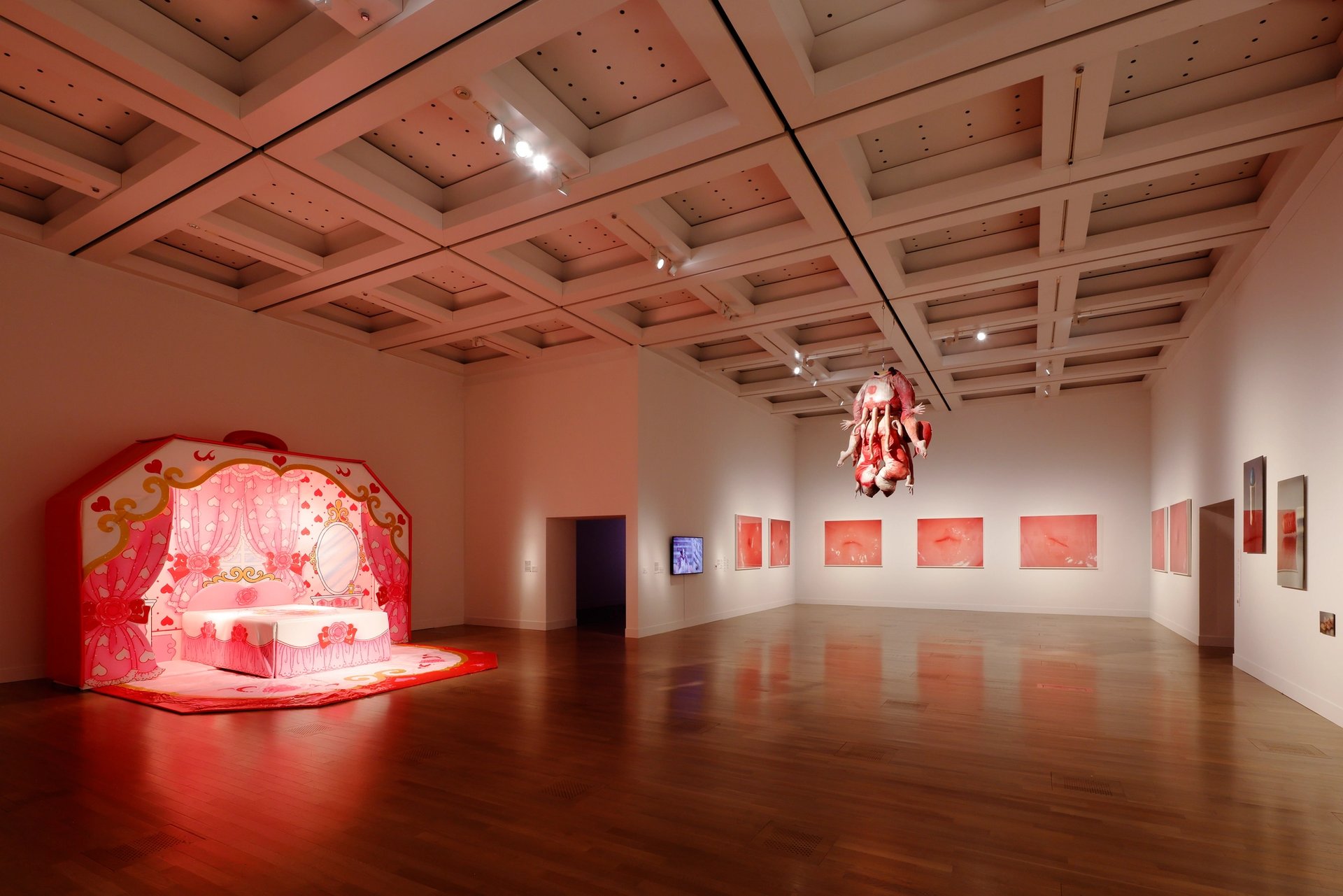
Lee Bul's suit from Sorry for suffering - You think I'm a puppy on a picnic? on view in Prism of the Real: Making Art in Japan 1989–2010 at the National Art Center, Tokyo Photo: Keizo Kioku
It is easy to forget today how Japanese contemporary art of the 1990s impacted the then nascent cultural scenes in the rest of East Asia, and Prism of the Real recalls that history and runs through periods when the exchange became more equal, such as with 2008’s Xijing Men, a whimsical collaboration between Japan’s Tsuyoshi Ozawa, Korea’s Gimhongsok and China’s Chen Xiaoxiong, finding common ground in repudiating Olympic nationalism through invented absurdist sports despite lacking a common language.
The show also traces social changes in Japan, including gender shifts and the country's contradictory identity as a coloniser who was colonised. Immigration in Japan finds a voice through Navin Rawanchaikul, a Thai artist who lived for several years in Fukuoka and documented daily life there.
In the period covered by the exhibition, Hong Kong, despite its auction and antiques industry, was considered a footnote, with little foreshadowing of the creative and commercial powerhouse it has since become. After the 1997 handover from British to mainland Chinese rule, Raffel recalls, Hong Kong was “deciding that culture was really important”. The first chief executive of Hong Kong post-1997, Tung Chee-Hwa, established the idea for the West Kowloon Cultural District, which includes M+. “It is amazing,” Raffel says, “[to] keep one of the most valuable parcels of land in the world for cultural development, because he said: we need cultural institutions to know who we are.”
That decision in the 1990s aimed to build up Hong Kong as a cultural contender, and “understanding that to be a major global city, you needed to have major cultural institutions”, though they would not reach fruition until the 2020s. Beyond “knowing that culture is a very important part of building cities, it also recognises that you remember who you are because of culture”.
Despite M+’s involvement, Prism of the Real is not scheduled to travel to Hong Kong or elsewhere. “I think the exhibition was made for Tokyo, and for audiences here,” Raffel says. Works in the show draw from M+'s collections as well as a myriad of other Japanese museums and private collections. “It has been very nice to see the richness of the Japanese museum collections… I think a lot about how important it is to activate those institutions across Japan which have amazing holdings.”
According to Raffel, Japanese art of the era reflects how “these were periods of drastic turmoil and change, but they also proposed incredible possibilities. And the artists just grasped very much that.”