In 1986, the United States was projecting swagger. Markets were booming, the networks broadcast American exceptionalism, and the outward presentation of nationhood was lacquered with optimism. The surface was peak Reagan-era gloss—shoulder pads, flag-waving patriotism and synthesizers—while underneath the country was wrestling with fear, scandal and the slow cracking of old certainties. The official self-portrait was sleek, triumphant and airbrushed, but Nan Goldin and Richard Avedon were looking elsewhere.
Goldin’s The Ballad of Sexual Dependency and Avedon’s In the American West, both of which were published as books that year, offered radically different viewpoints on American life. And now these two celebrated works are about to go on show in two separate London exhibitions, as Gagosian marks the 40th anniversary of their publication.
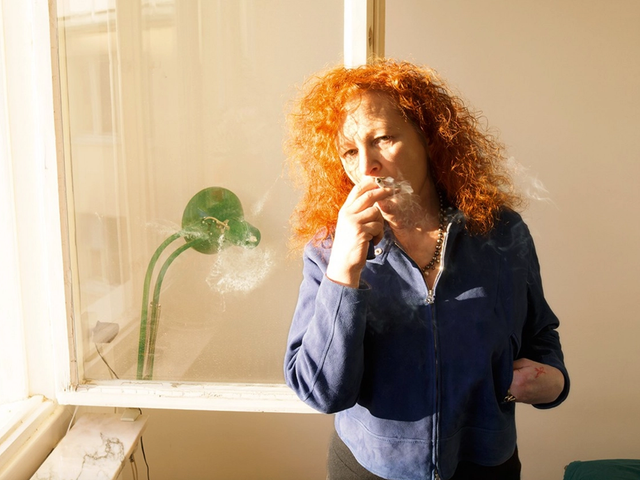
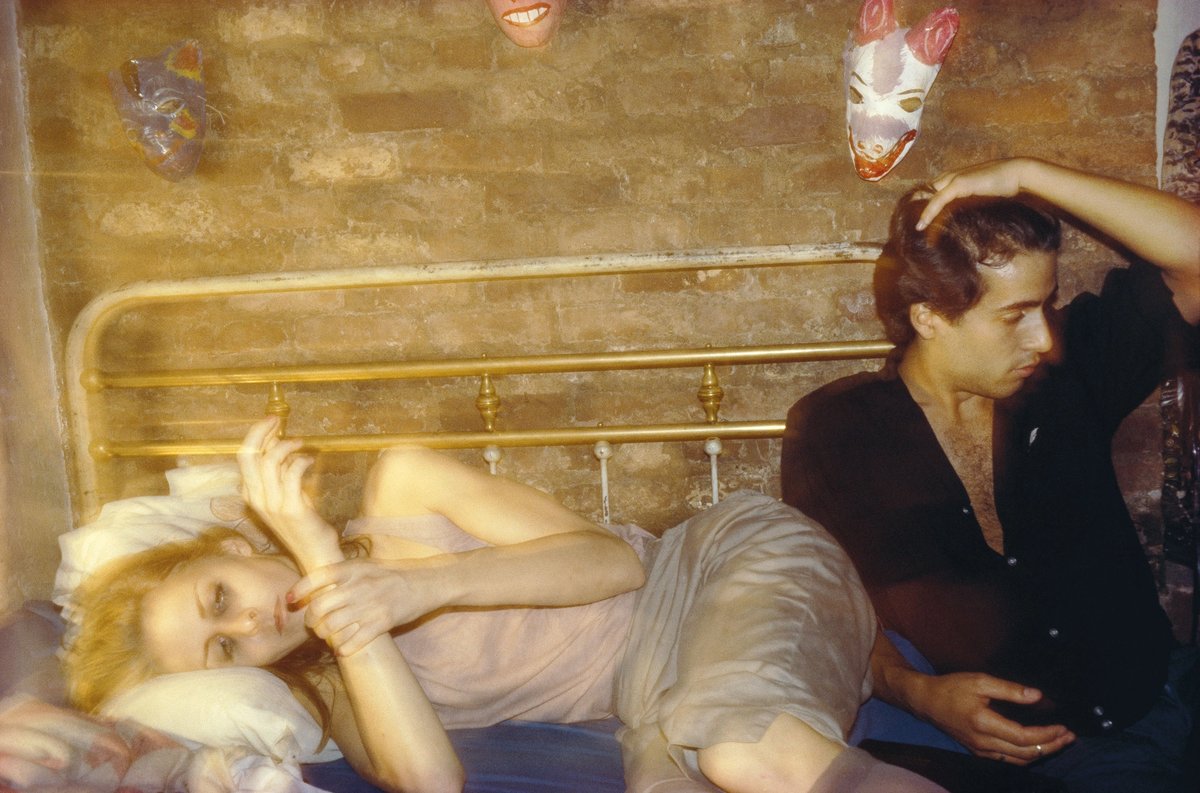
At Gagosian Davies Street from January, The Ballad of Sexual Dependency will be shown in its entirety for the first time in the UK as a set of 126 prints. Created between 1973 and 1986, Goldin’s photographs chronicle her downtown New York circle with diaristic immediacy: lovers, friends, drag queens, addicts, all navigating desire, violence, tenderness and the shadow of the AIDS crisis. Saturated with colour and proximity, the images collapsed the distance between photographer and subject.
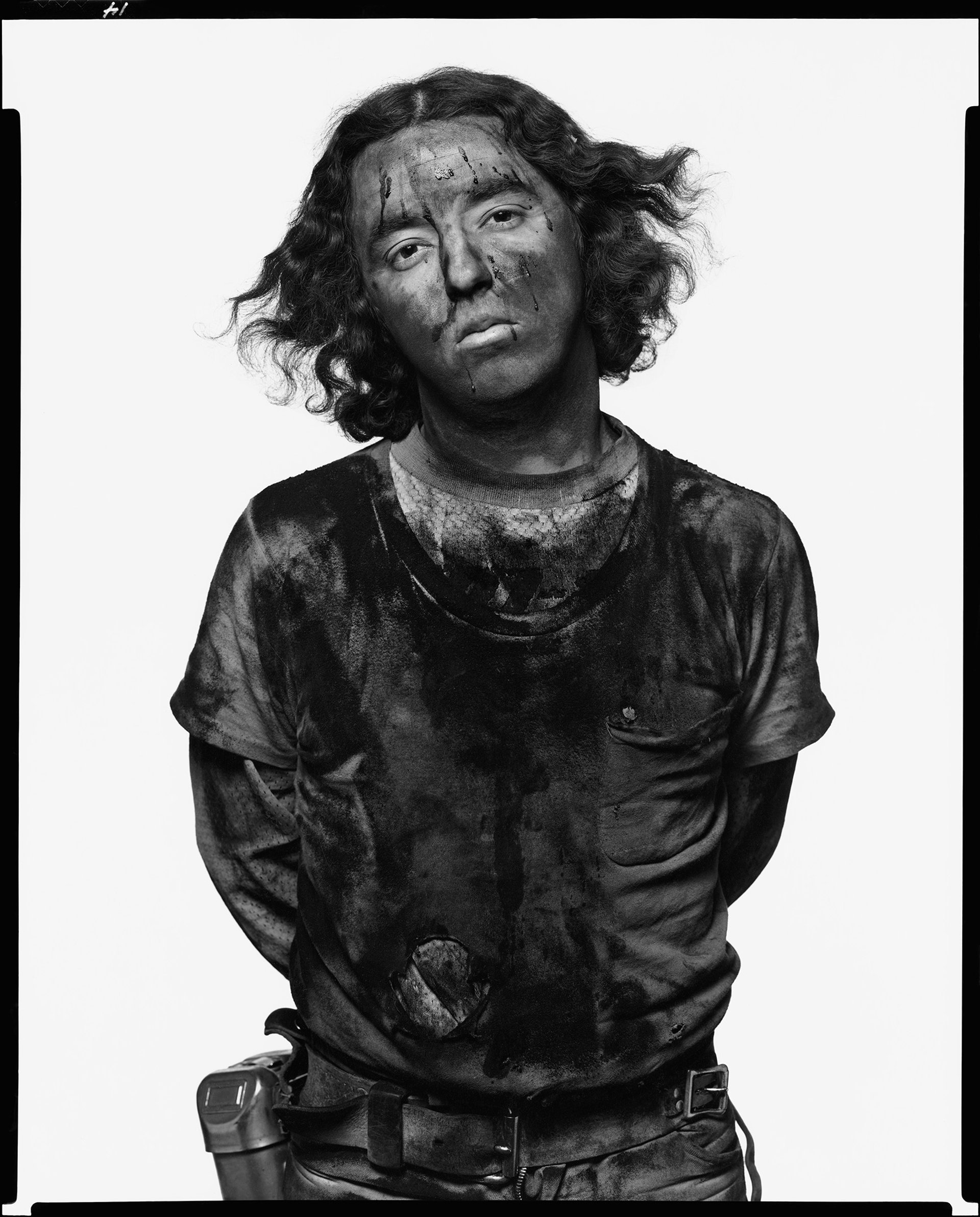
James Story, coal miner, Somerset, Colorado, December 18, 1979
Photograph by Richard Avedon. © The Richard Avedon Foundation
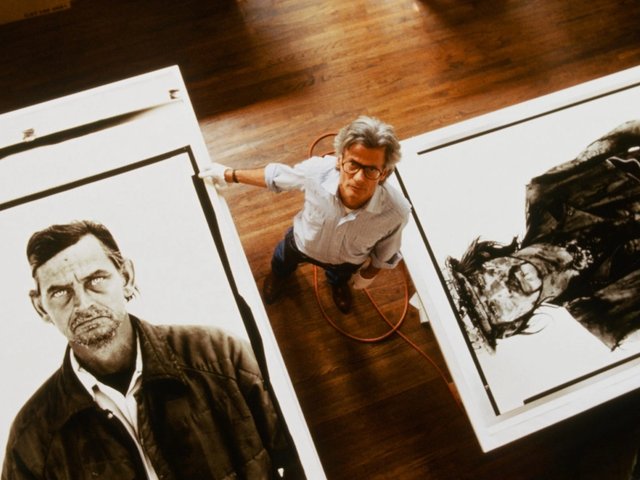
Avedon’s process demanded attention, placing his large wooden view camera before his subjects and slowing everything down to extract those hyper-detailed images. At Gagosian Grosvenor Hill, Richard Avedon: Facing West revisits this vast portrait of working-class America. Commissioned by the Amon Carter Museum, the series took Avedon through five years and 21 states, posing coal miners, waitresses, meat packers, drifters and migrant labourers against his now-famous white backdrop. The resulting photographs—21 of which are on show, including several unseen since 1985—stripped away myth and sentiment to present a flip side to the decade’s rhetoric of unbridled prosperity.
Seen together, they form a kind of unofficial diptych of the era—two radically different gazes, both undermining the glossy, self-satisfied version of America circulating at the time of their publication. Avedon looks outward, toward the vast spaces and labouring bodies of the West; Goldin looks inward, into the cramped apartments, bars, bedrooms and bathrooms of her downtown New York circle. Yet both are excavating the same basic truth: the country was far messier, more vulnerable and more fractured than the national mood allowed.
Avedon explained that he wanted to strip the West of its mythology—not Hollywood cowboys but real people bearing the marks of labour and survival. The monochrome and seamless white backdrop removed all romanticism or scenery, leaving only the person. Goldin’s approach was the opposite. “I don’t select people in order to photograph them; I photograph directly from my life,” she says now, reflecting on the making of her magnum opus. “These pictures come out of relationships, not observation. They are an invitation to my world, but now they have become a record of the generation that was lost.
“To show The Ballad in its entirety 40 years after I published the book is to reaffirm that desire for transformation and the difficulty of connection and coupling are still true to our world. I’m still impressed that generation after generation finds their own stories in The Ballad, keeping it alive.”
- The Ballad of Sexual Dependency, Gagosian Davies Street, London, 13 January-21 March
- Richard Avedon: Facing West, Gagosian Grosvenor Hill, 15 January-14 March.