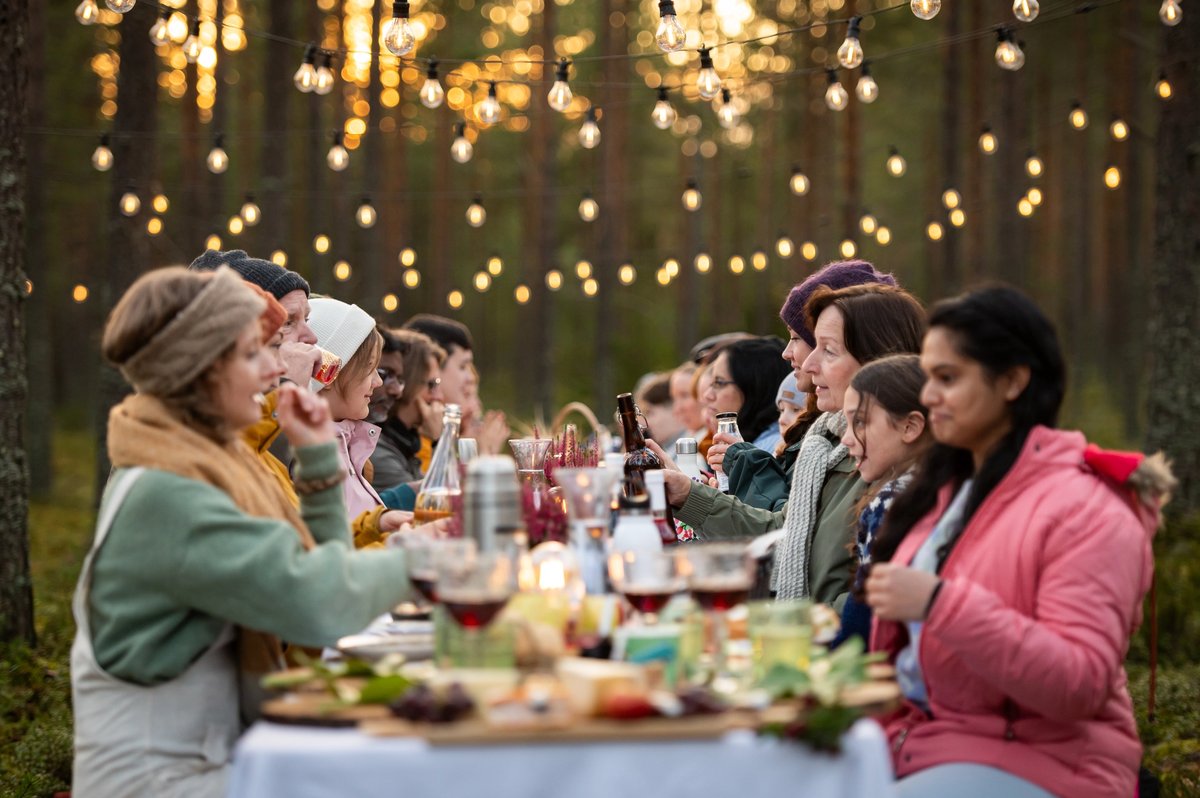
Next year’s European Capital of Culture will be held in one of the most northerly cities in the world. Oulu is a port city in the north of Finland, just over 100 miles from the Arctic Circle. In 2026 it will be taken over by more than 3,000 events, from art exhibitions to food festivals, providing a blast of “northern spirit and northern creativity that you cannot experience anywhere else” says Samu Forsblom, the programme director of Oulu2026.
The European Capital of Culture project has been running since 1985, and every year shines a light on two cities within the European Union (EU). At first the title was given to long-established cultural centres such as Athens, Amsterdam and Florence. But in recent years it has been used to spur regeneration and bring attention to lesser-known parts of the continent. Oulu has been chosen for 2026, alongside Trenčín in Slovakia.
“We saw this [as an] opportunity because we live in the most northern part of Europe—which is a strength but also a weakness,” Forsblom says. “Young people are raised here and study here but then they start to see possibilities in bigger cities, in the capital or on a European level. So, we wanted to develop our area with cultural activity for the future.”
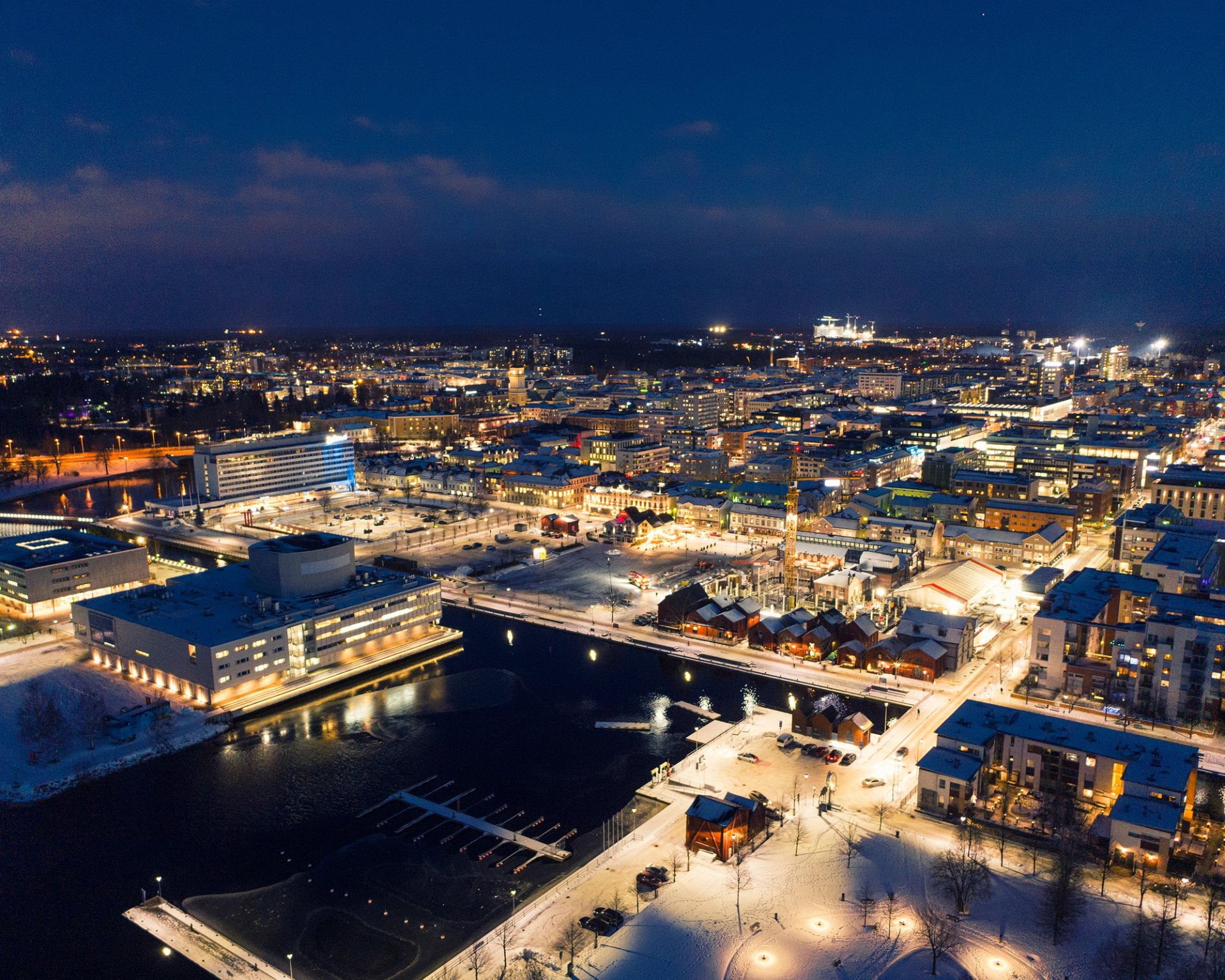
Oulu's year as European Capital of Culture 2026 will kick off with an opening festival from 16 to 18 January Photo: Harri Tarvainen
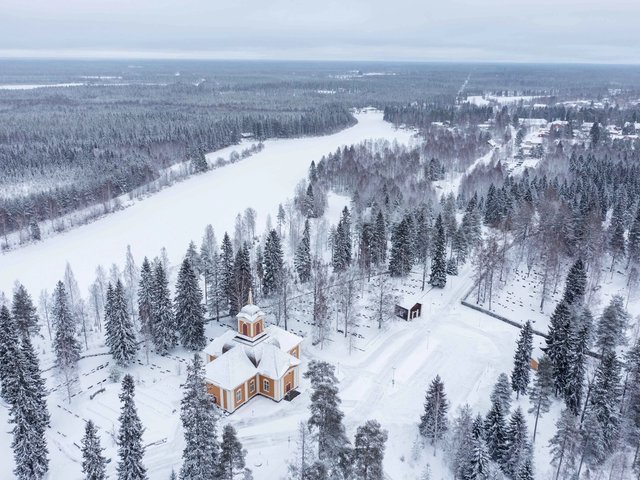
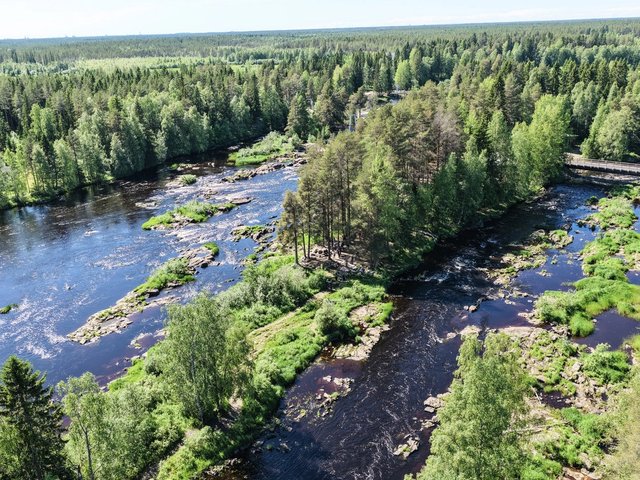
Oulu has a lot to recommend it, Forsblom says. It was recently found to have the cleanest air quality of any European city, and “still has four seasons”. Winter is as dark and cold as you might expect so far north, with the frozen sea providing the venue for an electronic music festival (Frozen People, 28 February 2026). But summer is relatively mild, with temperatures sometimes in the high 20-degrees Celsius (high 70-degrees Fahrenheit). “Oulu is a mini-sized Finland in many ways,” Forsblom says. “We have the seaside but also Arctic nature, mountains and lakes. It’s a combination of Arctic city and urban city, which I think makes it interesting.”
Although Oulu is not in the traditional territory of the Sámi people, the only recognised Indigenous group in the EU, many of them call the city home. That will be reflected in the 2026 events, including an exhibition of Sámi art at the Oulu Museum of Art (Eanangiella: Voice of the Land, 16 January-3 May 2026) and the premiere of a new opera by the Sámi National Theatre Beaivváš.
As well as the city of Oulu itself, events will also take place across 39 adjoining municipalities, and one of the biggest projects will take visitors on a vast, 200km tour across the region. Climate Clock is a trail of seven new permanent works, commissioned from well-known international artists who have worked with scientists to understand the natural environment in which they are displayed, and to capture our changing relationship to nature through art. For example, Oulu-based artist Antti Laitinen has created circular openings in tree branches, inspired by the circular symbol that indicates our location on a map, while the Danish collective SUPERFLEX has created a sculpture that reads out the Finnish translation of The Odyssey by Homer at the rate of one word an hour. Other commissioned artists include Ranti Bam, Rana Begum, Takahiro Iwasaki, Gabriel Kuri, Tellervo Kalleinen and Oliver Kochta-Kalleinen.
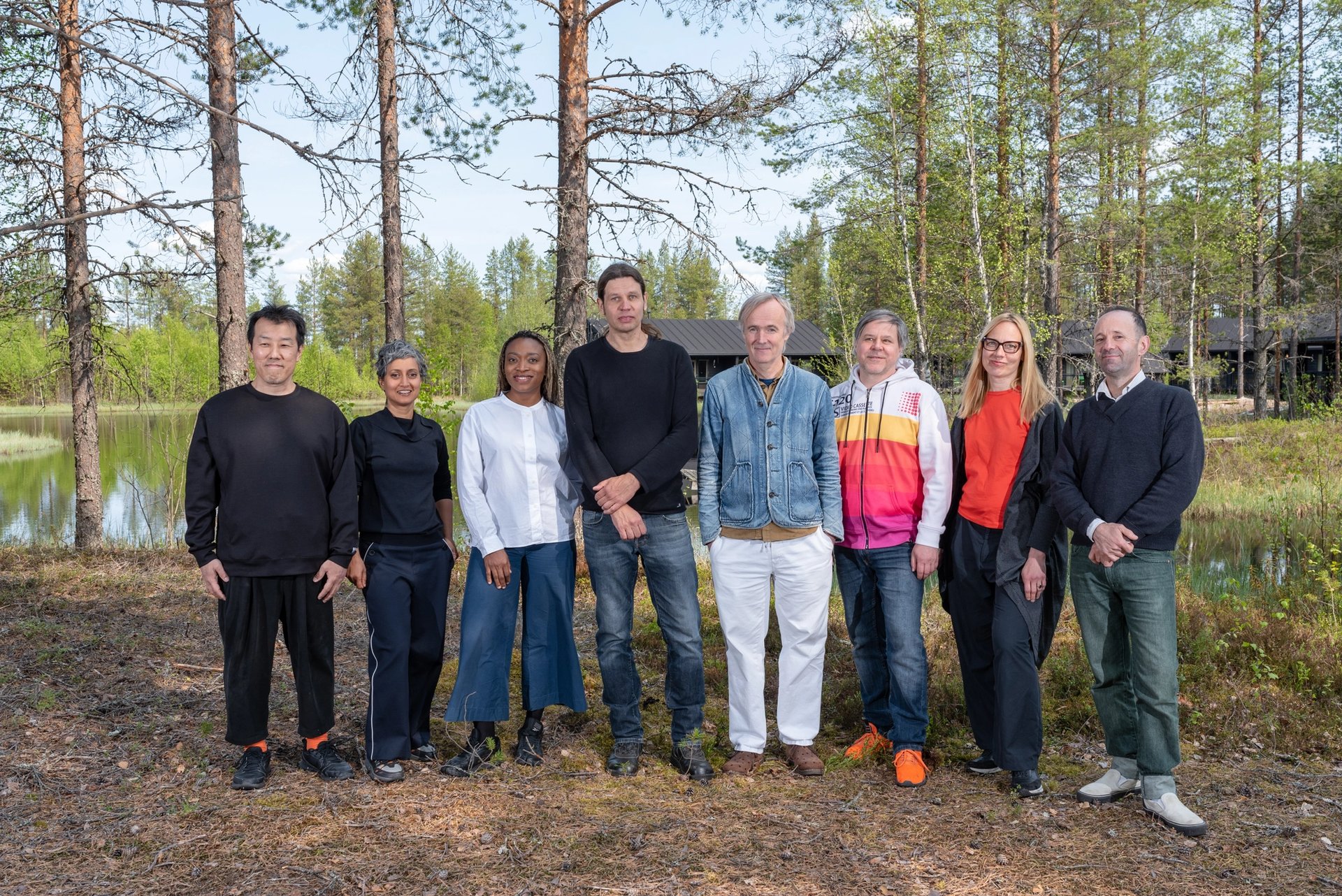
Climate Clock is a trail of seven new permanent works, commissioned from well-known international artists. From left: Takahiro Iwasaki, Rana Begum, Ranti Bam, Antti Laitinen, Rasmus Rosengren Nielsen of Superflex, Oliver Kochta-Kalleinen, Tellervo Kalleinen and Gabriel Kuri. Photographer: Kevin Kallombo
Back in the city centre, art will find its way into unusual locations. The still-operating Oulu city hall will be host to the immersive work Layers in the Peace Machine by Ekho Collective. Fotografiska, the international network of photography museums, will host a pop-up exhibition in the Pekuri shopping mall. And the Danish artist Jakob Kudsk Steensen will take over part of Oulu’s central underground car park, turning it into a simulated virtual world that references several vanishing sub-Arctic ecosystems.
Steensen’s work connects to one of the themes of the year: the bringing together of art and technology. The University of Oulu is highly regarded for its IT courses, while Nokia is a prominent local employer; the European Capital of Culture events will allow the city to draw upon these strengths.
Elsewhere in the city, a rare industrial building by one of Finland’s cultural superstars, the architect Alvar Aalto, is being rescued and restored. The disused silo has been bought by the Madrid-based Factum Foundation, which is turning it into an arts centre housing international artists and performances. “It’s in the middle of a suburb with a lot of social challenges,” says Forsblom, so it will have a role in community outreach. “I see this as a big part of our legacy after this year.”
There are hundreds more events planned, of all shapes and sizes, many free, but all drawing on Oulu’s unique situation and environment. “In a world where everyone has visited places like Paris, London and New York, this is totally something else,” says Forsblom. “Visiting the northern parts of Europe gives you a completely different angle to many things.”
• For full listings and event dates, visit oulu2026.eu