The Barbican Centre in London, a Brutalist landmark which houses three gallery spaces, will close for a year from June 2028 as part of a £240m refurbishment.
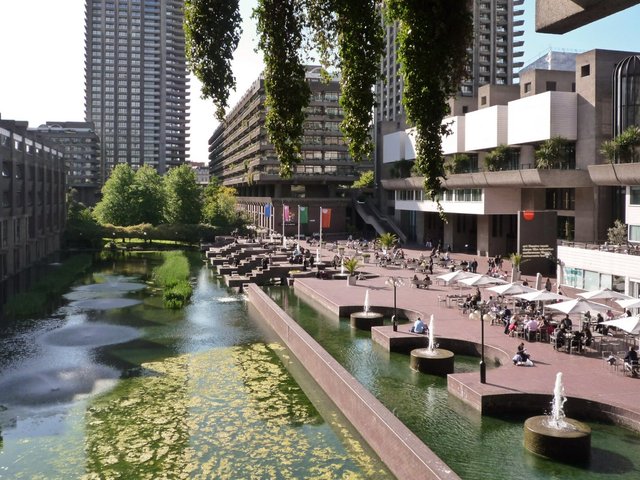
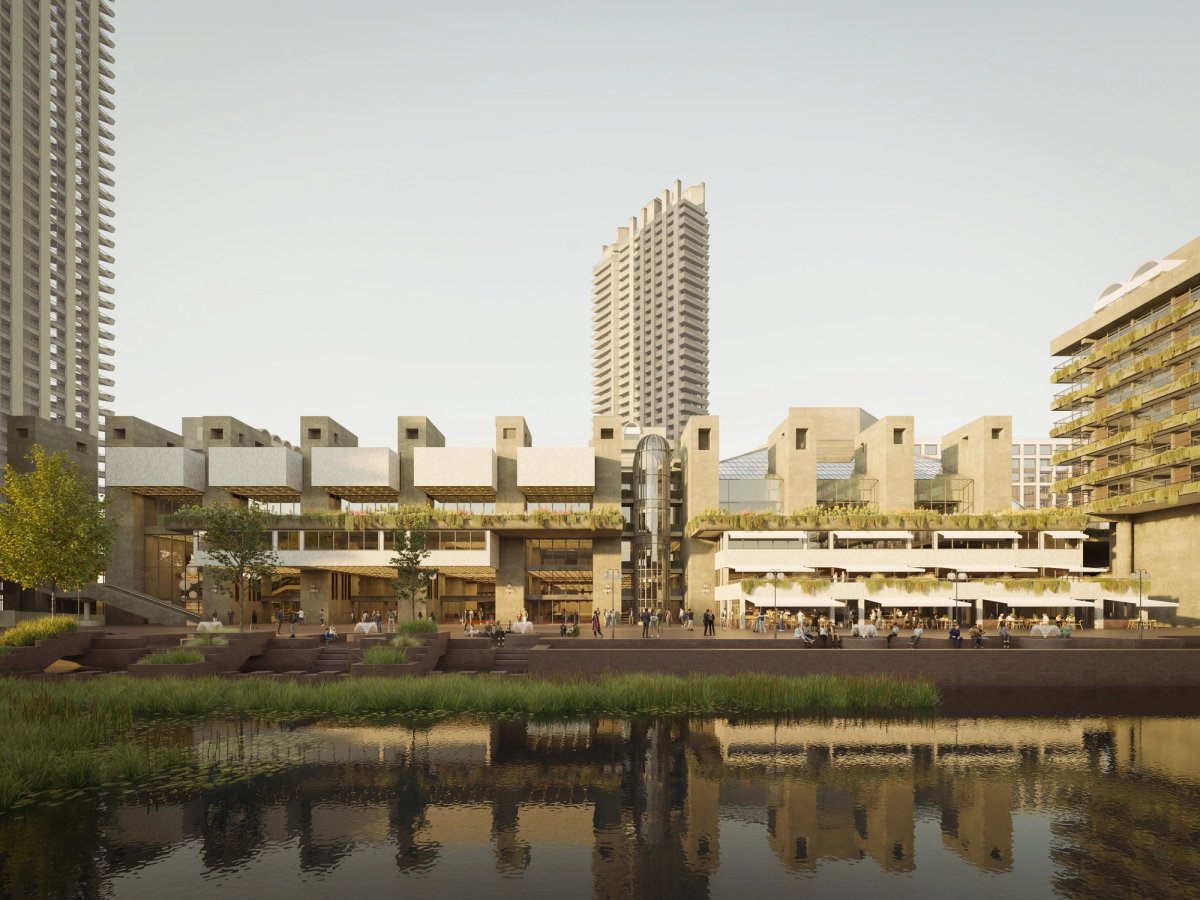
The Barbican’s foyers, lakeside terrace and conservatory will be renovated during the first phase of the 'Barbican Renewal Programme' (2025-2030) which will open up public spaces, create new experiences and upgrade vital infrastructure, a project statement says. The centre houses the Barbican Art Gallery, the Curve, and the Level 2 gallery.
The City of London Corporation has contributed £191m, which represents around 80% of the funding needed for the first five-year phase (the remainder is due to be raised through a fundraising campaign).
“The City of London Corporation has approved a concentrated period of works which will mean that the majority of our spaces will be under construction and not accessible for roughly one year, between the end of June 2028 and the end of June 2029. This approach ensures that Renewal will be delivered safely, on time and on budget,” a Barbican spokesperson says.
Asked if off-site art programmes are planned during the closure, the spokesperson adds: “Now we have the green light on the delivery plan for the Renewal programme, we’re looking at how we collaborate with partners differently and go beyond our walls, across art forms, during construction and beyond.”
The Barbican’s cinemas on Beech Street will remain open during the one-year closure while the adjoining residential estate will remain publicly accessible. The Barbican, a non-profit organisation, was opened in 1982 by Queen Elizabeth II, who hailed it as “one of the wonders of the modern world”; the centre celebrates its 50th anniversary in 2032.
Next year, the Barbican will present the first UK retrospective of the Colombian artist Beatriz González (25 February-10 May). The first UK public commission by Colombian artist Delcy Morelos will also be unveiled at the Barbican’s outdoor Sculpture Court next year (15 May-31 July 2026). Meanwhile, as part of the Encounters: Giacometti series, the US sculptor Lynda Benglis will present a body of previously unseen works alongside her own selection of Alberto Giacometti’s sculptures (12 February-31 May).