In August 2024, the art collective MSCHF launched its latest provocation: it had purchased a young cow named Angus. The calf, MSCHF explained, would be presold as 1,200 hamburgers and four leather handbags dubbed “Angus Tokens” to be produced once the animal reached slaughtering age. The catch? If over half of the buyers cancel their purchases by 13 March 2026 via an online “remorse portal”, Angus will be saved and live the rest of his life in an animal sanctuary. With just over two months left, the cow’s fate appears bleak as currently less than a third of buyers (31.8% as of this writing) have opted to save Angus.
Our Cow Angus, as the project is called, aims to draw attention to the realities of the food industry. According to the United States Department of Agriculture, roughly 32 million cattle and calves were slaughtered in the country for beef production in 2024. On Angus’s website, MSCHF notes the impact of meat consumption on climate change.
“Much of MSCHF's work revolves around creating fantastic economic transactions and relationships in the business-product-consumer triad; it’s central to such speculative/critical commercial arrangements that we do exactly what we say we will,” MSCHF co-founder Kevin Wiesner tells The Art Newspaper.
By making Angus a spectacle, MSCHF has conceptually narrowed the gap between consumption and production, rendering his circumstances a microcosm of what happens on an immense scale globally. While humane slaughter regulations exist, exposés and documentaries abound that reveal deplorable conditions for many animals bred for slaughter. Indeed, the artists attest that Angus has been spared from these poor conditions, spending his first two years of life on a vast farm “frolicking with nary a care”, as reported in his online photo diary.
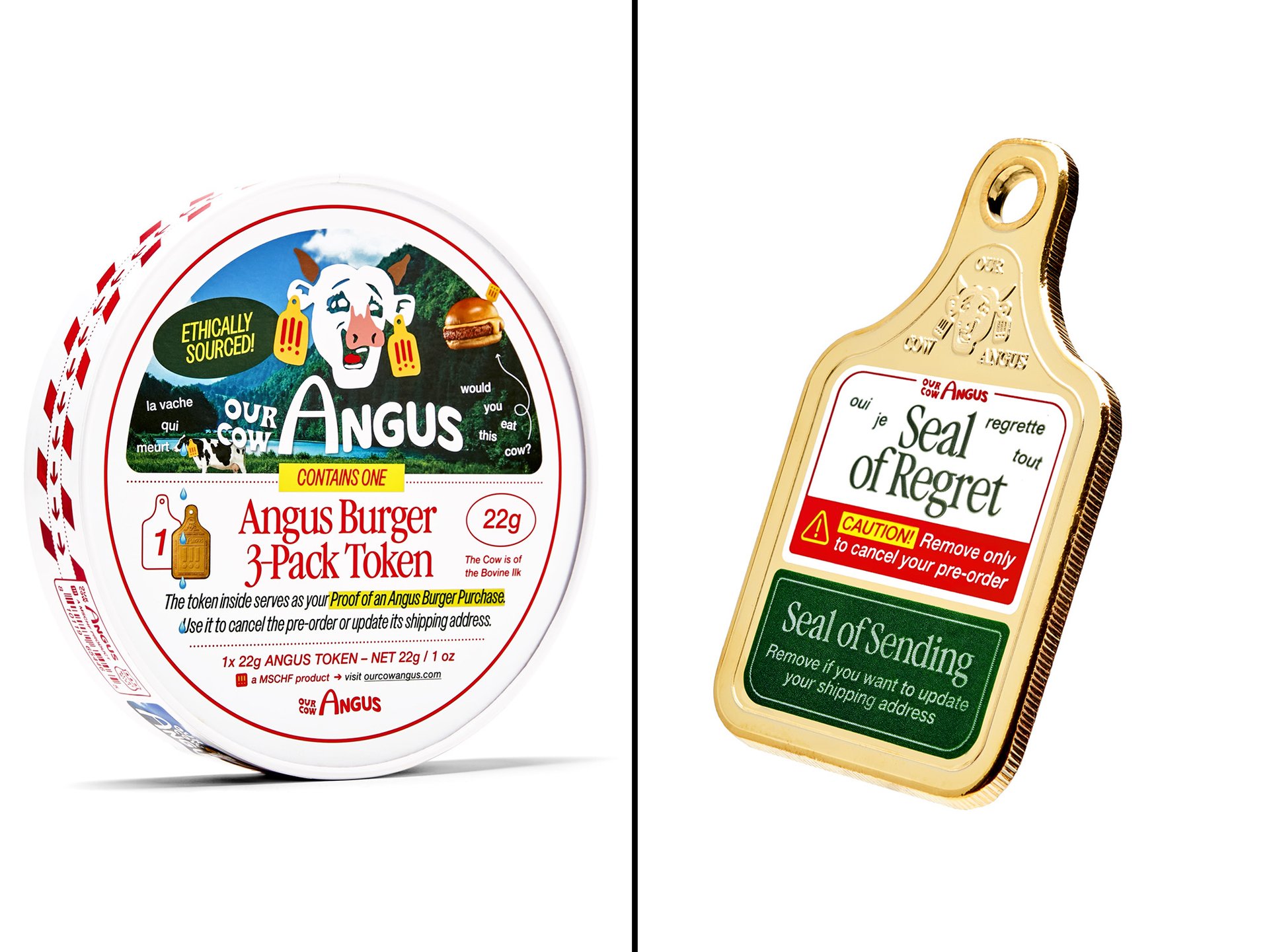
A burger token (right) and burger token packaging (left) for MSCHF's project Our Cow Angus (2024-26) Courtesy MSCHF
Online reactions on platforms like Reddit, Discord and Instagram have varied from enthusiastic to enraged, with some calling the project a cruel social experiment and even a marketing scam. Others have implored commenters to consider their own meat consumption, noting that Angus is just one cow.
“People are certainly taken with Angus, and we continue to be asked about him frequently,” Wiesner says. “My favourite was a group of students who kept mis-naming the project ‘Our Friend Angus’.”
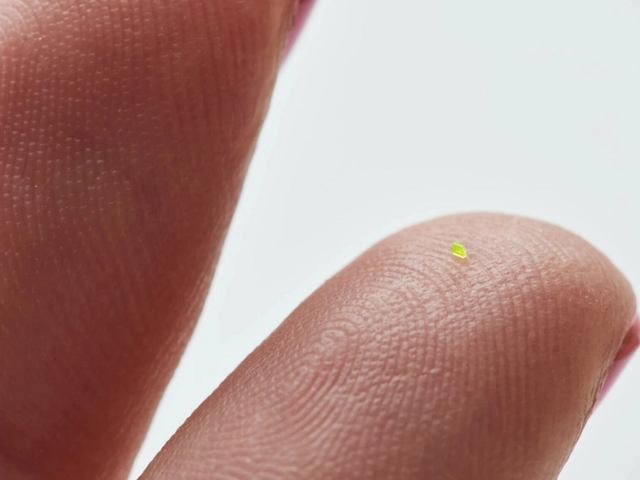
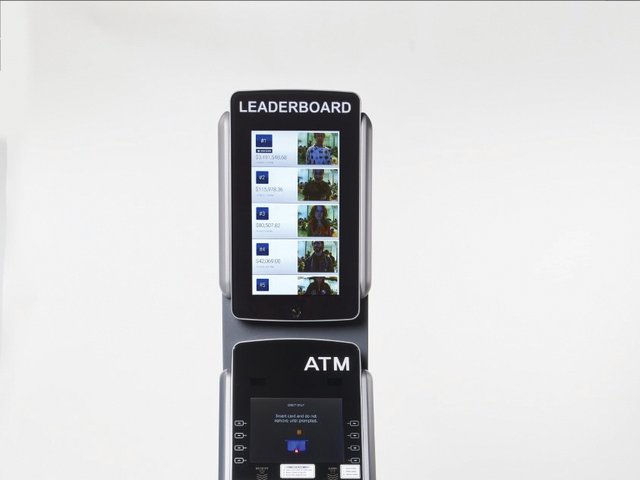
MSCHF is known for cooking up projects that elicit strong responses. In 2022, the group installed an ATM at Art Basel Miami Beach with Perrotin that ranked users by the funds in their bank accounts, displaying the amount publicly on the screen in an absurd gamification of wealth. The following year, MSCHF created a microscopic Louis Vuitton handbag barely visible to the naked eye to critique the fashion industry. In perhaps its most contentious endeavour, MSCHF partnered with musician Lil Nas X to create custom Nike shoes with satanic imagery and a drop of human blood. The project garnered significant backlash, including a lawsuit from Nike and disapproval from People for the Ethical Treatment of Animals (Peta).
While Peta did not respond to a request for comment regarding Our Cow Angus, the organisation told Fast Company in 2024: “At a time when most people wish to see violence diffused, it’s shameful for MSCHF to make a game out of snuffing out a life.”
For its part, MSCHF says Our Cow Angus is about “actionable individual regret”. While the collective technically has control over Angus’s fate, it plans to uphold the decisions of the buyers. “We will absolutely turn Angus into burgers and bags and fulfil everyone’s orders if it comes to it,” says Wiesner.
So far, he adds, the return of Angus Tokens have been better than the group expected. One of the handbags originally purchased for $1,200 has been returned, which represents 12.5% of the total shares, as handbags are given a significantly higher voting share than hamburgers.
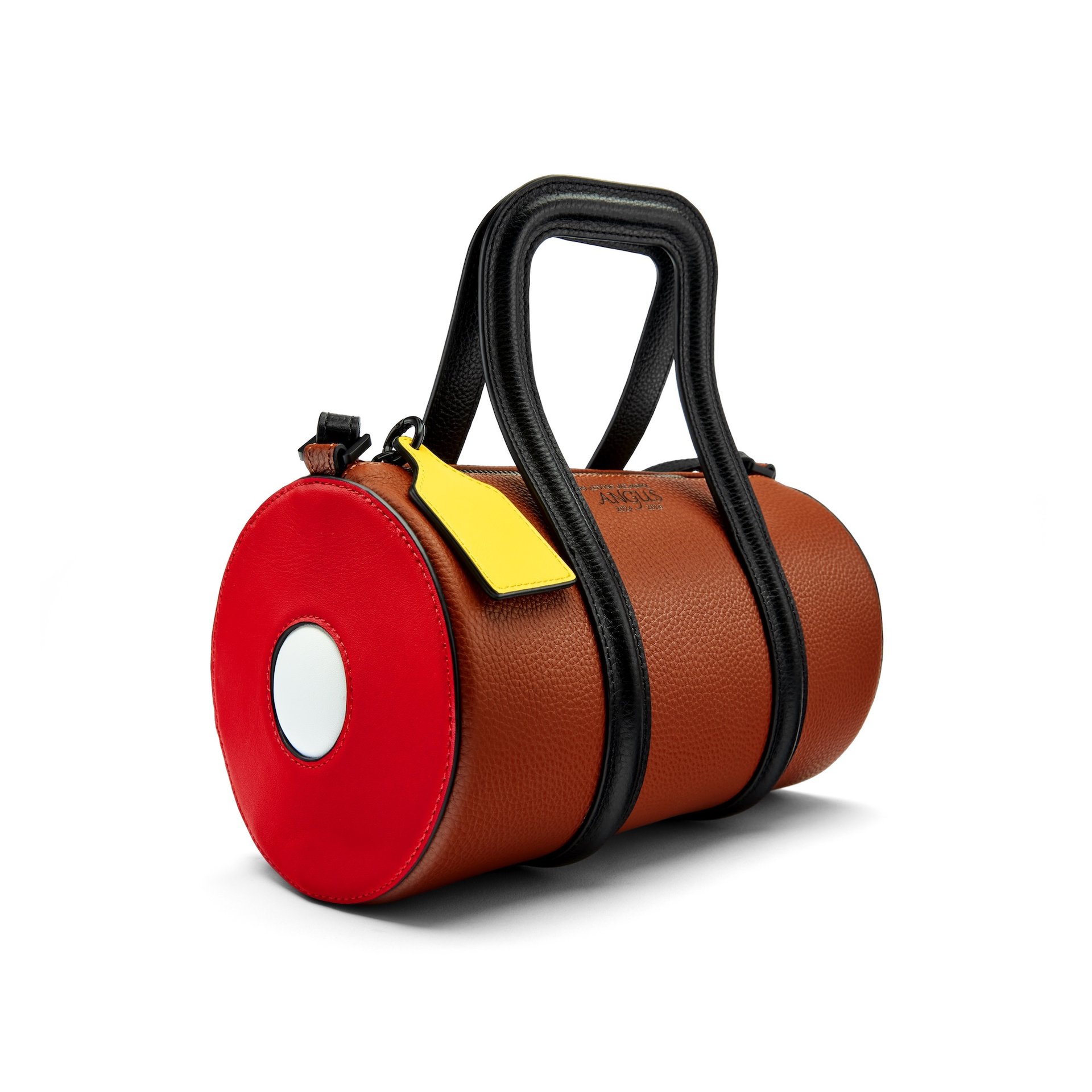
The design for the handbags that four buyers will receive if MSCHF's project Our Cow Angus (2024-26) continues on its current trajectory Courtesy MSCHF
“From messages we’ve observed in Discord, one of the other Angus Bag holders has professed that if their bag would save Angus, they will give it up to complete the vote,” says Wiesner. “If true, Angus ‘only’ needs to gain another 18.2% 'save' vote before reaching that threshold.”
Notably, Angus Tokens can be resold, meaning that although the original products sold out, anyone who buys the tokens on the secondary market can have a say in the cow’s future.
“It gives someone motivated to save Angus the ability to buy and subsequently give up multiple Angus Tokens, multiplying their contribution towards preserving his life,” Wiesner says. “We thought it possible, for example, that an organisation like Peta might take financial action to save him. At its core, Our Cow Angus is about consumerism, and secondary market transactions are an important layer of that.”
Unsurprisingly, the project’s resale prices have increased significantly. As of this writing a token representing a three-pack of hamburgers that originally sold for $35 is on offer for $298 on StockX. Currently, none of the four handbags representing the highest voting percentage are on offer, and the outlook for Angus looks tough as leather.