The National Trust has received the largest cash donation in its 131-year history, a £10m unrestricted gift from philanthropist Humphrey Battcock, as it sets out an expansive programme for 2026 that places renewed emphasis on historic buildings, collections and cultural access alongside nature recovery.
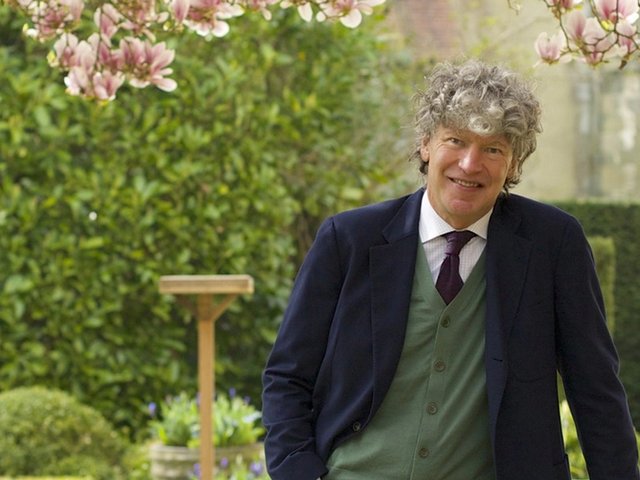
Battcock said the trust had been at the “vanguard of progress” in the UK, praising its “deep commitment to sustainability and to providing access for more people”. Crucially, the donation comes without conditions. “I will have no say over how the charity spends it,” he said. “And that is because I trust the National Trust to know how best this money can be used.”
For the trust, the flexibility is significant. Apart from legacies, only 2.6% of its fundraising income is unrestricted. Hilary McGrady, director-general of the National Trust, described the gift as “a huge boost”, both practically and symbolically. “The faith Humphrey has shown in our approach by making it unrestricted” was especially important, she said, as the charity pursues the ambitions set out in its ten-year strategy.
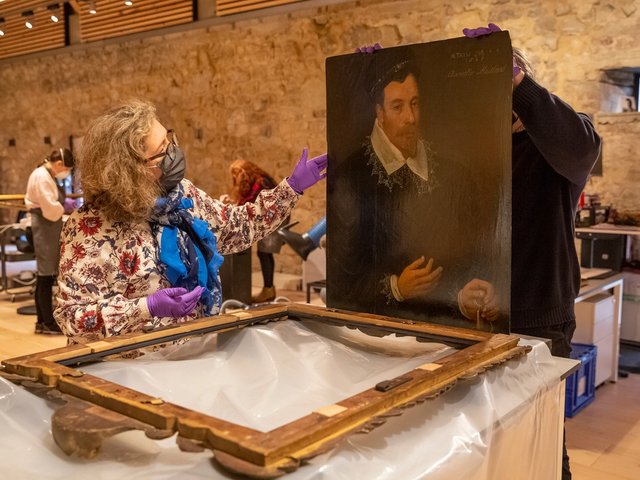
Cultural programming inside historic houses will form a major strand of these plans. The trust will revive libraries and reading rooms at properties including Wightwick Manor, Powis Castle and Kingston Lacy, some of which have never been used for reading by the public. It will build on its “slow-looking” approach to its art collections by introducing more seating. Visitors will be encouraged to sit, read and spend longer engaging with collections.
Three concurrent textile exhibitions, titled Journeys, will run from May at Dyrham Park, Osterley Park and House, and Blickling Estate. Curated in partnership with collector and writer Karun Thakar, they will use textiles to explore global histories of migration, trade and craftsmanship.
At Kedleston Hall, the exhibition How Did We Get Here? will examine the journeys of Tibetan objects and ideas, developed in collaboration with members of the Tibetan community living in Britain.
The conservation of Britain's natural environment is also an important part of the trust's remit and ten-year strategy. It has announced its intention to take on the operational management of Heartlands in Cornwall, a gateway to the Cornwall and West Devon Mining Landscape. The site forms part of the UK’s largest industrial World Heritage Site.
Plans for nature recovery for 2026 include licensed releases of beavers, expansion of white-tailed eagle populations, and urban initiatives such as a nationwide Sky Gardening Challenge. “We must halt the free-fall decline in nature before it becomes irreversible,” McGrady said, adding that access to “nature, beauty and history” should be “a right for everyone, not a privilege for a few.”