Gregor Hildebrandt: Gilardi Lilien
Casa Gilardi
3-28 February
Taking over the colourful Casa Gilardi, Luis Barragán’s last commissioned residence, built for the advertising executive Francisco Gilardi in the mid-1970s, the German artist Gregor Hildebrandt transforms the house’s stylish rooms with an ever-expanding exhibition of his enigmatic works across various media. Known for transforming outmoded analogue recording media—including audio cassettes, VHS tapes and vinyl records—into paintings, sculptures and large-scale installations, the Berlin-based artist’s conceptual works explore themes of memory, nostalgia and the physical representation of intangible sound and sight.
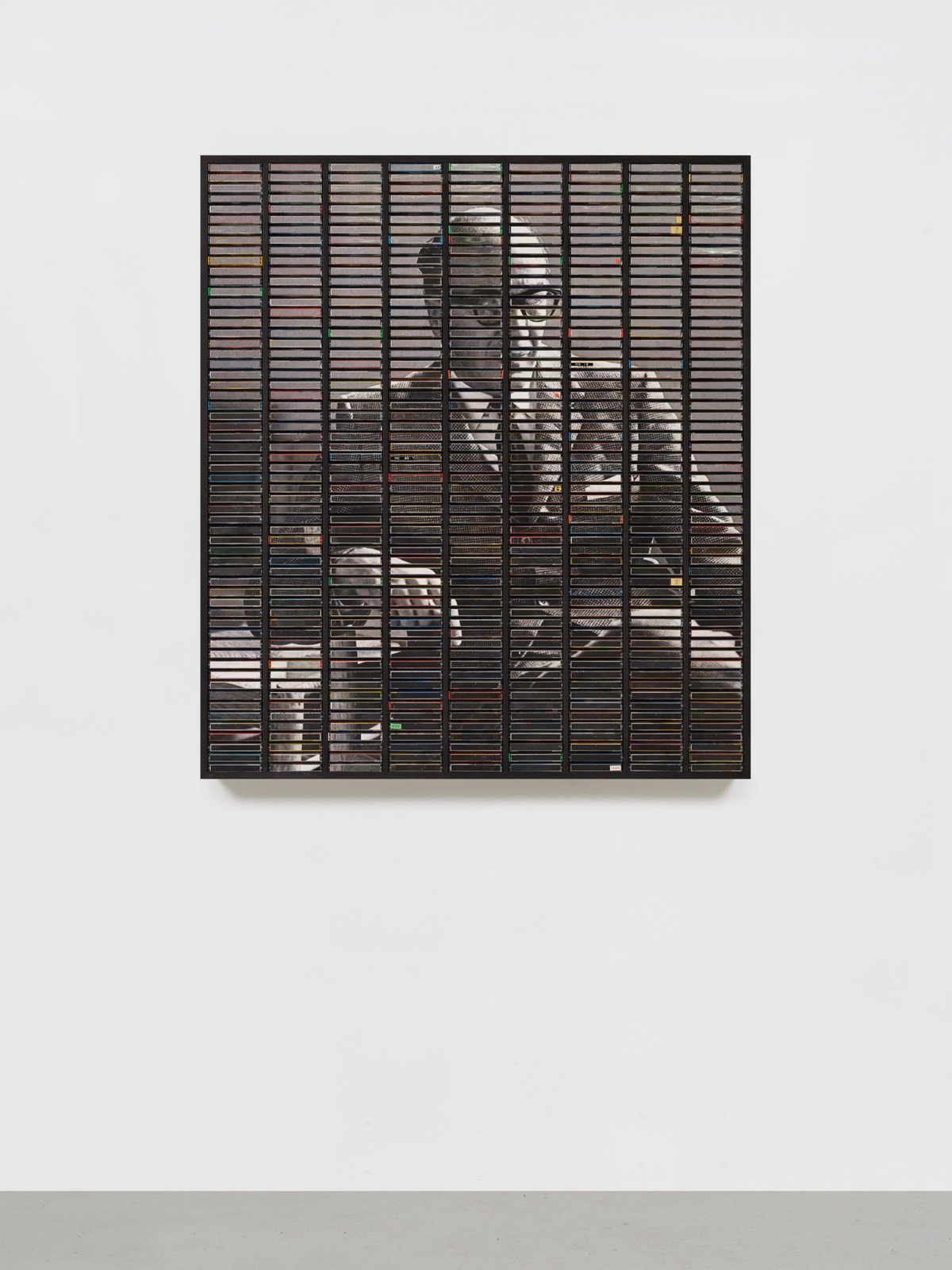
Presented by Mexico City’s Saenger Galería, the survey Gilardi Lilien (Gilardi Lilies) features more than 40 poetic works created between 2005 and 2025. Hildebrandt’s first major one-person exhibition in Mexico follows a solo stand with Perrotin at Zona Maco in 2019 and a two-person show with Alicja Kwade at the Museo de Arte de Zapopan in Guadalajara in 2023. This lively presentation features several of the artist’s signature Rip-off paintings and Brâncuși-like shaped record columns, in both vinyl and bronze, as well as a cassette-shelf portrait of Barragán.
The inventive Rip-off works, his painterly compositions created by transferring the magnetic coating of audio or videotape onto canvas with adhesive, include contrasting light and dark versions of a horse standing in a pond (a reference to Barragán’s love of riding and his famous Cuadra San Cristóbal equestrian complex) and a suite of works depicting a goat leaping for leaves on a tree, a reference to an ancient Persian vessel whose repeated imagery is considered the world’s oldest animation. Hildebrandt’s portrait of Barragán combines cassette cases with custom-printed inlays to form a gridded image inside a wooden case, which relates to a Mies van der Rohe portrait he created for a 2021 exhibition at a Berlin house designed by the German architect. Meanwhile, a new bronze work depicting an enlarged knight piece from a chess set reflects Barragán’s interest in horses and Hildebrandt’s love of the game. P.L.
Laura Anderson Barbata’s Untitled (1996), on view in the Museo Tamayo exhibition Photo by Pierre Le Hors; courtesy Museo Tamayo
Wayamou: Lenguas de lo común
Museo Tamayo
6 February-10 May
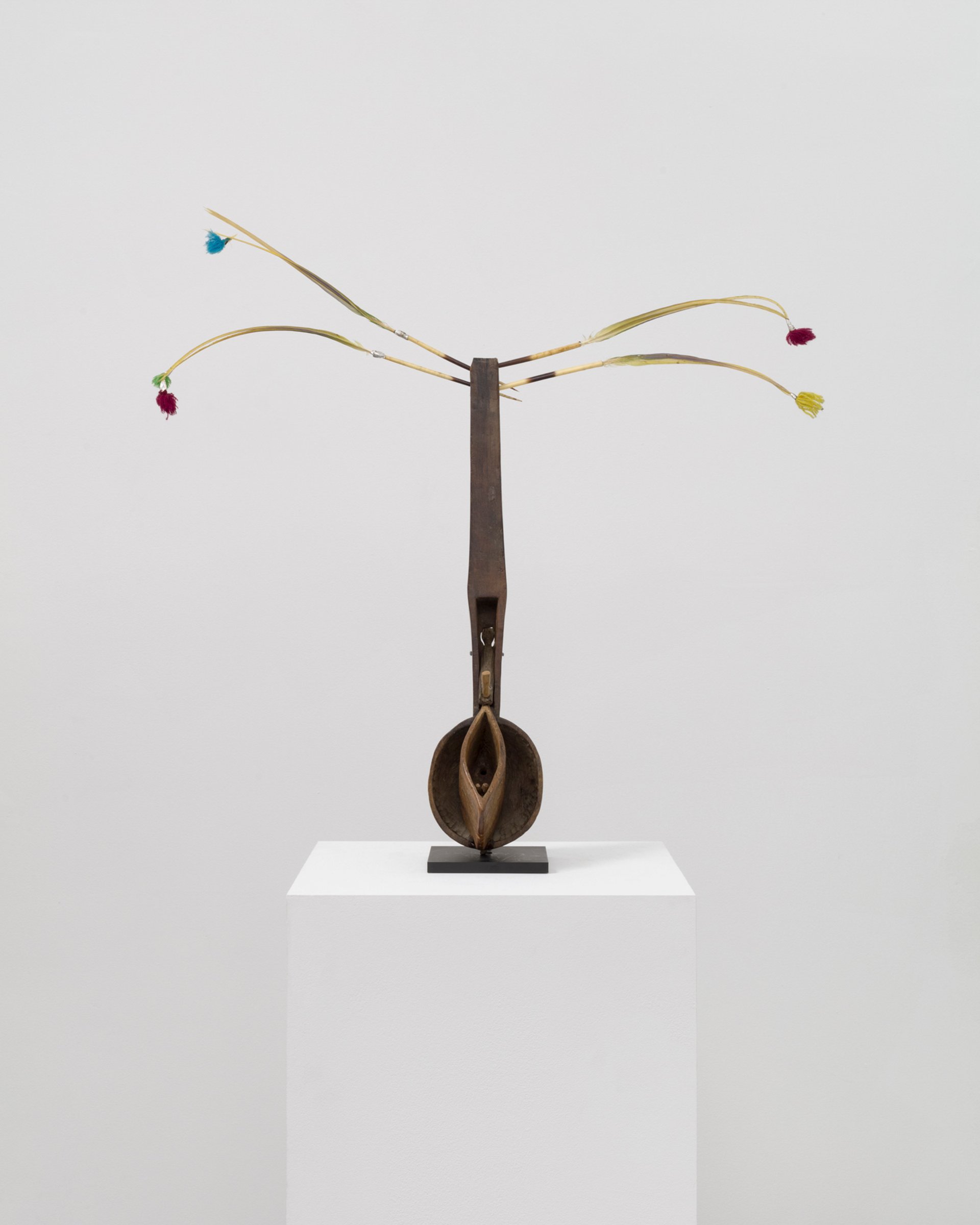
This two-artist exhibition’s title, wayamou, is a word from the language spoken by the Yanomami, an Indigenous community living in the Amazon rainforest along the border between Brazil and Venezuela. It refers to a type of ceremonial conversation between two people aimed at overcoming conflicts and maintaining peace.
It is especially apt for the Mexican artist Laura Anderson Barbata and the Yanomami artist Sheroanawe Hakihiiwe, who have been in a productive dialogue for more than three decades. They first met when Anderson Barbata learned traditional canoe-making techniques from the Ye’kuana community in Mahekoto-Theri (Platanal) and, in return, gave a community workshop on making paper with natural fibres, which Hakihiiwe attended and ultimately inspired him to become an artist. His paintings and drawings on handmade paper have only grown in scale and formal complexity since, including a selection depicting Amazonian animals and plants that was featured in the central exhibition at the 2022 Venice Biennale. Anderson
Barbata’s work, meanwhile, spans sculpture, textiles, works on paper, dance and street processions that address political, environmental and social justice issues. Both artists, fundamentally, are interested in how their work can spark conversations and deeper understanding regarding our relationships to our natural surroundings and each other. B.S.
Still from Nour Bishouty’s new film Catfish Mother Puddle of Juice (2026), which was shot across Mexico City and Toronto Photo by Melissa Nocetti; courtesy of the artist and Cooper Cole, Toronto
Nour Bishouty: Unlikely Mother
Museo Universitario del Chopo
Until 24 May
Since joining the Museo Universitario del Chopo as its chief curator last year, Miguel A. López has developed a unique curatorial programme for this storied university museum that is focused on drawing connections with Central America, championing trans voices and promoting artists from the Arab world and its diasporas. For Art Week, and in line with this vision, the museum’s cavernous central space will be devoted to the Jordanian-born artist Nour Bishouty’s solo exhibition Unlikely Mother, which offers an exploration of lineage, maternal relations and bodily expression.
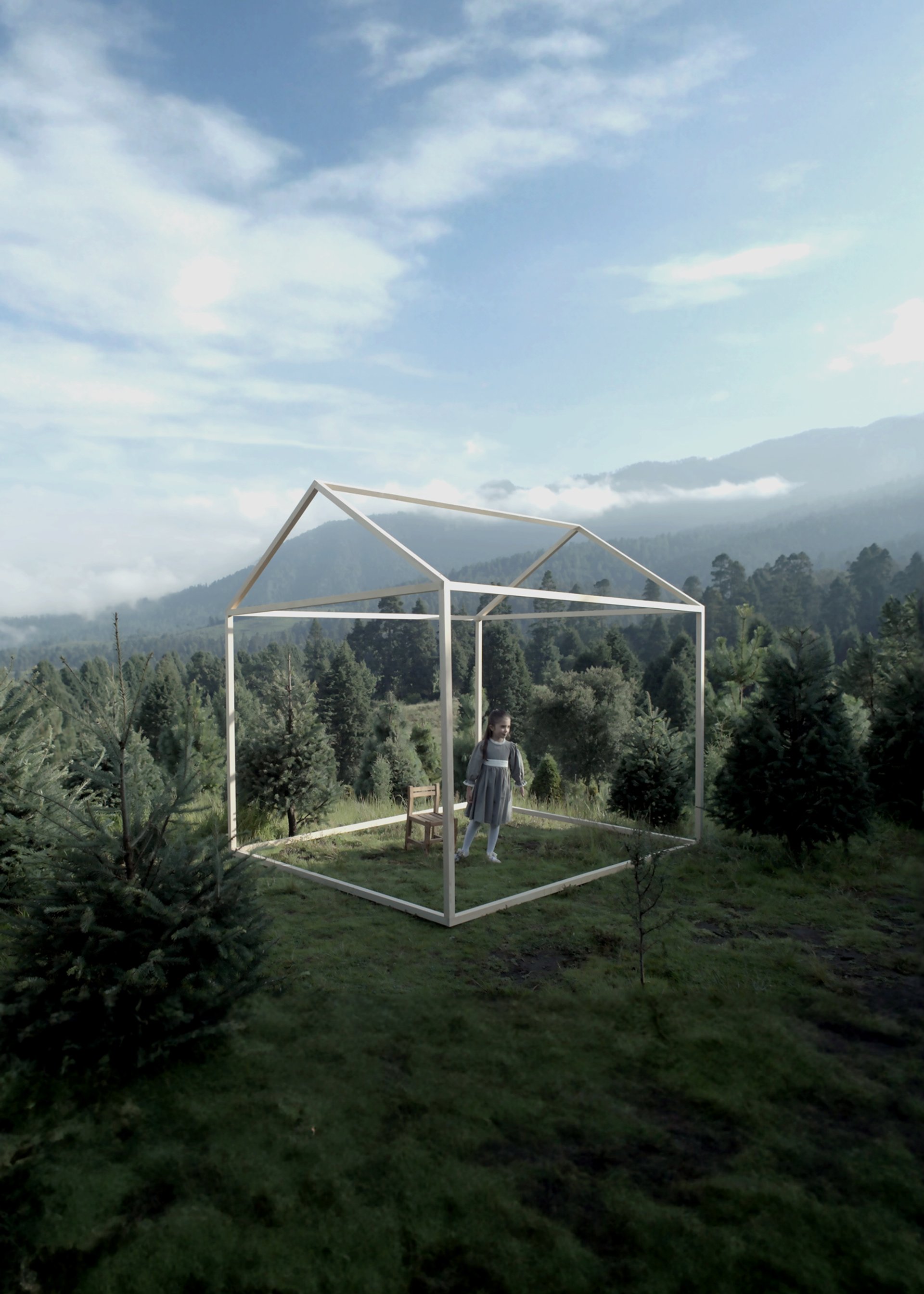
Bishouty, whose work has been shown at the Liverpool Biennial and Art Jameel, is broadly interested in the mechanisms of memory, the construction of knowledge and the aftereffects of misunderstanding. In Unlikely Mother, she explores these topics through familial relations: specifically, the bond between mother and daughter. “Although it is not about my mother, she is certainly at the genesis of the work,” Bishouty says. The show’s anchor, A Catfish, a Mother, and a Puddle of Juice (2026), is both a film and video installation narrated by a catfish, a hybrid creature with an unusual evolutionary genealogy that inspired the structure of the film’s story. Shot in both Mexico City and Toronto, the film slips between languages, geographies and multiple actors playing the same character to construct a narrative about the ambiguity of belonging.
The rest of the works in the exhibition relate to the shape and expressiveness of human hands, perhaps one of the most distinctive human features. “I was thinking about questions of the body and how it is read,” Bishouty says. Her videos of hand shadows and gestures, gloves with irregular finger placement and hand trace drawings stem from her own mother’s experience with symbrachydactyly, a rare limb anomaly that results in missing fingers, and the childhood stories that sought to explain the cause of it. M.C.B.G.
Néstor Jiménez’s La yunta (2025), made of concrete and oil on plywood Courtesy of the artist and Proyectos Monclova Gallery
Néstor Jiménez: One in a Million
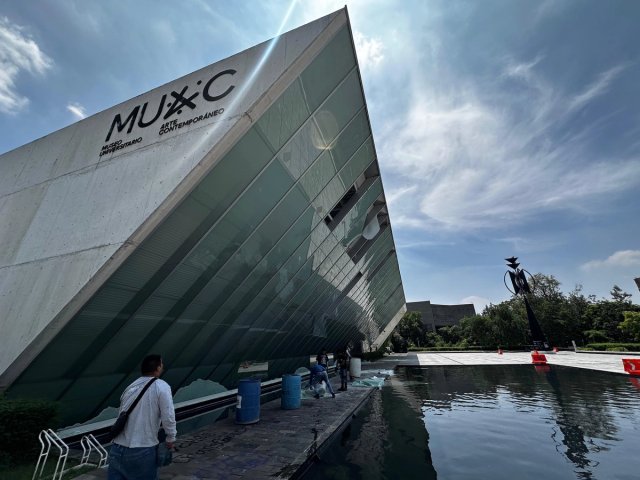
Museo Universitario Arte Contemporáneo
Until 3 July
Among Mexican artists navigating their early- to mid-career years, solo exhibitions at the Museo Universitario Arte Contemporáneo (Muac) or Museo Tamayo had been, until recently, a rarity. Néstor Jiménez’s One in a Million at the Muac demonstrates how, at the top-tier museums for contemporary art in Mexico, programming is shifting towards a younger, local generation whose work responds to the historical conditions and social context of Mexico in the late 20th and early 21st centuries. It is also Lucía Sanromán’s first curated show at the Muac since joining the museum as chief curator in 2024.
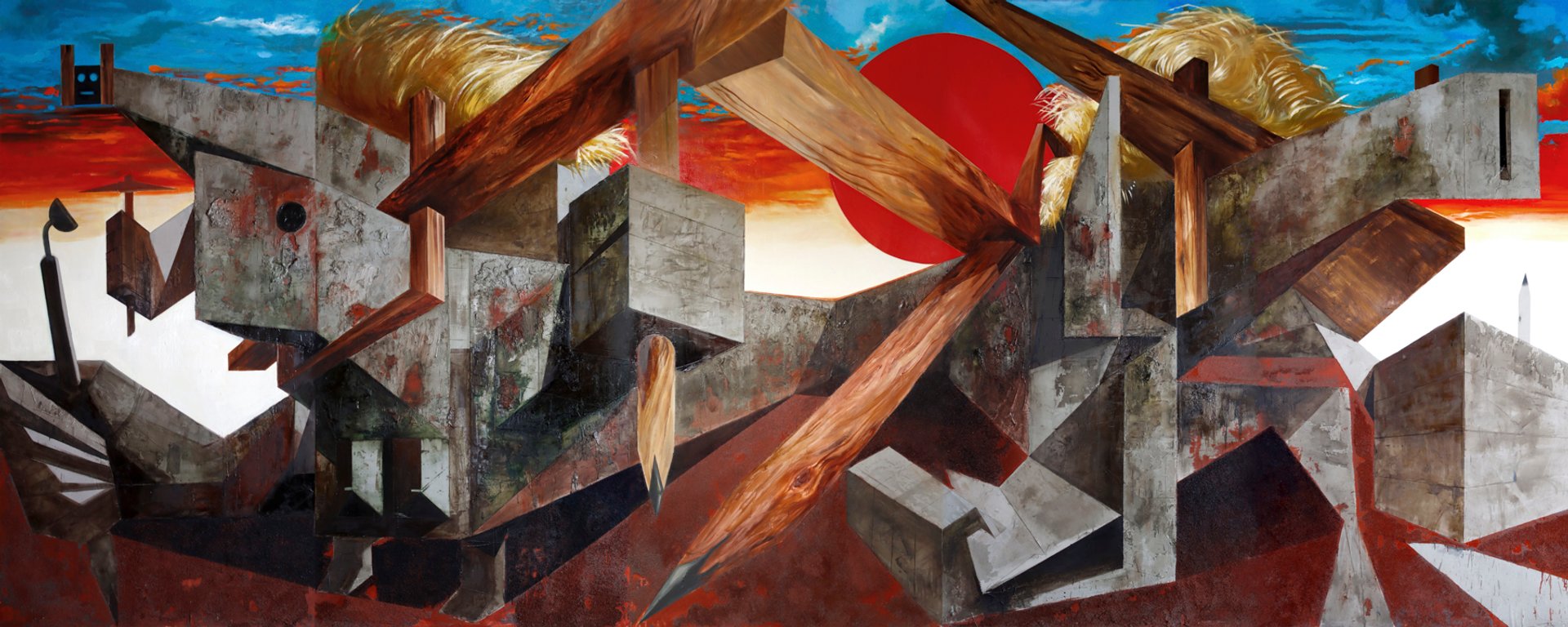
Jiménez spent his formative years creating work about self-governing labour movements in the satellite cities and peripheries of Mexico City, and exploring ways of depicting the city’s tradition of autoconstrucción (self-build). For his solo show at the Muac, he has created a new body of work around the concept of an everyman: an urban, working-class, day-job hunter whose primary responsibility is providing for his family and getting by.
Through collages sourced from classified job listings, ceramic sculptures of empty stomachs and a series of paintings of the exteriors of households in mourning, Jiménez reflects on a wide array of social ills plaguing the city’s impoverished working class. “I noticed there were a lot more black ribbons,” the artist says about the streets surrounding his studio, which inspired Hibiscus, a series of paintings. “They speak to the violence that affects the neighbourhood.” Each of the 12 works is painted a different shade of blue to mark the passing of the evening hours and includes a black ribbon above a door hinge.
The idea for the show emerged from a posthumous portrait Jiménez sketched after attending his father’s funeral remotely in the years following the pandemic. A formal, finished version of the portrait hangs in pride of place at the Muac. M.C.B.G.