The Canadian-born, London-based dealer Stephen Friedman is liquidating his gallery business after three decades. He closed his New York space at the end of last year, at the time citing plans to “consolidate its operations in London”, where several new directors had recently been hired. The London space has now also been closed.
A statement from the gallery says: “Stephen Friedman Gallery commenced the administration process on 2 February 2026 to allow for an orderly review of its financial position. FRP Advisory have been appointed as the administrator. All matters are now subject to the administrator’s consideration. The gallery is now closed to the public and is not presenting at Art Basel Qatar this week.”
At Art Basel Qatar, a last-minute change to the floor plan revealed that Stephen Friedman’s solo booth of work by the late Huguette Caland is now being presented by the Huguette Caland Estate. Representatives for Lisson Gallery stepped in to man the booth. It is understood that Lisson underwrote the costs of the stand.
It is not yet known whether the 39 artists and estates on Stephen Friedman Gallery's books have begun to be transferred to other galleries.
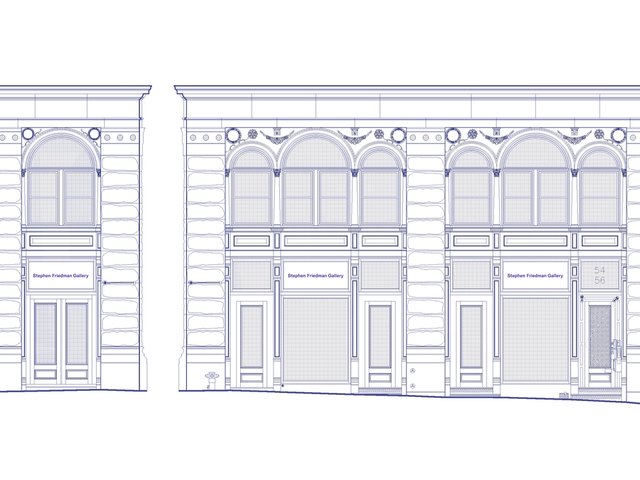
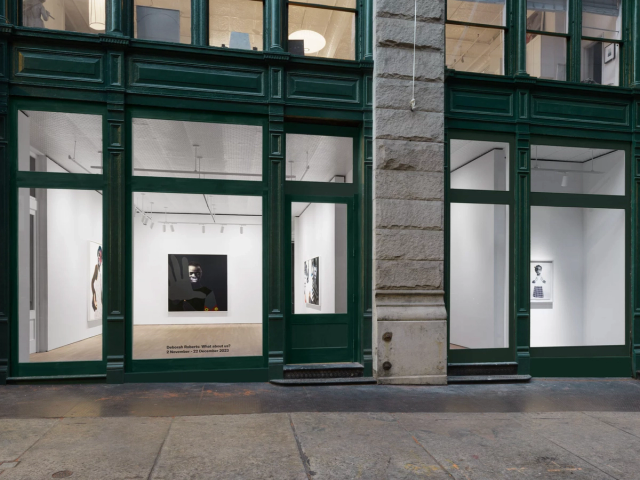
Stephen Friedman first opened his contemporary art gallery on Old Burlington Street in Mayfair in 1995, at a time when the YBAs dominated the London art scene. After 25 years, in October 2023, Friedman moved to bigger premises on Cork Street. According to accounts filed on Companies House that year, the move in London “was required both because the company’s existing lease was coming to an end, and because more office and exhibition space was needed for the company’s expansion”. In November 2023, Friedman opened a gallery in New York which, according to the accounts, allowed “the gallery’s existing artists to exhibit in New York, without having to involve another independent gallery”.
The gallery has never publicly disclosed the costs of renovating the two spaces, but the firm's accounts reveal that Friedman lost £1.7m in 2023 due to the construction of two new galleries, “including incurring rent on the new spaces before the move and simultaneously holding the old space while they were being refurbished”. This, as well as “a strong downturn in the industry’s economic market”, contributed to the gallery's financial troubles and it falling behind. Those last filings on Companies House were submitted late, earning the gallery a first Gazette notice for compulsory strike-off in March 2025—a public warning that a company is at risk of being dissolved. That action was discontinued just days later.
At that point, cash flow projections for 2025 were “positive”, according to the accounts. But, the filings revealed, due to “the slower than usual sell-through of a major exhibition at the end of 2024 and a slow start to 2025, cash flow is currently tight”. The gallery was already then “implementing some immediate cost cutting across the board and discussing refinancing options with our bank”. Auditors also noted that the gallery’s reliance on bank facilities to meet its day-to-day cash needs created a “material uncertainty” big enough to cast doubt on the firm's ability to continue meeting its financial obligations.
The most recent accounts were due to be filed in December, and then on 31 January, but remain undisclosed.