London’s Mosaic Rooms is reopening on 18 February after a year-long refurbishment, with new facilities, a new charitable status and a new director. But the organisation’s focus, says its director Pip Day, remains the same: art and culture from the Arab world and beyond.
Since the Mosaic Rooms launched in 2008 it has been a consistent platform in the UK for major artists from the Arab region, such as Heba Y. Amin, Sandi Hilal and Alessandro Petti, and Mohammed Omar Khalil. Its audience has expanded over the years, reflecting shifting attitudes towards Arab culture and growing curiosity around art from the Global South. To date it has been fully funded by the A.M. Qattan Foundation, a UK and Ramallah-based organisation that supports culture and education in Palestine and the Arab world.
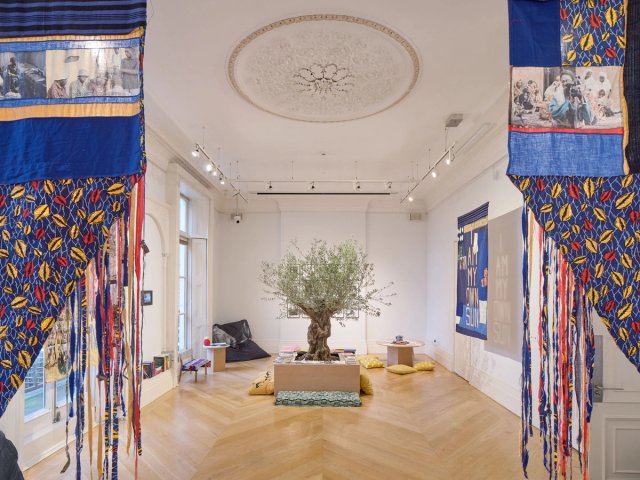
The renovation, paid for by the Al-Qattan Charitable Trust—the family foundation’s largest donor—has seen the 19th-century building reconfigured in order to better adapt it for the institution’s programming. New facilities include a recording suite, a salon for hosting workshops and lectures, a playroom for local families, an expanded bookshop and better access to its galleries.
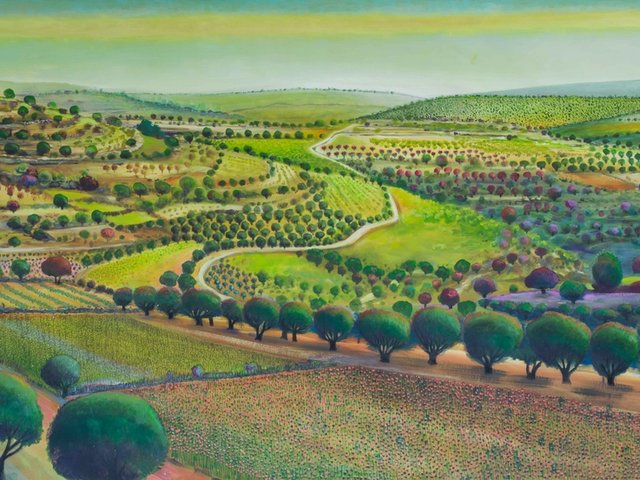
A permanent commission of stained-glass windows by Dima Srouji will greet visitors on their way to the new entrance, now via the garden, which has been redesigned as a space of congregation. The work, Four Moons from Home (2026), refers to the seasons of the year and recalls the qamariya—or “half-moon” windows—that are a traditional mode of architectural decoration across the Arab world, and particularly in Yemen and the artist’s native Palestine.
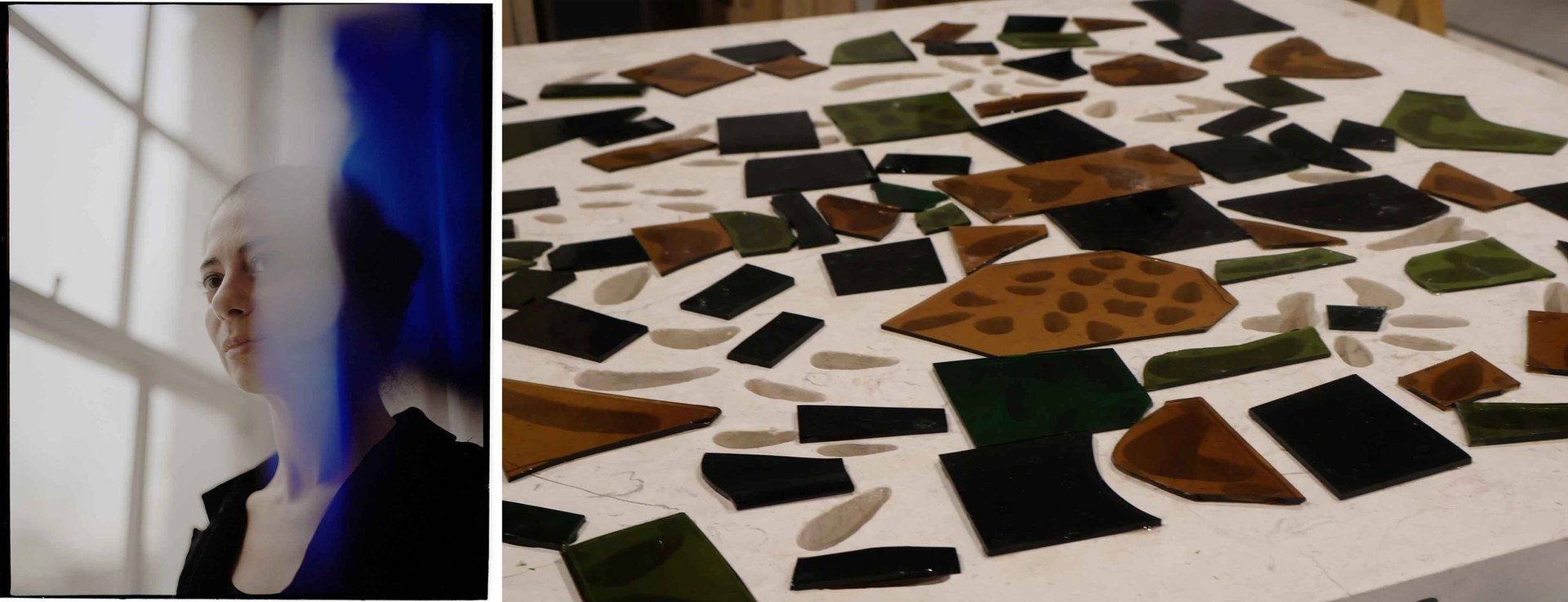
Artist Dima Srouji (left) and a view of her work, Four Moons from Home (2026), in progress Srouji portrait: Gucci. Four Moons from Home: Courtesy of the Mosaic Rooms
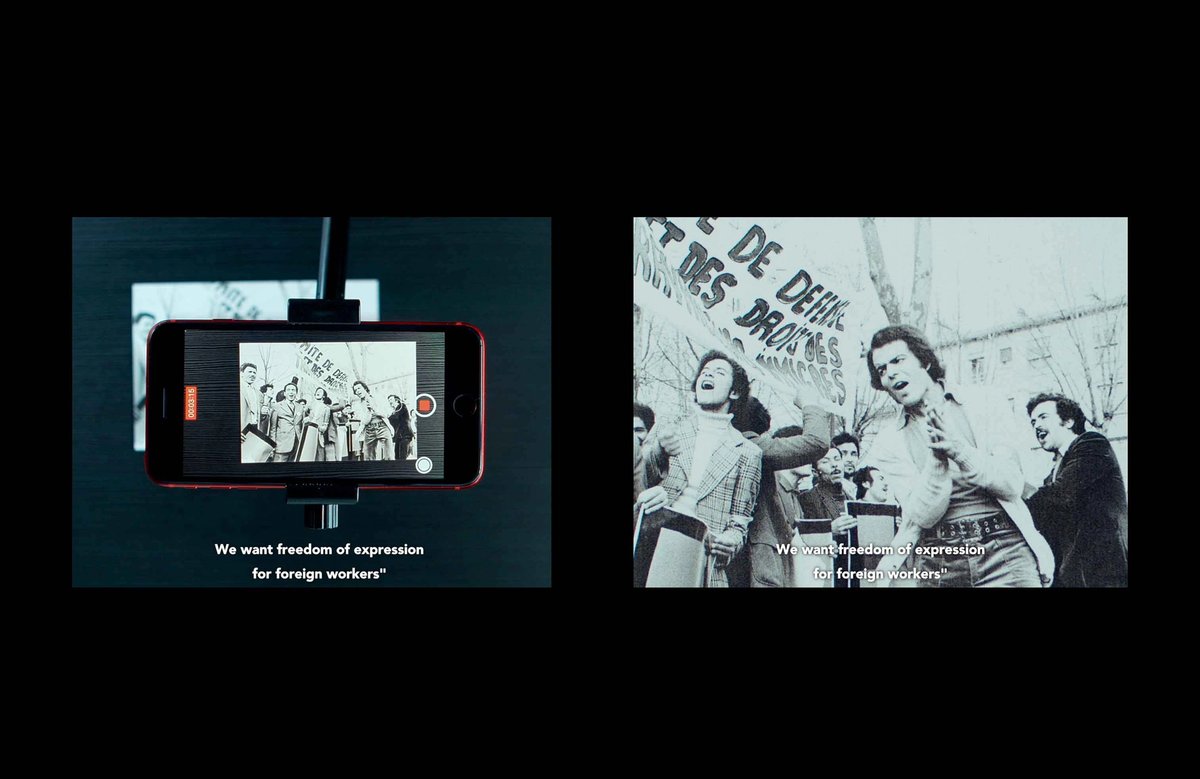
A solo show by the French-Moroccan artist Bouchra Khalili inaugurates the refurbished galleries, with three video installations exploring the Arab Workers’ Movement (MTA), an activist theatre group from the 1970s that agitated for the rights of North African immigrants in France. Khalili has been investigating the work of the MTA for more than a decade, and first showed work connected to the project at the Documenta exhibition in 2017.
Day, who became the director of the Mosaic Rooms in September, says she wants to continue the institution’s tradition of learning from its artists and audiences.

A still from Bouchra Khalili’s The Public Storyteller (2024) © Bouchra Khalili; courtesy of the artist and Mor Charpentier
“In today’s challenging times, I want to listen closely to our communities, their histories and strategies of cultural resistance, resilience and international solidarity,” she says. Part of her work, she adds, will be in researching strategies of resistance and support for marginalised communities. Pointing to Khalili’s exhibition, she adds, “A lot of work has been done by movements that came before us. Our task is to carry it forward.”
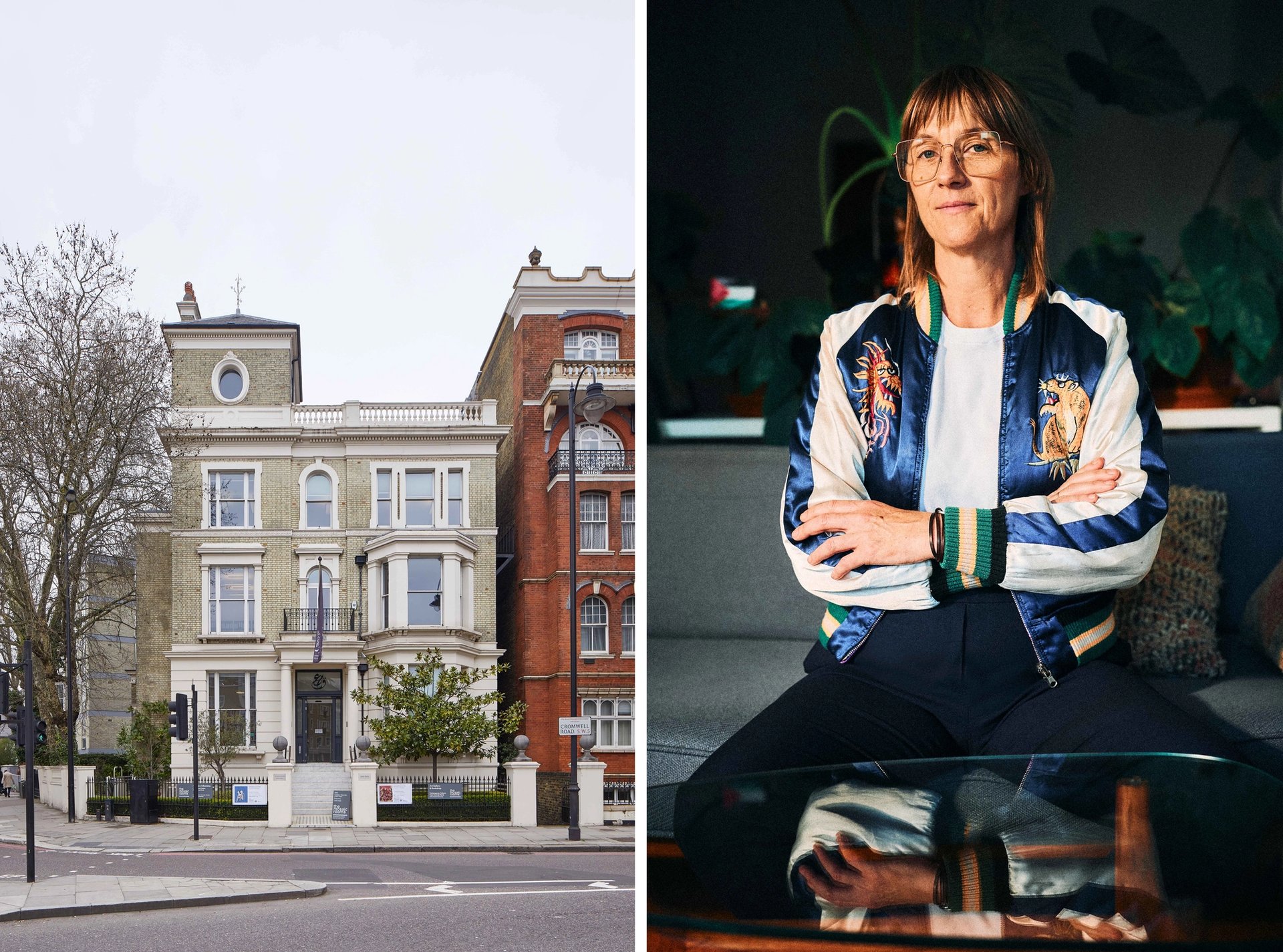
Mosaic Rooms (left) and its new director Pip Day
Mosaic Rooms: Courtesy of the Mosaic Rooms. Day: Photo: Bruno Aiello Destombes
A new recording suite will be used to create podcasts and sound collaborations, including an upcoming project with the Bethlehem-based broadcaster Radio Alhara. Radio Alhara, an online radio project, began among five friends—the artists, designers and architects Yazan Khalili, Yousef Anastas, Elias Anastas, Said Abu Jaber and Mothanna Hussein—during the Covid pandemic, and has continued as a prominent platform for Palestinian voices and music since.
Other elements of the venue will focus specifically on those living in the surrounding area. Migrant families housed in the hotels around the Mosaic Rooms’ Kensington location regularly came to the space’s library—which stocks both English and Arabic books—and the café during the day. The new configuration leans into this past use through the addition of a playroom specifically for children and families, and an expanded bookshop and cafe.
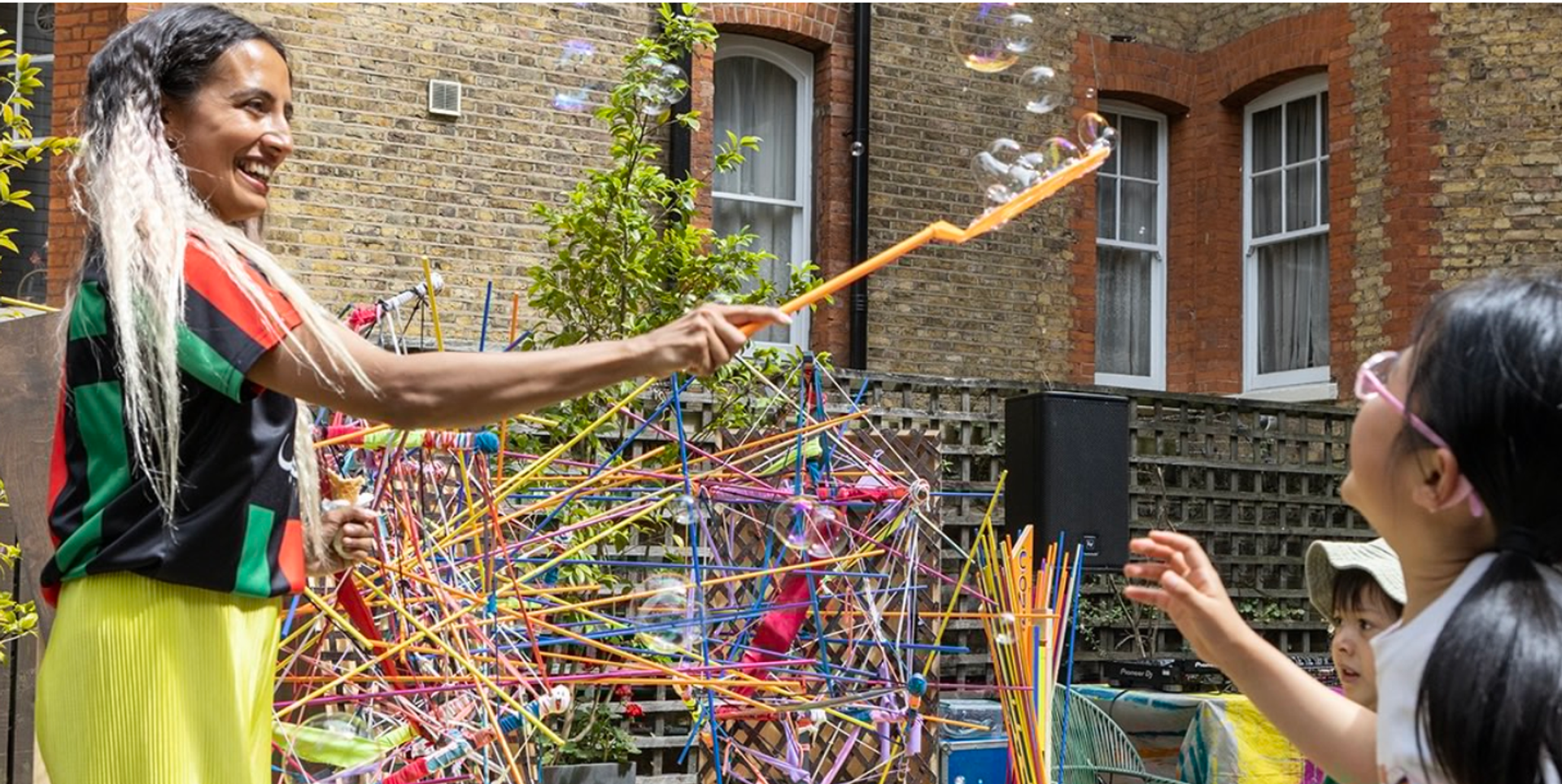
A “Tiny Fridays” event held at Mosaic Rooms before the refurbishment
Courtesy of the Mosaic Rooms
“Mosaic Rooms has been shaped by its communities for the past 17 years,” Day says. “These activities have always been present in the institution's history, and now they're being made present in the architecture.
Day was most recently the director of the Leonard & Bina Ellen Art Gallery, part of Concordia University in Montreal. In late 2024 she was dismissed after less than six months in the role. The move came after the university postponed a screening of the film Resistance, Why?, which had been organised by Day and a Montreal-based collective called Regards Palestiniens. Local media reports at the time alleged the dismissal was due to her support for Palestine, and most of the gallery’s advisory council ultimately resigned in protest at her firing.
In a statement to The Art Newspaper, a spokesperson for Concordia University said the organisation was not at liberty to discuss employee matters, but pointed to events that have been held at the Ellen over the last two years in solidarity with Palestine. It added: “The university has always respected its employees’ freedom of expression as is evident from the diversity of views and stances regularly expressed by members of our community.”
The Mosaic Rooms has also now re-incorporated as a charity, which will enable it to seek both private philanthropy and public grants, in addition to ongoing support from the Al-Qattan Charitable Trust. “The goal for the foundation was to transition into a public institution that belongs to London, rather than to the family,” she says, adding that as a new independent charity, Mosaic Rooms will build a framework of ethical fundraising.
The A.M. Qattan Foundation is a major funder of education and culture projects in Palestine. These include a large library in Gaza, which was damaged in the war. The building will need to be refurbished, confirms the foundation, but the situation in Gaza is still not safe enough for work to begin.