In 2028, the Fondation Alberto et Annette Giacometti will open the Giacometti Museum and School in Paris’s prestigious 7th arrondissement—the first museum to be dedicated to the Swiss master. The foundation has long planned to open something bigger than the diminutive Institut Giacometti, which it inaugurated in Paris in 2018 as an interim showcase.
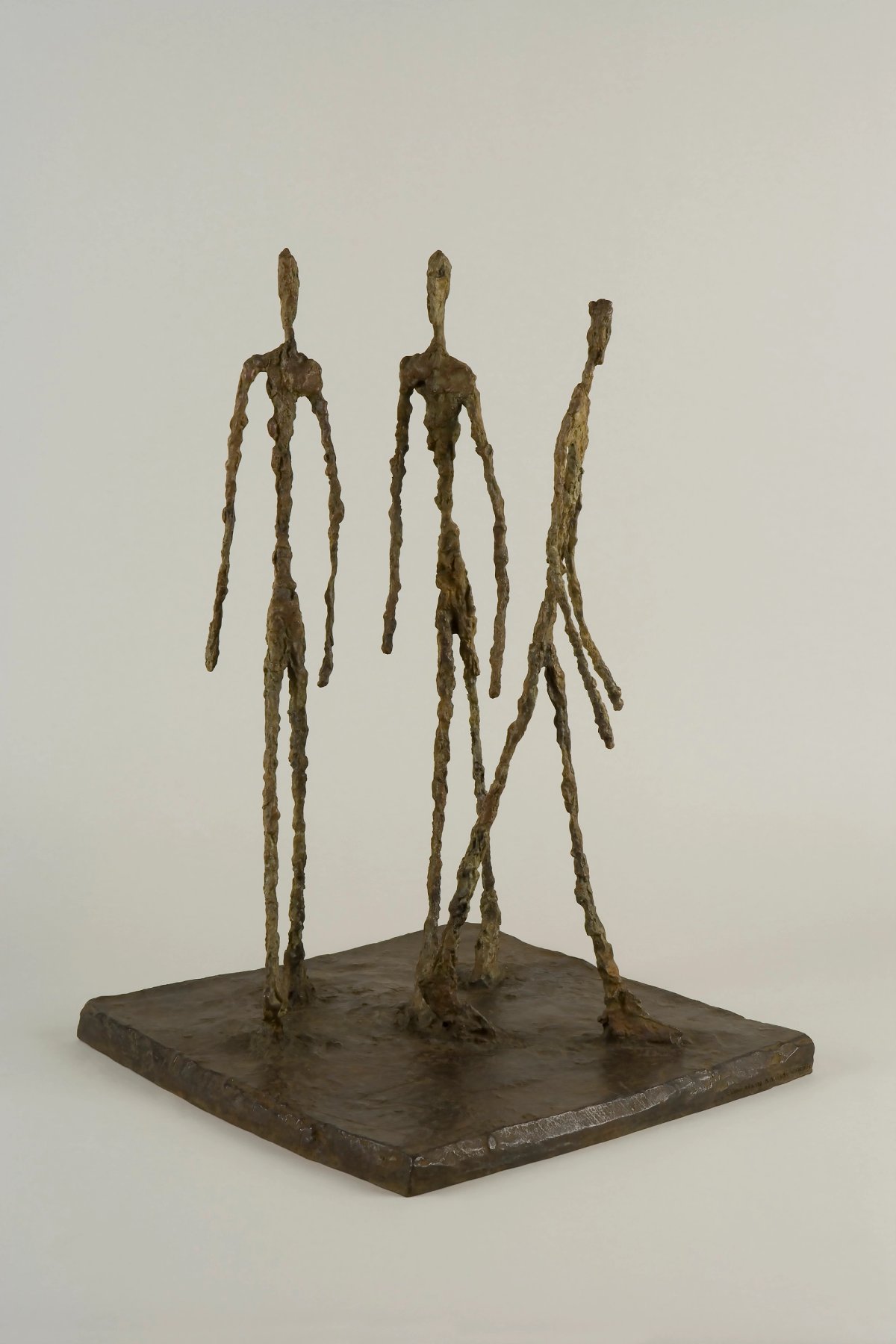
The foundation’s collection is exceptionally large, encompassing more than 10,000 items—including, says its director Catherine Grenier, “thousands of drawings, over 400 sculptures, 100 paintings, a whole collection of decorative objets d’art, prints, everything that was in the studio, all the archives”.
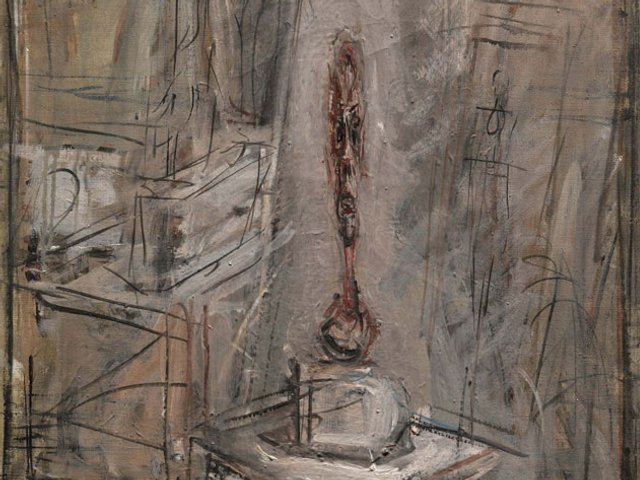
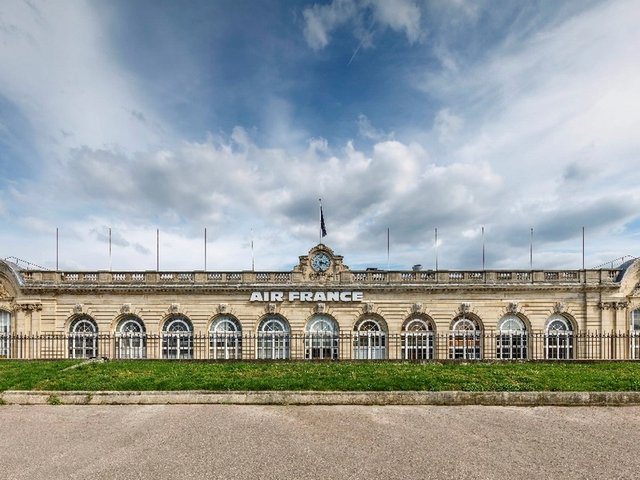
Where the institute is just 350 sq. m, the new site, the former Invalides train station, offers 6,000 sq. m, half of which will be dedicated to showing the artist’s oeuvre. Yet even there, Grenier says, the foundation is having to think about which works it will not be able to fit in. “People don’t know we have masterpieces from the earliest period, when Giacometti was very young, masterpieces from the Surrealist period, masterpieces from wartime, masterpieces from after the war, masterpieces from the late period.” Most of the collection, she says, has never been exhibited.
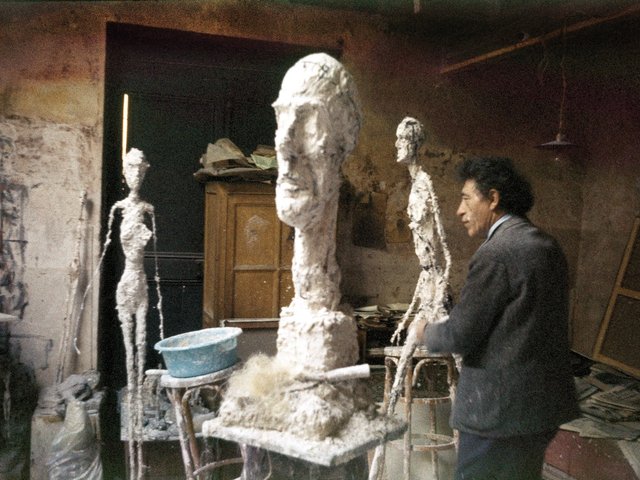
The Montparnasse studio the artist so famously inhabited for close to 40 years was a tiny, 23 sq. m rental, packed to the gills with works and belongings
When Giacometti died intestate in a Swiss hospital in 1966, his wife Annette inherited his entire estate. She spent the decades until her death in 1993 refusing to sell anything that was not editioned and obsessively cataloguing and archiving the items in her keep. She contacted every collector she knew had works by him to request information and documentation. She wrote countless index cards. The Montparnasse studio the artist so famously inhabited for close to 40 years was a tiny, 23 sq. m rental, packed to the gills with works and belongings. Annette removed it all, from the paintings he had done on the studio walls to the ashtray still stuffed with cigarette butts.
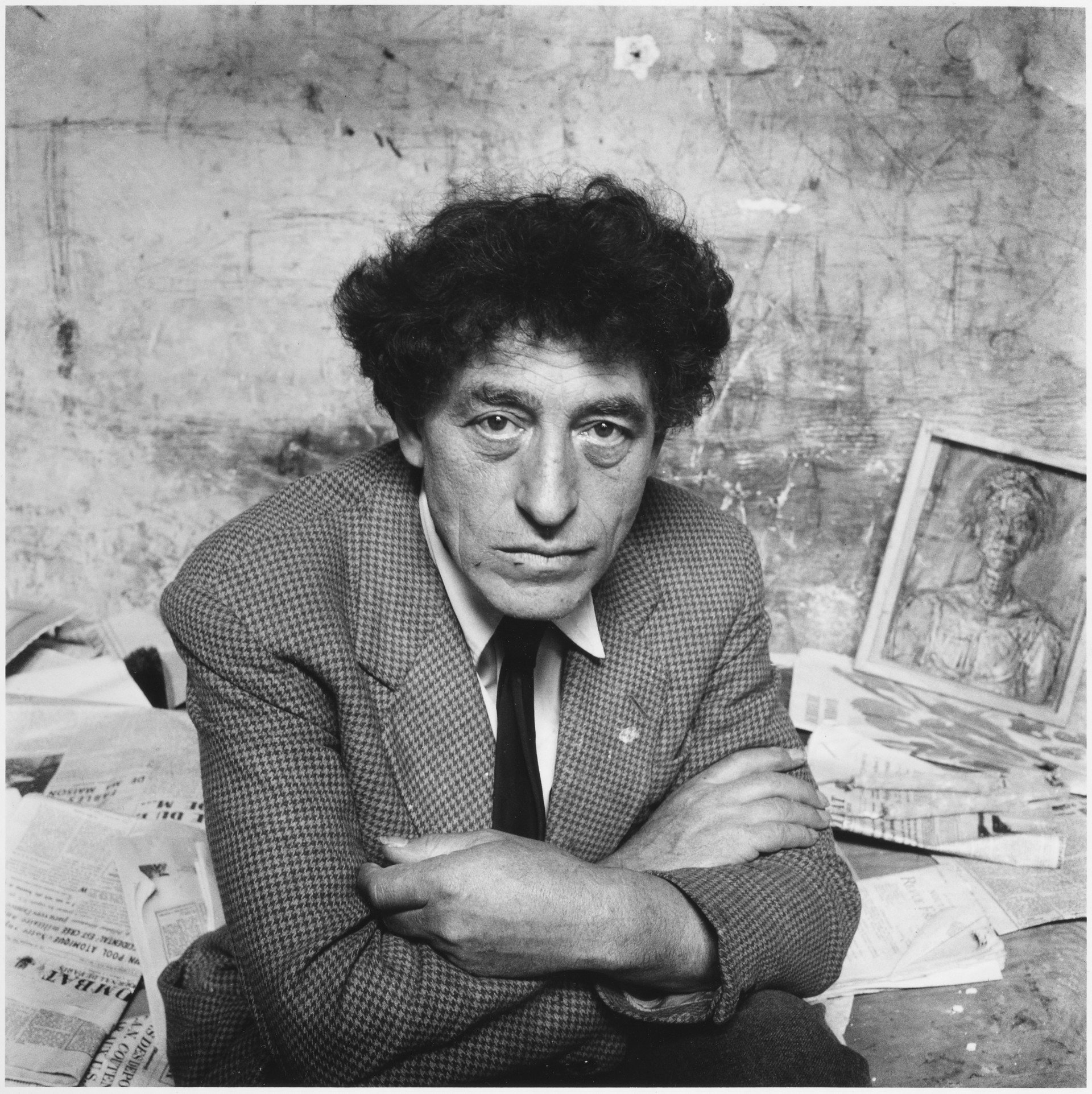
Alberto Giacometti in his studio Denise Colomb 1954/Archives Fondation Giacometti/Succession Alberto Giacometti/ADAGP Paris 2026
Grenier highlights how unusual this is. First, while Giacometti did sell works and bequeathed several others, not least to the Alberto Giacometti-Stiftung—which was created in Zurich in 1965 from the significant collection acquired by the Pittsburgh industrialist G. David Thompson—he also kept a lot back. Heirs will typically inherit pieces from an artist’s later years. Here, every era is covered.
Second, inheritance struggles usually lead to the fragmentation of personal collections. The couple had no children, which made it easier in Giacometti’s case to keep it intact. But beyond that, Annette was adamant the works be kept together, Grenier says. She had no liquid capital to buy a space or to set up a private foundation with an endowment, but she also had no doubt that ultimately it is what needed to happen: even bequeathing the collection to the state would not have guaranteed its integrity. In the end, the state itself formally set up the foundation in 2003. When Grenier joined in 2014, her first move was to find a showcase window—the institute. The second was to start the search for a place and the funds for a proper museum.
The move to the Invalides site is part of the city’s major urban renewal project, Réinventer Paris, to rework dozens of uncommon heritage sites. Two property developers, the Emerige Group and Nexity, jointly won the competition to restore this 19th-century station, built initially for the 1900 World’s Fair. It stands just metres from the Quai d’Orsay and the Alexandre III bridge, which leads over the Seine to the Petit Palais and the Champs-Élysées beyond. As locations go, it could not be more central or fancier. This has led to some controversy.
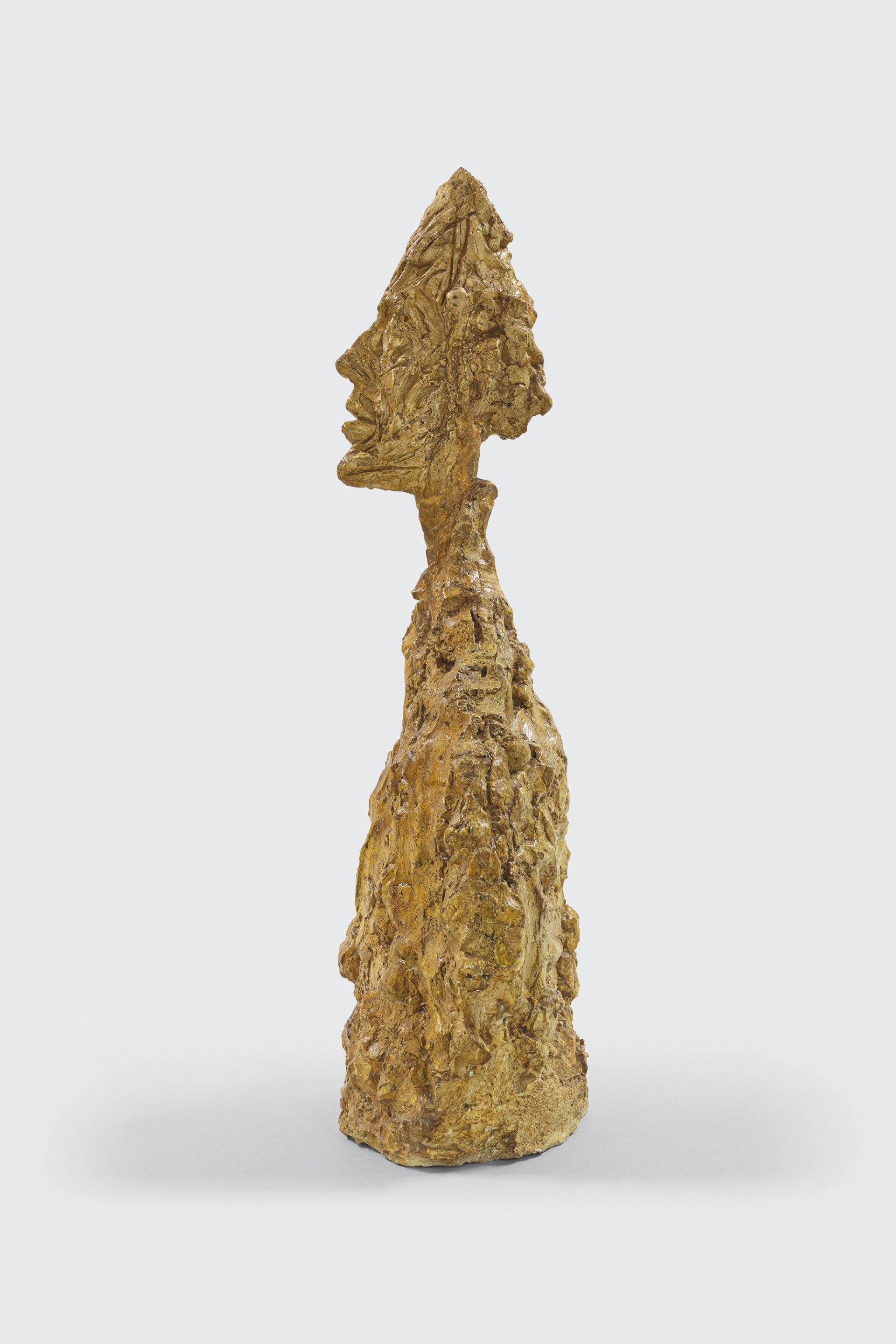
Alberto Giacometti's Buste de Diego (1955) Fondation Giacometti; © Succession Alberto Giacometti / Adagp; Paris 2026
A bit over the top?
In November, the Paris-based Swiss journalist Mathieu van Berchem asked whether 3,000 sq. m for Giacometti’s work wasn’t “a bit over the top?” He quoted a French-Swiss architect and sculptor, Serge Lemeslif, saying: “To me, Alberto stands for simplicity.” Lemeslif remembered working on Rue des Plantes in the 14th arrondissement in the early 1960s and seeing Giacometti head out from the studio for lunch at a local trucker’s haunt, the Rendez-Vous des Camionneurs.
Any book on Giacometti’s life by a writer who was alive when he was will have some version of this story. He never closed the door to his atelier. Several people have written about entering it even when he was not there himself. As one biographer, James Lord, who met him in the early 1950s, puts it, “Nothing was easier than falling into the habit of visiting him in his studio.”
He draws, builds, destroys, paints, models—one activity leading into the other without interruption. Nothing is ever finishedPeter Selz, curator
Another, Jacques Dupin, notes that Giacometti haunted his Montparnasse neighbourhood in a pattern of daily life as regular as it was quasi ritualistic: “He detests change.” The curator Peter Selz, who invited Giacometti to exhibit at New York’s Museum of Modern Art the year before his death, described him as being “constantly at work. His hands never rest but move up and down modelling the clay on the armature, drawing figures and hands on paper napkins, envelopes, tabletops. His work is continuous. He draws, builds, destroys, paints, models—one activity leading into the other without interruption. Nothing is ever finished.” He was, Selz writes, “engaged more in the adventure than concerned with the result”.
That approach underpins Grenier’s plan to have a school in the museum. Before she took the helm at the foundation, she was deputy director of Paris’s Musée National d’Art Moderne. To her mind, all museums should be conceived of as schools. This one is not intended to cater to prospective artists per se, but rather to everyone and anyone who wants to pick up a pencil or have a go with some clay. “It’s such a great way to get to grips with shapes and art forms that feel hermetic,” Grenier says. “For a lot of people, Giacometti isn’t that easy.”
Despite that, she is confident visitors will come. “The exhibitions we have done at Tate Modern, at the Guggenheim and in Shanghai were all very big, much bigger in fact than what we are going to have the space to do,” she says. “It was extraordinary. Lots of people came. Giacometti held up well. There is no reason to think he should have a smaller museum than other artists.”
Besides, she says, “Why have a collection like this only to keep it in storage?”