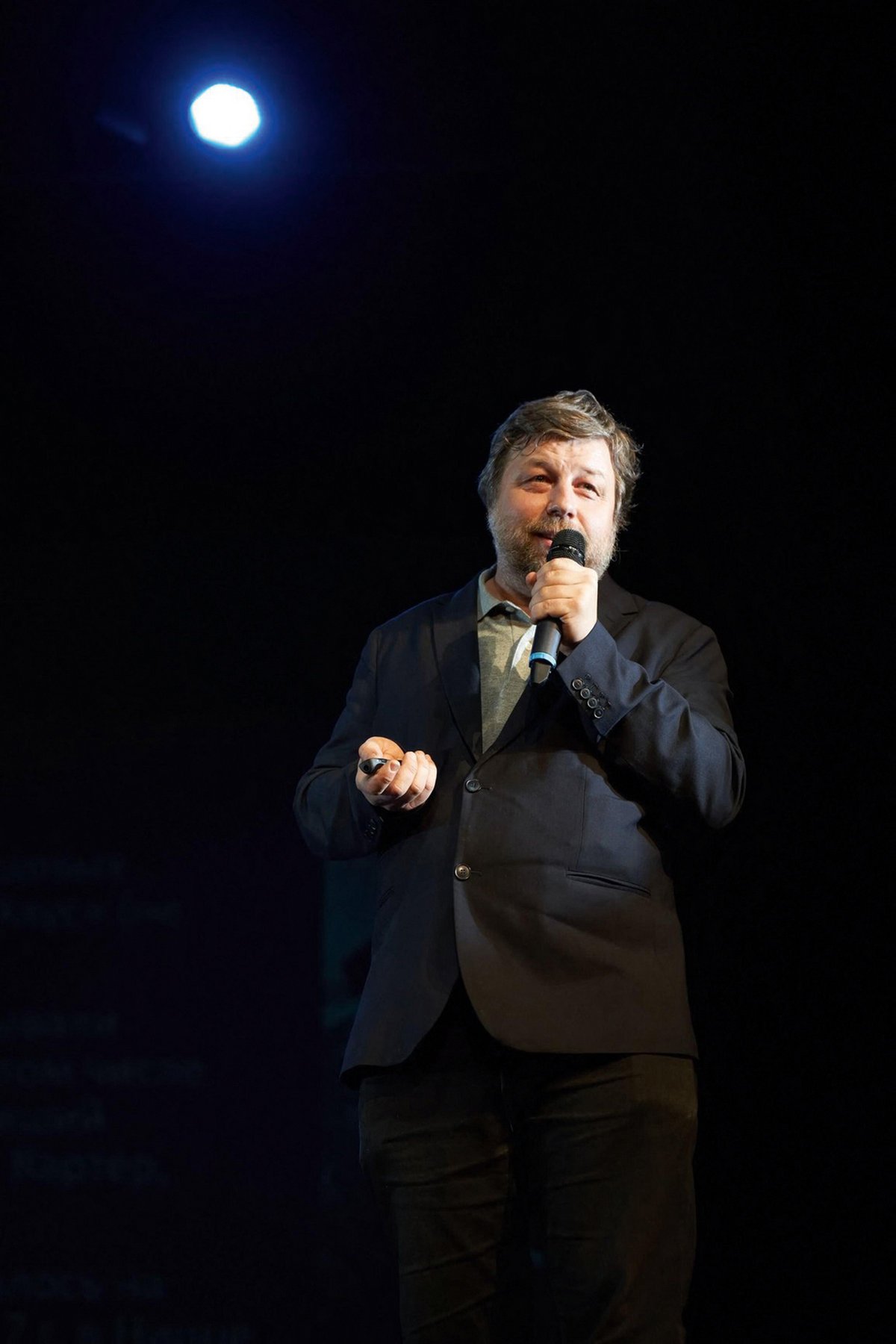
Alexander Butyagin, the head of the sector of ancient archaeology of the northern Black Sea region of the State Hermitage Museum in St Petersburg, was arrested in Poland in December 2025 at the request of Ukraine, which is seeking his extradition to stand trial in Ukraine. He is being charged with conducting illegal excavations in Crimea, the Black Sea peninsula illegally annexed by Russia in 2014. An appeals court in Warsaw upheld his arrest in February, and his detention has since been extended to 1 June.
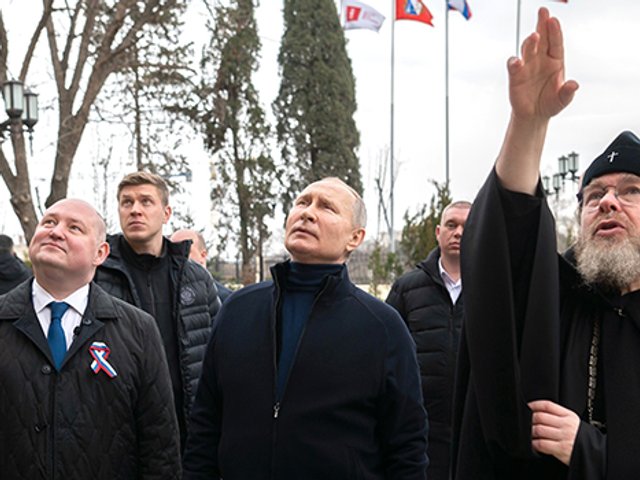
Antiquities and archaeological heritage are central to Russia’s campaign to claim Ukrainian territory and identity, not just in Crimea but in other occupied Ukrainian territories such as Zaporizhzhia. Russian President Vladimir Putin marked his interest in archaeology in a staged dive for Greek amphorae in the Black Sea in 2011.
Ukraine, in response, has placed dozens of Russian archaeologists and Ukrainians working for Russia in illegally occupied territories on notice by adding them to War and Sanctions, a web registry created by its Defence Intelligence agency. The list also includes Italian researchers who participated in a collaborative project by the Russian Geographical Society (which has been chaired by Putin since 2010) and Italia Nostra called Genoese Fortresses of Crimea and the Black Sea-Azov Basin.
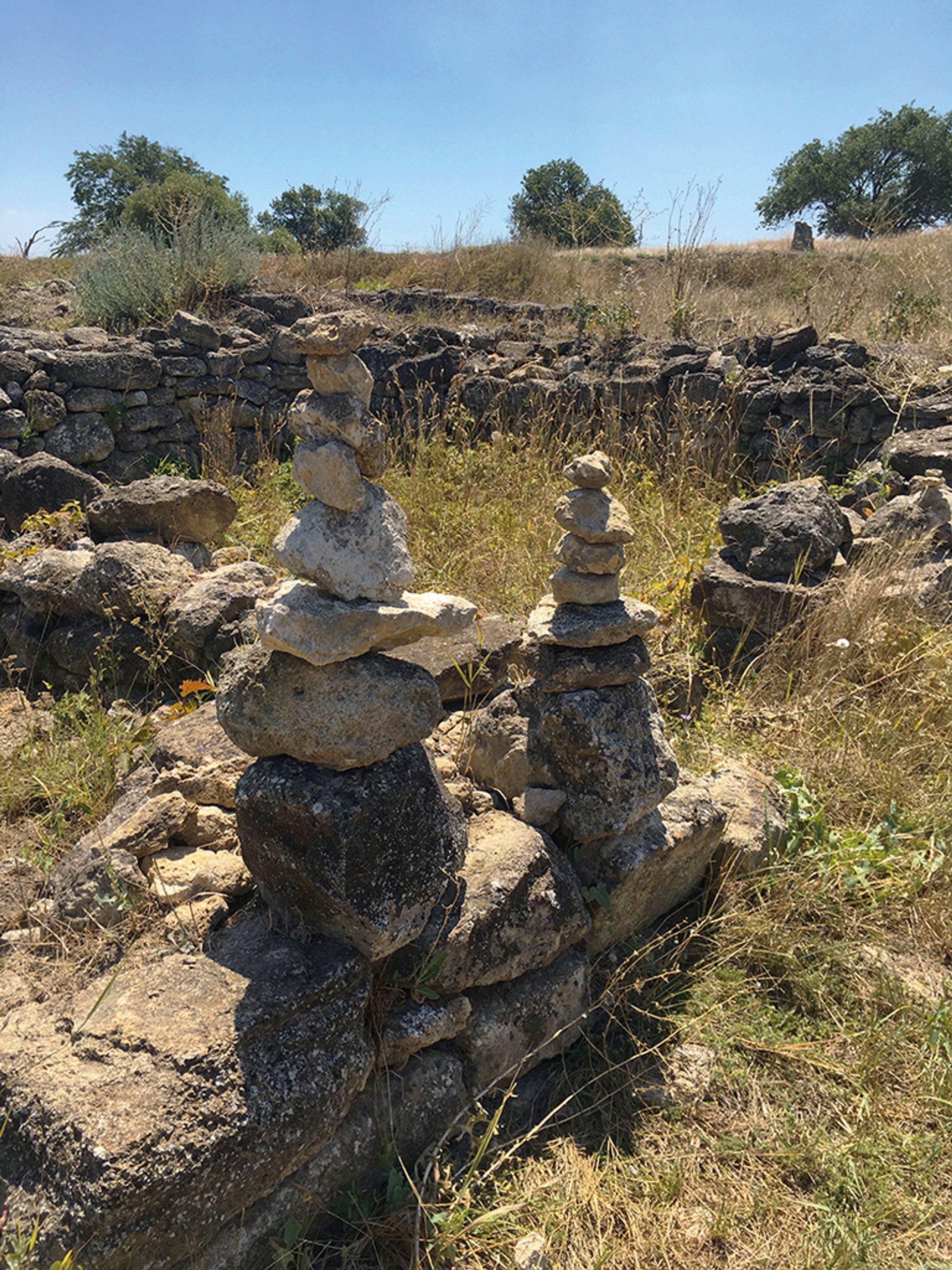
The Butyagin-led State Hermitage Museum expedition to Myrmekion, an ancient Greek colony in Crimea, illegally removed 30 coins
Photo: Maria Kylosova
Illegal excavations
Butyagin, who led the Hermitage’s archaeological expedition to Myrmekion, an ancient Greek colony in Crimea, was listed on War and Sanctions in February 2025 for violation of Ukrainian law and seizing—“in favour of the Russian Federation”—30 gold coins, including 26 inscribed with the name of Alexander the Great. He was detained while on a lecture tour of Europe. Ukrainian prosecutors announced a criminal investigation of Butyagin in November 2024 for illegally conducting excavations “without any permits from the competent authorities of Ukraine”.
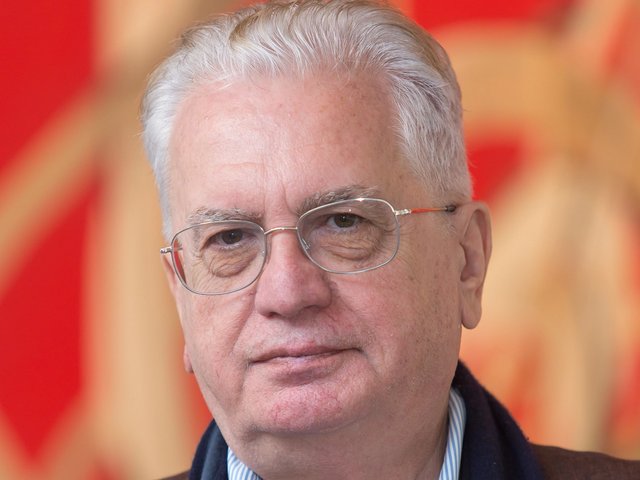
In January, Russia’s foreign ministry called the charges against Butyagin “absurd” and said his work was “enriching the cultural heritage of the peoples of Crimea”. In a newspaper column, Mikhail Piotrovsky, the director of the Hermitage, denounced Butyagin’s arrest as psychological pressure and compared sanctions against Russia to the Nazi siege of Leningrad during the Second World War. At a May 2024 news conference in St Petersburg with Piotrovsky, Butyagin referred to the museum’s ties to Crimea since tsarist Russia. “For the Hermitage, Crimea is one of the priority regions where archaeologists collaborating with the Hermitage have been actively working since pre-revolutionary times,” he said.
Russian scholars, even some living in exile and opposed to Putin, have defended Butyagin and other archaeologists working in occupied Ukraine as devoted scientists rather than ideologues. However, Elmira Ablyalimova-Chyihoz, a project manager at the Kyiv-based Crimean Institute for Strategic Studies (CISS), tells The Art Newspaper: “The argument that archaeologists are ‘people of culture’, engaged in scholarly work, confuses profession with responsibility. Archaeology does not exist outside legal frameworks.” Ablyalimova-Chyihoz says it is not acceptable to claim that Russians have the right to conduct excavations in Crimea because they have done so for centuries “on the basis of cultural mission”.
Narrative reframing
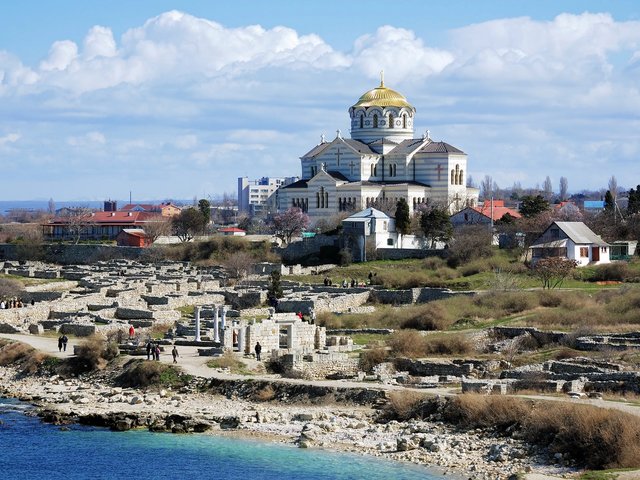
CISS specialises in the remote monitoring of heritage sites in Russian-occupied Ukrainian territories. Among them is the Ancient City of Tauric Chersonese and its Chora, an archeaologically rich Unesco World Heritage Site in Crimea cut off from international oversight since 2014. A 2025 CISS report authored by Olena Klenina, Denys Yashnyi and Ablyalimova-Chyihoz detailed how Russian archaeologists and the Russian Orthodox Church continue to inflict significant damage to Tauric Chersonese both through physical destruction and the “narrative reframing” of Chersonese as a “symbolic ‘cradle of Orthodoxy’ that reduces “the site to a single civilisational narrative [and] distorts its multi-layered Greek, Roman, Byzantine and medieval dimensions”, Ablyalimova-Chyihoz says.
Russia has promoted its narrative, centred on Chersonese as the site of the baptism into Orthodoxy of Prince Volodymyr of Kyiv in 988, in new museums and a monastery there managed by Metropolitan Tikhon Shevkunov, a senior cleric who has shaped Putin’s ideology.
“Cultural heritage becomes instrumentalised to legitimise contemporary political claims,” Ablyalimova-Chyihoz says. “When archaeology serves ideology rather than scholarship, professional ethics are compromised.”
Irina Tarsis, the founder of the New York- and Zurich-based Center for Art Law, saysthat according to Ukrainian law, licences have been required since 2004 to conduct research at heritage sites, and illicit excavations are categorised as a crime. “This case is more important than it seems because it rests on the premise that Crimea is part of Ukraine and not the Russian Federation,” Tarsis says. “Butyagin certainly took a risk by travelling to a country which has an extradition cooperation with Ukraine.”