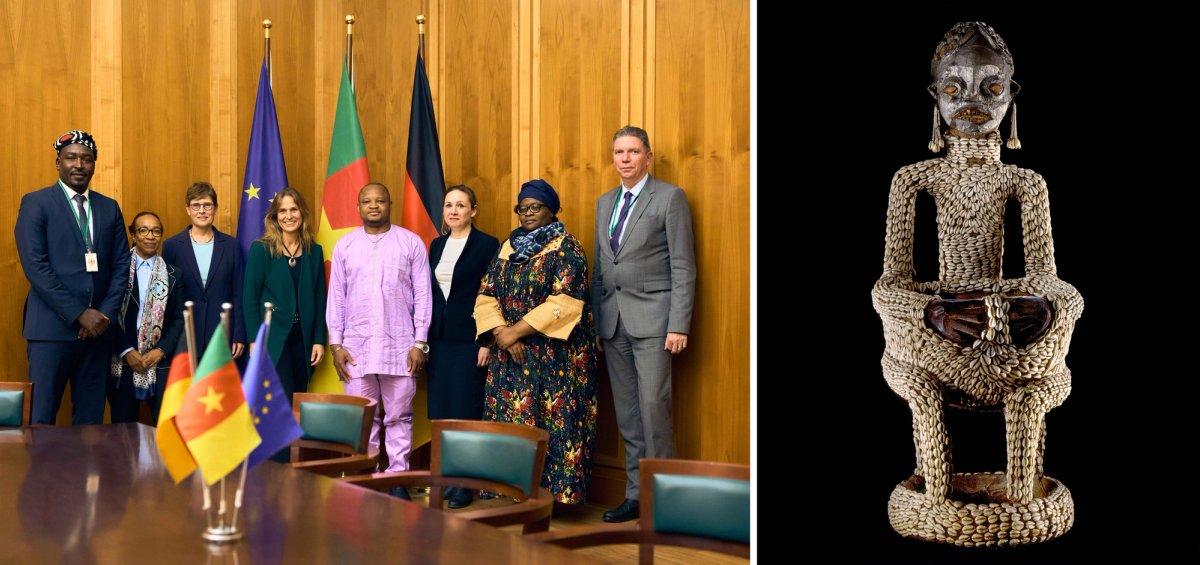
The German government and 16 states have agreed to set up a council to oversee the restitution of cultural property and human remains in public collections that were acquired in a colonial context.
The new panel, known as the Coordination Council for Returns of Cultural Property and Human Remains from Colonial Contexts, will include representatives of the central government, states and municipal authorities, according to a statement. The statement was released by 16 state culture ministers and representatives of Germany’s foreign ministry and culture ministry, following a meeting yesterday (30 March).
Germany’s culture minister Wolfram Weimer described the new council as “an important step in responsibly handling cultural property and human remains from colonial contexts” that will help “shape ongoing and future restitution processes more effectively”. The new council will also coordinate with counterparts in receiving countries, according to the 30 March statement.
The German states and government agreed in 2019 to repatriate artefacts in public collections that were taken “in ways that are legally or morally unjustifiable today” from former colonies, describing their return as “an ethical and moral duty”. They also agreed to create structures to facilitate restitutions and called on institutions in possession of such property to conduct provenance research.
Several countries, including Cameroon, Tanzania, Ghana and Togo have set up state structures and restitution bodies in response to moves by western museums to return artefacts acquired in the colonial era. These bodies are keen to take up dialogue with a central German authority, yesterday’s statement said.
Museums in Germany not only acquired items expropriated from the German colonies in Africa, but also—via purchases and gifts—artefacts looted from territories under the rule of other European nations.
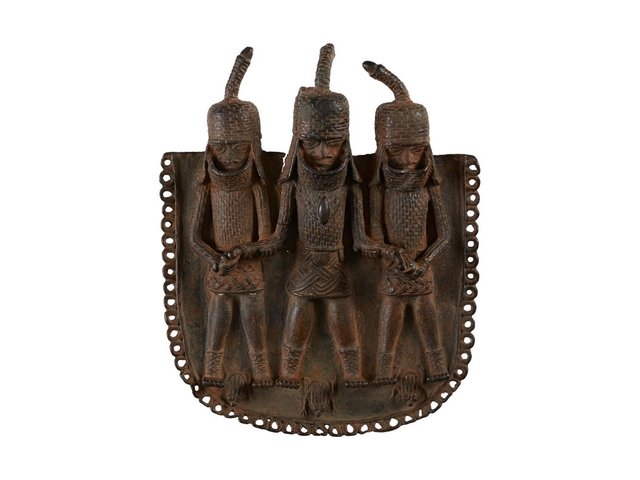
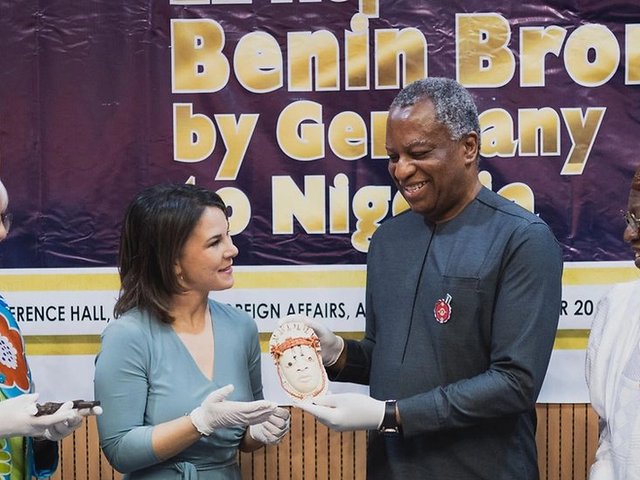
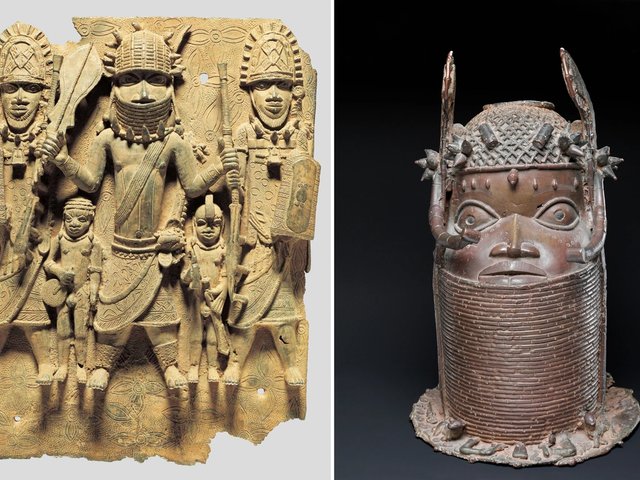
In 2022, the government, states and museums transferred ownership of more than 1,100 Benin bronzes from five museum collections to Nigeria, making Germany the first country to return hundreds of items looted in the British raid on the Kingdom of Benin in 1897. In 2024, the Prussian Cultural Heritage Foundation transferred ownership of 23 objects to Namibia, a former German colony.
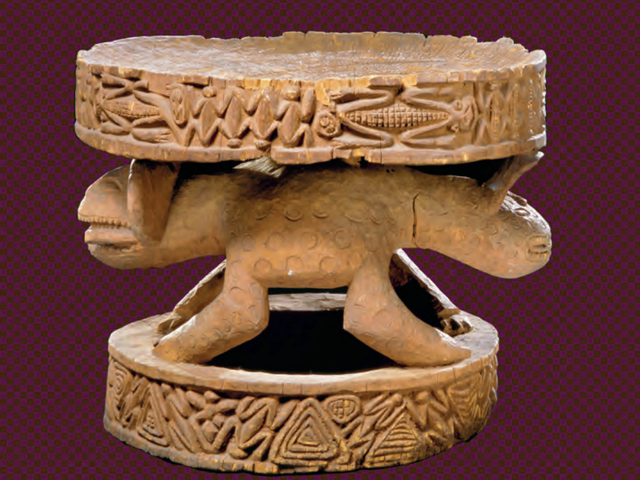
A study published in 2023 found that German museums of world cultures hold 40,000 objects from Cameroon, more than exist within the entire African collection of the British Museum. The Prussian Cultural Heritage Foundation agreed in 2022 to restitute a female figure known as Ngonnso that originated from the historical kingdom of Nso’ in northwest Cameroon and has great spiritual significance to the Nso’ community.
The transfer of ownership, however, has not yet taken place, as is the case with other pending restitutions by German institutions to countries including Ghana and Tanzania.