Following a dozen museum shows around Latin America exploring the deep and destructive consequences of colonial dispossession, the Chicago institution Wrightwood 659 is staging a cumulative survey that explores the loss of land, culture and language in the region and its consequences today.
Dispossessions in the Americas: The Extraction of Bodies, Land, and Heritage from La Conquista to the Present will include works by more than 35 contemporary Latin American artists, some of whom have never shown in the United States. Participants include the Guatemalan performance artist and poet Regina José Galindo, the Indigenous Peruvian artist Rember Yahuarcani, the late Cuban American conceptual artist Ana Mendieta, the Ecuadorian trans activist Purita Pelayo and the Colombian conceptual artist and film-maker Miguel Ángel Rojas. Altogether, their work seeks to show the impacts of dispossession on Indigenous, Afro-descendant, queer and trans communities.
“Very rarely do we find American exhibitions foregrounding aspects of dispossession,” says Jonathan D. Katz, a professor at the University of Pennsylvania, who co-curated the show with the independent curator Eduardo Carrera. “Yet this country was built on it.”
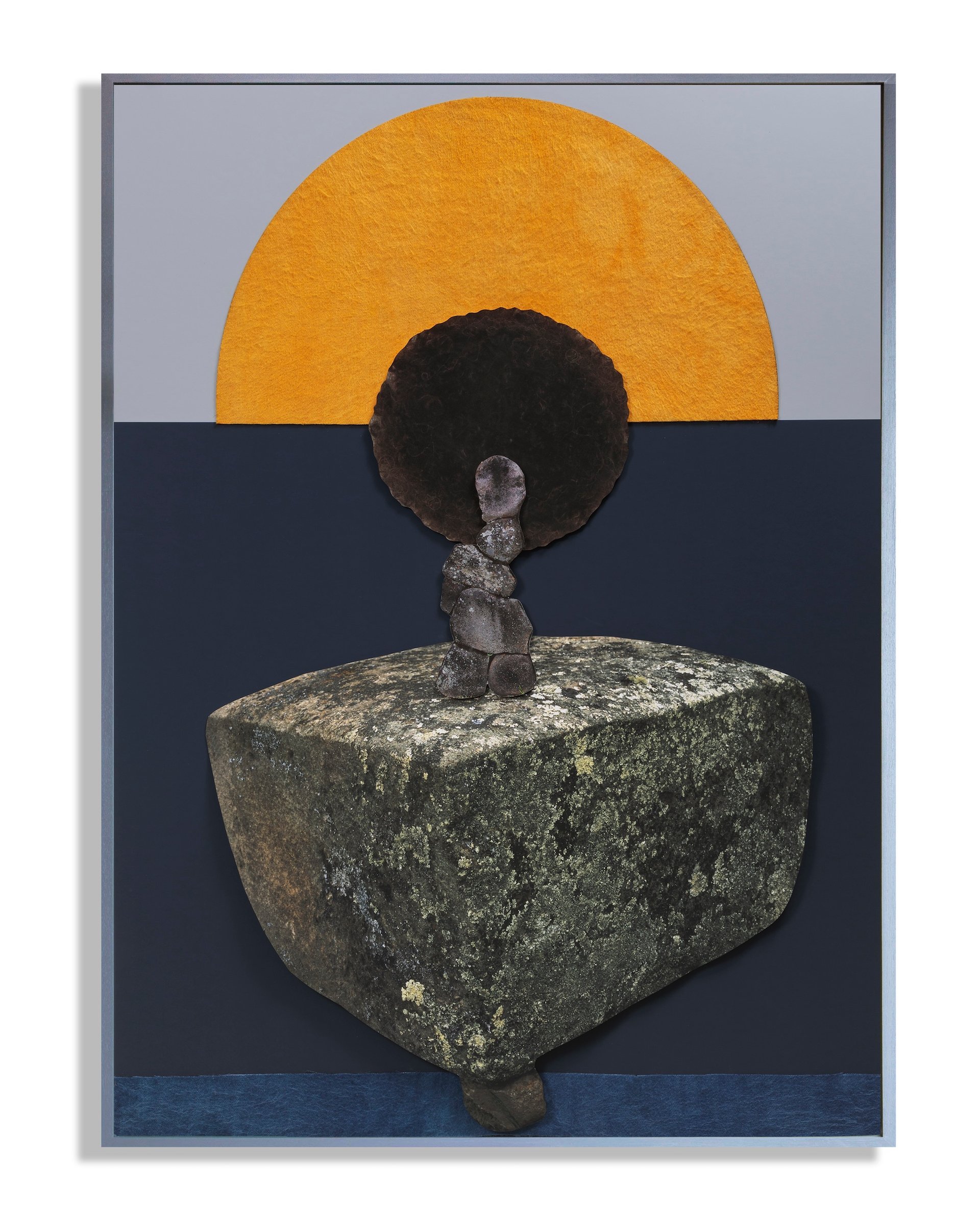
Karina Aguilera Skvirsky, Monumento al pasado para el futuro, Sol, 2024. Courtesy of RGR Gallery and the Artist.
The exhibition series is just one part of a $5m Mellon Foundation-supported research project of the same name at UPenn featuring studies, analyses, story-mapping, podcasts, films and curricula shown on an interactive map of the region. The arts portion, led by Katz, commissioned museums including the National Museum of Fine Arts in Santiago, the national museums of modern art in Bogotá and Mexico City, and the Fundación Klemm in Buenos Aires to stage and curate their own shows between 2021 and 2024.
“We felt that it was very important not to essentially reify the dispossession by coming in and doing the exhibitions ourselves,” Katz says. One requirement, however, was for each institution to acquire the work of an Indigenous artist not previously in its collection. The resulting shows, he says, were thoughtfully curated, including at the Lima Museum of Contemporary Art, where Amazonian artists travelled down the river to different villages with their works, rather than solely exhibit them in Lima.
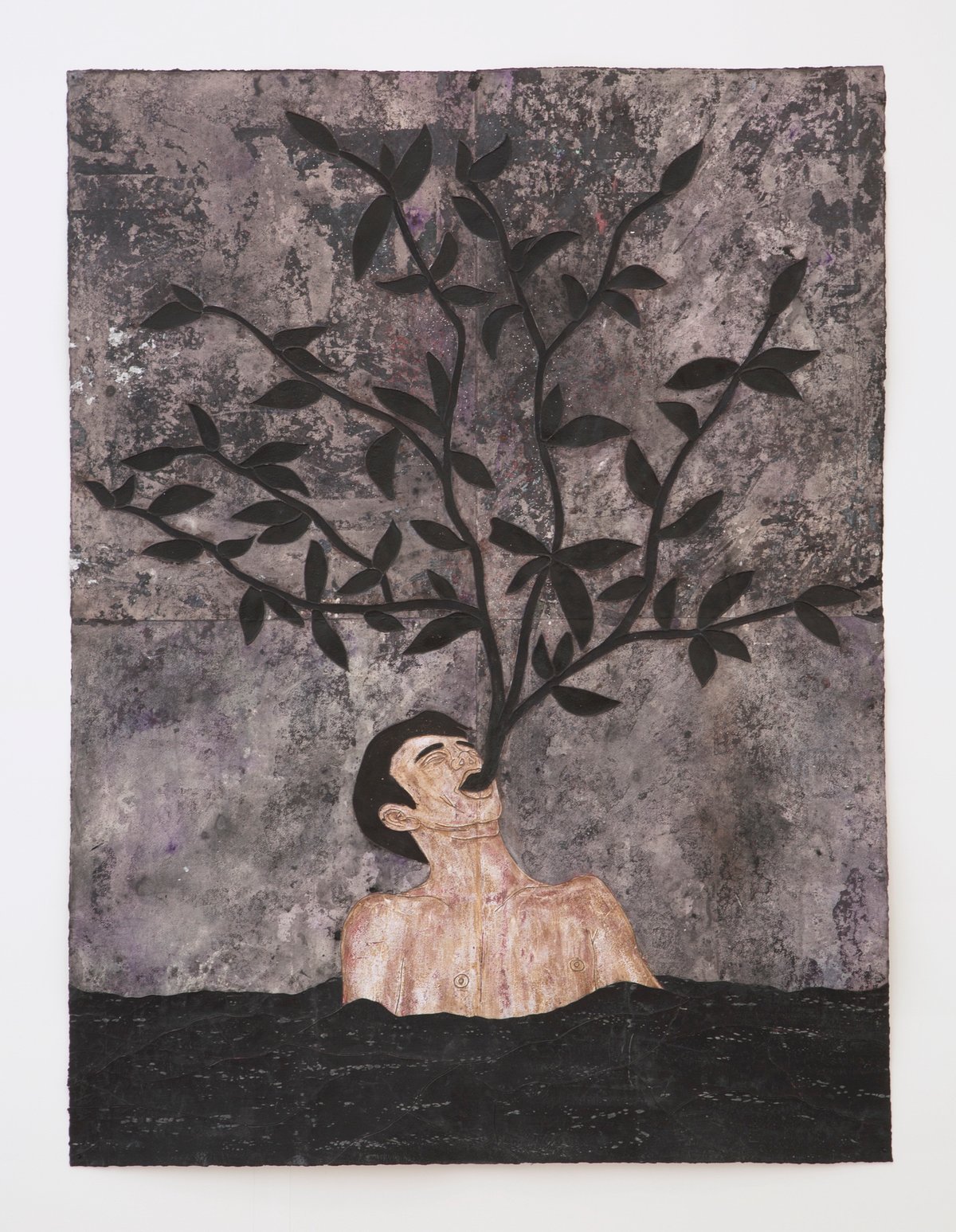
At Wrightwood 659, the works will include an ink and tempera painting by the Mexican artist Felipe Baeza showing foliage bursting from a figure’s mouth; pillows stitched by the Dominican artist Lizette Nin featuring the names of Chile’s family dynasties and the enslaved people in their employment; and a video performance piece by the Mapuche artist Seba Calfuqueo, in which she suspends her body above water, meditating on the privatisation of Chile’s water supplies under the dictator Augusto Pinochet.

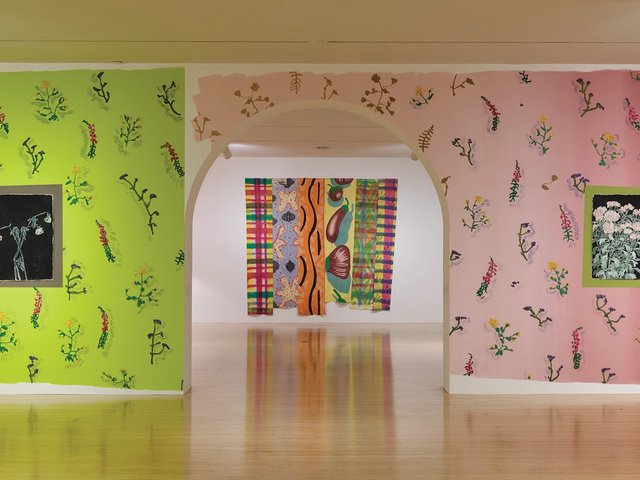
Seba Calfuqueo, Kowkülen (Ser líquido), 2020. Courtesy of the artist.
In addition to the photographs, sculptures, paintings, performance and installations housed inside Wrightwood 659, there will also be a video art series at the nearby Park Presbyterian Church, showing on weekends on a biweekly schedule.
Though the featured works in Dispossessions in the Americas date back to the 1960s, a turbulent period marked by US intervention in Latin America, they capture centuries of history. The show “fundamentally is about the continuing toll of colonialism and how ideas that date, after all, from the 1500s continue to animate so much of what goes on”, Katz says.
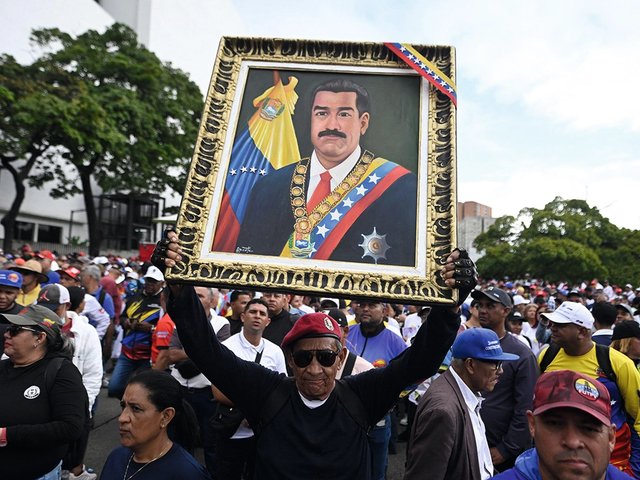
That toll has only become more apparent in the lead-up to the show, as Donald Trump’s administration deposed Venezuelan president Nicolás Maduro, conducted and supported military operations in Mexico and Ecuador, and has signalled a potential intervention in Cuba as well.

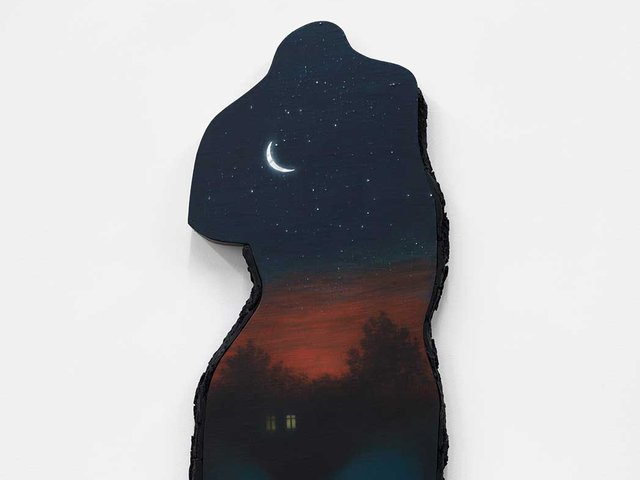
Saskia Calderón, Lunas que no vi, 2020. Courtesy of the artist.
“We have gone back over 100 years in our foreign policy thinking, and we operate the way colonial nations once freely operated,” Katz says. “And what I find astounding is that it doesn't seem to be troubling to the American people.”
He hopes that visitors will understand the continued threat of dispossession for Latin American heritage as they sit with the works. “What we need to do is stand in solidarity with these people, often against the interests of American corporations and their colonial aiders and abettors towards a kind of generative freedom in Latin America that is, unfortunately, more and more distant.”
- Dispossessions in the Americas: The Extraction of Bodies, Land, and Heritage from La Conquista to the Present, 17 April-18 July, Wrightwood 659, Chicago