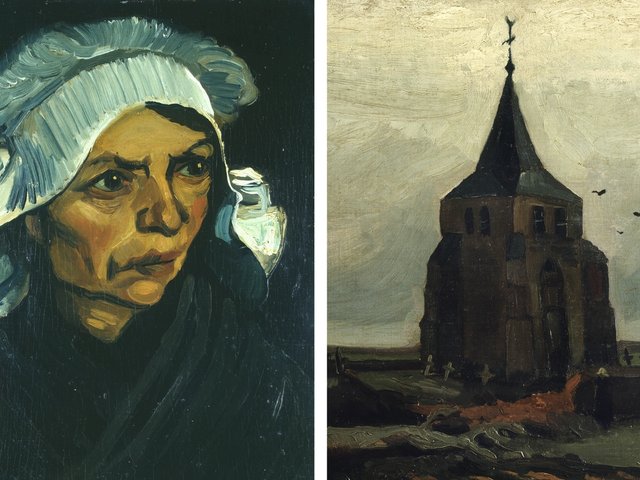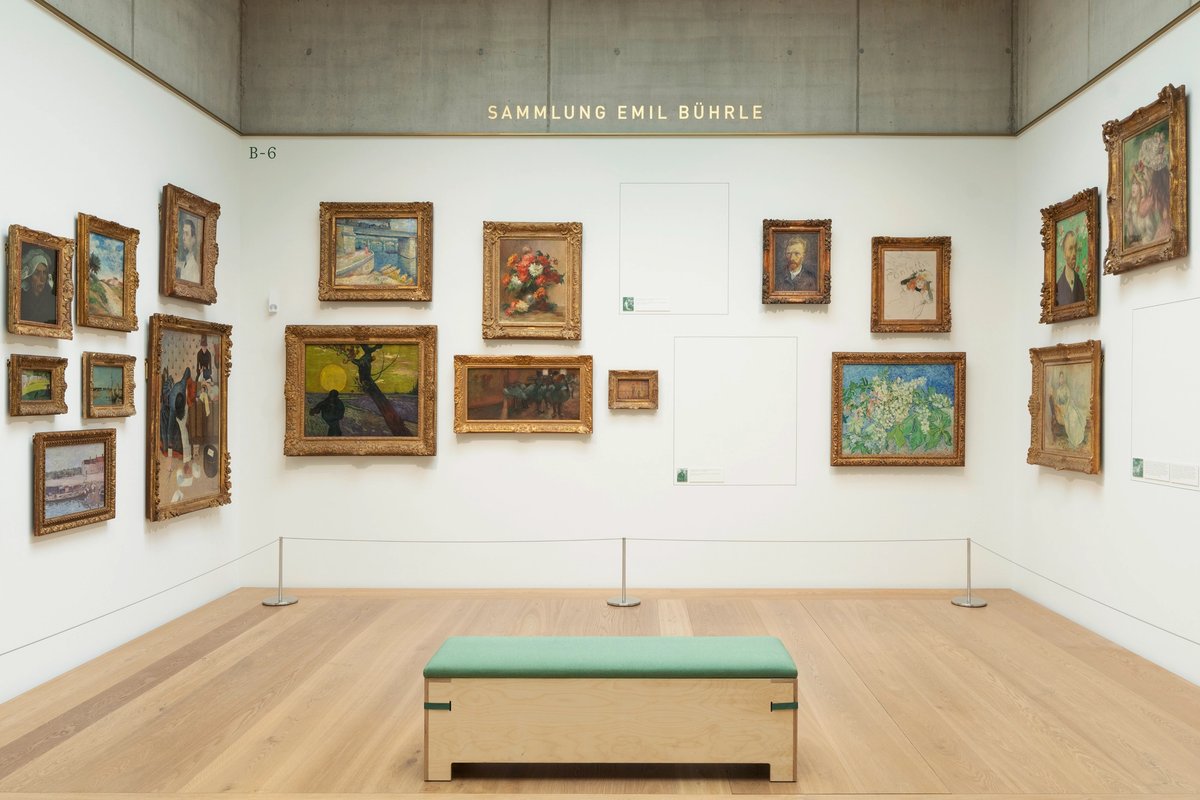

The Emil Bührle Collection has been completely redisplayed at the Kunsthaus Zurich, where it is on long-term loan. Opening this week, there are 205 works on show, including five paintings by Van Gogh, along with one fake. A sixth Van Gogh is being conserved, while a seventh has been withdrawn due to a Nazi-era issue.
The Bührle pictures arguably represent the world’s greatest private collection of Van Gogh’s works on public view (its only rival may be the Barnes Foundation in Philadelphia). The acquisitions, made in the mid 20th century, also provide a good cross-section of the artist’s works, both in terms of period and subject matter.
Emil Bührle (1890-1956), however, is a highly controversial figure. Based in Switzerland, he was once Europe’s most successful arms dealer, running the Oerlikon-Bührle armaments company. He made a fortune by selling weapons from neutral Switzerland during the Second World War and in later years.
When it came to art, Bührle amassed most of his collection during the Nazi period (1933-45) and in the immediate post-war period, including a significant number of pictures which had belonged to persecuted Jewish owners. Although comprehensive provenance data has been published on all of the paintings, questions still hang over a number of the works.
Since 2021 the Bührle pictures have been on long-term loan to the Kunsthaus Zurich, and they have already been presented in two displays. The most recent one included 115 selected works to illustrate sensitive issues surrounding provenance and funding. This latest display is a dense presentation of 190 of the 205 works.
Bührle’s Van Goghs
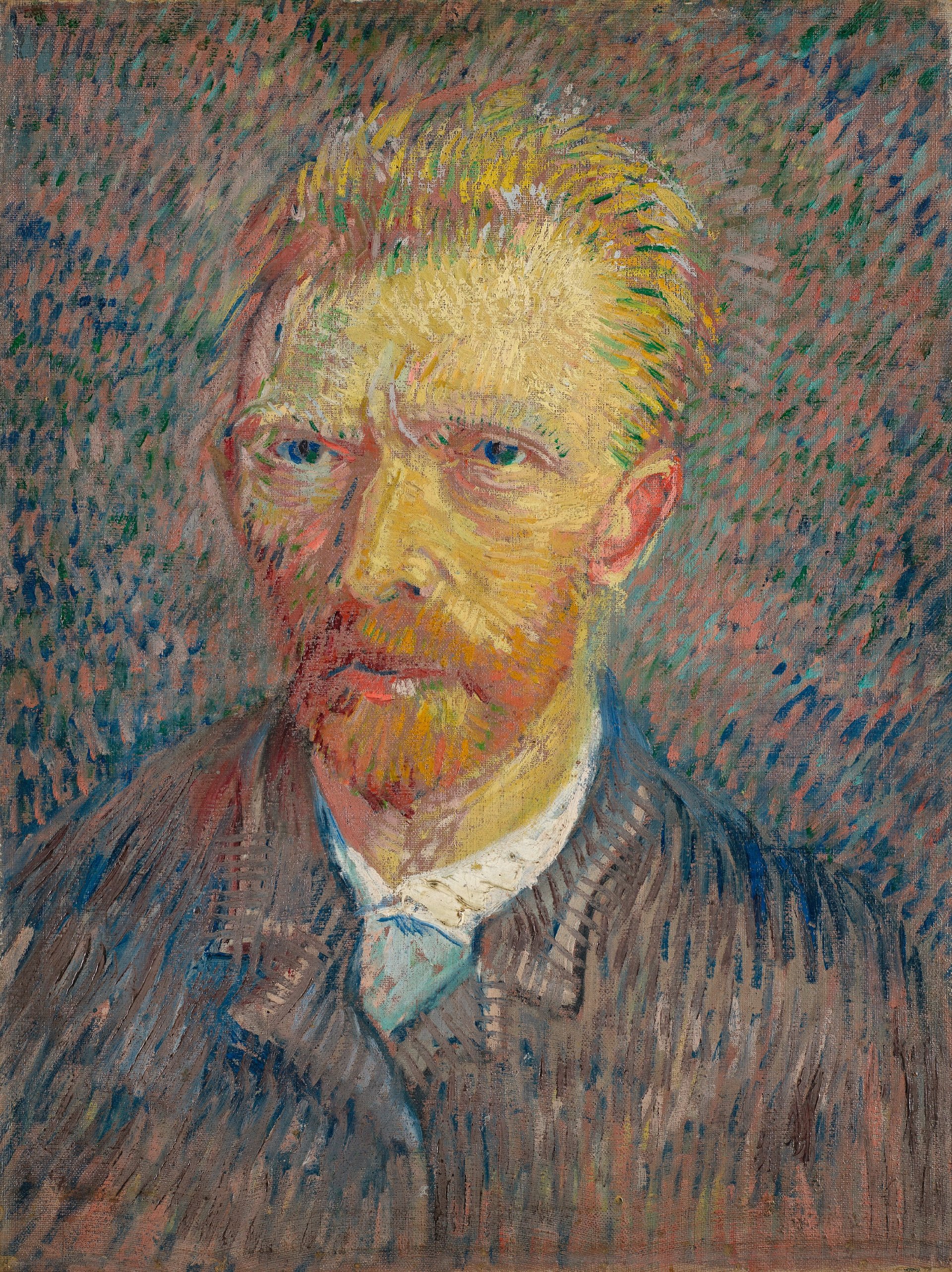
Van Gogh’s Self-portrait (summer 1887)
Emil Bührle Collection, long-term loan to Kunsthaus Zurich
The Bührle Self-portrait (summer 1887) dates from Van Gogh’s period in Paris, where he discovered the Neo-Impressionists, who painted with dots and dashes. Using vibrant brushwork, Van Gogh depicted himself wearing smart clothes and a serious, almost worried, expression.
Van Gogh originally gave the self-portrait to his artist friend Emile Bernard. After passing through two private collections, it was bought by Bührle in 1945.
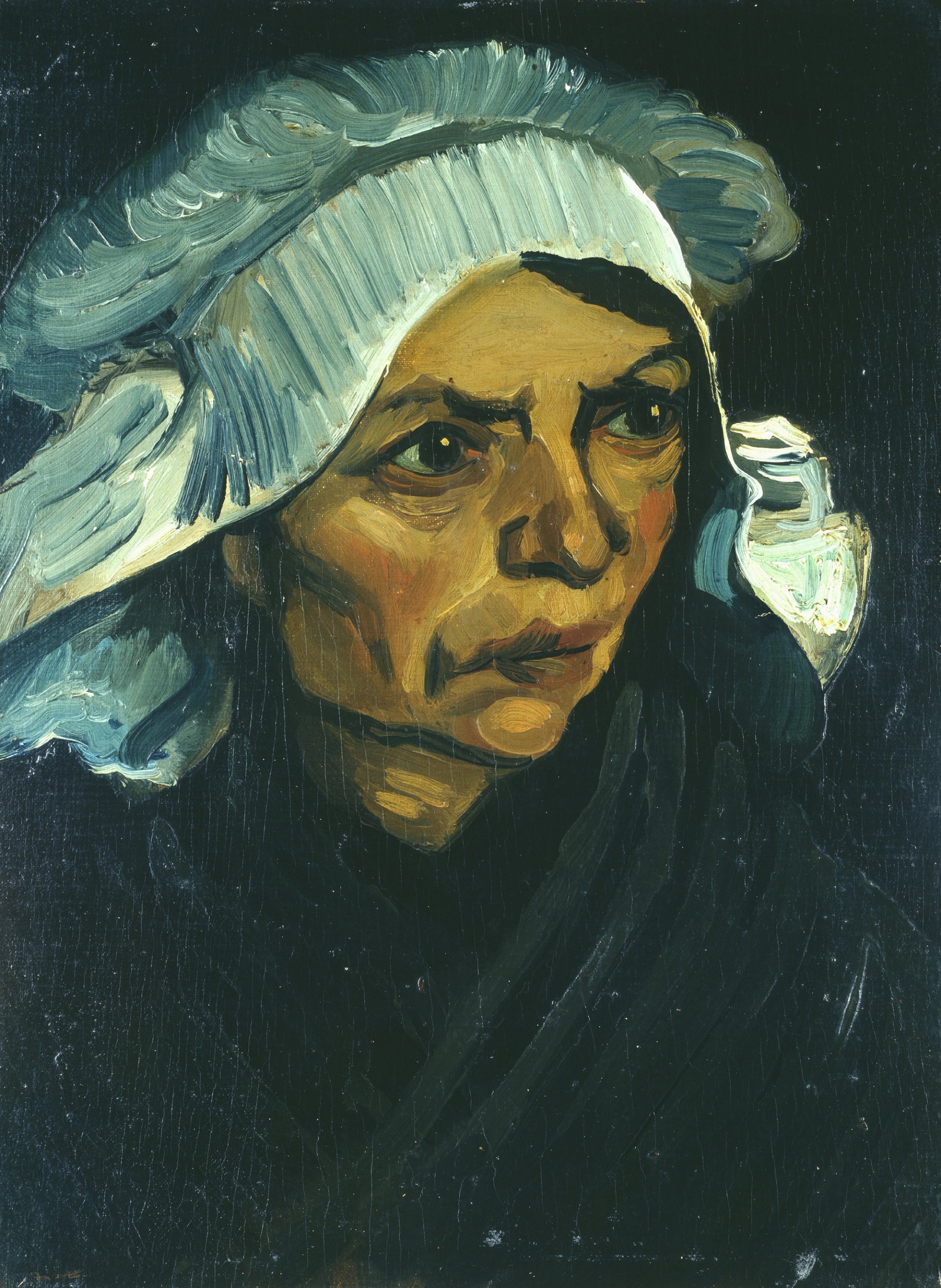
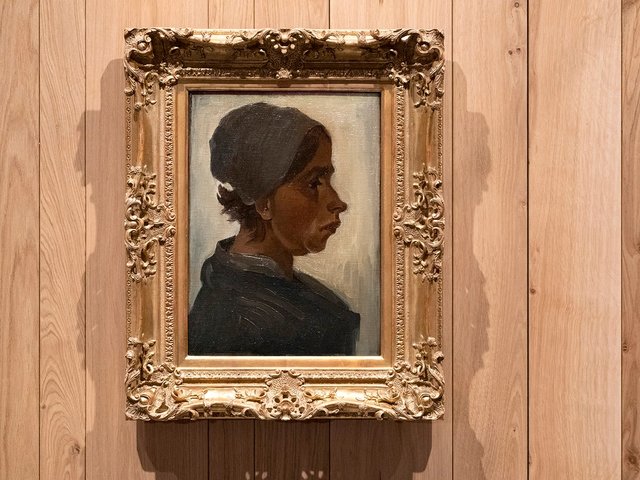
Van Gogh’s Head of a Peasant (March 1885)
Emil Bührle Collection, long-term loan to Kunsthaus Zurich
Head of a Peasant (March 1885), painted in the southern Dutch village of Nuenen, is the earliest Van Gogh in the Bührle collection. It is among around 40 paintings of peasant heads which the artist made before he produced his first early masterpiece, The Potato Eaters (April-May 1885).
In the mid 1920s, Head of a Peasant was bought by Gustav Schweitzer, a Jewish, Berlin-based paper factory director, although it is unclear whether he still owned it when the Nazis took power in 1933. Schweitzer fled Germany in 1934 or 35. Despite considerable research, it remains uncertain how the painting reached a Zurich dealer, who sold the painting to Bührle in 1941.
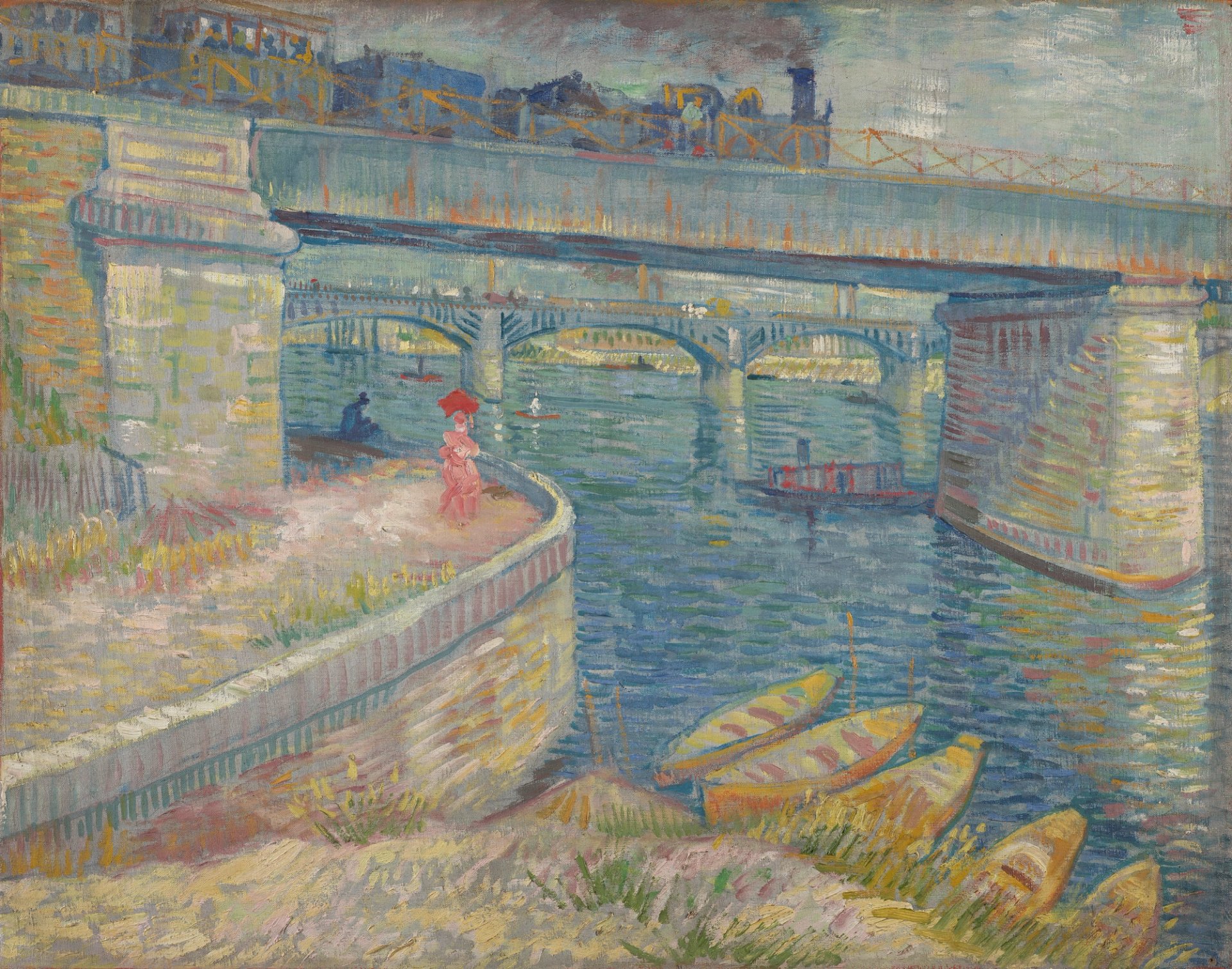
Van Gogh’s The Bridges of Asnières (May-July 1887)
Emil Bührle Collection, long-term loan to Kunsthaus Zurich
The Bridges of Asnières (May-July 1887) was painted in Paris, on the bank of the Seine in the northern suburbs. The style of the landscape was influenced by the Impressionists.
The riverscape was bought by Bührle in 1951 through the London dealer Marlborough Fine Art for £18,000. The picture would now be worth tens of millions.
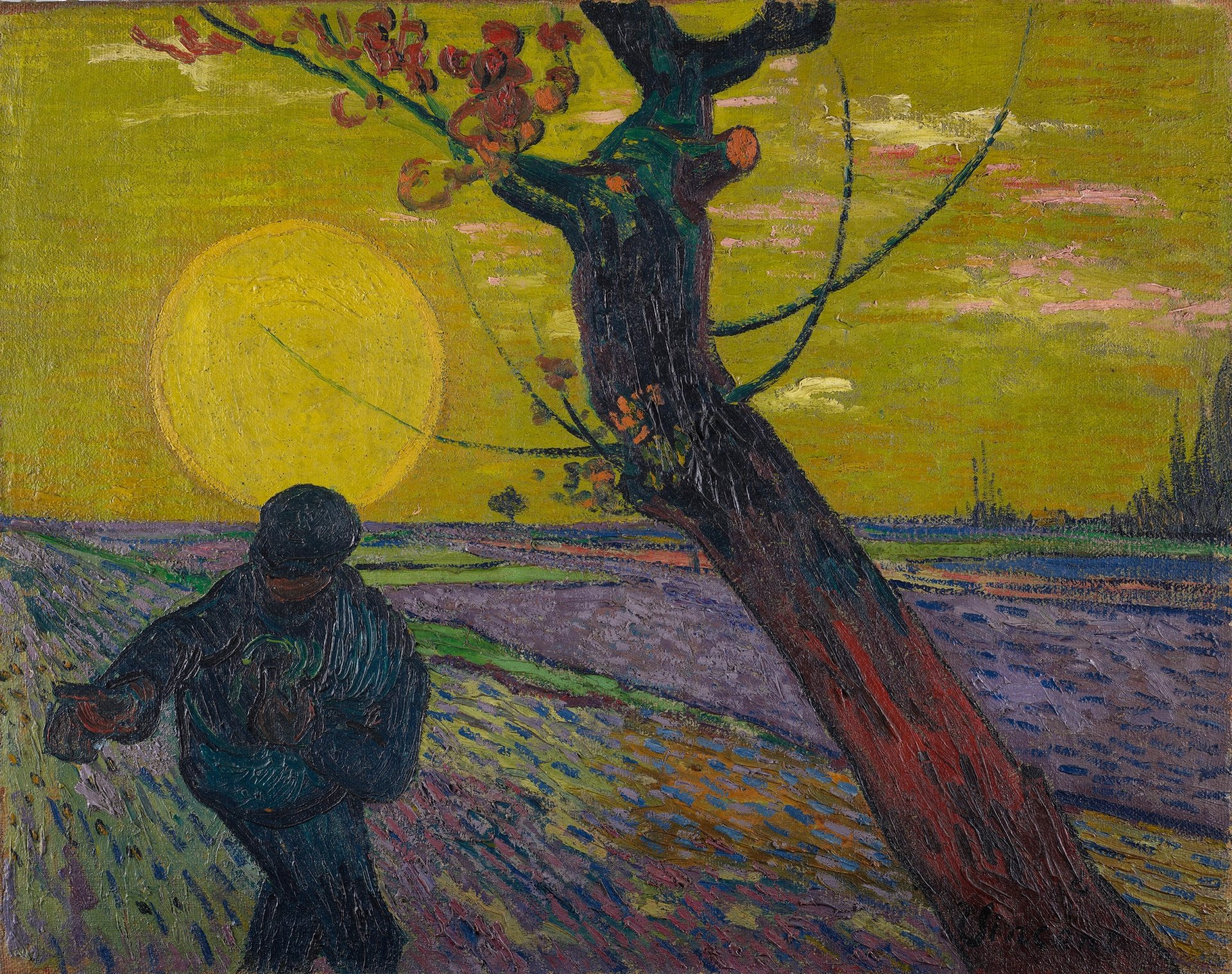
Van Gogh’s The Sower at Sunset (November 1888)
Emil Bührle Collection, long-term loan to Kunsthaus Zurich
The Sower at Sunset (November 1888) is one of the two Van Gogh masterpieces in the Bührle Collection. Painted in Arles, the figure of the sower is based on a Jean-François Millet print greatly admired by Van Gogh. The enormous sun is almost a halo over the peasant. The cropped tree is a motif adopted from Japanese prints, another source of admiration for Van Gogh.
The painting was owned by the Berlin-based von Mendelssohn family, relations of the composer Felix Mendelssohn. Bührle bought it in 1951.
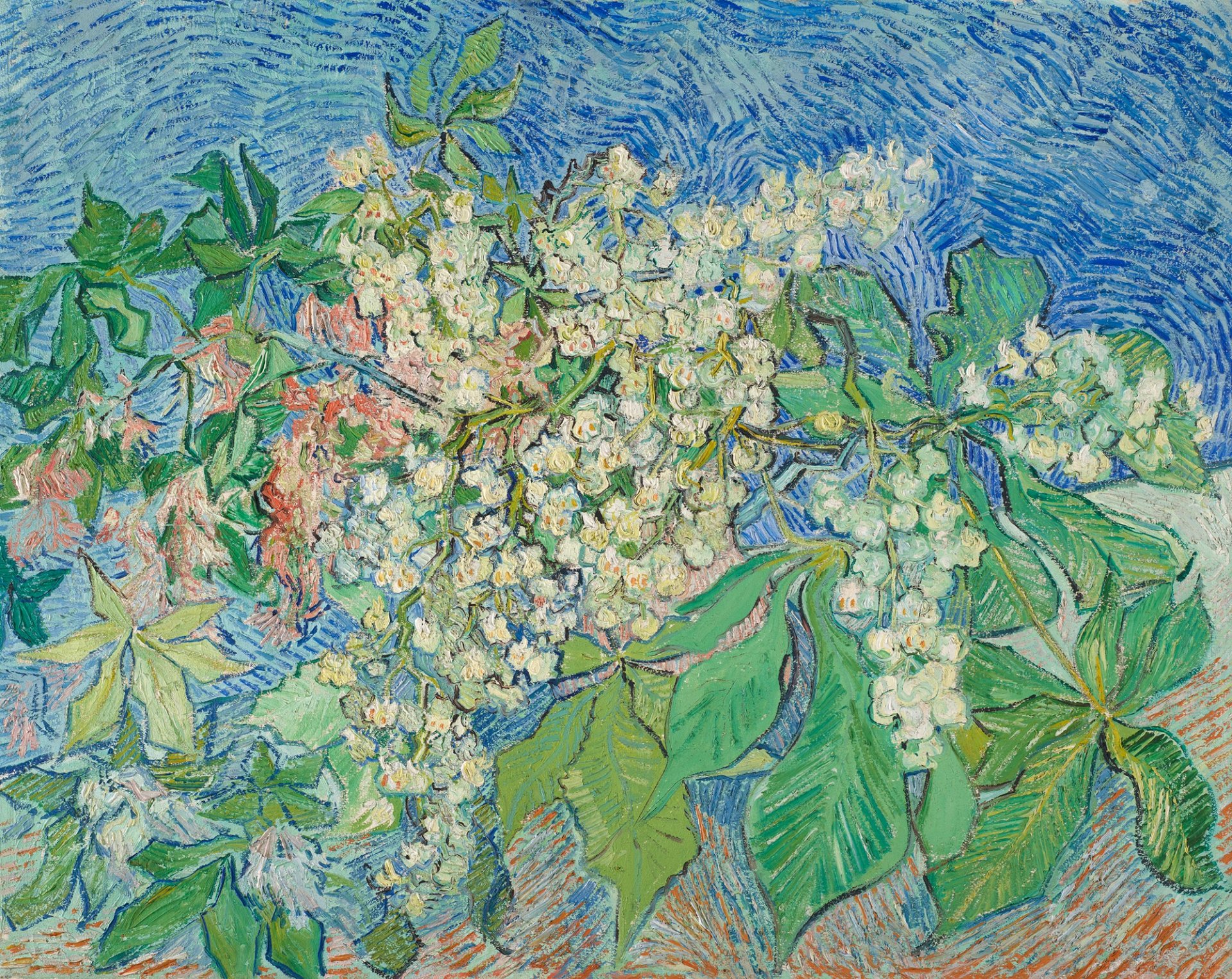
Van Gogh’s Branches of blossoming Almond (May 1890)
Emil Bührle Collection, long-term loan to Kunsthaus Zurich
The other masterpiece, a late work painted in Auvers-sur-Oise just two months before Van Gogh’s suicide, is a magnificent still life, Branches of blossoming Almond (May 1890).
It too was acquired in 1951. On 10 February 2008 Branches of blossoming Almond was stolen from the Zurich mansion where the Bührle collection was then on public display. Three other works by Paul Cézanne, Claude Monet and Edgar Degas were also seized. Eight days later, the Van Gogh and the Monet were found in an abandoned car outside a nearby psychiatric clinic. The Cézanne and Degas were recovered in Serbia four years later.
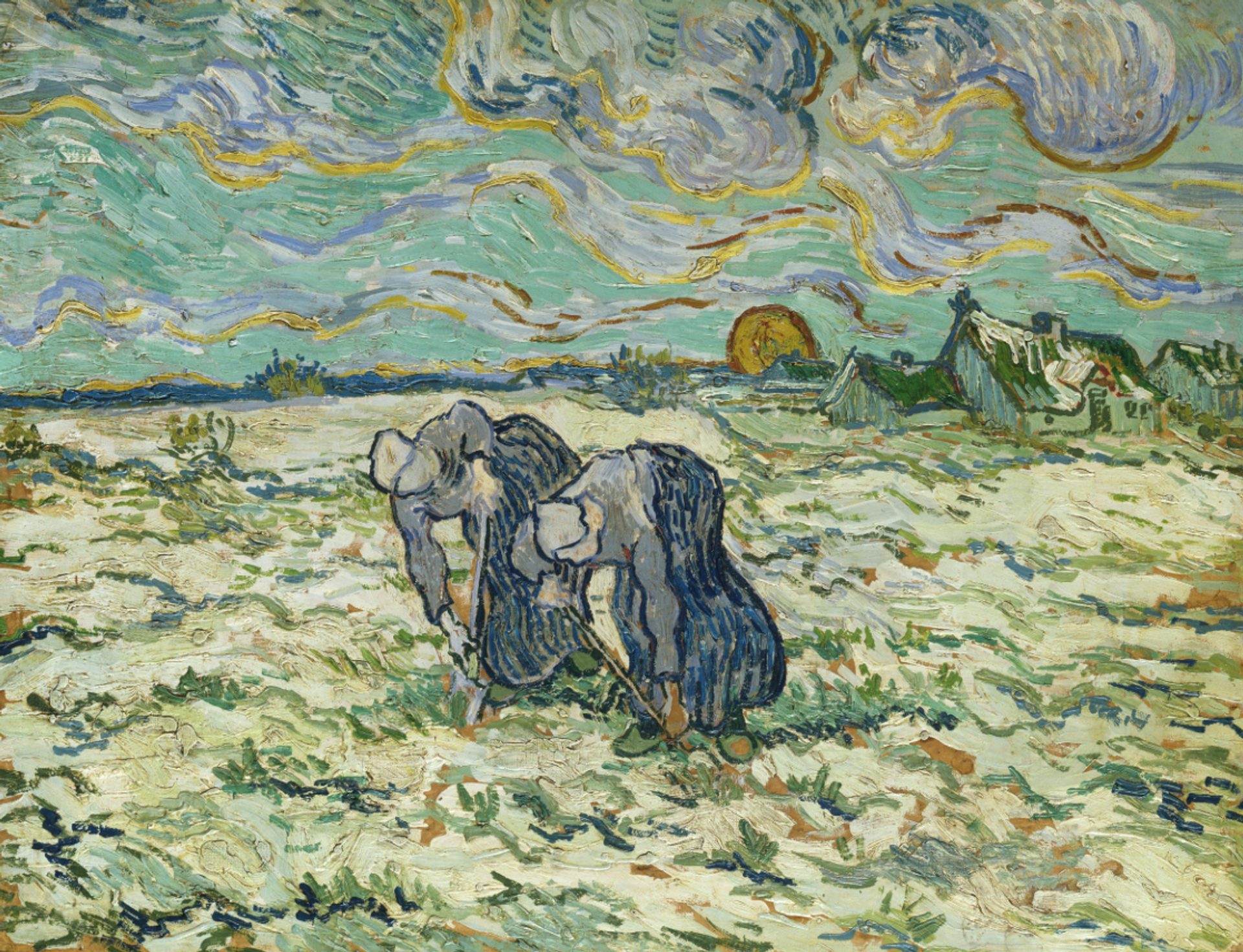
Van Gogh’s Two Peasants (April 1890)
Emil Bührle Collection, long-term loan to Kunsthaus Zurich
Two other Van Gogh paintings from the Bührle Collection are not shown in the rehang. Two Peasants (April 1890), dating from Van Gogh's stay at an asylum outside Saint-Rémy-de-Provence, reflects the artist’s memories of his early years in Brabant.
Bührle bought the picture in 1949. Two Peasants is not currently on display for conservation reasons (it was painted on paper and can only be shown occasionally to minimise its exposure to light).
Van Gogh’s The Old Tower (July 1884)
Emil Bührle Collection, Zurich
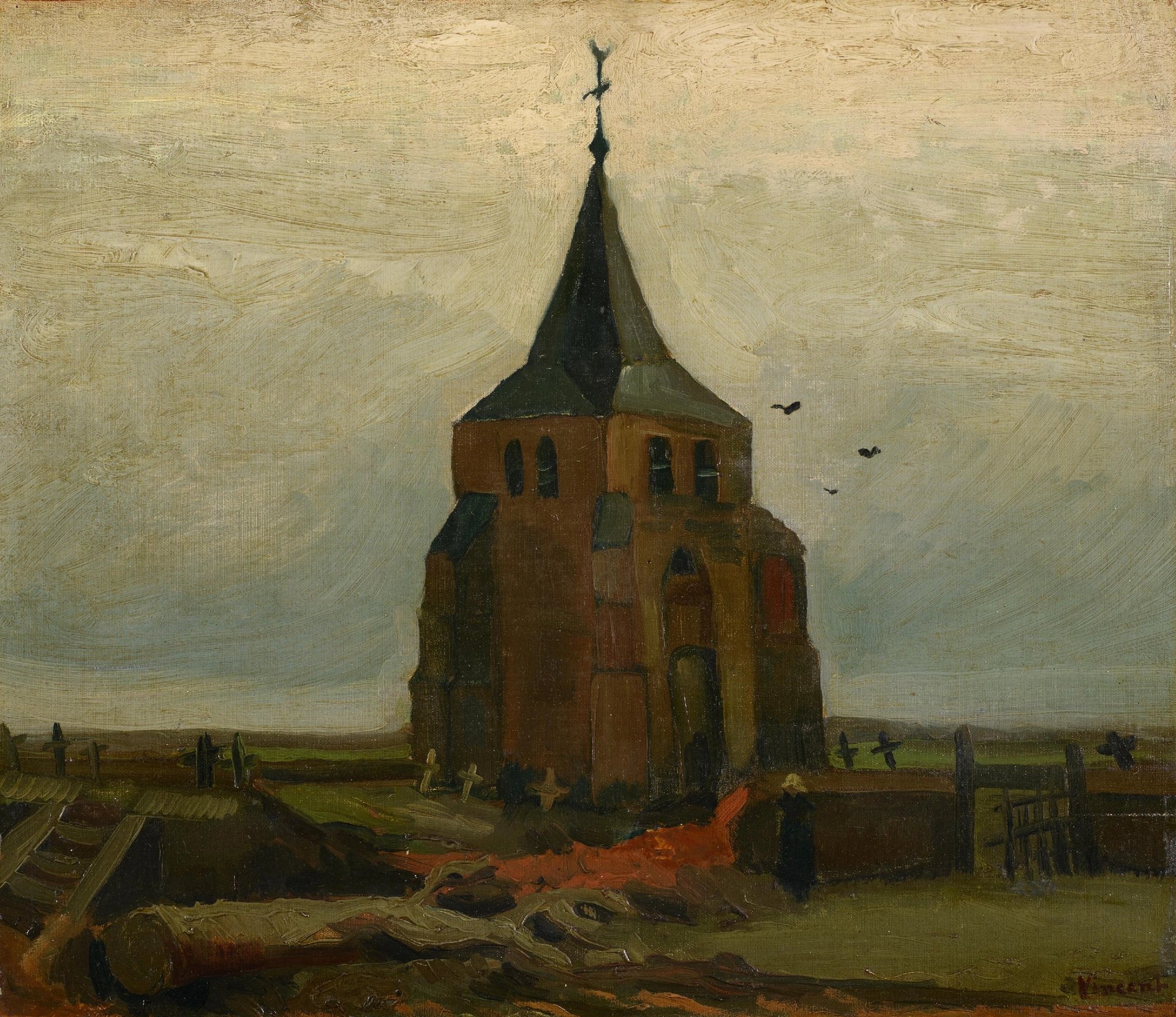
The Old Tower (July 1884), painted in Nuenen, depicts the tower of the church where Van Gogh’s father had served as pastor. His father had died in March, four months earlier, and had been buried in the cemetery surrounding the tower.
The Old Tower was withdrawn from the Kunsthaus Zurich in 2024 following a Nazi-era issue. In 1930, the painting had been purchased by the German dealer Walter Feilchenfeldt, who ran the Paul Cassirer gallery. Three years later he emigrated from Berlin to Amsterdam, since being Jewish he faced persecution, and The Old Tower was sent to Switzerland for safekeeping.
When war broke out, Feilchenfeldt was in Switzerland, where he remained. In 1942, he sold The Old Tower to the St. Gallen dealer Fritz Nathan, who sold it on to Bührle in November 1945, soon after the war. The question that arises is whether Feilchenfeldt’s sale was “forced” because of his financial circumstances. In 2024, the Emil Bührle Foundation announced that it hoped to reach “a fair and just solution” with Feilchenfeldt’s heirs, but no agreement has been reached.
Bührle had also bought five other Van Gogh paintings which were not given to his foundation. Instead, they passed to other family members. These included a version of Wheatfield with Cypresses (June 1889), which in 1993 was sold by the collector’s son Dieter for $57m. Funded by American businessman and philanthropist Walter Annenberg, it went to New York’s Metropolitan Museum of Art.
And a fake
Van Gogh’s Self-portrait for Gauguin (September 1888) and Judith Gérard’s modified Self-portrait for Gauguin (1897-98)
Fogg Museum, Harvard Art Museums, Cambridge, Massachusetts and Emil Bührle Collection, long-term loan to Kunsthaus Zurich
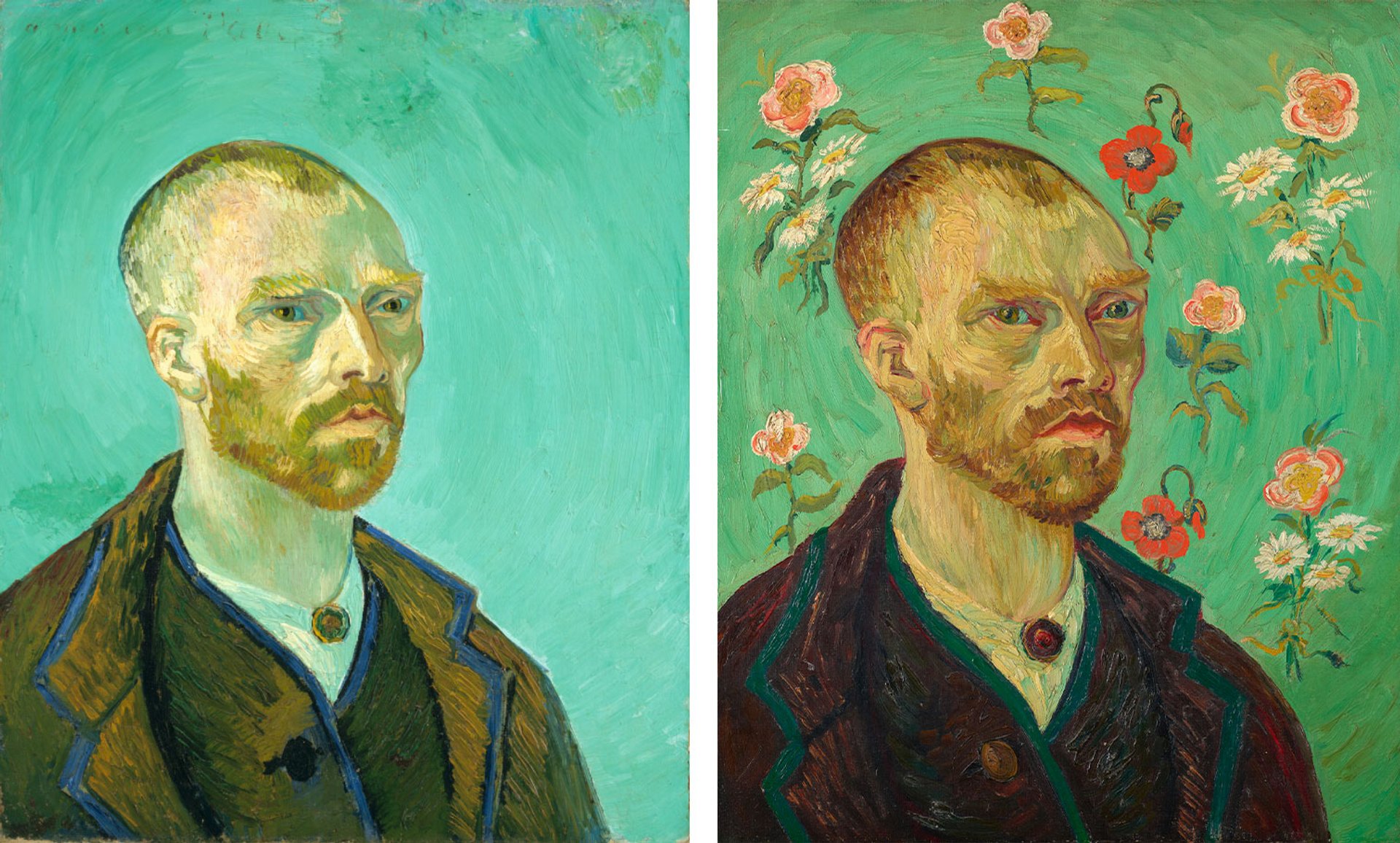
In 1898 an early admirer of Van Gogh’s work, the artist Judith Gérard, painted a copy of the authentic Self-portrait for Paul Gauguin (September 1888). The original Van Gogh is now at the Fogg Museum, part of Harvard Art Museums. Gérard created her own version out of admiration, without any intention to deceive.
Gérard’s painting changed hands four years later, and was then modified by someone else, probably the French artist Emile Schuffenecker, who overpainted her signature and added the floral background. It was later deceitfully sold as a Van Gogh.
The painting was bought in 1911 by a Berlin collector, Paul von Mendelssohn-Bartholdy. Although Gérard had published her story in 1931, this had attracted little attention and the painting was widely still believed to be authentic. In 1948, Bührle acquired it as a Van Gogh, but four years later he was advised it was a fake, a judgement he accepted. It is now on display as a curiosity.
Other Van Gogh news
A Van Gogh Museum spokesman has told The Art Newspaper that its threatened closure now looks set to be avoided. Last August it was revealed that the Amsterdam museum faced shutting to the public unless the Dutch government provided financial support. The museum was taking the dispute to court.
This week a museum spokesperson said that recent discussions with the Ministry of Education, Culture and Science have made good progress: "Although a number of details are yet to be agreed, both parties see sufficient grounds to continue talks in order to reach a definitive solution. In light of this, it has been decided to postpone the legal proceedings. Both parties aim to conclude the mediation before the summer."