It’s a truism that the art market is not a monolith. Less appreciated is that it is not an island. For millennia, the trade’s topography has been shaped and reshaped by larger forces in politics, economics, social relations and more.
This is the thesis of Trading Beauty: Art Market Histories from the Altar to the Gallery, a new book by the former Gagosian director Valentina Castellani (out 1 May). She argues that societal dynamics have upended the trade again and again, giving a lineage of astute outsiders the chance to become insiders, who reorient taste and revise key market structures.
“Valuation criteria are always evolving,” Castellani tells The Art Newspaper. “They are not static givens.” Crucially, her comment is about more than just the price shifts certain works of art undergo over time. It is a nod to the overarching systems that determine which types of art are seen, by what means and why—questions that become far easier to answer when viewed through Trading Beauty’s prism.
Artists were not free thinkers that would wait for inspiration, create a work of art and then look for a buyerValentina Castellani, gallerist and author
Castellani opens in the Middle Ages. Through to the end of the early Baroque period, she notes, the concept of an art market was almost a contradiction in terms. Painters, sculptors and architects were strictly dues-paying guild members performing work for hire. “Artists were not free thinkers that would wait for inspiration, create a work of art and then look for a buyer,” she says. “For a work of art to exist, a patron had to ask an artist to produce it.”
For more than 500 years after the Roman Empire collapsed in 476AD, Europe’s patrons consisted entirely of the Catholic church and various monarchies. Even after the Medici banking dynasty supercharged the nascent private patronage model around the turn of the 16th century, all works were still strictly made on commission. Moreover, each commission was governed by a contract with “specific criteria and limitations”, Castellani says, down to caps on the amounts of certain expensive materials that would be used. Violating the terms of a deal could trigger penalties, a request for revisions or even cancellation of the contract.
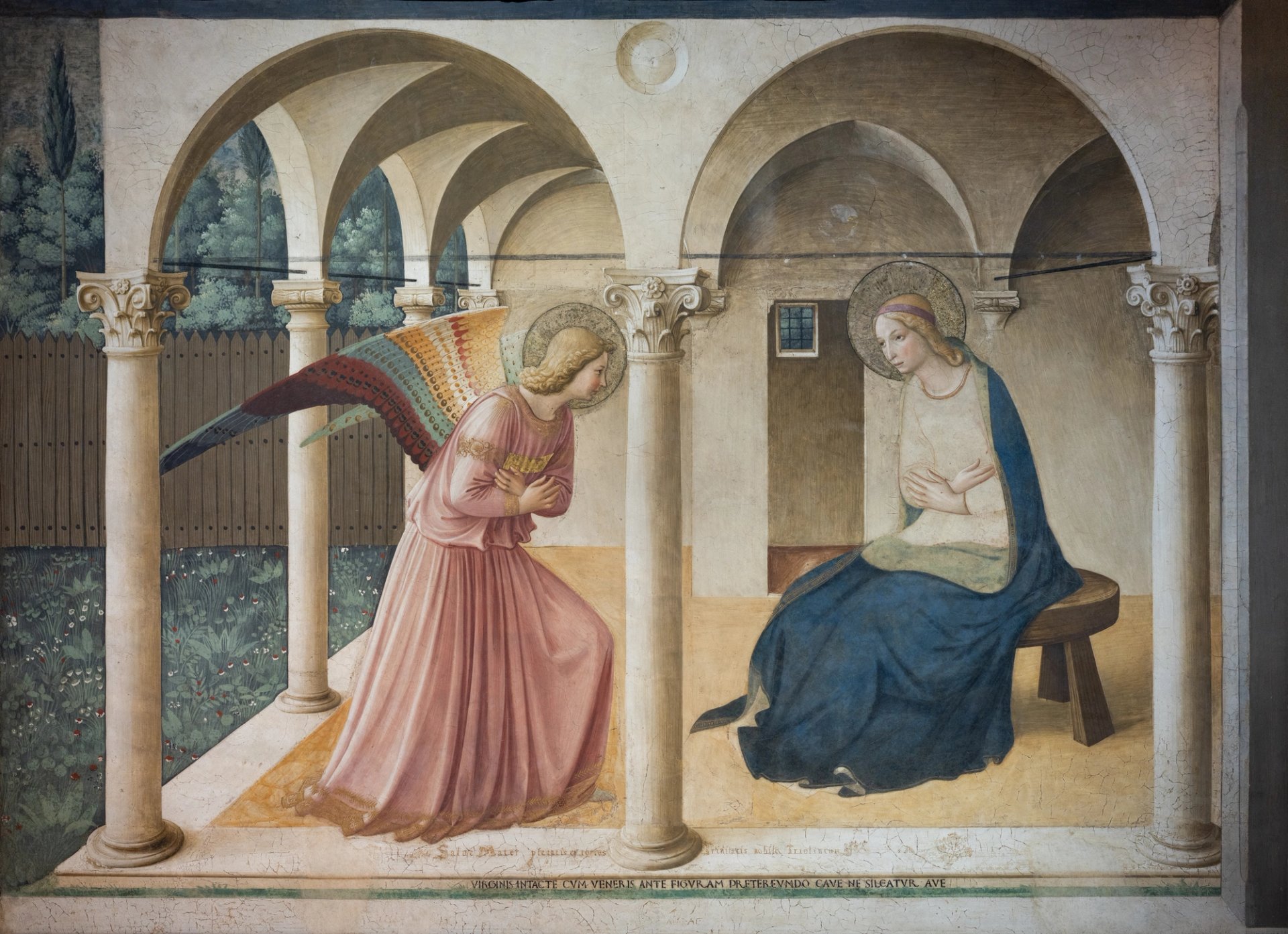
In the 15th century, Cosimo de' Medici hired Fra Angelico to decorate the walls of the refurbished Convent of San Marco in Florence with intricate frescos, including The Annunciation (1440–45). At this time, there was no concept of a professional art dealer: all works were still strictly made on commission
Museum of San Marco
It took Giorgio Vasari’s The Lives of the Most Excellent Painters, Sculptors and Architects in 1550 to introduce patrons to the concept of creative genius. This shift gave artists quasi-insider status and actual negotiating power, a prelude to a larger market evolution.
After winning independence from Catholic Spain in 1648, the Dutch Republic became the seat of the first open art market owing to mercantile prosperity and the absence of church patronage. This seismic shift spawned the professional art dealer, who could react to the taste of a buyer base that stretched as far as the working class. What thrived were new genres that matched the experience of Dutch private patrons, such as landscapes, still lifes and domestic interiors.
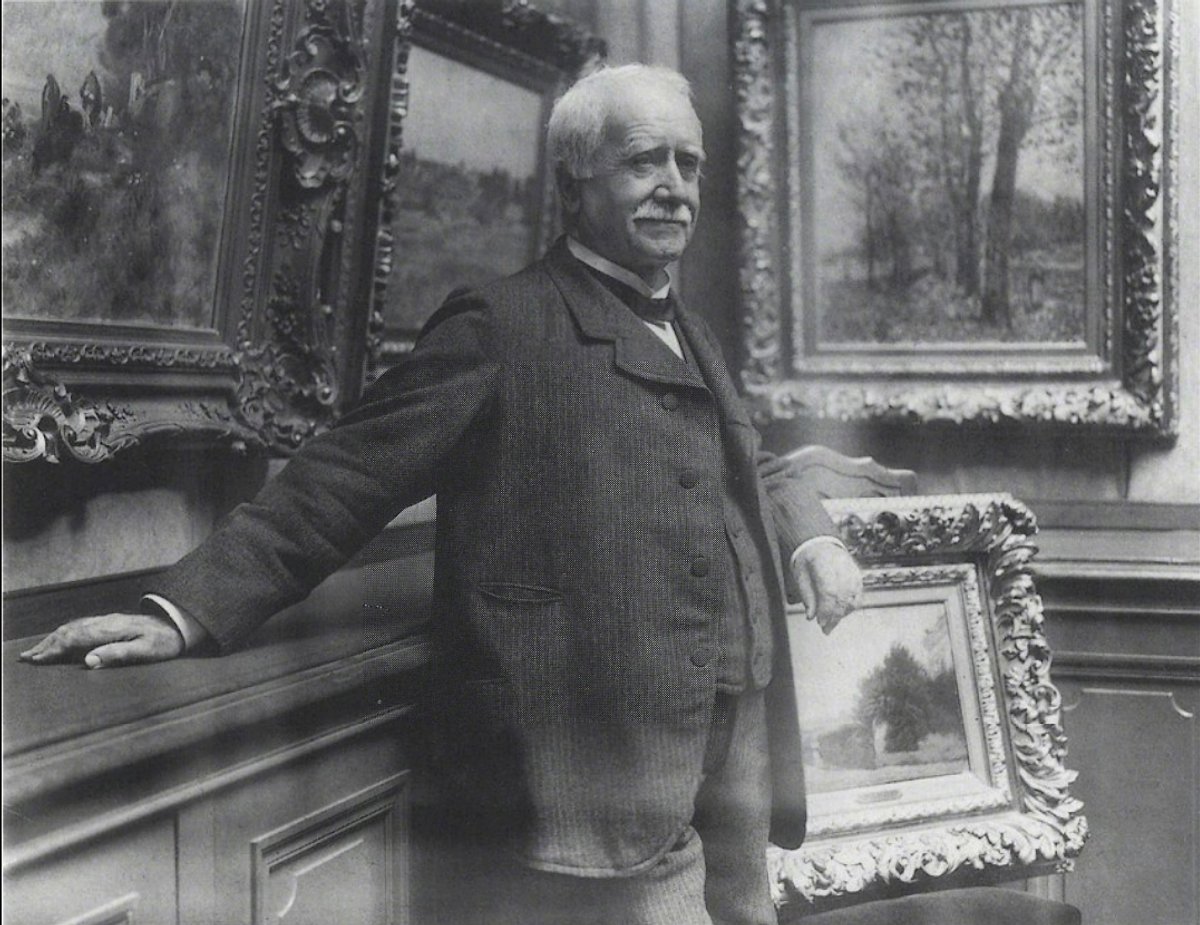
Savvy dealers have been harnessing the winds of societal change to bring previously outré art to centre stage ever since. Paul Durand-Ruel built a market for the Impressionists by leveraging not only their novel vocabularies but also the anti-establishment energy that enabled them to show outside the official French Salon after 1863. Joseph Duveen capitalised on the explosion of new American wealth in the Gilded Age to push the market for European Old Masters to new heights. Leo Castelli and Ileana Sonnabend’s success with Pop art was made possible by a post-war economic boom and the new consumer culture it seeded.
But for every vaunted dealer another with tremendous vision has fallen through history’s cracks. Trading Beauty joins recent efforts to rescue several of these, including Johanna van Gogh-Bonger, a key steward of Vincent van Gogh’s work; New York-based Edith Halpert, whose Downtown Gallery became the first exclusively dedicated to contemporary US artists in 1926; and Augusta Savage, the founder of the Salon of Contemporary Negro Art, which championed Black US artists during the Harlem Renaissance.
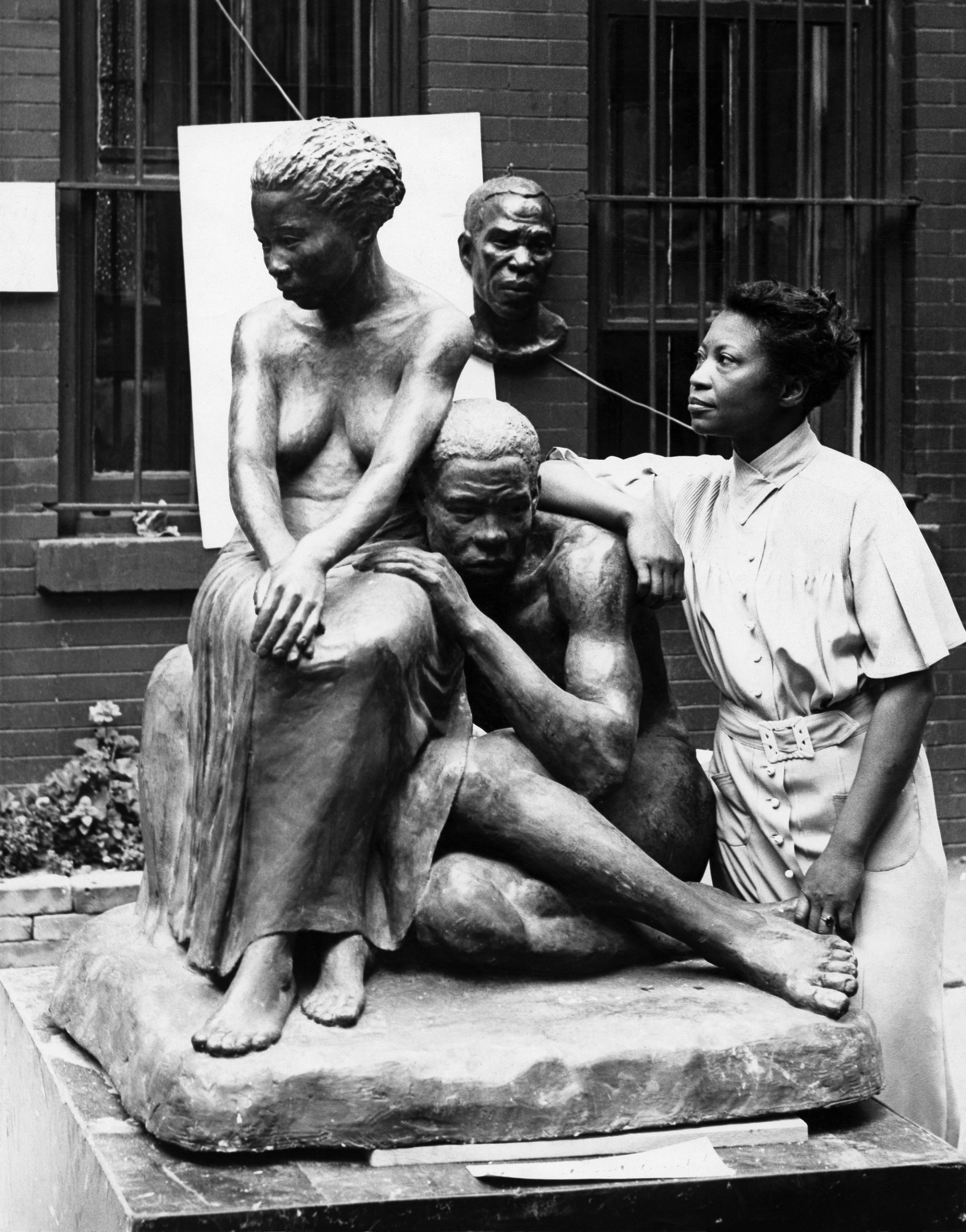
Augusta Savage with some of her work
What prevented these and other overlooked dealers from making the same outsider-to-insider transition? “Sometimes the social, economic and political circumstances are really against these people,” Castellani says. “Now we appreciate and value that they are pioneers, but at the time it was impossible to work against a world that was actually not seeing them.”
• Valentina Castellani, Trading Beauty: Art Market Histories from the Altar to the Gallery, Gagosian, 308pp, $40 (hb), published 1 May