The Van Gogh Museum and the Dutch government are in mediation talks after the world-renowned museum began legal proceedings to demand more public funding for a renovation.
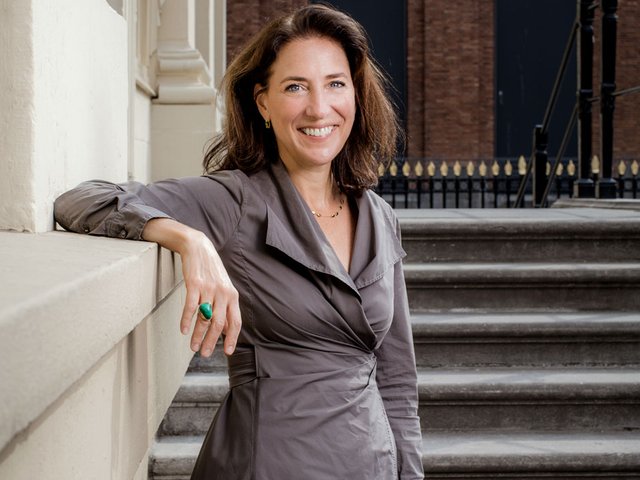
In an interview with The New York Times last August, Emilie Gordenker, the Van Gogh Museum’s director, claimed that the museum in Amsterdam could be forced to close unless the culture ministry increased its annual subsidy by €2.5m.
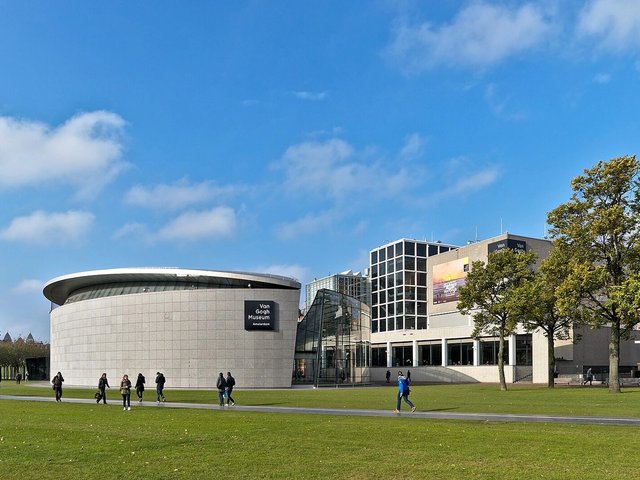
According to a press release that summer, the museum is planning a three-year renovation of its dated buildings in 2028, costing a total of €104m, including €76m for maintenance, €23m for sustainability measures and €5m for “improvements”.
Renovation vs maintenance
The Dutch government, which is facing a budget deficit approaching the 3% European limit, said last year that it considered the museum’s €8.5m subsidy to be sufficient and that the museum “will have to contribute itself … particularly when it concerns work beyond necessary maintenance”. Although a new minority coalition has been in place since February under the centre-left D66 prime minister Rob Jetten, the museum has gone ahead with its court case.
But three days before the first hearing was due, a Van Gogh Museum spokesperson told The Art Newspaper that mediation talks were making “good progress”. They added: “In light of this, it has been decided to postpone the legal proceedings. Both parties aim to conclude the mediation before summer.”
Indefinite adjournment
In a briefing to the Dutch parliament, Culture Minister Rianne Letschert confirmed that the court had granted an adjournment “for an indefinite period”, adding that the content of the talks needed to remain confidential.
The debate has stirred up emotion in the Dutch museum world, where structural public funding has decreased and many smaller institutions are struggling to survive in the wake of the Covid-19 pandemic. Regional museums privately point out that—unlike the Van Gogh Museum—they struggle for international press attention and do not have the name recognition to attract big private donors.
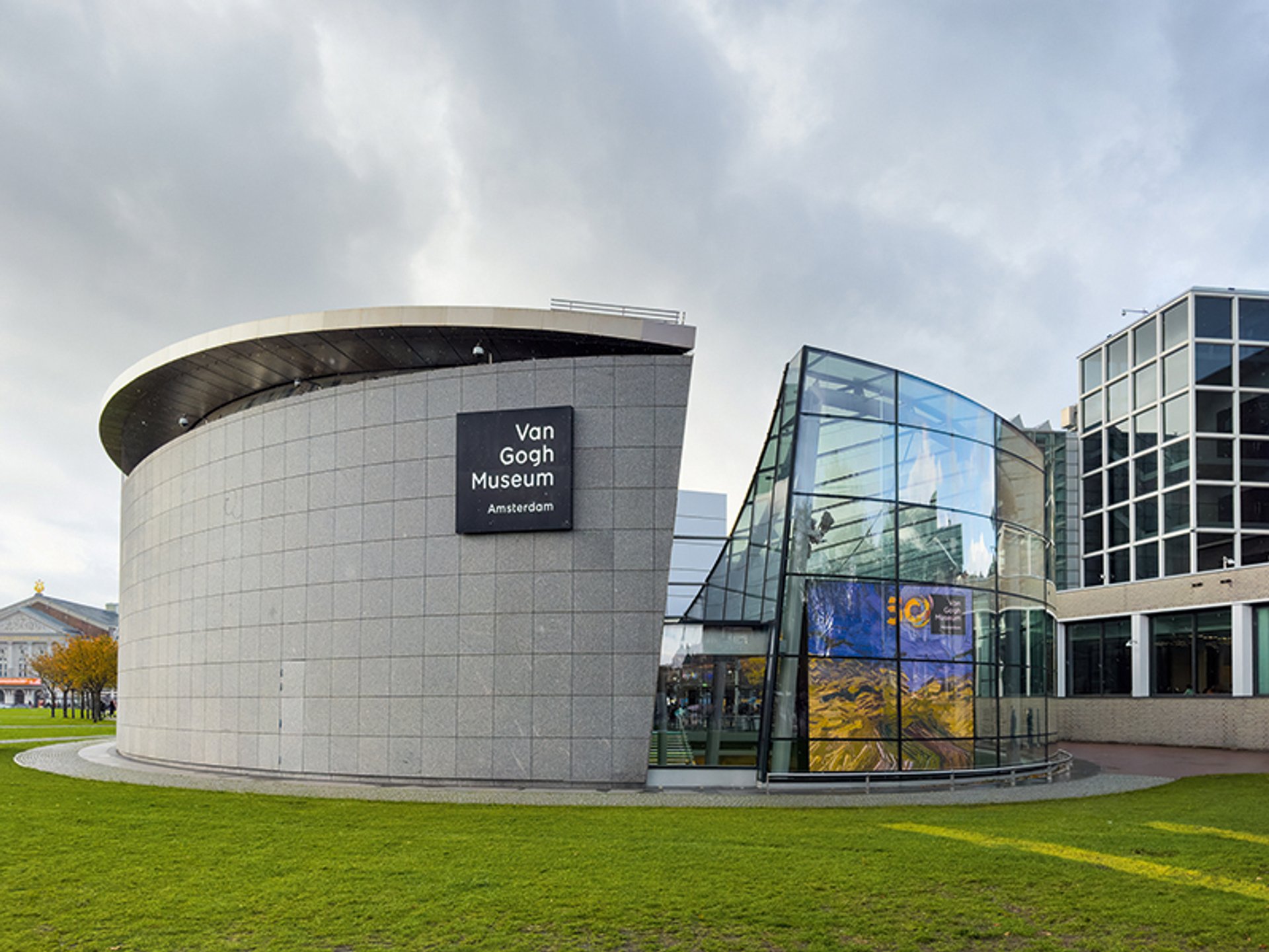
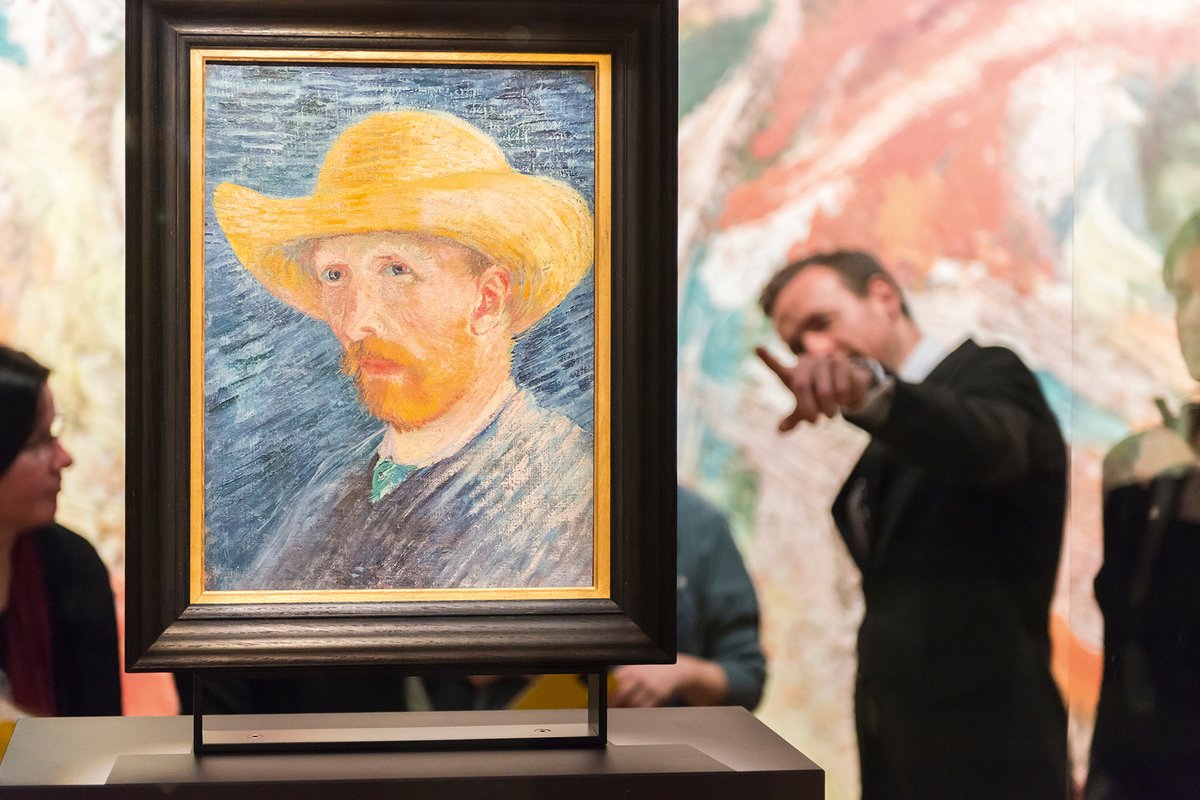
The Amsterdam museum is planning a three-year, €104m renovation of its dated buildings
K I Photography
The Van Gogh Museum has, meanwhile, deliberately reduced annual visitor numbers by a fifth and, according to its most recent annual report, had 1.8 million visitors, profits of €2.9m and a €2.3m increase in donations from funds and foundations for art acquisitions in 2024.
The Dutch museums association, the Museumvereniging, said all museums, and especially smaller ones, are struggling. “It is important for a museum to generate a healthy mix of income streams, including ticket sales, hospitality, museum retail, as well as public and private investment,” a spokesperson says.
Breaching Van Gogh family agreement
A recent report by the Dutch Council for Culture found that funding for cultural institutions declined as a percentage of government spending from 0.47% in 2005 to 0.35% in 2023—but private donations have not filled the gap. “Smaller museums in particular struggle to secure sufficient funding from the philanthropic ‘market’,” the Museumvereniging spokesperson says.
The Van Gogh Museum claims that the Dutch government has a duty to pay for renovations under the terms of an agreement Vincent van Gogh’s family made with the state in 1962—transferring ownership of more than 200 paintings, 500 drawings and 900 letters to the Vincent van Gogh Foundation, with a promise that the state would construct and maintain a new permanent museum.
Dos Elshout, a former cultural sociologist at the University of Amsterdam, who has studied the business approaches of museums, tells The Art Newspaper that although the museum was “one of the most successful in history”, a level of public subsidy is always necessary. “Nowadays the debate about arts and culture has become worse, more negative, because of right-wing sentiment,” he says.
Laurens Dassen, an MP and head of the Volt party, who proposed a parliamentary motion to provide the requested funding last year, says: “The Van Gogh Museum is a global icon, a calling card for the Netherlands and a source of national pride. That is not a luxury, but an investment in who we want to be—and one worth making.”