Raphael: Sublime Poetry
Metropolitan Museum of Art
Until 28 June
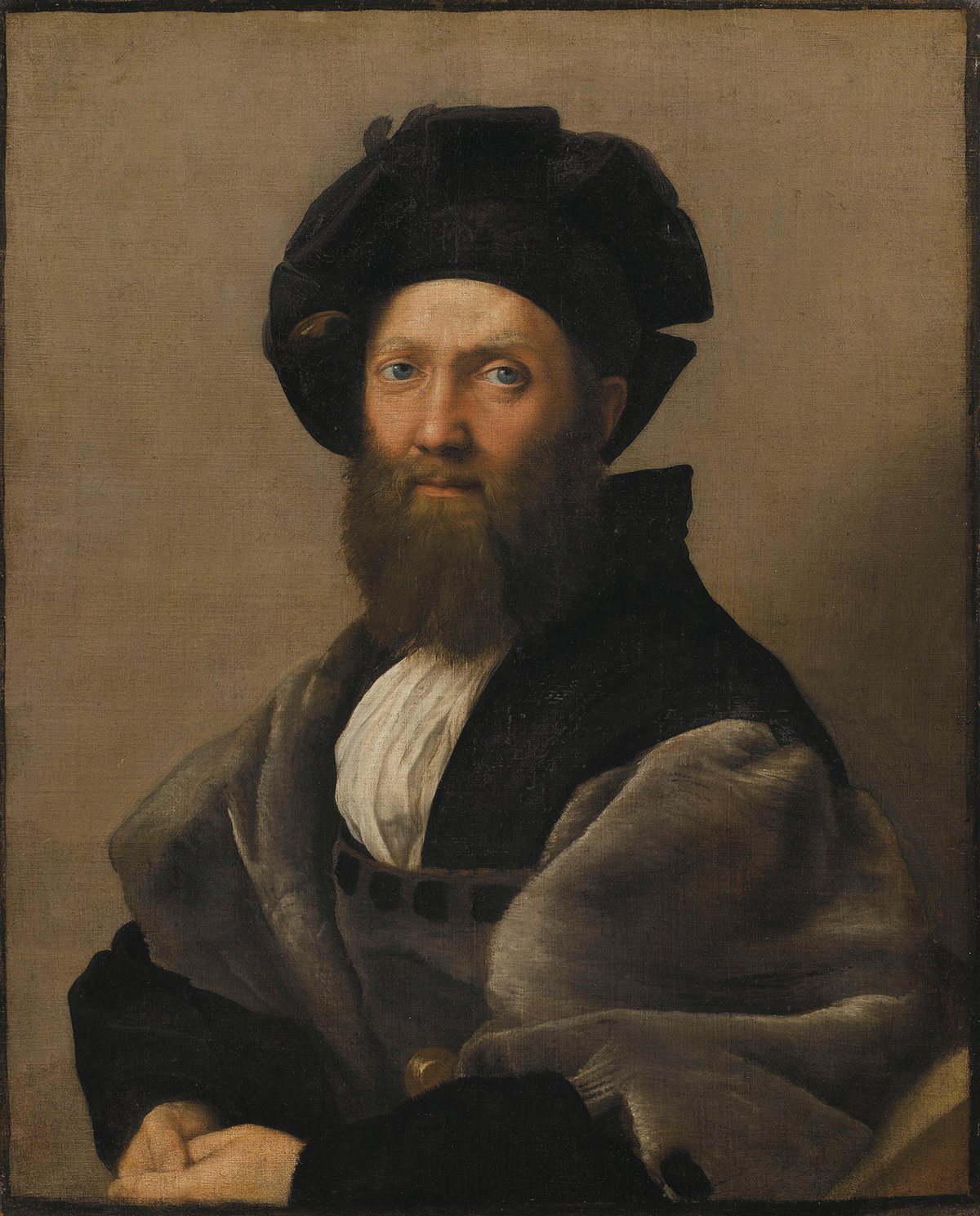
Raphael is one of the most important artists of the Western canon, casting his harmonious spell everywhere from the frescoed walls of the Vatican’s Apostolic Palace to centuries of seminars in provincial art academies. Eight years in the making, Sublime Poetry is his first comprehensive exhibition in the US, gathering 237 works spanning the whole of his career—a surprising number of them major loans from the Louvre, Uffizi, Rijksmuseum and other institutions.
For centuries, Raphael was best known for his idealised depictions of the Madonna and Christ Child, leading to countless imitations. The show’s curator, Carmen C. Bambach, calls the phenomenon “an oversaturation” that “severely tarnished” the motif. Her solution? Present a much wider “social and historical context” of motherhood and childhood mortality. Before viewers experience the full flowering of Raphael’s sublime Madonnas, they encounter objects and images that attest to the agony and sheer danger of childbirth. J.S.M.
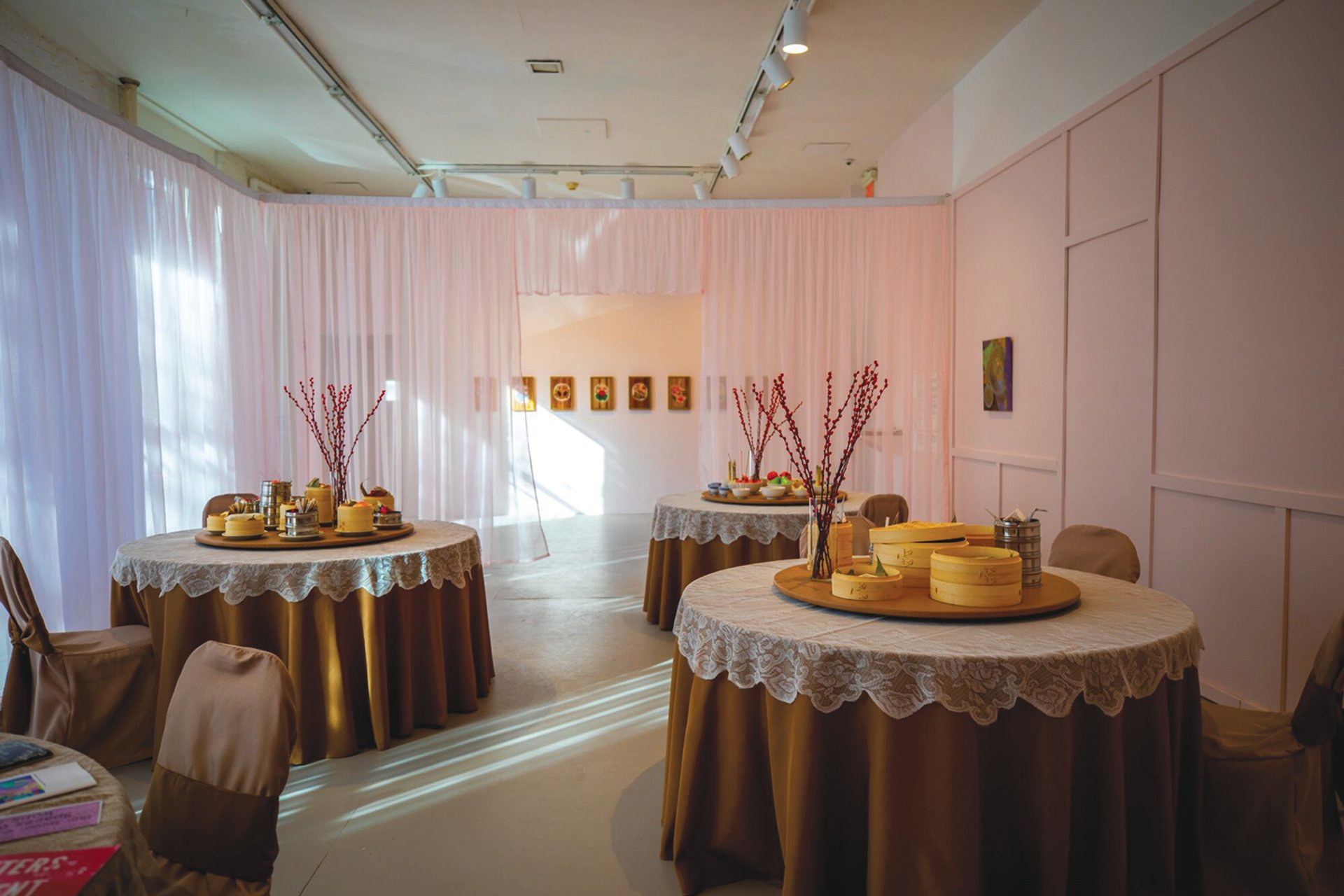
John Kim’s multimedia installation Red Canary Song. Touch the Heart (2026) is one of more than 150 works to feature in Greater New York 2026, the sixth edition of MoMA PS1’s quinquennial Photo: John Kim; courtesy MoMA PS1
Greater New York 2026
MoMA PS1
Until 17 August
Once every five years, MoMA PS1 celebrates the artists of the five boroughs in its museum-spanning show Greater New York. The sixth quinquennial coincides with the 50th anniversary of the Queens institution’s founding and features works by 53 local artists and collectives. Unlike other major -ennials, Greater New York does not try to tack on a theme, instead letting its more than 150 photographs, paintings, drawings, animations, sculptures, installations and performances speak for themselves.
Some highlights in this year’s iteration include Chang Yuchen’s ongoing creation of a new language using found fragments of coral; Kameron Neal’s two-channel video using NYPD surveillance footage from the 1960s and 1970s; and Dean Majd’s intimate photographs of Palestinian communities and his own family. E.G.
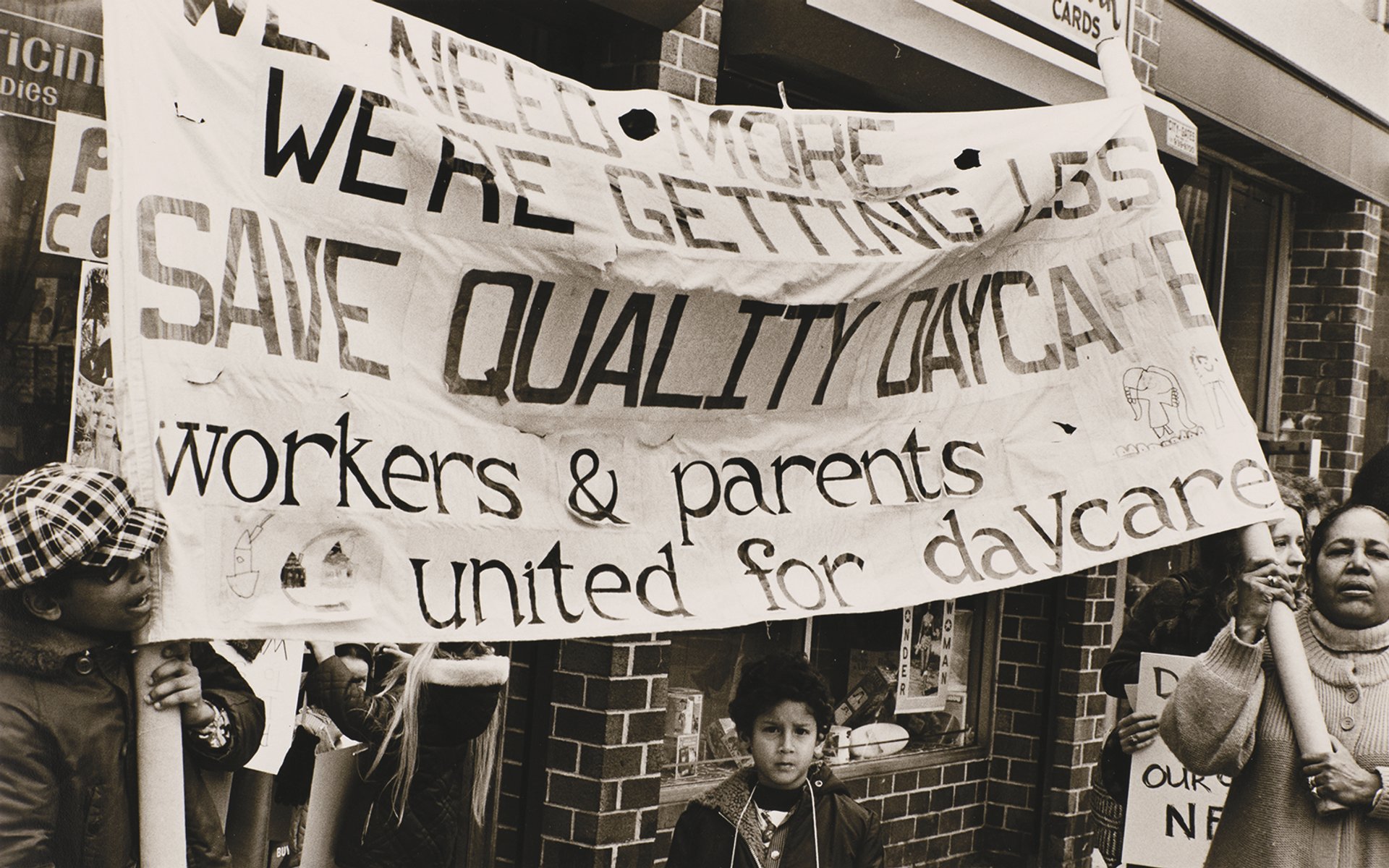
Untitled (around 1976-77); Sophia Rivera’s work was centred on New York’s Latinx community; the show at El Museo del Barrio—her first retrospective—highlights the artist’s political activism as well as her technical skill Courtesy estate of Martin Hurwitz
Sophie Rivera: Double Exposures
El Museo del Barrio
Until 2 August
The Puerto Rican American photographer Sophie Rivera (1938-2021) is best known for her 1978 Nuyorican Portraits. For the black-and-white series, she photographed Puerto Rican sitters in Morningside Heights to uplift the Latinx diaspora in New York City. Although she engaged with and celebrated Latinx communities, Rivera never wanted her work to be confined to identity politics. In fact, much of her output was highly experimental. Her first retrospective, curated by Susanna V. Temkin, aims to rewrite past reductive readings of her work, situating the artist within the broader discourse of post-war photography while foregrounding both her political activism and technical skill.
The genesis of the show, Temkin says, is Alternators (1975, printed 1986), a colour photograph the artist donated to the museum. Other highlights include recently restored photographs shown at the Yankee Stadium-161st Street subway stop in 1989. “I hope this show becomes an opening for further studies of Rivera’s work,” Temkin says. G.A.
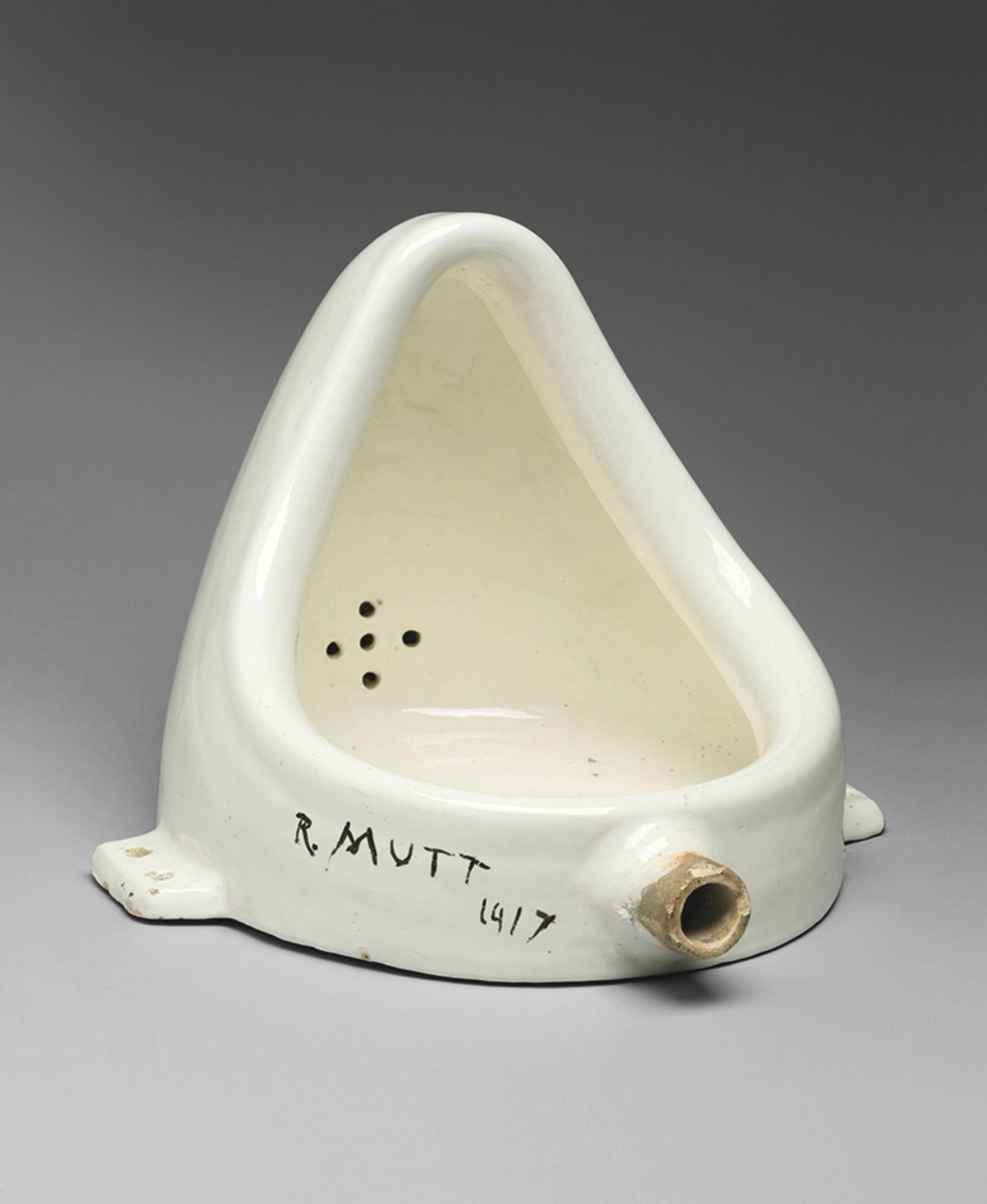
Fountain (1950) was first created in 1917 Courtesy of Museum of Modern Art
Marcel Duchamp
Museum of Modern Art
Until 22 August
This 300-work show—the first Duchamp survey in the US in more than 50 years—reflects the loops and reiterations of a singular career through an apparently simple idea: chronology. As the curator Michelle Kuo explains, Duchamp “not only made works, but remade them in a kind of maniacal way”, with replicas made by him and others. “Some of the earliest works no longer exist, including readymades that literally were mistaken for just an ordinary household object.”
Where other exhibitions show the replicas as if they were the originals, here we see “the physical thing until it was literally made,” Kuo says, “and so the strangeness of that linear chronology becomes very apparent.” B.L.
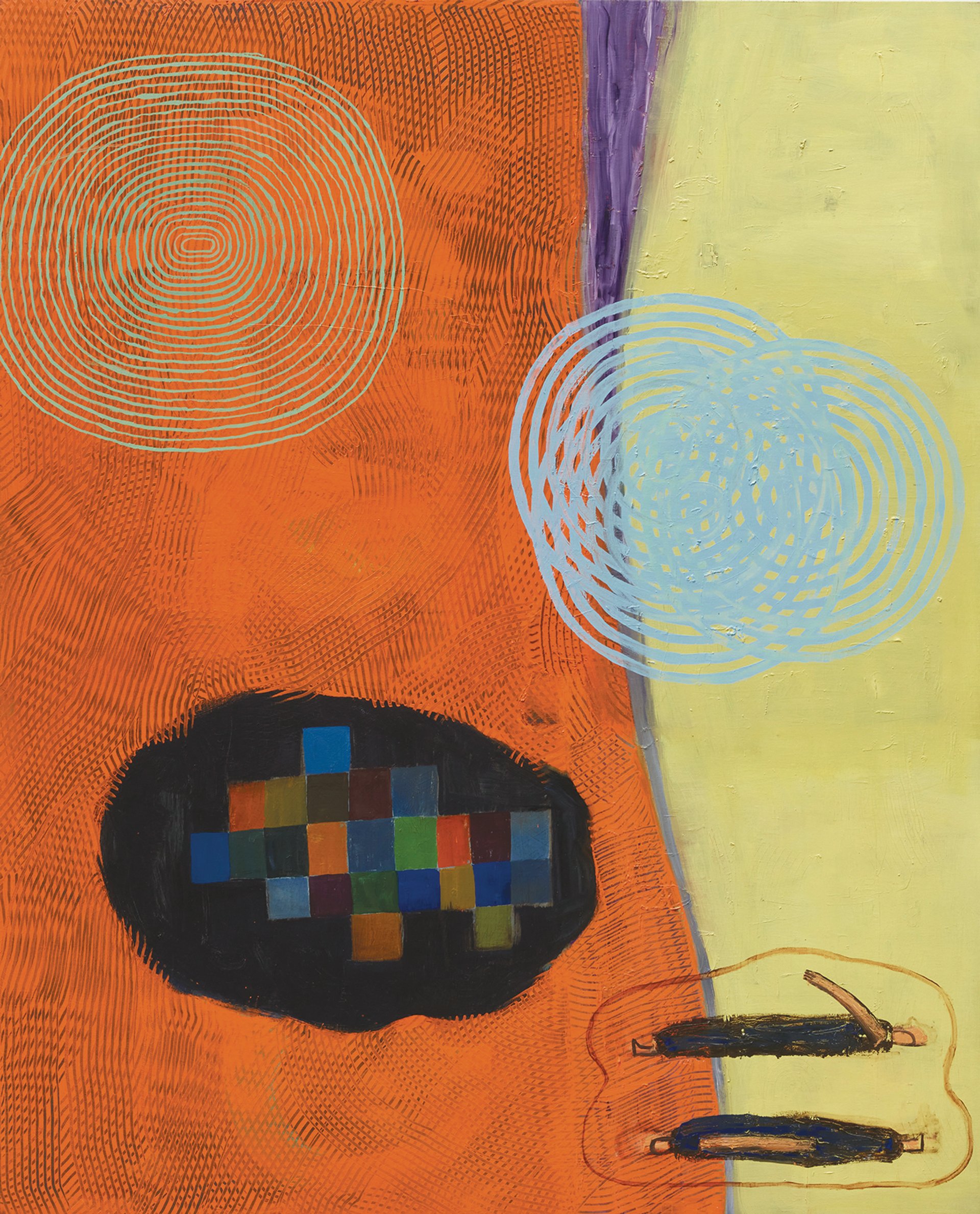
Charles Yuen’s Touring Xanadu (2025) is influenced by Persian miniatures; the artist, who moved away from abstraction, views identity as “a continual state of semi-belonging” Courtesy the artist
How Asian Is It?
Milton Resnick and Pat Passlof Foundation
Until 11 July
This exhibition features 12 pioneering East Asian American abstractionists born between 1928 and 1955—including Barbara Takenaga, Emily Cheng, Charles Yuen and David Diao. Some immigrated to the US. Others were born here. All began their careers at a time when identity could feel like a liability. As the show’s curator, Lilly Wei, tells The Art Newspaper: “Perhaps ‘American’ itself needs to be redefined.”
What is most striking about these works is not what was painted but what was withheld. There is no shared style or manifesto. What emerges instead is a disciplined negotiation with space. It is difficult not to think of liubai
()—the principle in Chinese ink painting that treats white space as active, where what remains unpainted suggests sky, mist or breath. The void holds the composition rather than receding from it. The question is not how “Asian” the art looks but how its artists inhabited abstraction when difference was easier to mute than to name. X.T.W.
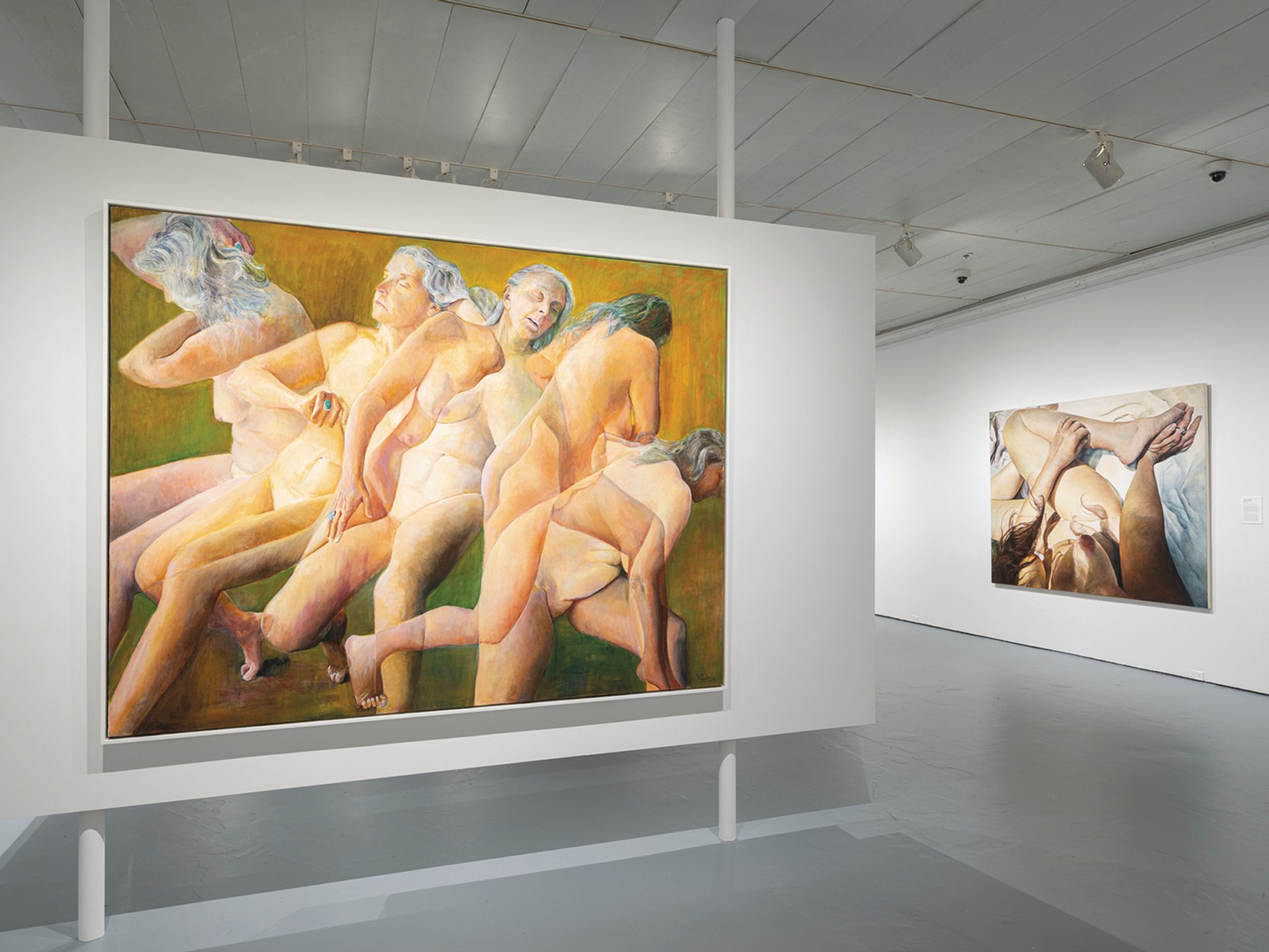
Joan Semmel’s paintings celebrating women’s empowerment are shown alongside works the artist has selected from the Jewish Museum’s collection that explore beauty, agency and self-perception Courtesy of the Jewish Museum
Joan Semmel: In the Flesh
The Jewish Museum
Until 31 May
The 93-year-old artist Joan Semmel has selected almost 50 works from the Jewish Museum’s collection to feature alongside 16 of her own paintings. With a common theme of beauty, agency and self-perception, Semmel has chosen paintings, sculptures, photographs and works on paper by artists including Marc Chagall, Nan Goldin, Alice Neel, Nancy Spero and Man Ray to accompany the bold (and giant) nude paintings and self-portraits for which she is best known.
Although trained as an Abstract Expressionist in the 1950s, Semmel later pivoted to figuration and even hyperrealism. Throughout her decades-long career, she has foregrounded the female perspective in forceful reaction to the dominating male gaze. To this day, she continues to make work celebrating the empowerment and sexual agency of women both young and old. Seen in progression, her works act as a timeline of the feminist movement—a microcosm of the history of feminism itself. E.G.
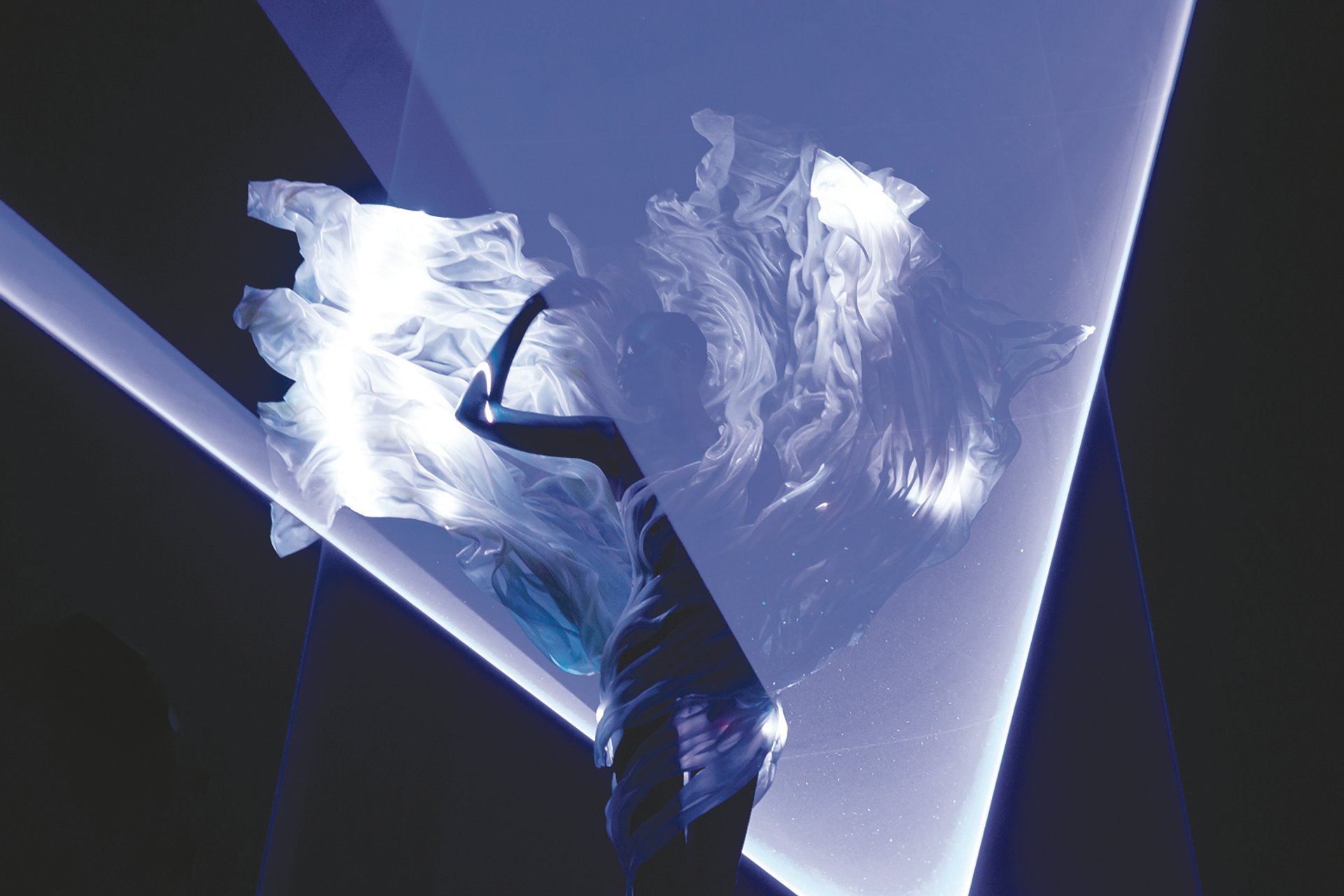
Iris van Herpen’s Loie dress from the Sympoiesis collection Photo: Gio Staiano
Iris van Herpen: Sculpting the Senses
Brooklyn Museum
16 May-6 December
Sculpting the Senses brings together more than 140 haute couture looks by Iris van Herpen, who founded her fashion house in 2007 and quickly carved out a distinct place in the field through her wholehearted embrace of technology. One of the first designers to adopt 3D printing as a construction technique, she has also developed unconventional materials ranging from upcycled marine debris to fermented fibres. The resulting garments take their cues from fractals and tessellations to transform not only the wearer’s body but also the space around it.
In many of Van Herpen’s designs, nature becomes an active collaborator. The Sympoiesis collection, for instance, was made in concert with the biodesigner Chris Bellamy and the University of Amsterdam using 125 million living bioluminescent algae. Van Herpen describes the piece as both “very challenging” and one of her “most personal” collaborations. J.C.A.
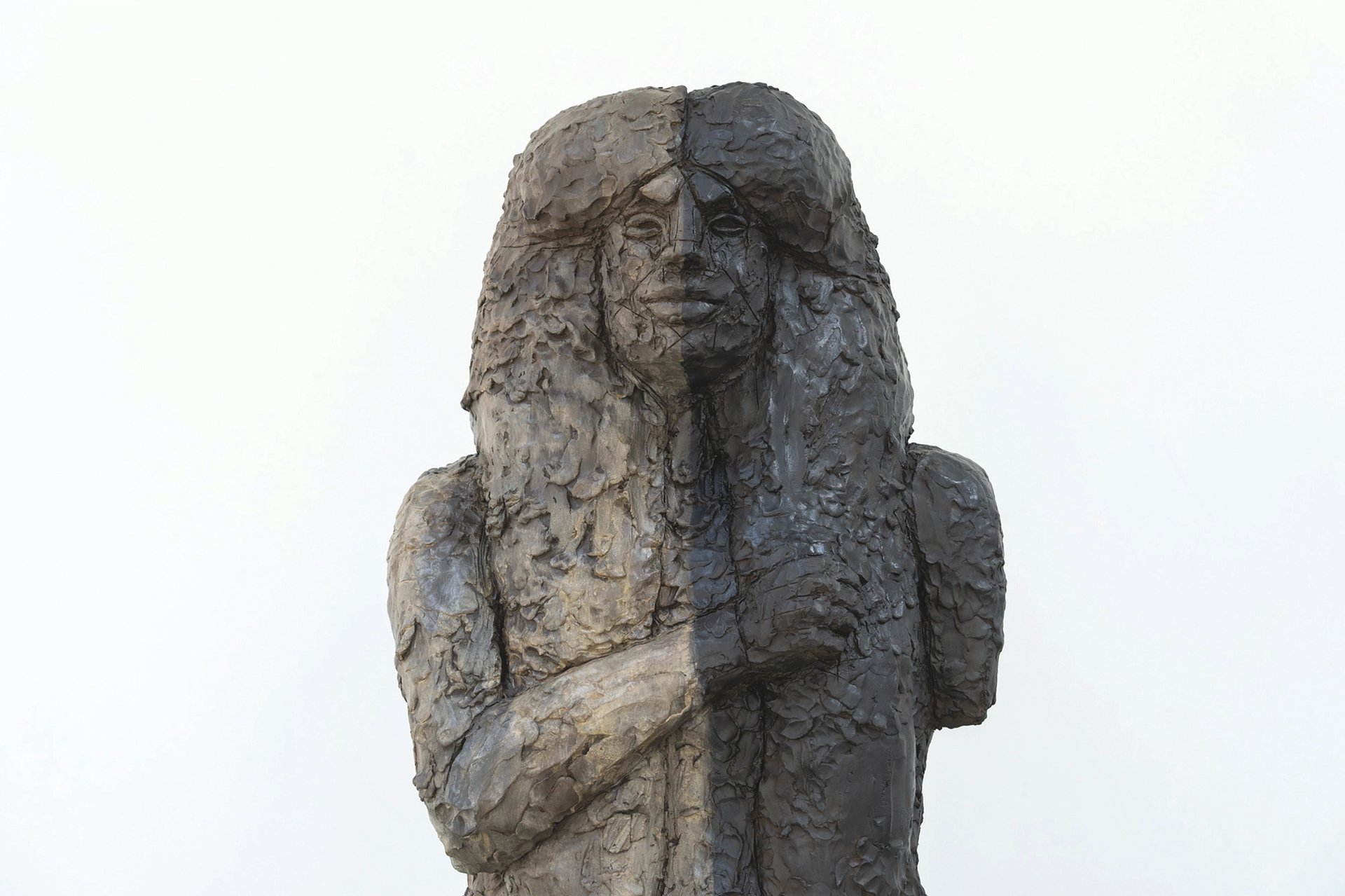
The Guardians (2024) by Raven Halfmoon, a member of the Caddo Nation in Oklahoma; the biennial considers what it means to be American, as well as exploring the US’s global impact Photo: Elisabeth Bernstein; image courtesy the artist and Salon 94; © Raven Halfmoon
Whitney Biennial 2026
Whitney Museum of American Art
Until 23 August
While the biennial’s 82nd edition lacks an official theme, the red threads of what “American” means and the lasting effects of US power abroad are so palpable that they succeed in uniting the works of the 56 disparate artists, duos and collectives featured in the exhibition. The curators Marcela Guerrero and Drew Sawyer have invited artists from Afghanistan, Chile, Iraq, Japan, Palestine, the Philippines and Vietnam to display their works alongside those of their peers from the US.
Even among the artists featured who live in the US, many were born abroad. Several have Indigenous heritage or hail from Hawaii or Puerto Rico. And just as the US has—at least historically—sought to hide its own imperial ambitions, the artists in this year’s biennial often subtly hint at politics rather than displaying them overtly. They provide more questions than answers, giving audiences a lot to think about long after they have left the museum grounds. E.G.
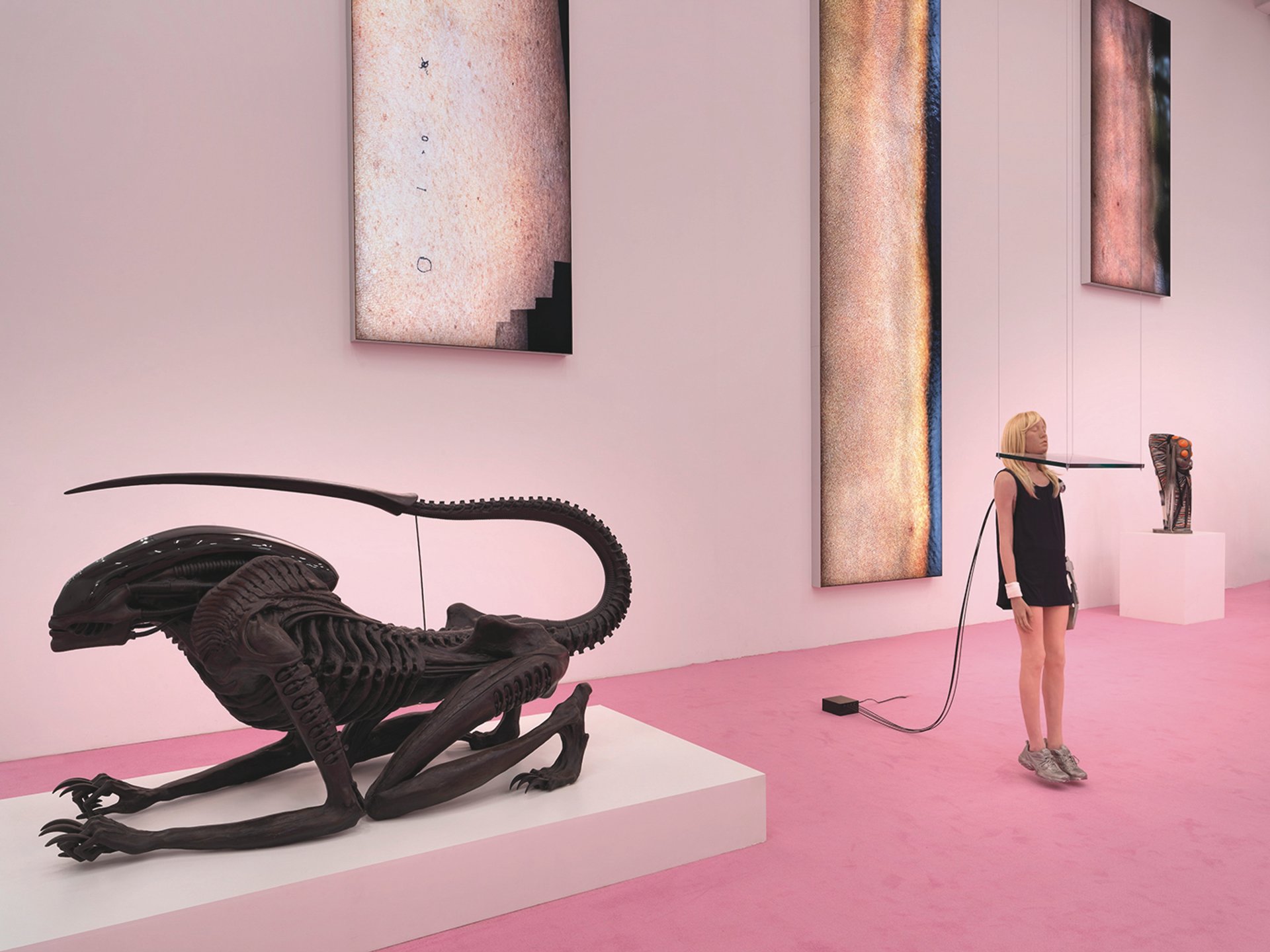
New Humans: Memories of the Future features more than 200 artists across the entire museum; director Massimiliano Gioni says it aims to “establish a symmetry between today and the 1920s” Photo: Dario Lasagni
New Humans: Memories of the Future
New Museum
Ongoing
After four years of construction, the New Museum has unveiled its $82m expansion with an exhibition that occupies the museum’s entire space (old and new) as it explores how shifts in technology and society have redefined the concept of humanity. The massive show contains works by more than 200 artists—among them the contemporary artists Tau Lewis, Wangechi Mutu and Precious Okoyomon alongside 20th-century greats like Francis Bacon, Salvador Dalí and Hannah Höch.
Massimiliano Gioni, the museum’s director, says the exhibition aims to “establish a symmetry between today and the 1920s, as looking to the past can also reassure us that we have survived challenging times over and over again”. He adds that it endeavours to consider how new technologies “found an ideal ally in the rise of totalitarian regimes and the birth of fascism in ways that are not too dissimilar to what we are experiencing today”. G.A.