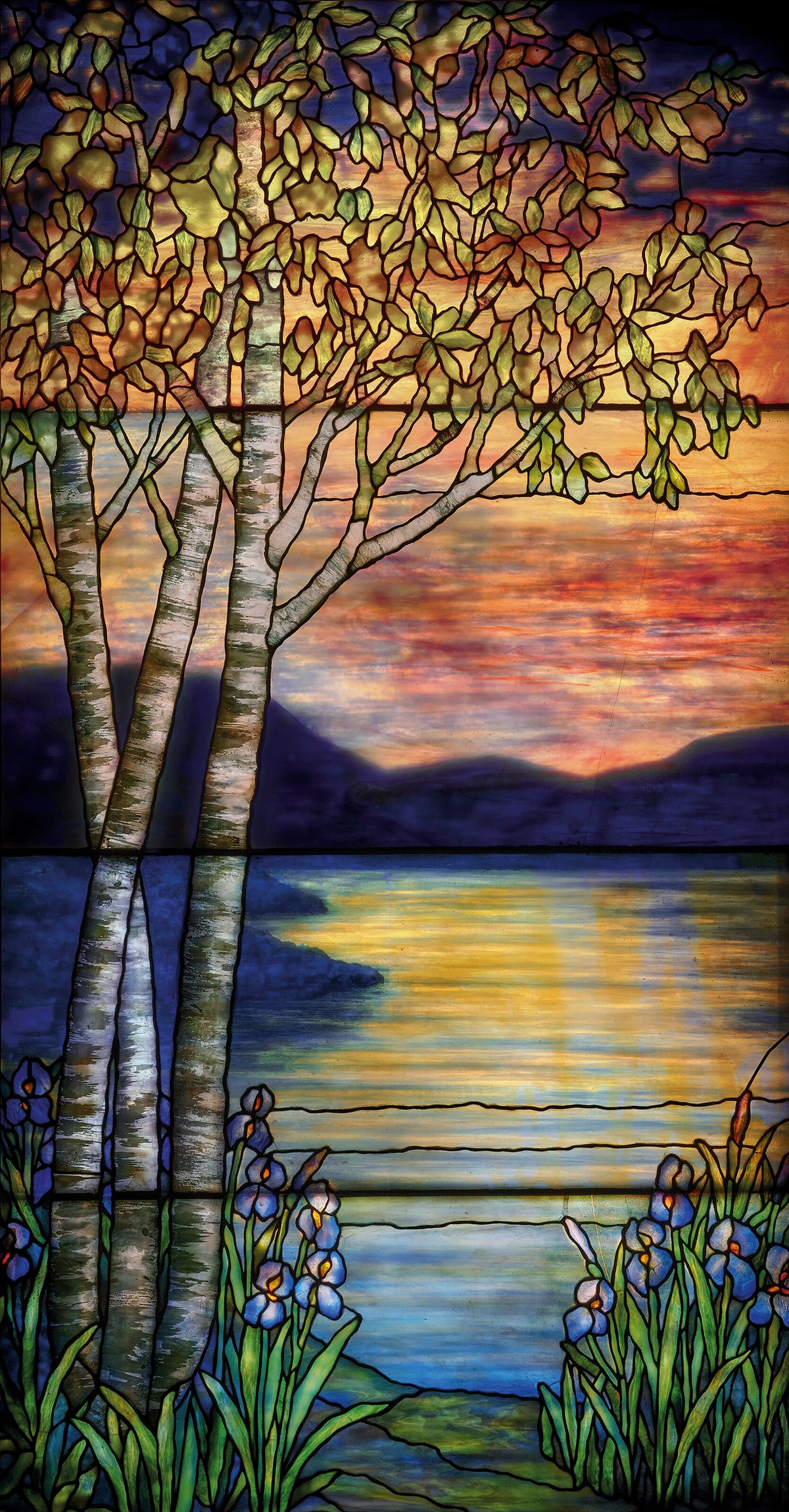
Tiffany Studios, Birches and Irises window (around 1915)
$1.25m, Macklowe Gallery
The composition of this leaded window from New York’s Tiffany Studios depicts a sunset over a body of water surrounded by birch trees and a bed of purple irises. It draws on two artistic movements that were popular at the time it was made: French Art Nouveau and the Hudson River School. The cartoon for the window was drawn by Agnes Northrop, the only independent woman designer employed by the founder of the studio, Louis Comfort Tiffany, and the artist responsible for some of Tiffany’s most sophisticated and atmospheric landscapes.
The window’s exact origins are unknown, although similar commissions were made to memorialise loved ones, according to Macklowe Gallery’s research. It was in the collection of Seymour and Evelyn Holtzman, and sold at Christie’s New York for $571,500 in December 2025. At Tefaf, the window will be presented in a custom lightbox to highlight the colours and effects of the glass.
“More than a translation of nature, this window transforms landscape into a luminous, immersive environment, asserting Agnes Northrop and the Tiffany Studios as pioneering forces who redefined how light, colour and atmosphere could be experienced through glass,” says Ben Macklowe, the gallery’s owner.
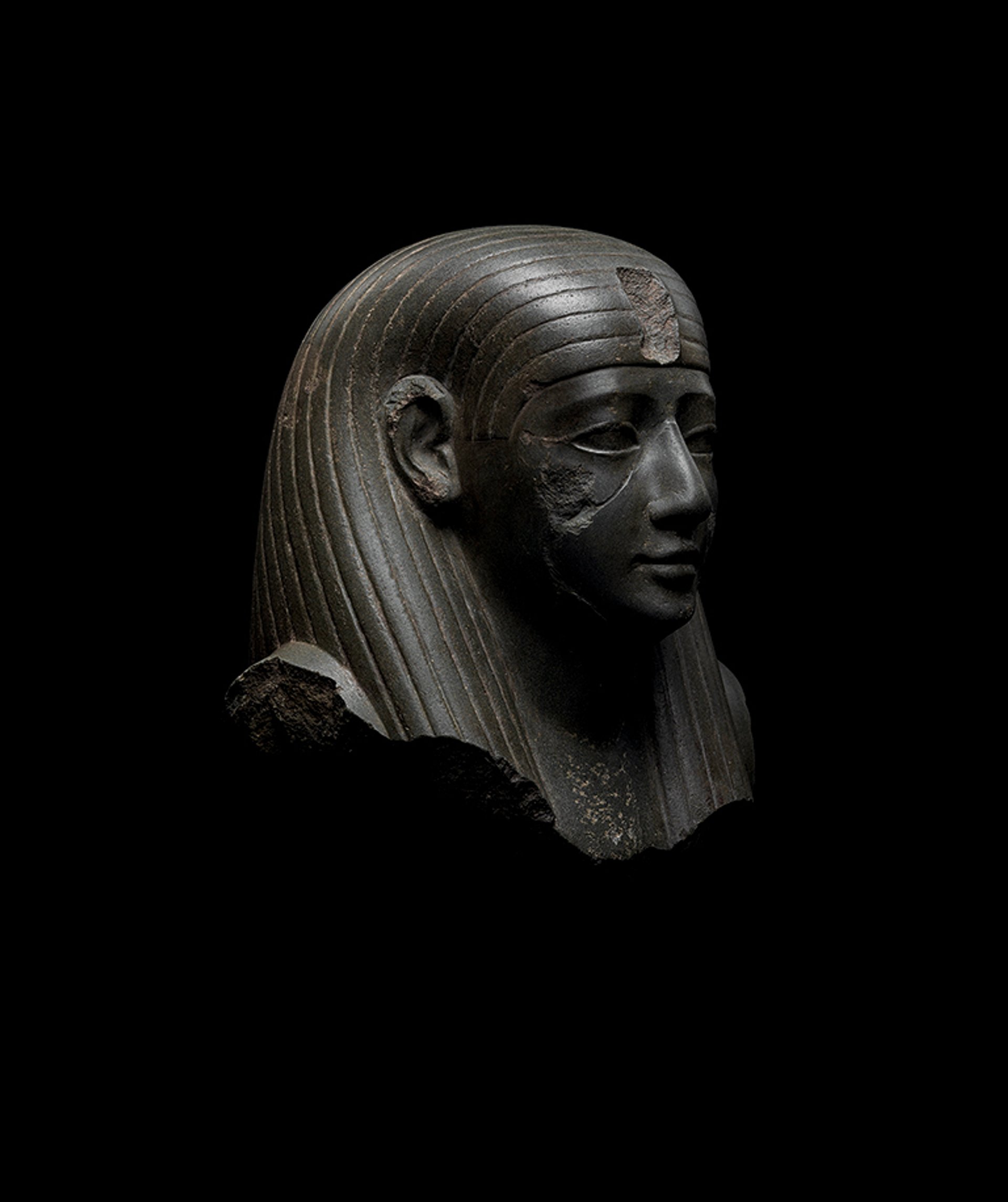
Egyptian goddess bust (570-526BC)
Photo by David Brunetti, courtesy of David Aaron
Egyptian goddess bust (570-526BC)
£1.5m, David Aaron
This carved Egyptian bust of a goddess has been through the wars—and a nose job. It was rediscovered at a regional auction in England in 2022 after being held in a private collection for 40 years. Covered in a shiny layer of paint or wax and bearing an unusually preserved nose, the sculpture was widely believed to be a fake. But after more than a year of scientific studies and art historical research, the gallery David Aaron has uncovered new provenance that traces the bust to a sale at Hôtel Drouot in Paris in 1923, revealing more about the sculpture’s history.
The bust was made during the Twenty-Sixth Dynasty, in the reign of Amasis II (570-526BC), and is thought to have come from the Temple of Neith at Sais, modern Sa el-Hagar, in northern Egypt. Material analysis shows the goddess was carved from a fine dark sandstone called greywacke, which was prized in the Late Period for sculptures of royal and divine figures. The nose was damaged, likely by the forces that led to the fall of Amasis II, leading Italian craftsmen in the 18th century to use part of the sculpture to create a new one.
“During the initial condition assessment the sculpture was found to be structurally sound and in good condition,” says the restorer Kate Bowels, who worked to bring the artefact back to its former glory. She adds, “It was evident I was going to have to carefully peel back the layers of earlier interventions to open the clues for experts to interpret.” Bowels has also documented the history of the ancient bust’s various modifications for its future owners.
“The goddess by the Greywacke Master is a sculpture with many stories,” says Salomon Aaron, the director of David Aaron. “Now, by de-restoring those additions, we can see the original goddess and Egyptian masterpiece emerge once again.”
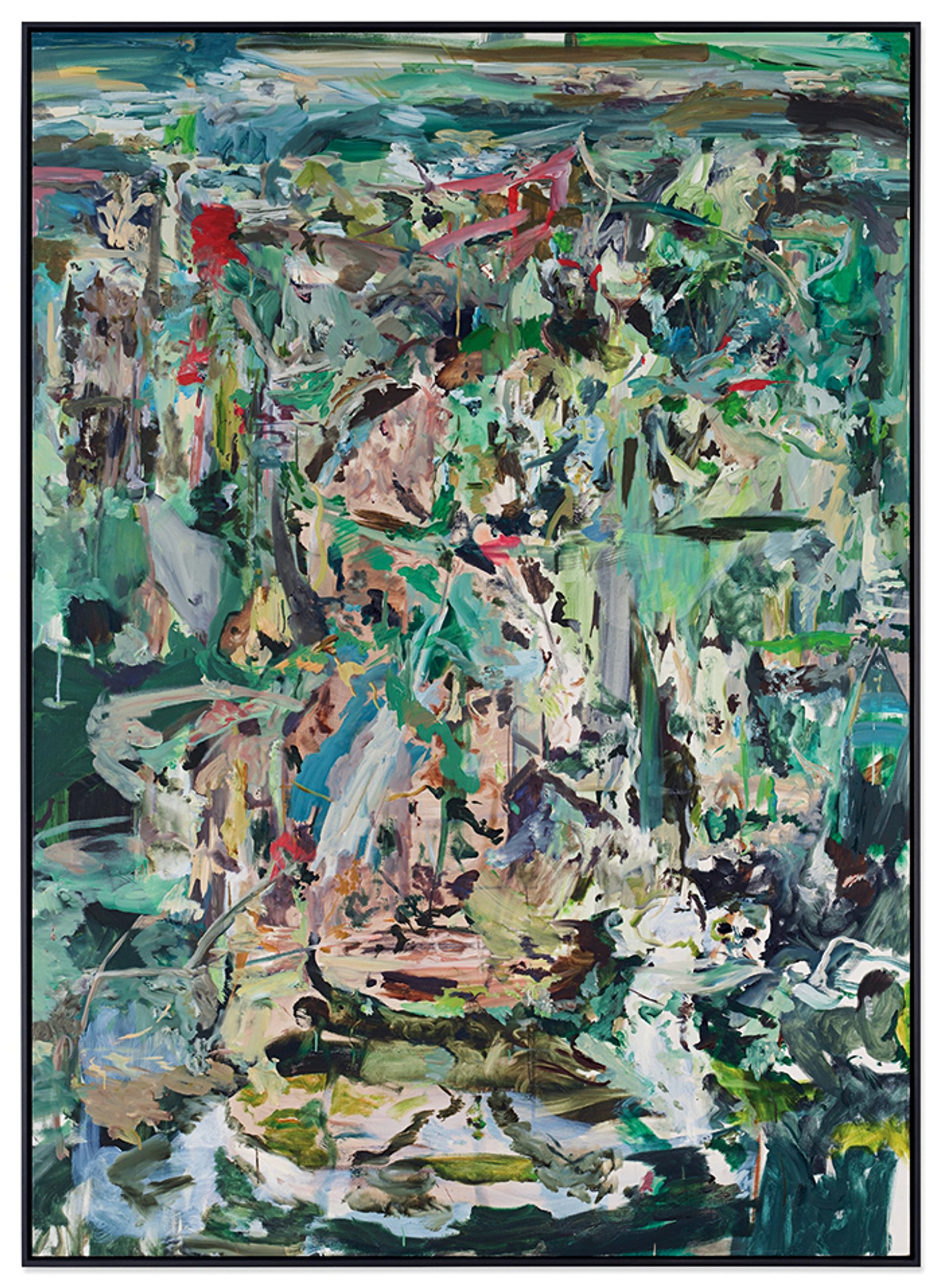
Cecily Brown, Functor Hideaway (2008)
Courtesy of Berggruen Gallery
Cecily Brown, Functor Hideaway (2008)
$3.9m, Berggruen Gallery
A review in The Times of Cecily Brown’s current show at London’s Serpentine Gallery (Picture Making, until 6 September) elicited the headline “Where has this mesmerising artist been?” As the review suggests, the British painter is better known in her adopted city of New York—where she has been based since she found fame there in the 1990s—than in her home country. Her works are held in several major US museums, including the Metropolitan Museum of Art and the Museum of Modern Art in New York, the National Gallery of Art in Washington, DC, the Los Angeles County Museum of Art and the San Francisco Museum of Modern Art.
For Tefaf New York, Brown’s large-scale oil painting Functor Hideaway is returning to the city where it was last sold—it was bought at Sotheby’s New York in May 2024 for $3.57m, not long after the artist’s major solo show Death and the Maid at the Met in 2023. “Abounding with vitality and striking colour, [the painting] exhibits Brown’s revered synthesis of gestural abstraction and immanent figuration,” the Sotheby’s catalogue said. “Mesmerising and immersive, Brown’s choreography of painterly gestures in Functor Hideaway engulfs the viewer into a phantasmagorical realm, akin to a woodland pathway through the frenzied woods.”
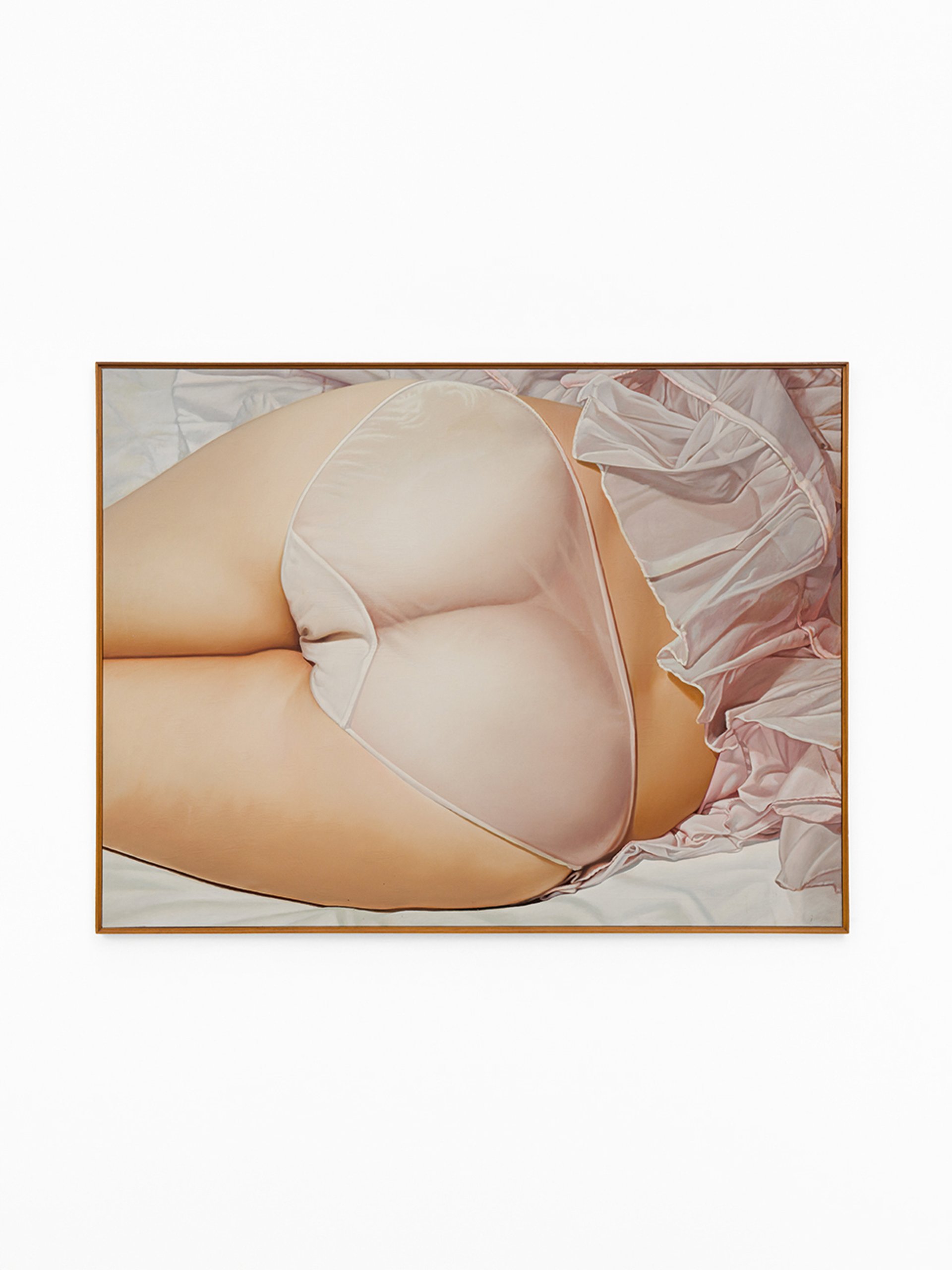
John Kacere, Marianne R (1973)
© the artist, courtesy of the artist and Salon 94
John Kacere, Marianne R (1973)
$750,000, Salon 94
Originally an Abstract Expressionist, John Kacere became an early proponent of the photorealist style in the late 1960s. He made only around 130 distinctive paintings of women’s bodies—mostly of their lingerie-covered posteriors—before his death in 1999.
His larger-than-life-sized paintings became popular in the 1970s and were held in high-profile private collections, including those of the US actor Sylvester Stallone and the Scottish fashion designer Christopher Kane. One of his paintings inspired the famous opening shot in Sofia Coppola’s film Lost In Translation (2003), which focuses on Scarlett Johansson’s posterior for 33 seconds. Kacere’s works have gained such cult status that they even appeared on t-shirts by the clothing brand Supreme in 2022. Marianne R, too, has celebrity provenance, having hung above the bed of the artist Fernando Botero in his Paris home. The room had a clear theme, with the foot of the bed being home to Botero’s voluptuous nude sculpture Adam and Eve (1977).
“Kacere’s meticulous layering captured the luminosity of both skin and fabric—his surfaces glow,” says Jeanne Greenberg Rohatyn, the founder of Salon 94. “Marianne R is a masterpiece, one of Kacere’s largest and most iconic works.”