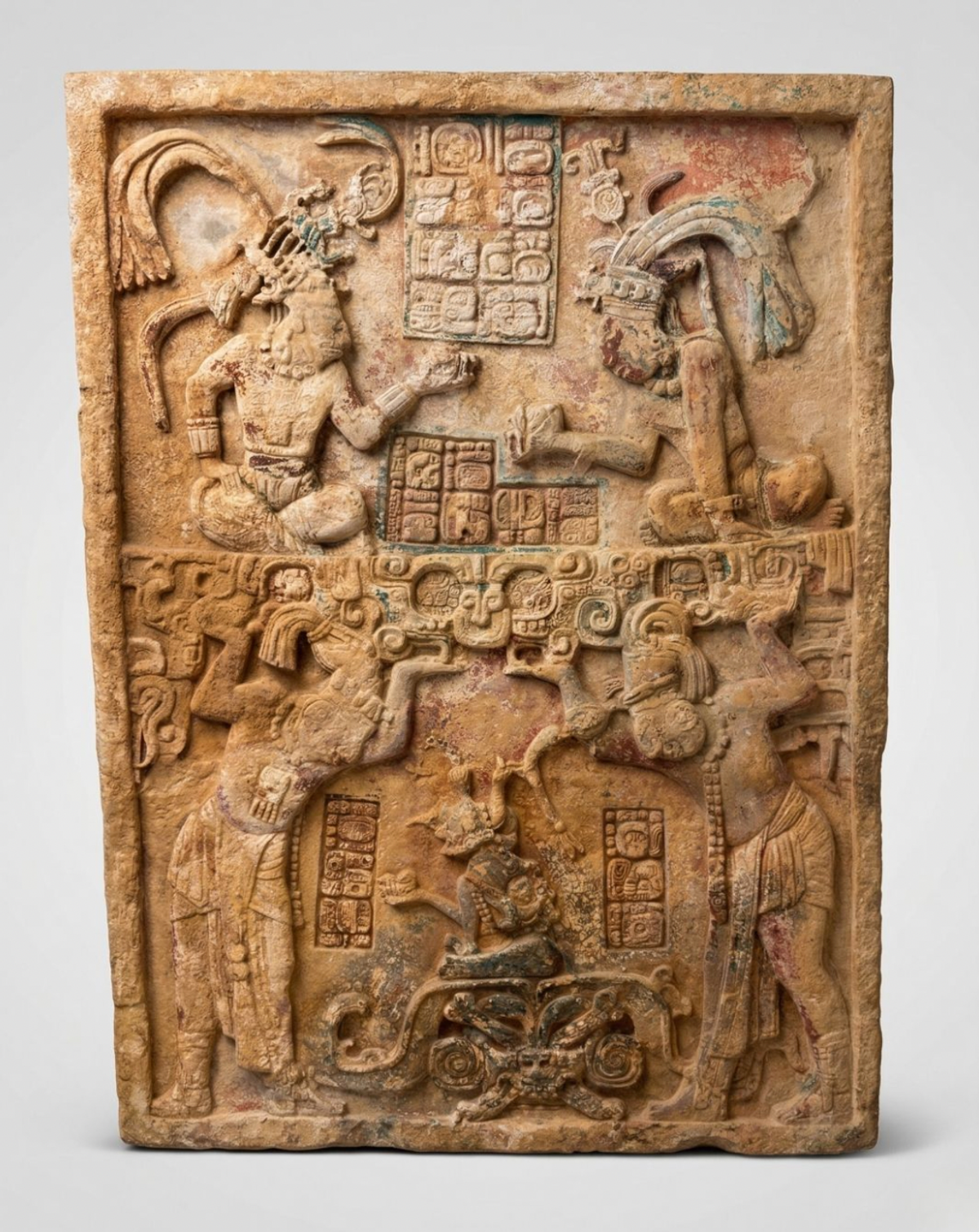
A Maya stone lintel was recently returned to Mexico after it was taken to the Mexican consulate in New York by an unnamed US businessman. But hours after its official repatriation on 16 April, experts determined the piece had actually come from Guatemala. Guatemala’s cultural ministry has now formally requested the object’s repatriation from the Mexican government through diplomatic channels.
Guatemala’s cultural ministry said in a statement that technical analysis based on bibliographic research, comparative studies and consultations with archaeologists had concluded that the lintel came from the country’s Petén Basin. Consequently, it is considered part of Guatemala’s cultural heritage.
Guatemala’s cultural minister, Luis Méndez Salinas, said the government has already begun formal efforts to recover the artefact. The process is being coordinated through Guatemala’s Ministry of Foreign Affairs. “There is a very positive attitude, as has been the case in recent years, towards this type of collaboration,” Méndez told local media in Guatemala, “so that cultural heritage can return to its place of origin.”
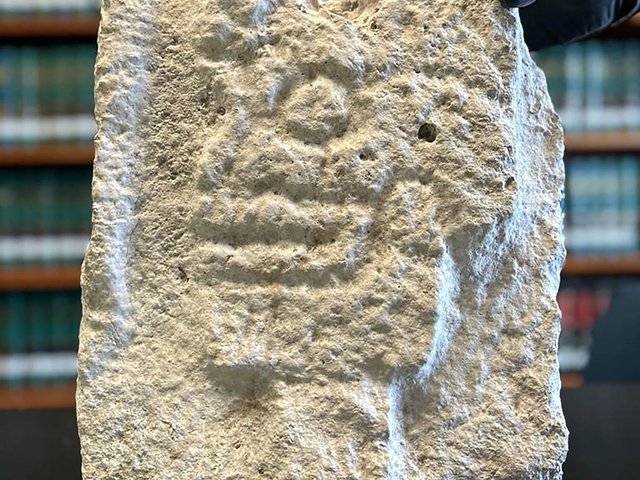
The limestone lintel, dating from the Mesoamerican Classic period (AD600-AD900), shows a complex ritual scene associated with the Maya ruler Cheleew Chan K’inich. The lintel remained hidden from public view for decades and passed through private collections before recently reappearing in New York.
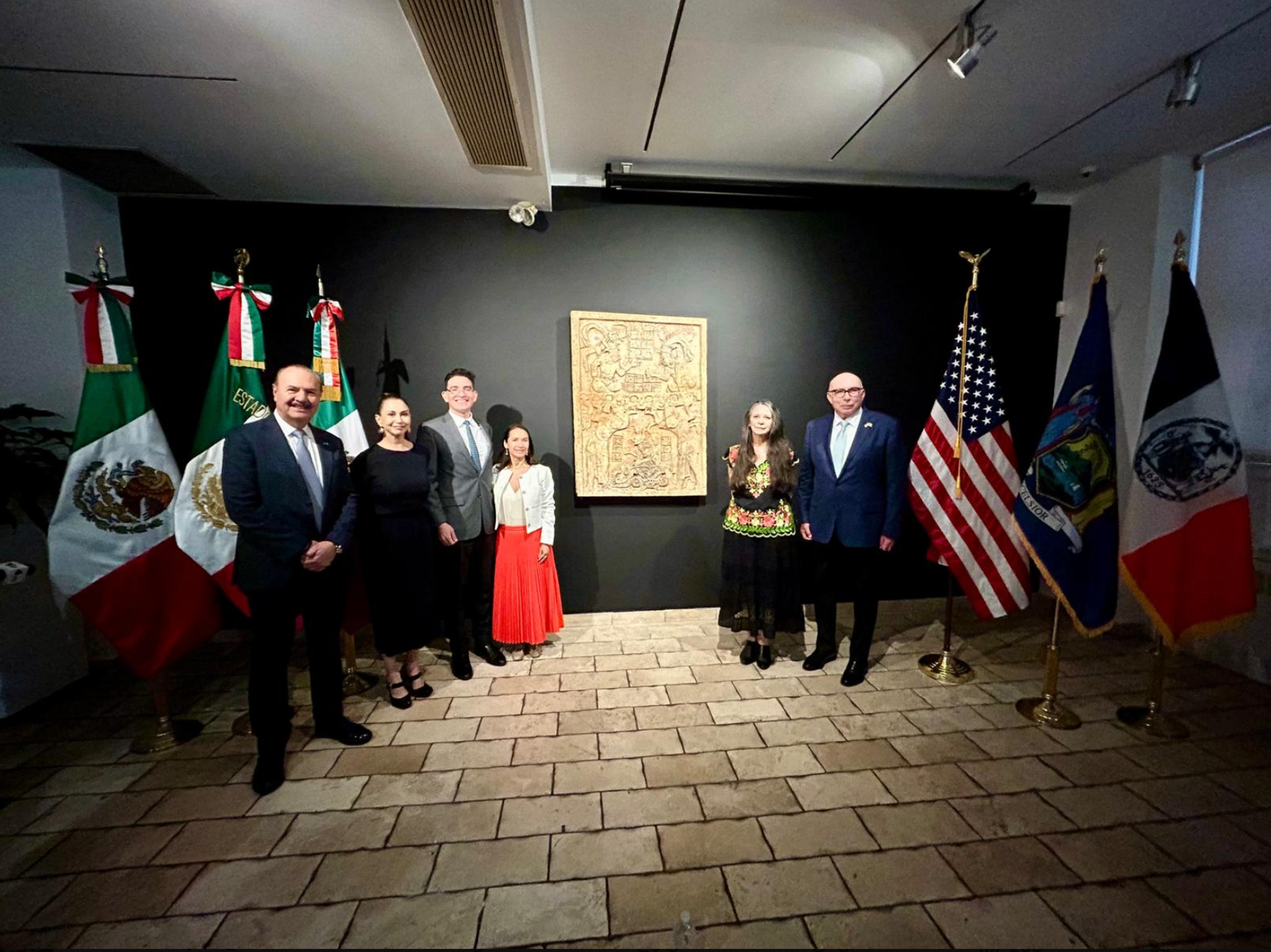
The repatriation ceremony at the Mexican consulate in New York Courtesy the Consulate General of Mexico in New York
According to the archaeologist Stephen Houston, one of the world’s leading experts on the Maya civilisation, the lintel is indeed from Guatemala—created by an elite artist known as Mayuy. The artist, originally from the ancient Maya city of Piedras Negras, was “the Michelangelo of the pre-Columbian era”, Houston tells The Art Newspaper. Mayuy’s signature remains visible on the stone more than 1,200 years after it was made.
“He is one of the only artists in ancient America who can be named and whose oeuvre can be studied,” Houston says. “He signed his sculptures. He was extraordinarily inventive, fusing in his carvings relationships among gods, the ordering of the cosmos and dynastic machinations. Kings and aristocrats mapped their identities onto those of gods, and Mayuy shows this masterfully. He rendered stone as living flesh, deployed colour on his carvings with verve and imparted an almost unparalleled sense of vital, dynamic energy.”
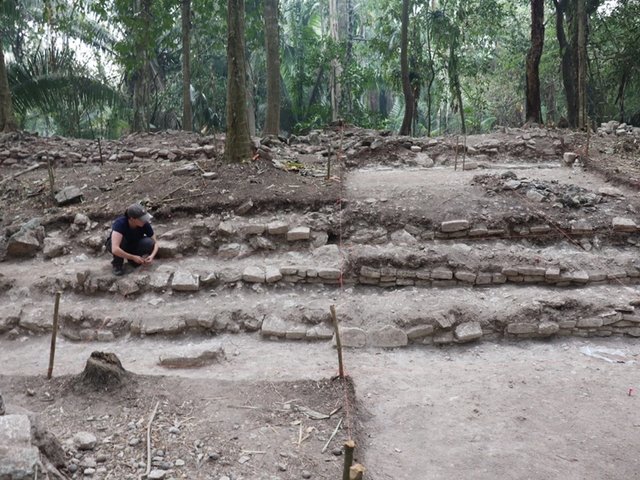
In Houston’s 2021 book A Maya Universe in Stone, he devotes the opening chapter to this particular lintel, bringing together historical records and research related to the piece and its provenance. The artefact was documented by explorers in the 1950s, before it was illegally removed from the Guatemalan jungle and entered the international antiquities market. It is part of a series of four Maya lintels now divided between private collections in the US and the Kimbell Art Museum in Texas.
According to Houston, the lintel was originally discovered on the Guatemalan side of the Usumacinta River. Maya territory once extended across both sides of the river, now part of the border between Mexico and Guatemala, explaining the confusion surrounding the object’s exact origin.