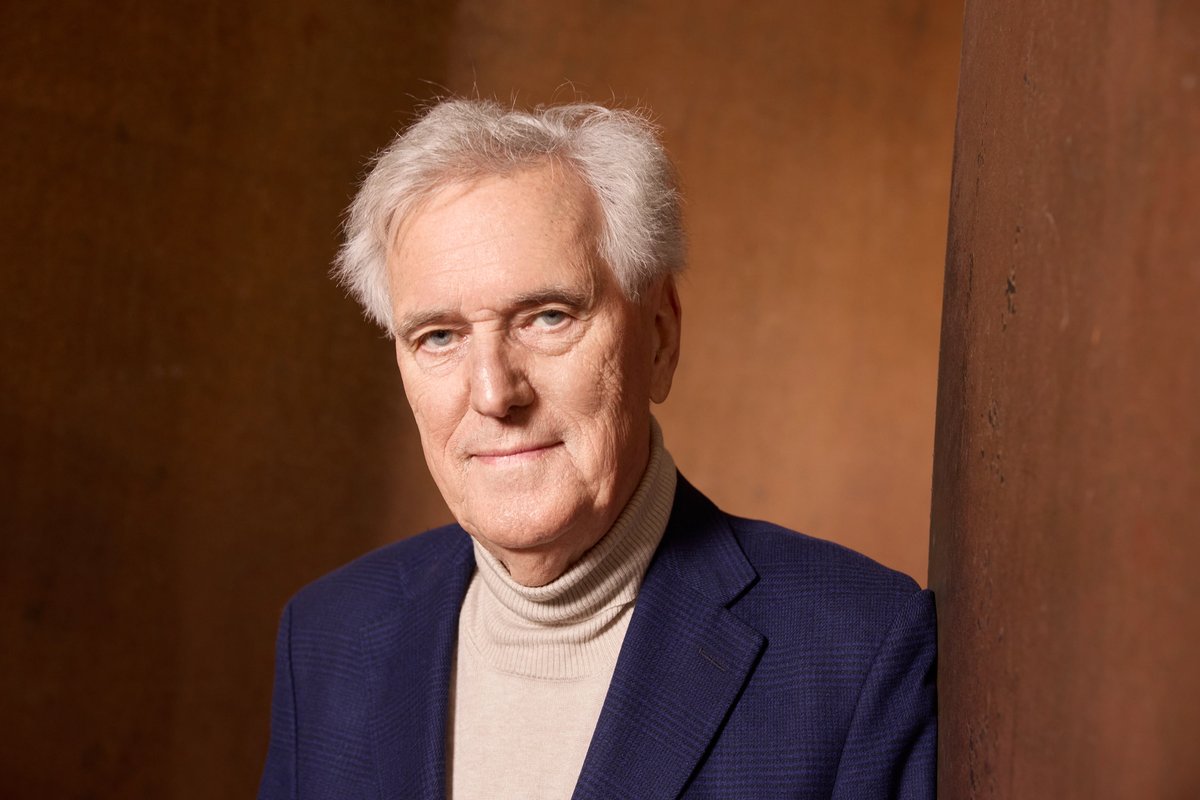
When Joop van Caldenborgh makes money, he spends it on art—from his first teenage acquisition paid for from his earnings delivering newspapers to using the wealth from Caldic, the international chemicals business he founded, to build up one of the most impressive collections in the Netherlands.
When the collection—which features artists including Richard Serra, Louise Bourgeois and Anselm Kiefer—got too big for his house and company buildings, Van Caldenborgh decided to build a museum “where art, nature and architecture could exist in perfect harmony”. Museum Voorlinden opened in 2016, just outside the Hague. The long, low building with extensive views out into the surrounding gardens is reminiscent of the Louisiana Museum in Denmark and the Fondation Beyeler, near Basel.
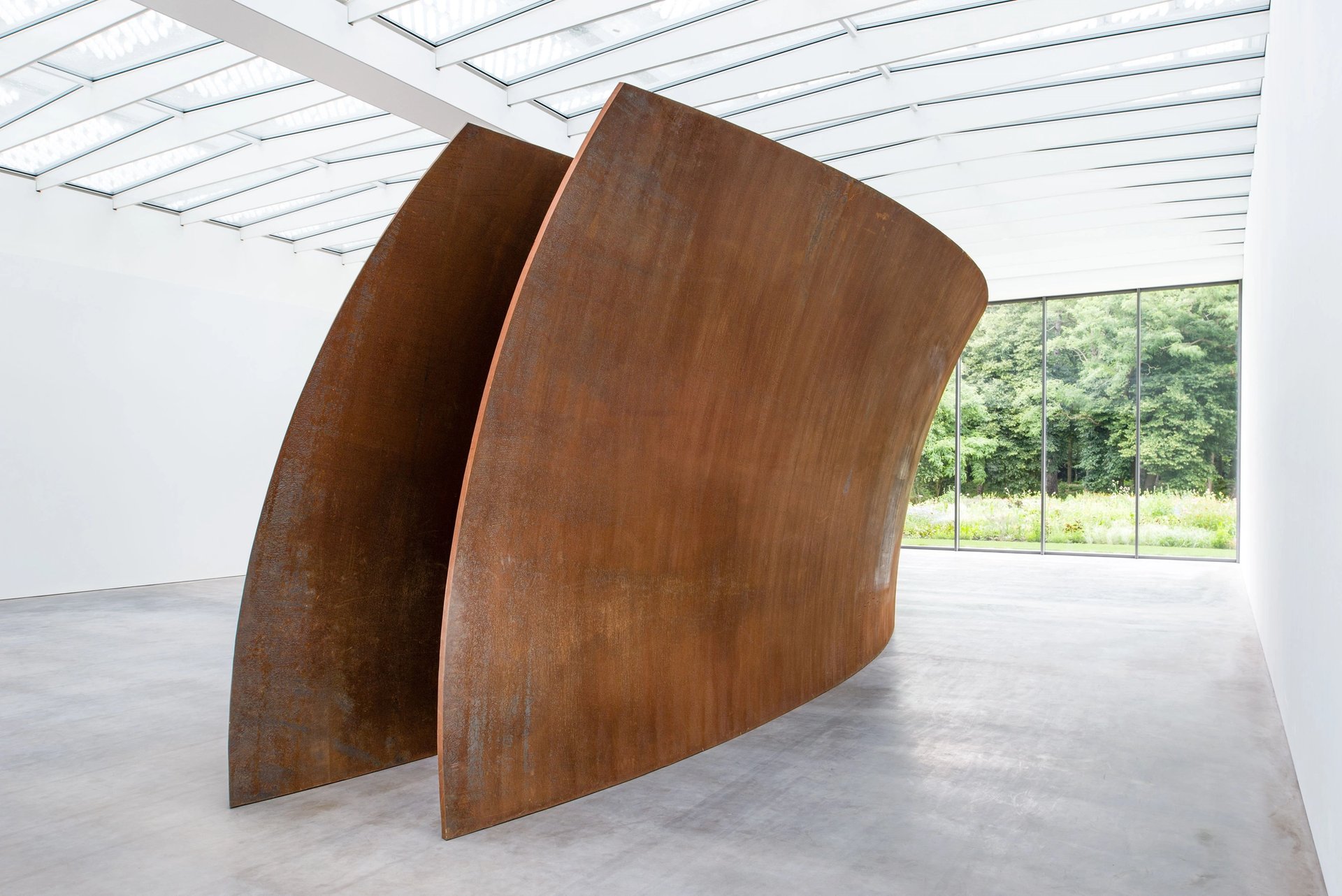
Richard Serra’s Open Ended (2007-08), in Joop van Caldenborgh’s collection. “Most of the time I would happily just be in the company of the art,” he says Antoine van Kaam; © Pictoright Amsterdam
Van Caldenborgh has since given his collection to the museum, and continues to donate newly acquired works. The museum is celebrating its tenth anniversary this year with an exhibition of the choreographer William Forsythe.
The Art Newspaper: What was the first work you ever bought?
Joop van Caldenborgh: That was a portfolio of prints by the Dutch artist Peter Struycken. I was 16 and bought it with the money I earned from my paper route. Looking back, it was quite an unusual choice—such abstract work at that age.
What was the last work you bought?
An eight-metre-long painting by Howardena Pindell, which I bought at White Cube. It’s made up of tens of thousands of small brushstrokes in oil paint that together almost give the impression of looking at the ocean. Really impressive.
How quickly do you decide to buy a work of art?
Usually quite quickly. It’s a bit like love at first sight. I see a lot of art—in museums, galleries, fairs and studios—and sometimes something just catches your eye and you immediately feel: this is right. And then you want it. Maybe not the best trait, except that we ultimately share the works we acquire with a wider public.
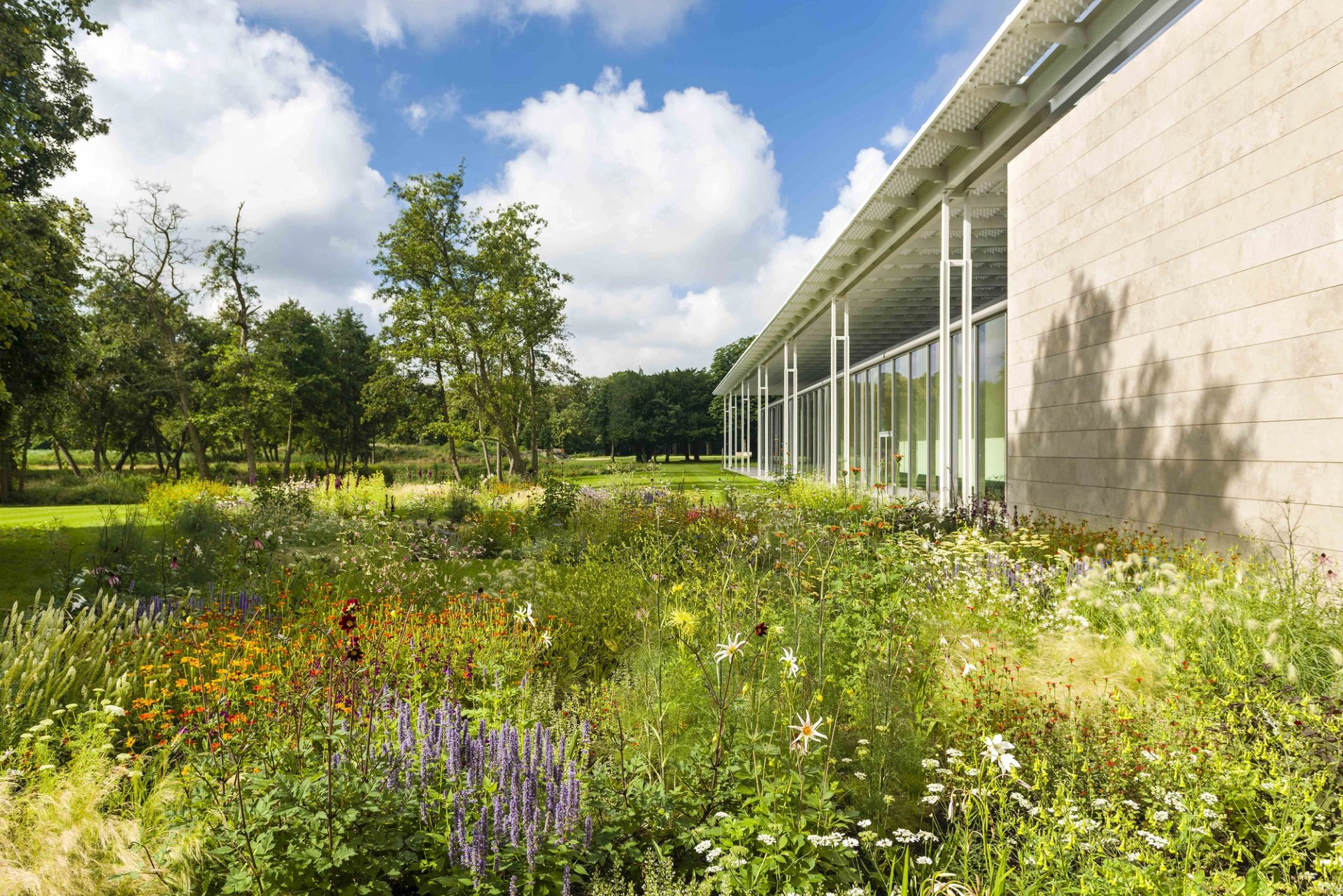
Van Caldenborgh opened Museum Voorlinden, near The Hague, in 2016 to house his extensive collection © Antoine van Kaam
What do you regret not buying when you had the chance?
A spider by Louise Bourgeois. I looked at one several times and even bid on one at auction years ago, but the price went beyond what I was willing to pay at the time. The nice thing about running a museum is that you can still borrow works you weren’t able to acquire. For our anniversary exhibition (Celebrating the Icons of Art, 12 September to 7 March 2027), we’re borrowing a beautiful spider from the Louisiana Museum, so I still get to live with it for a while.
If you could have a work from any other museum, what would it be?
It would probably be an iconic work that keeps revealing new layers over time—something you never quite exhaust. For example, a large Rothko colour field painting, the kind of work that completely transforms a space and really draws you in.
Where do you like to eat and drink while you’re in Basel?
On the terrace at Le Trois Rois.
The nice thing about running a museum is that you can still borrow works you weren’t able to acquire
Do you have any parties lined up?
I receive a lot of invitations for dinners, cocktails and events—far too many to attend. I usually pick one or two, often from galleries I have a close relationship with, where I can have meaningful conversations with artists, galleries or colleagues in the art world.
What’s your least favourite thing about art fairs?
The crowds. As a collector or museum, you get early access, which sounds great, but it’s still a busy meeting place. I’m less focused on the social element of art fairs; most of the time I would happily just be in the company of the art.
Where do you go in Basel to get away from it all?
I sometimes take a day trip to Zurich by train. It’s a great way to escape the intensity of the fair, and it’s a beautiful city where there’s always something interesting happening in the art world during that time.
What tip would you give to someone visiting Basel for the first time?
If the weather allows it, go for a swim in the Rhine. You can enter the water near Museum Tinguely and let the current carry you through the city, past Kleinbasel. It’s a fantastic experience.
Interview by Lee Cheshire
• William Forsythe, Museum Voorlinden, until 23 August