Nigerian artist Omolola Coker has been named the inaugural winner of the Myma Art Prize, a new initiative to provide long-term and sustainable support for the practice of early to mid-career artists from Ghana and Nigeria.
Born in London and based in Lagos, Coker uses the batik fabric painting technique for her figurative practice exploring themes such as heritage and home. The other finalists include Ghanaian-Nigerian ceramic artist Vincent Frimpong, Ghanaian photographer Emmanuel Nana Frimpong Ellis and Ghanaian artist Edward Prah.
“Winning the prize means a lot. It’s quite validating to see that my work resonates with a lot of people. It also validates all the hard work I put into my practice and [into] the program,” Coker tells The Art Newspaper, adding that the benefits that come with participating and winning the prize has provided her “that sense of stability in all my pursuits.”
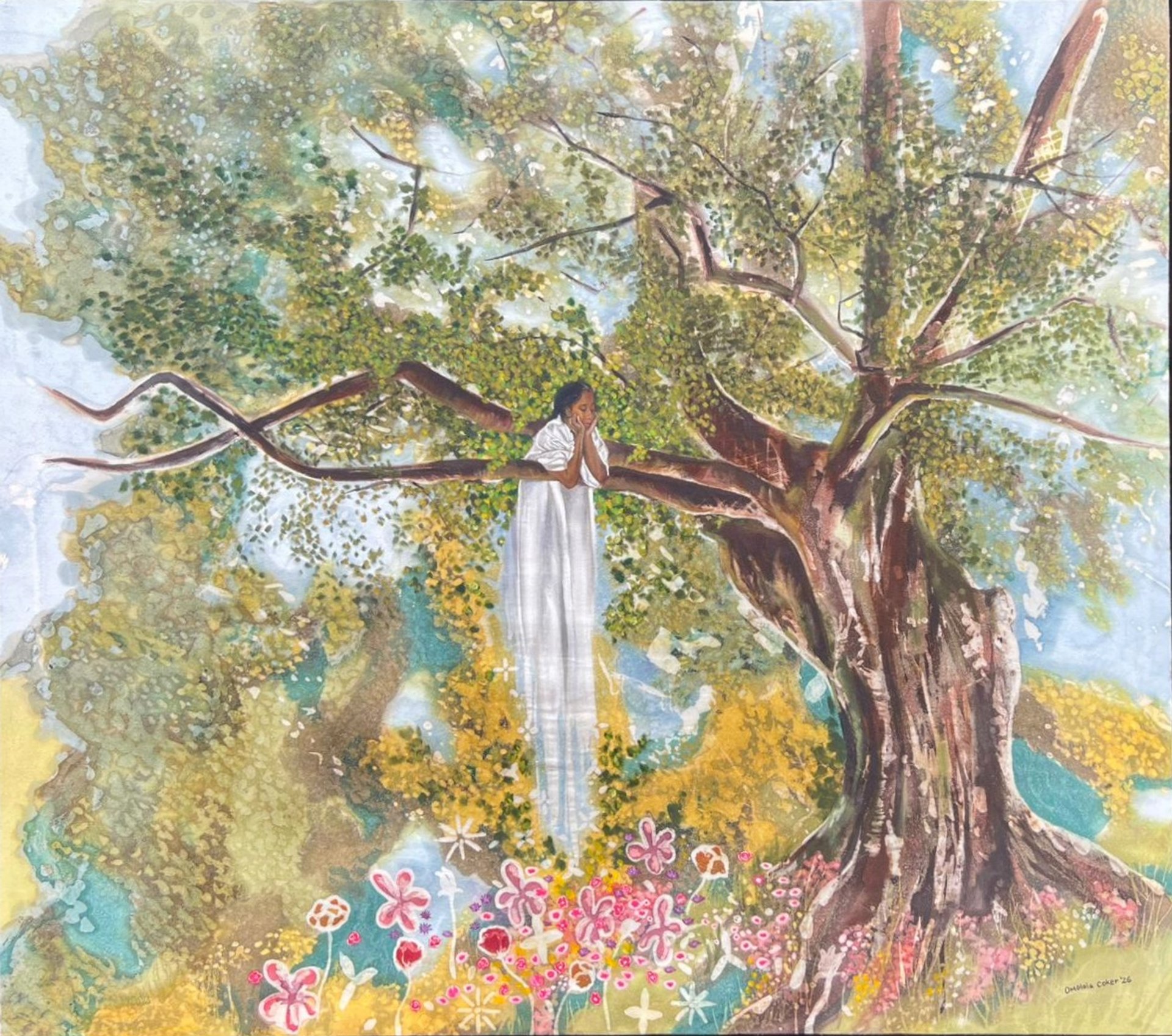
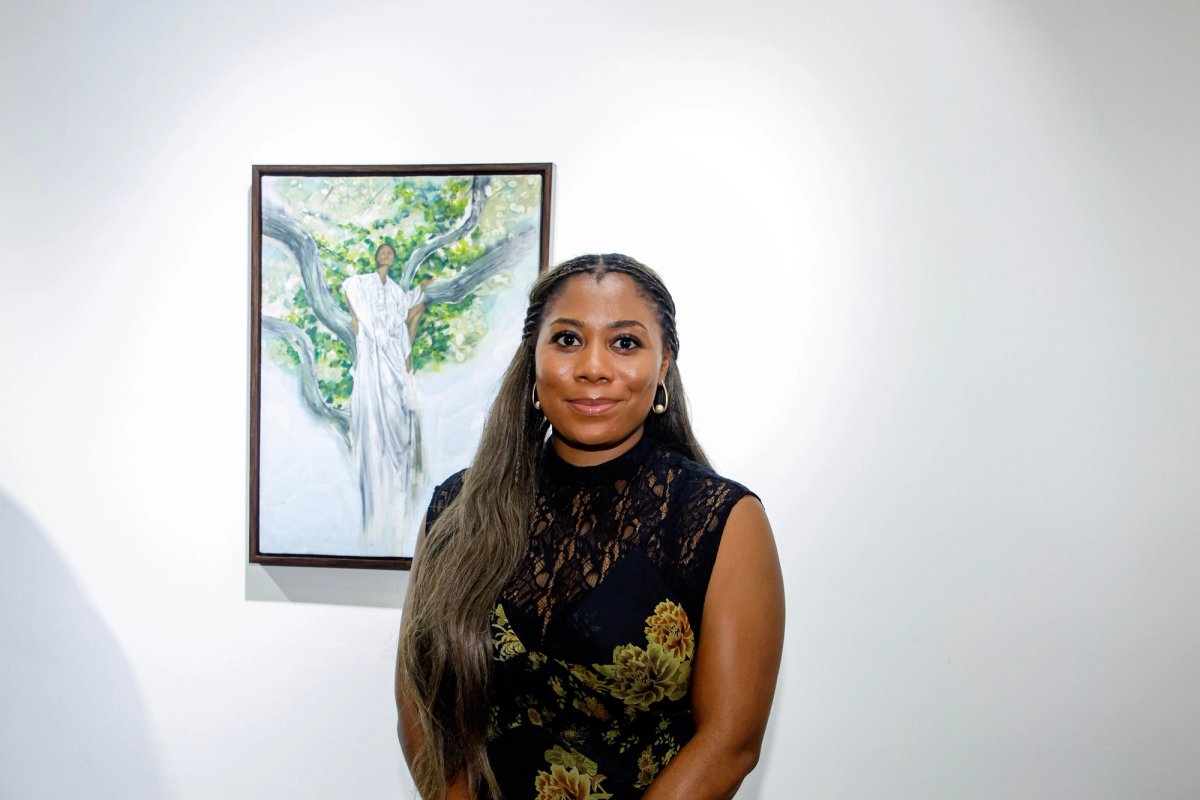
Omolola Coker, Be Fruitful (2026)
Courtesy the artist
The prize includes $5000 and a three-month residency at Nosona Studios in Benin City in Nigeria founded by self-taught Nigerian artist and educator Enotie Ogbebor. The first and second runners-up take home $2500 and $1000, respectively. All finalists will receive mentorship over the course of a year.
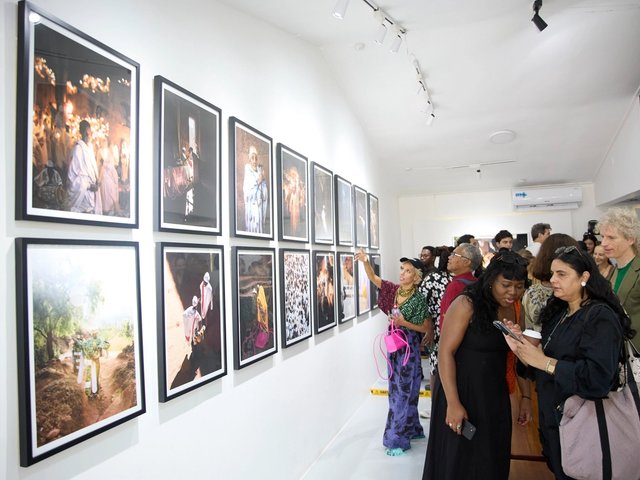
Work by the four finalists spanning painting, photography, sculpture and installation is featured in a group exhibition titled What is Given curated by Ugonna Ibe-Ejiogu at Yenwa Gallery in Lagos on view through 4 July. The finalists were selected by a jury that included Odile Tevie of the Nubuke Foundation, Dotun Sulaiman, a collector and the chairman of the Yemisi Shyllon Museum of Art, Stephen Tio, the managing director of Afreximbank, and Ayodeji Rotinwa, a journalist and art critic.
11 longlisted artists for the prize included Osaji Chinedu George (Nigeria), Rechel Rodham Oppong (Ghana), Daniel Quarshie (Ghana) and Tochukwu Orazulike Kingsley (Nigeria). The artists participated in a three-week virtual development bootcamp focused on mentorship, portfolio building, writing and career strategy in January 2026.
Supported by Metis Capital Partners and Ibe-Ejiogu, the founder of Yenwa Gallery, the Myma Art Prize was founded in 2024 by the children of Ghanaian lawyer and art collector Myma Belo-Osagie as a birthday gift, with an open call from July 2025. The call was open to Ghanaian and Nigerian artists aged at least 25 years old, who were residents and citizens of the two West African countries and had three to seven years of active artistic practice.
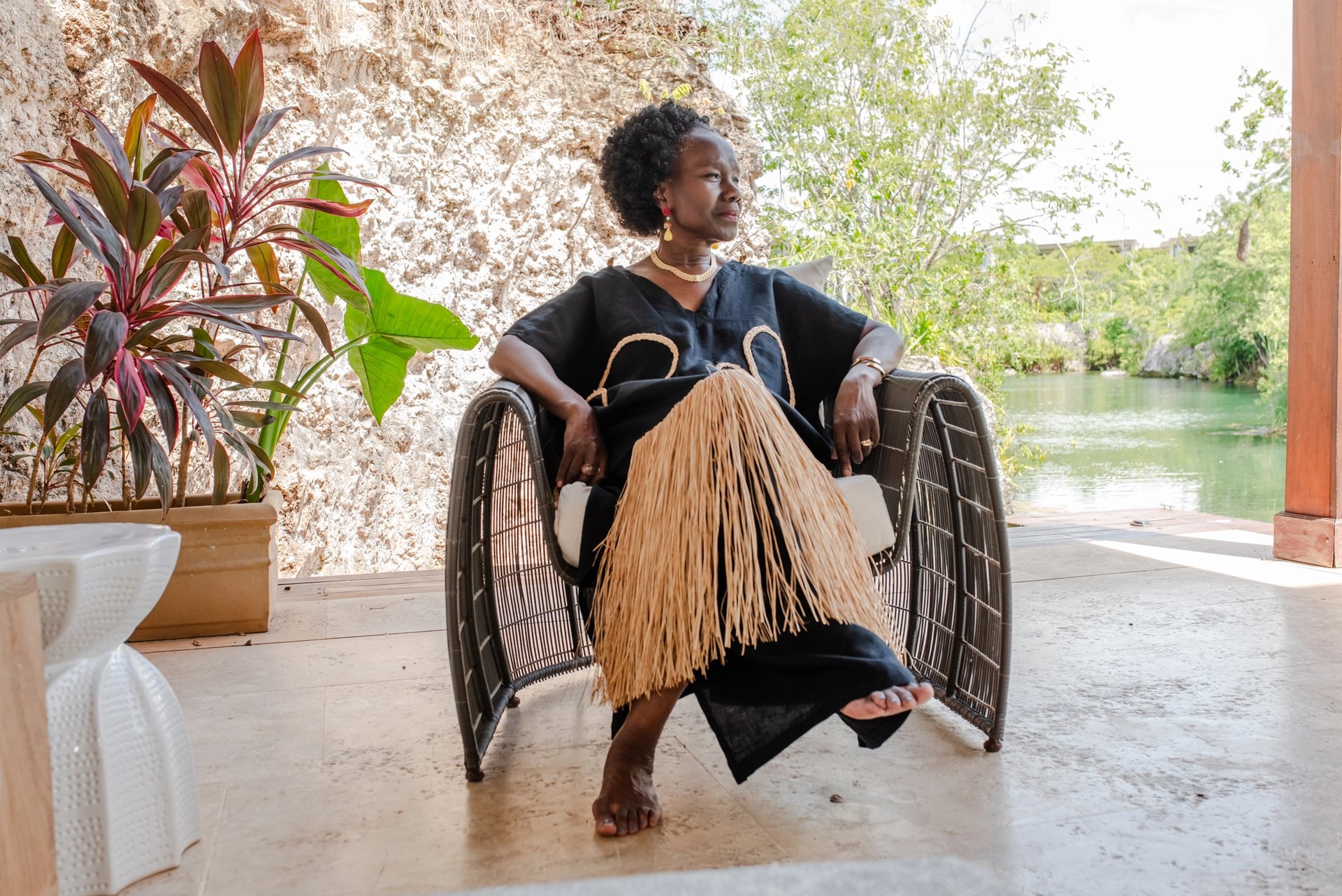
Myma Belo-Osagie
Photo: Mike Dumonceau
“I thought it was a fascinating gift,” Belo-Osagie tells The Art Newspaper about the prize named in her honour, which brings together her interests in art, education and supporting the professional development of young people. She serves on the boards of the Smithsonian’s National Museum of African Art and the Museum of West African Art. She is also the chair of the Africa Advisory Board of Harvard University’s Center for African Studies and was elected as an International Honorary Member of the American Academy of Arts and Sciences in 2018.
Belo-Osagie’s approach to her “very eclectic” collection of about 400 artworks was to buy work mainly by artists at the early stages of their careers, such as Wiz Kudowor, Larry Otoo and Ndidi Dike. The decision was inspired in part by her desire to support emerging artists following conversations about artists who couldn’t live off their passion and practice.
“I am interested in seeing young people grow and translate something that they enjoy [and] that they are good at into a profession. I’d like this to assist [artists] to structure their lives in such a way that they can make a career of what they are doing in the most sensible way,” says Belo-Osagie about the prize’s long-term vision for the professional and personal development of young artists. She wants that structure to help artists connect with the right people including curators, gallerists, collectors and other artists “who can expose them beyond the current circles that they are in.”