The Dutch national photography museum has been ordered to pay €400,000 to its former director for sacking her last year without due cause.
After a five-hour court hearing, a judge in Rotterdam has ruled that the Nederlands Fotomuseum must pay former director Birgit Donker two years’ salary for its “serious” failures as an employer.
Donker was dismissed last July by the supervisory board following allegations in the Dutch newspaper De Volkskrant that she had created an “unsafe” work environment and a “culture of fear”. The anonymous-sourced allegations in De Volkskrant’s article were later found by the Dutch Council for Journalism to be “unverifiable and tendentious”.
After her dismissal Donker was made to hand in her keys, denied access to her email, banned from contacting employees of the museum and told her contract would end on 1 October. In its arguments in court, the board criticised Donker’s leadership and claimed she had not properly informed its members about issues such as staff turnover.
The judge, however, ruled that the board had not presented evidence that Donker’s leadership style caused such an atmosphere or that she had failed to properly inform the board. The court ordered the museum to place a rectification on its website and share it with Dutch media.
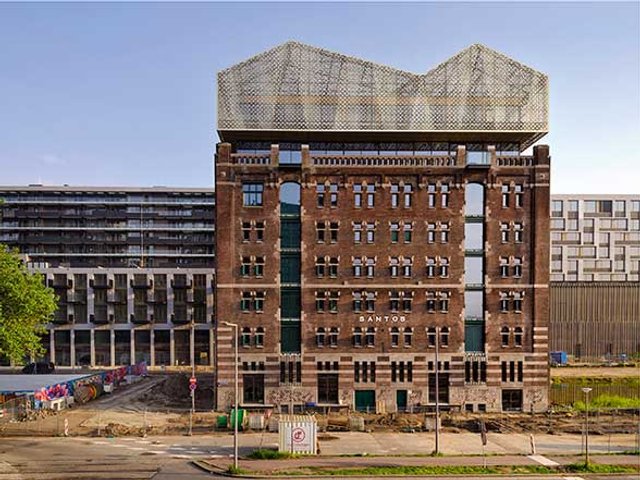
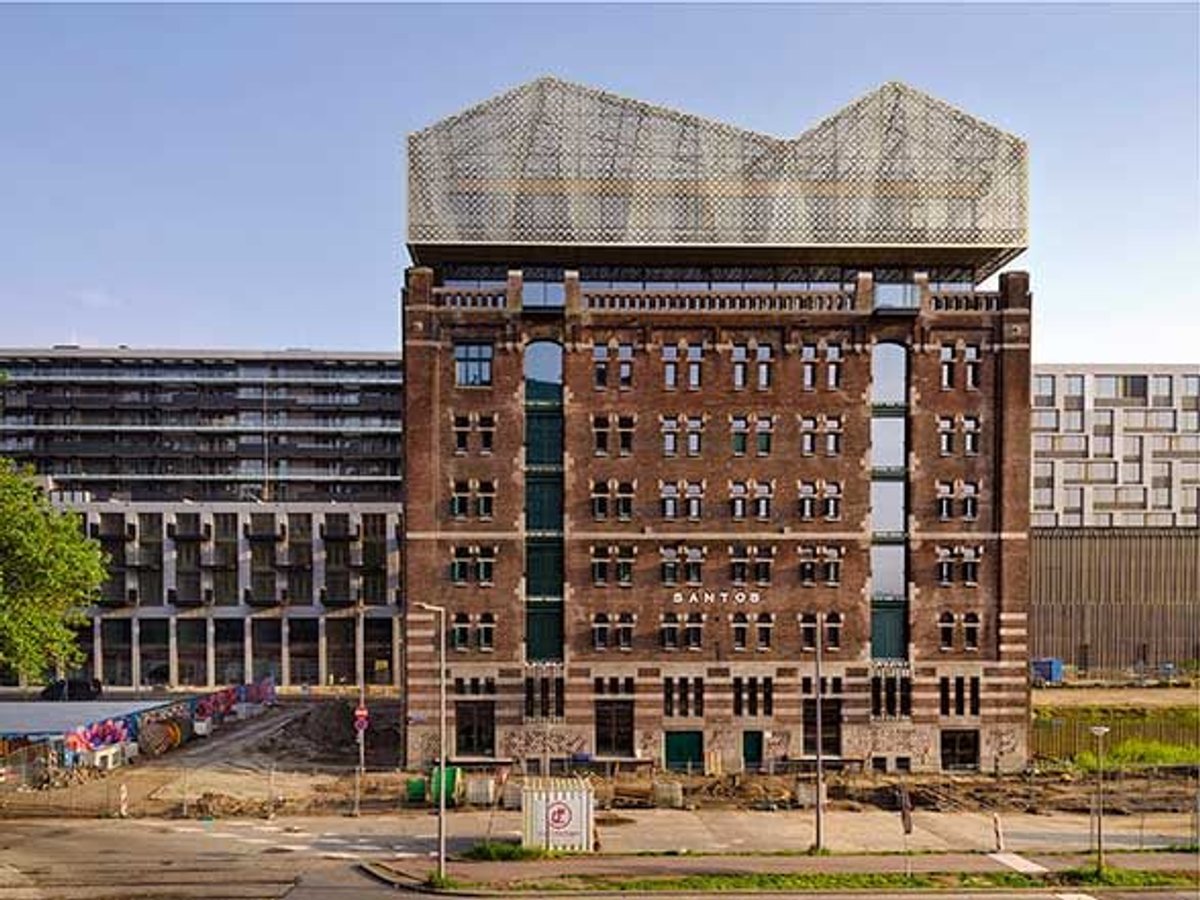
The judge noted that in the museum’s annual reports, the board previously had “warm praise” for Donker, who took over the leadership of the embattled organisation in 2018, turned around what the judge described as its “very poor” finances and organisation, and managed the move to a new home in a former coffee warehouse.
During the court case, Donker said that she has now set up as a freelancer but has struggled to get commissions and had one job cancelled because of the negative publicity. The effect on her career was cited by the judge as one of the reasons for the size of the payout.
Other museum directors told Dutch press this year that they, in fact, felt “unsafe” at work, thanks to a 2021 law change removing some of their legal protections as employees.
Donker told The Art Newspaper that she was hugely relieved at the verdict, which also found allegations of “narcissism” and “toxic management” had not been substantiated. “Everything I have been accused of has been dismissed by the judge, who has issued a comprehensive judgment based on thorough investigation,” she said. “I hope that further thought will now be given to the question of who oversees supervisory boards in the cultural sector, because I hope that no one will ever have to go through this again.”
The museum said in a statement that it would not appeal the ruling and published the rectification on Monday. “The Netherlands Fotomuseum has been informed of the decision, which it finds disappointing,” it said. “In the interests of the future of the museum and to close a case that has weighed heavily on the organisation and all involved, the museum accepts this judgment.
“In the meantime, the Nederlands Fotomuseum is fully focused on continuity and further development.”
Pieter Klok, the editor-in-chief of De Volkskrant, said that the paper rejected the criticisms of its reporting.
"We still stand fully behind our publication," he told The Art Newspaper in an email. "We are very surprised that the judge describes [our article] as ‘devastating’, especially as we are not even a party to this case. According to the [journalism] council, our article was balanced; we only failed to properly substantiate our use of anonymous sources. We have rectified this."