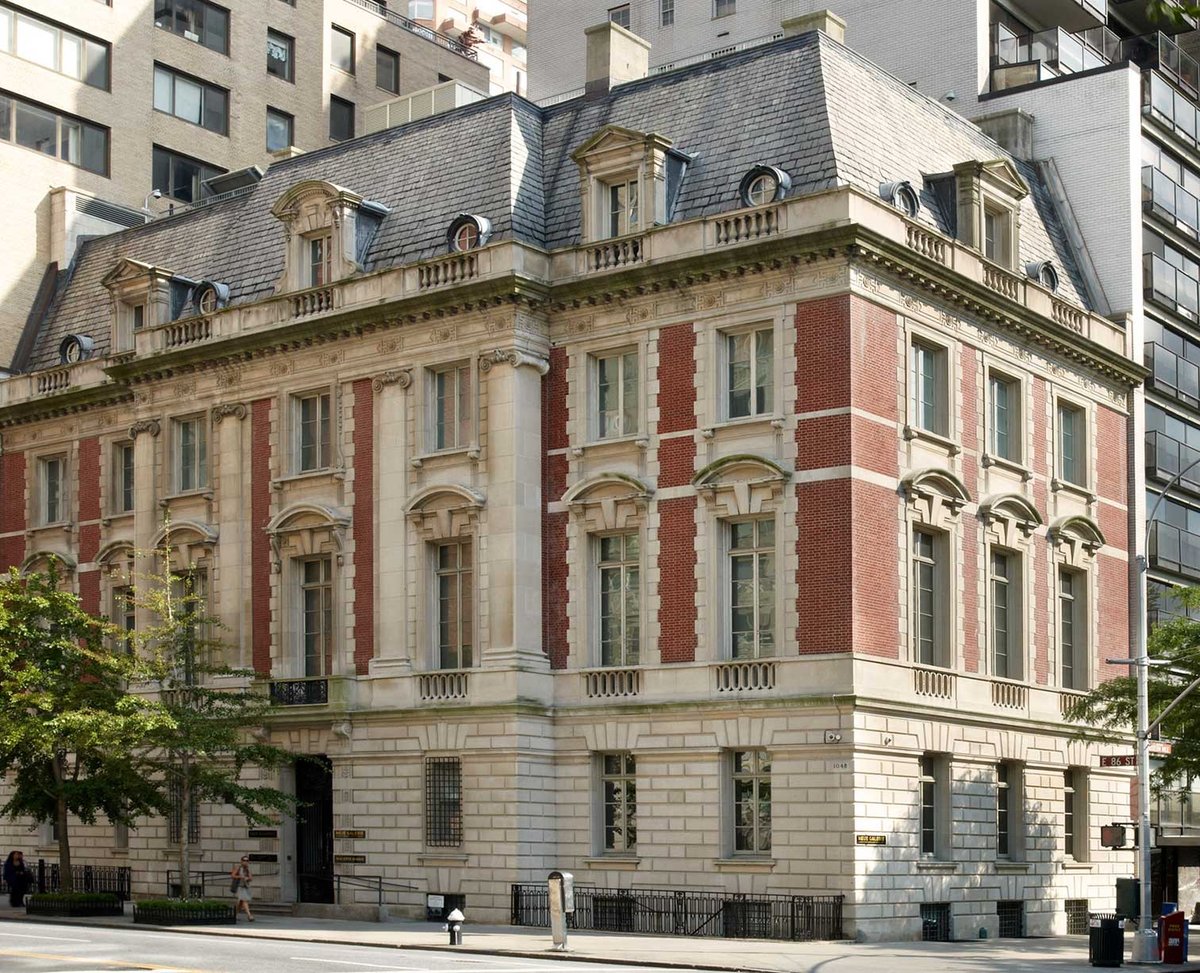
New York’s Neue Galerie, a beloved private museum and home to the richest collection of Austrian and German Modernism outside Europe, is merging with the Metropolitan Museum of Art. While the details of the agreement are still being hammered out, there is speculation that the Neue’s location, staff, curatorial and accession policies will remain largely unchanged. At least for now. In 2028 the Met will fully take over the smaller institution, housed in the historic William Starr Miller House mansion, and the museum will become known as the Met Ronald S. Lauder Neue Galerie.
The Met and the Neue differ greatly as institutions. The encyclopaedic Met, the fourth-largest museum in the world, was founded in 1870 and owns almost two million objects spanning 5,000 years. The Neue, established in 2001, has around 600 works with an estimated total value of $1.5bn. The Neue’s art was all collected by Ronald S. Lauder, the 82-year-old sole heir to the Estée Lauder fortune, who is often on site at his museum checking on things and making decisions when needed. The two institutions have their own staff and volunteers, their own policies and culture—all of this will need to be brought into alignment.
In a statement, Lauder said: “The merger with the Met in 2028 will preserve and strengthen the Neue Galerie’s legacy in perpetuity.” The Met’s director, Max Hollein, noted that Lauder “has established a museum that is itself a work of art, and ultimately a profound reflection of his passion, expertise and philanthropy”. He added that the Met is “honoured” to carry on Lauder’s “tremendous legacy”.
The merger will bring into the Met significant works by artists like Egon Schiele, Gabriele Münter, Oskar Kokoschka, Ernst Ludwig Kirchner, Max Beckmann and Josef Hoffmann. In addition, Lauder and his daughter Aerin Lauder Zinterhofer will donate 13 pieces from their personal collections to the newly combined institution—including works by Otto Dix, George Grosz, Christian Schad and Gustav Klimt.
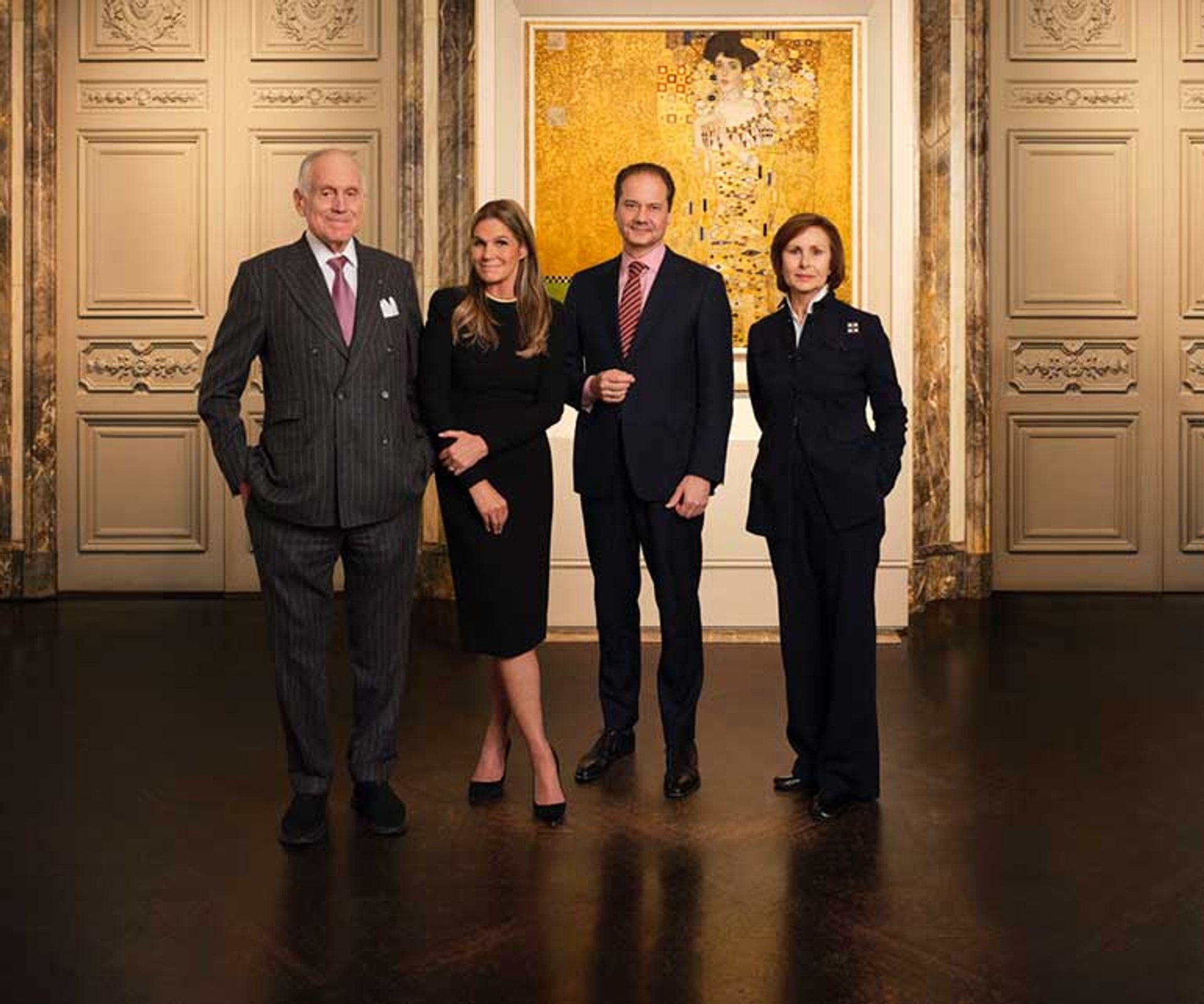
Left to right: Ronald S. Lauder, Aerin Lauder Zinterhofer, Max Hollein and Renée Price Photo: Thomas Loof
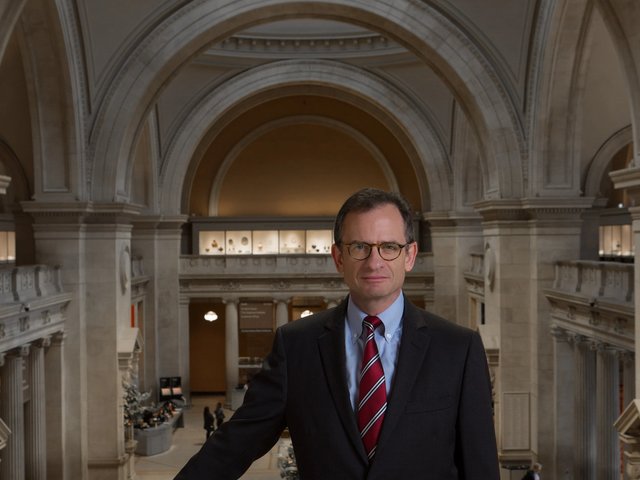
“My sense is that significant enough funds have been set aside such that the Neue can operate as it always has, that it will have a significant endowment and keep its successful restaurant and shop,” Daniel Weiss, a former president of the Met and current director of the Philadelphia Museum of Art, tells The Art Newspaper. “The question is: what kind of changes will the Neue need to make to become part of the Met institution? There might be changes in personnel or health insurance or policies like that, which are necessary, but the distinctiveness of the curatorial vision and the presentation of the institution to the public would have been the first thing they needed to think about. The Met knows how to do that.”
Weiss points to the Cloisters, the Met’s re-created medieval monastery in Manhattan’s Fort Tryon Park, as a shining example. Since 1938, the Cloisters has shown tapestries, manuscripts, paintings, altarpieces and other objects from the 12th to the 15th centuries. Weiss sees it as a museum that has its own sphere but works harmoniously with the larger Met.
Another such case was the Met Breuer, which operated between 2016 and 2020 as a satellite space for Modern and contemporary art. Weiss oversaw its opening in the Breuer Building, the former home of the Whitney Museum of American Art (now home to Sotheby’s). “That was a completely different kind of institution as well,” Weiss says. “It had a very distinctive programmatic offering intended to be complementary to the main building.”
Other mergers and acquisitions
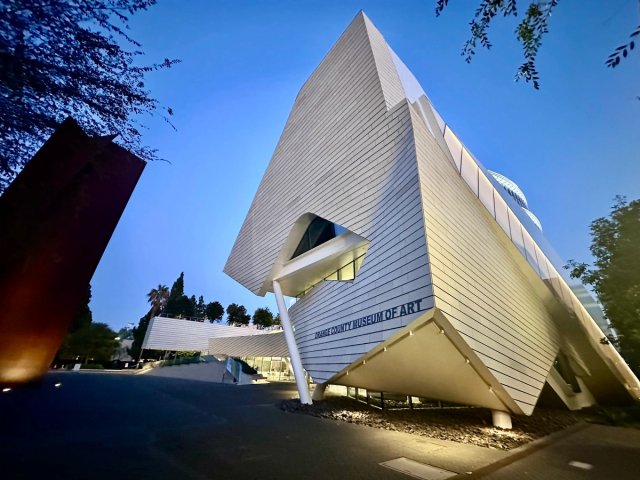
Museum mergers and takeovers are fairly common, and there have been several notable examples in the US in recent years. In 2023, the San Diego Museum of Art (SDMA) took over the Museum of Photographic Arts (MOPA). The Kirkland Museum of Fine & Decorative Art merged with the Denver Art Museum (DAM) in 2024. And in late 2025, the University of California, Irvine, assumed control of the Orange County Museum of Art.
Merging museums is no easy feat, says DAM director Christoph Heinrich, involving “a phased, highly strategic integration of operations, collections and programming designed to preserve the unique identity of both institutions while expanding their reach”. He notes that his own museum’s merger with the Kirkland took place over a two-year period and involved “unifying ticketing systems and operating hours” as well as “aligning technological systems, standardising collection-management databases and combining curatorial expertise”.
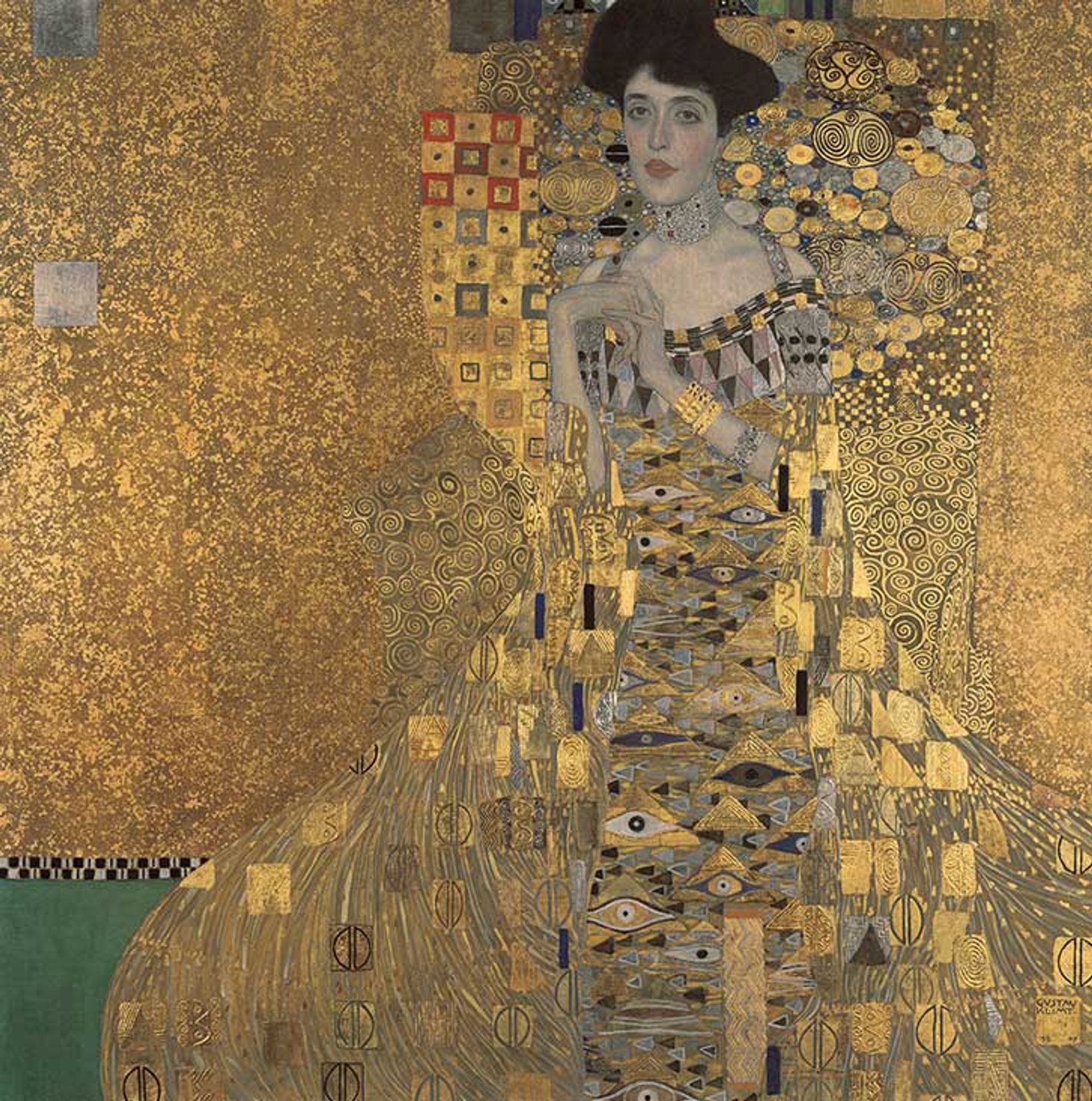
Gustav Klimt’s Adele Bloch-Bauer I (1907) is part of the Neue Galerie’s illustrious collection Courtesy Neue Galerie
In many instances, museum mergers and takeovers occur when the smaller institution runs out of money. Such was the case with the Philadelphia History Museum, which operated between 1938 and 2018. Declines in attendance and funding led the City of Philadelphia to orchestrate a plan to transfer the institution’s collection to Drexel University. It was renamed the Atwater Kent Collection at Drexel, and its objects were made available as loans to other institutions.
In San Diego, the SDMA’s merger with MOPA ended up costing the larger institution a lot of money, even as it made use of MOPA’s funds and endowments. “We were able to fundraise in order to support covering the costs of the needed expenses for the merging process,” says Roxana Velásquez, SDMA’s director. “Plus, it was necessary to make some capital improvements to address deficiencies and upgrade operating systems.”
A shortage of money does not appear to be an issue for the Neue, but its founder’s age certainly is. (Lauder’s brother died last year at age 92.) “Ronald Lauder is 82 and wants the integrity of his institution to remain,” says Gary Vikan, a former director of the Walters Art Museum in Baltimore. “He is in a strong position, because of his wealth and the masterpieces in his museum, to negotiate certain conditions of the merger.” Vikan says these probably include a ban on deaccessioning Neue works “at least for a number of years”.
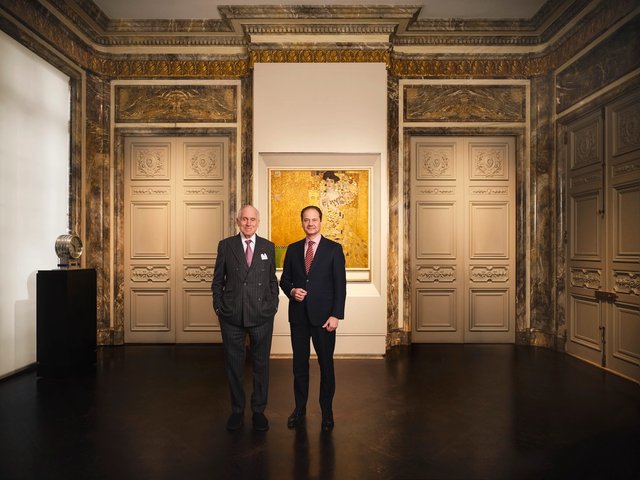
Furthermore, Lauder will likely require the Met to maintain the Neue’s building rather than sell it, as well as retaining certain staff—such as its director, Renée Price. Vikan even thinks Price will be offered a seat on the Met’s board alongside Lauder.
Thus far, the merger of the two New York museums has been met with considerable enthusiasm. More than two dozen Met trustees have made donations supporting it. And to cushion the financial burden of the deal, Lauder and Lauder Zinterhofer will support an endowment for the Neue’s long-term needs as well as providing funds for the merger itself. A joint advisory board, with Lauder serving as its inaugural chair, will make sure that everything goes as smoothly as possible.