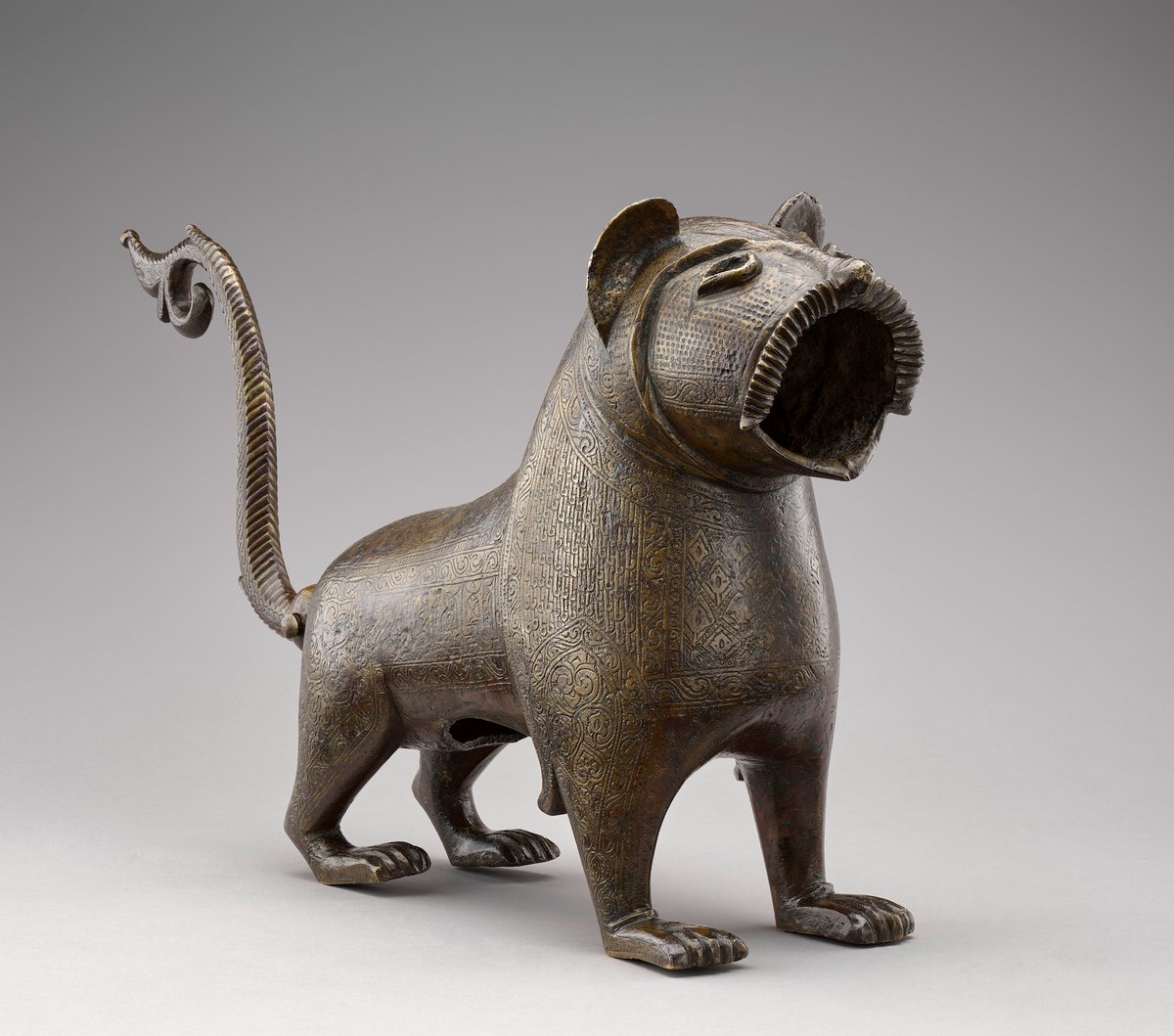
Paris's Musée du Louvre is set to lend 26 works from its world-class Islamic art collection for From the Louvre: Masterpieces of Islamic Art (26 September-18 January 2027) at the Smithsonian’s National Museum of Asian Art (NMAA) in Washington, DC. The exhibition will feature a number of stunning objects that have never been shown in the United States, among them a bronze statue from Islamic Spain known as the Lion of Monzón(10th-11th century) and a particularly large decorated ceramic Ottoman bowl dated to around 1480.
Spanning the 7th century to the 19th century and territory from present-day Spain to India, the works due to cross the Atlantic include paintings, ceramics, metalwork, jade, glass objects and architectural elements. Some are “absolutely the most iconic in [the Louvre’s] Islamic collection”, says NMAA director Chase F. Robinson. Washington will be the show’s only iteration.
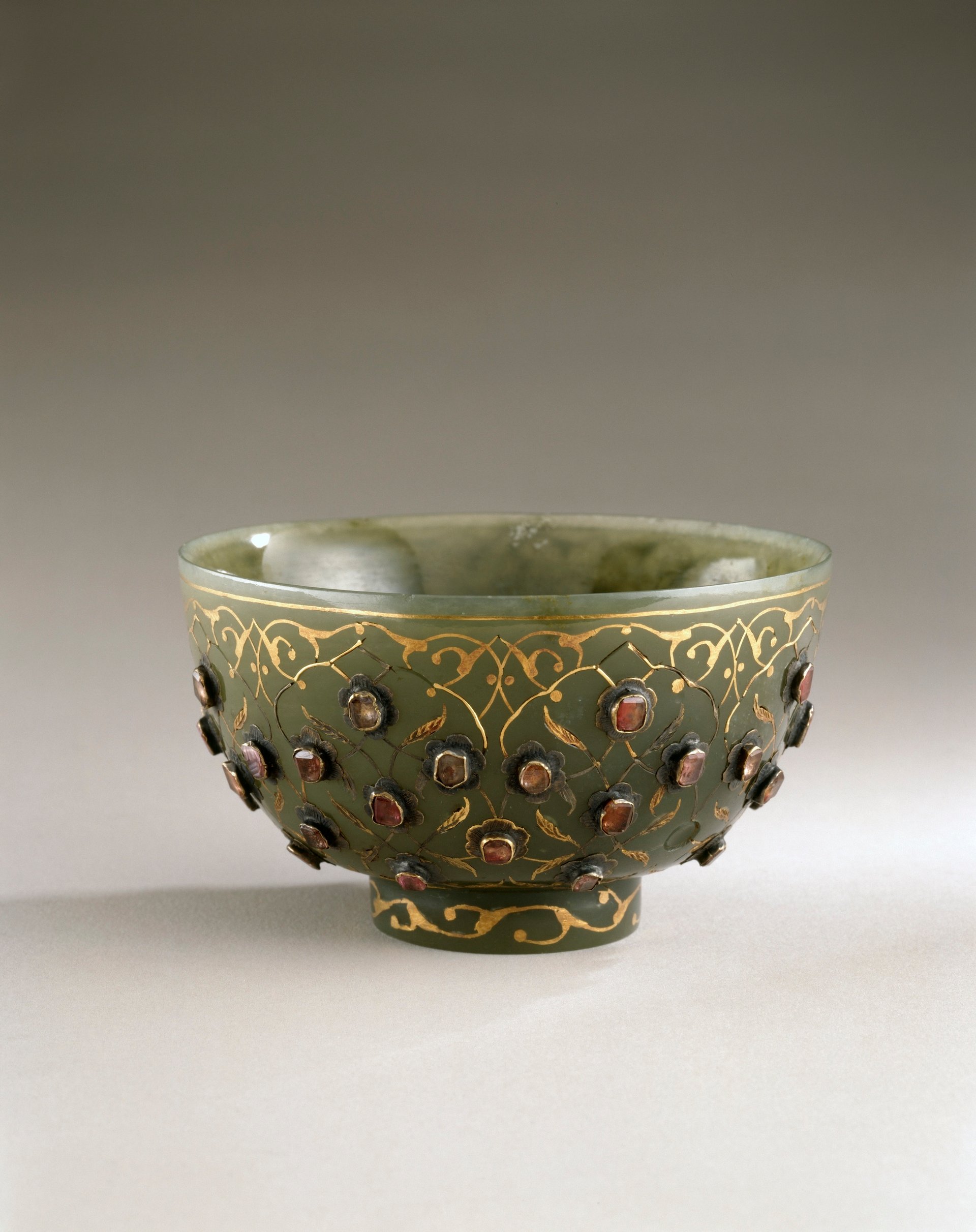
Jade cup with rubies and gold, Ottoman period, around 1550-1600, Turkey
© Musée du Louvre, Dist. GrandPalaisRmn / Raphaël Chipault
The exhibition will explore how the artefacts came to be considered “masterpieces” in different contexts. Long before they entered Western collections, many of the objects were recognised as peerless works of exceptional artistry and craftmanship within the Islamic aesthetic traditions in which they originated.
“We’re [working] from the Islamic notion of a masterpiece,” says exhibition co-curator Simon Rettig, the associate curator for the arts of the Islamic world at NMAA. “The word tuhfa means objects of extraordinary craftsmanship. It conveys this idea of preciousness, rarity and it’s an object that is worthy of being a gift.”
Some of the works thus became prestige items that were exchanged within and across Islamic societies, such as two bejewelled ivory pen cases that the 17th-century Mughal emperor Jahangir commissioned and then gifted to another Muslim ruler, Safavid shah Abbas I, and his grand vizier—and that were later acquired by Louis Cartier in 1912.
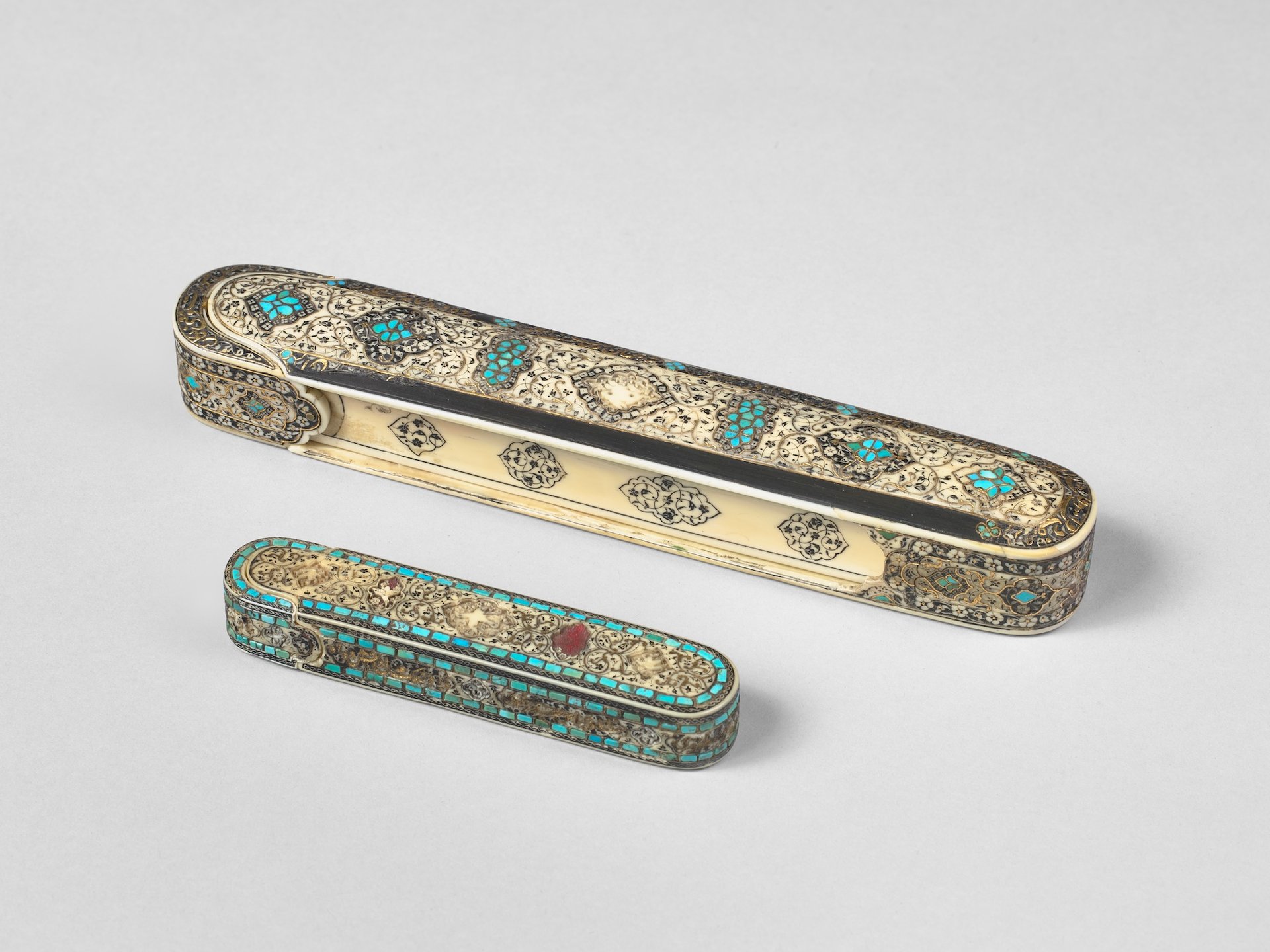
Pencases with the name of Shah Abbas I (r 1587-1629) and of Grand Vizier Mirza Muhammad Munshi, around 1575-1625 © Musée du Louvre, Dist. GrandPalaisRmn / Hervé Lewandowski
“To present the pieces as part of extraordinary aesthetic traditions, but at the same time as objects that tell stories of diplomatic relations, that tell stories of personal connections, that are embedded within traditions of gift-giving, it adds another dimension which is really interesting,” Robinson says.
The exhibition will also examine the often-circuitous trajectories through which some of the pieces came into the holdings of the Louvre. These include an 18th-century oil painting of the Persian ruler Fath-Ali Shah Qajar that was given to Napoleon Bonaparte as a diplomatic gift, and a Mamluk metal vase that entered the collection of the 17th-century Pope Urban VIII.
Some of the featured works that originated in the Middle East have been in Europe for centuries—since well before the Louvre Palace opened as a museum in 1793—including a 14th-century engraved Mamluk brass basin now known as the Baptistery of Saint Louis.
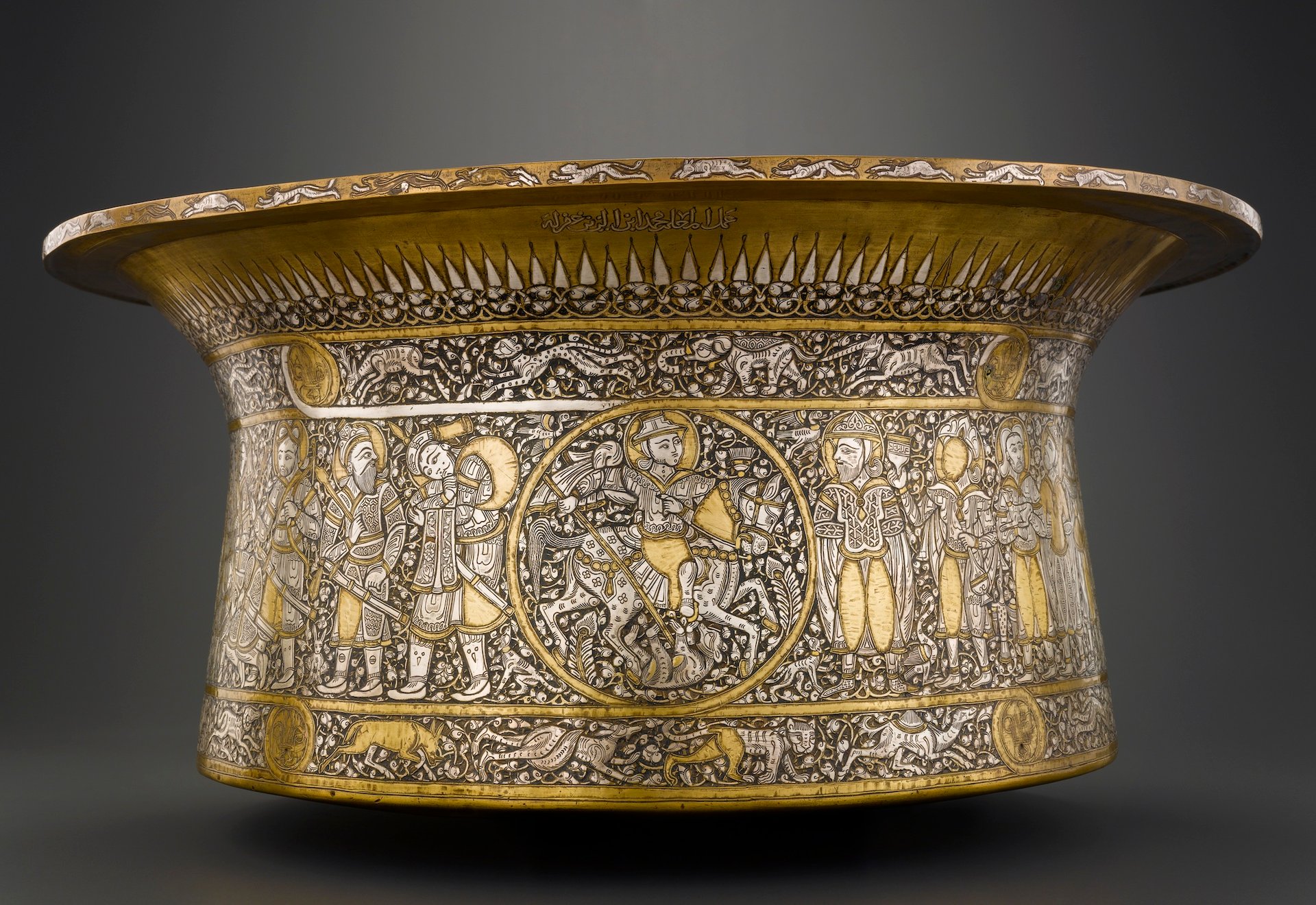
Basin known as the Baptistery of Saint Louis, Mamluk period, around 1325-40,
Egypt or Syria © Musée du Louvre, Dist. GrandPalaisRmn / Hughes Dubois
The basin, richly inlaid with silver and gold, was created in Syria or Egypt and probably originally intended for ceremonial hand washing, but made its way to France within about a century and in 1606 was used to baptise the future King Louis XIII. Later, the piece became associated with the earlier King Louis IX (who was also known as Saint Louis) as part of French monarchical mythmaking, despite having been made decades after his death. Its Mamluk origins were only re-established in the 20th century.
The piece’s “original identity was forgotten for centuries, to the point that it was given a French identity”, Rettig says. “But what it tells you is that such objects—objects of prestige, objects that are made with precious materials—they travelled.”
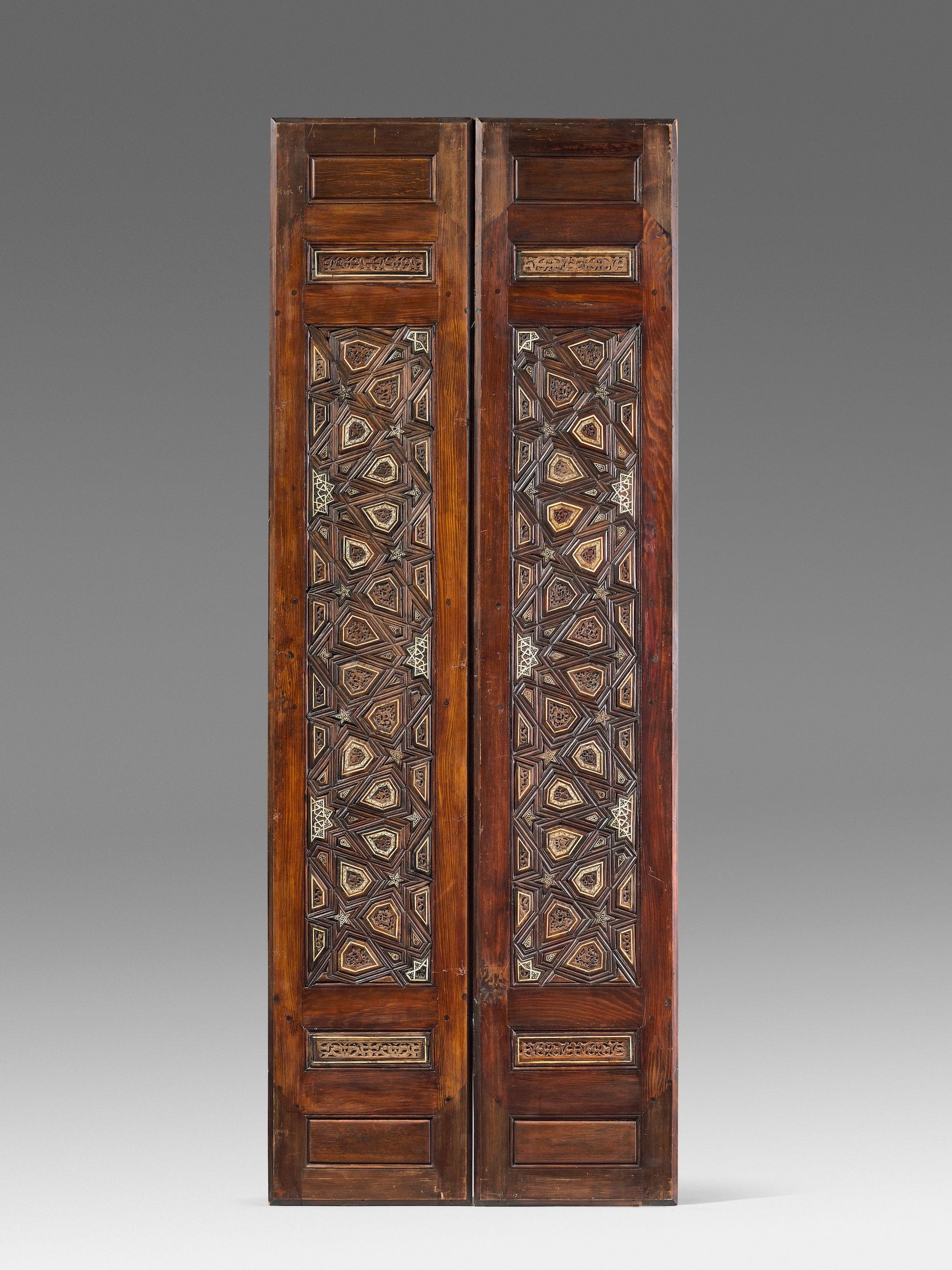
Doors, Mamluk period, around 1300 and 19th century, Egypt or Near East © Musée du Louvre, Dist. GrandPalaisRmn / Hervé Lewandowski
As the exhibition tells the intriguing stories of artefacts traversing time and space through cultural linkages, it will also highlight the longstanding collaboration between the Louvre and the NMAA. The latter’s founder, Charles Lang Freer, established connections with curators and dealers in France and took inspiration from early exhibitions of Islamic art he saw at the Louvre, which helped inform his larger thinking about museums.
Organisers of From the Louvre envision the show as the culmination of the NMAA’s celebration of America’s 250th anniversary this year. “There is this wonderful overlap between the theme of the show, which is these masterworks, many of which have been objects of diplomatic exchange, and America’s 250th. That was a compelling connection for us and for the Louvre,” Robinson says. “The history of the Louvre is wrapped up in the French Revolution in the 18th century; here we are celebrating 1776.”