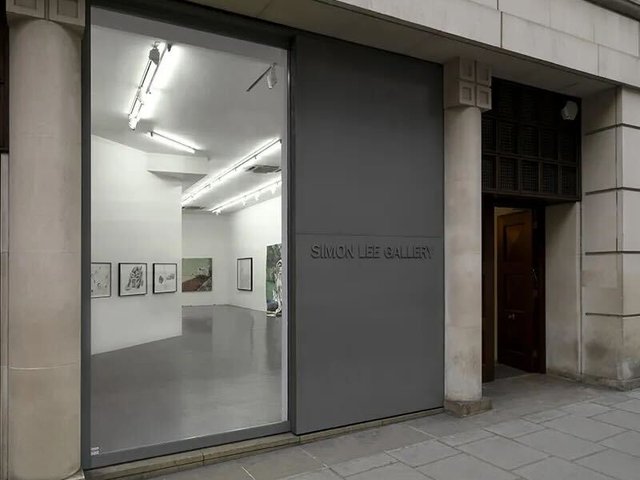
One of the thorniest aspects of the recent insolvencies of Stephen Friedman, Arusha and Simon Lee galleries has been the number of artists and collectors left struggling to recover works that they consigned in good faith but without written agreements.
Studio records and dated photographs can be an important part of establishing ownership
As unsecured creditors, such consignors are at the bottom of the pile when it comes to recouping their losses when a business goes bankrupt. But all is not lost, if they act fast, says Petra Warrington, a partner at the London law firm Wedlake Bell who specialises in art and luxury law: “Consignors should contact the liquidators as soon as possible, assert their ownership rights and provide evidence of title.” But the process can be slow, Warrington warns, “particularly where records are unclear”.
This is an all too familiar scenario. The art market famously leans on informal verbal agreements rather than formal contracts, therefore when things go wrong—whether a breakdown in relations or insolvency—legal intervention is often necessary. “Insolvency practitioners are rarely familiar with art market practice and will typically look for documentary evidence of ownership, and without it, consignors can find themselves in a protracted and costly process trying to retrieve their works,” Warrington says. “Even where title is accepted, securing release from storage providers can take months and sometimes requires a payment to be made—even if there is no legal basis for the consignor to be liable for that payment.” Away from insolvency, galleries might also try to keep possession of works as leverage, for example when commission or expenses are disputed, Warrington says.
Proving title (ownership) of the works is crucial and the most effective protection is a consignment agreement, Warrington says. “It should clearly identify the works and state that title remains with the consignor, with the gallery acting as agent, and, if a sale is effected, holding such sale proceeds on trust for the consignor.” And yet, such agreements are still underused.
Other safety stops should be put in place in this initial agreement, limiting the gallery’s authority over the works, Warrington says, “for example, preventing sub-consignment or the granting of security over works—as these can complicate title issues”.
If there is no formal agreement, emails, WhatsApp messages, inventory records, transport documents or insurance policies can all be used to prove title, Warrington says. “For artists, maintaining studio records and dated photographs can be an important part of establishing provenance and ownership,” she adds.
When other avenues have been exhausted, some artists are also choosing to register their disputed works on the Art Loss Register (ALR), so they can be alerted if the gallery or administrators try to sell them without their knowing. James Ratcliffe, the general counsel and director of recoveries at ALR, says that more and more artists are registering works they have had on consignment with a dealer “where the relationship has broken down in such a way that they now have to make a claim to recover their work”. ALR’s priority is to flag possible problems around title to potential buyers, while also assisting those trying to “recover works where title has not passed”, he says. Speed is key here too, Ratcliffe says, “because the more transactions an artwork goes through, the harder it is for everybody to get back to the correct position”.
Bankruptcy is not the only risk
Most frequently, this issue arises because a gallery has gone bankrupt. However, Ratcliffe says, other scenarios are quite common, “such as dealers taking things on consignment and promising to exhibit them, for example, at a fair, and then simply ignoring the artist’s attempts to contact them thereafter”. In the case of consignment fraud—where a work is sold by a dealer, but they do not pay the artist or collector who owns it—it can be very hard to pursue a claim, Ratcliffe says.
Ultimately, if you are entrusting a work to a third party and therefore giving up almost all control of it, you must do your due diligence, Ratcliffe says. He suggests such strategies as checking with Companies House that the gallery’s paperwork is up to date.
The registration of a work with ALR can be useful in deterring buyers when there is a genuine dispute, but it is not without risk, Warrington says: “An ALR registration can affect the marketability and perceived value of a work, and if used without proper grounds, it may expose the registering party to claims that they have interfered with a sale.”
So, on the flip side, what should gallery owners do if their business is sliding under? The most important step is to take legal advice early, Warrington says, “particularly as directors can expose themselves to personal liability if they continue to trade once insolvent, or improperly deal with third party assets”. Galleries should also ensure that inventory and consignment records are up to date, with the owners of all works properly identified. And, however tempting it may be, never “move, sell or encumber works without advice once insolvency is in prospect”, Warrington adds.