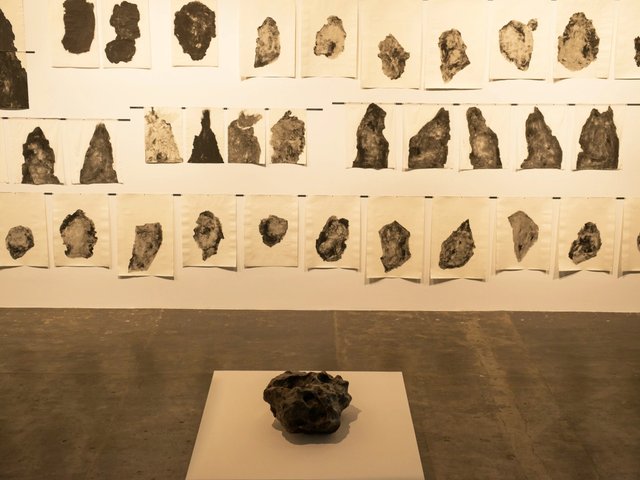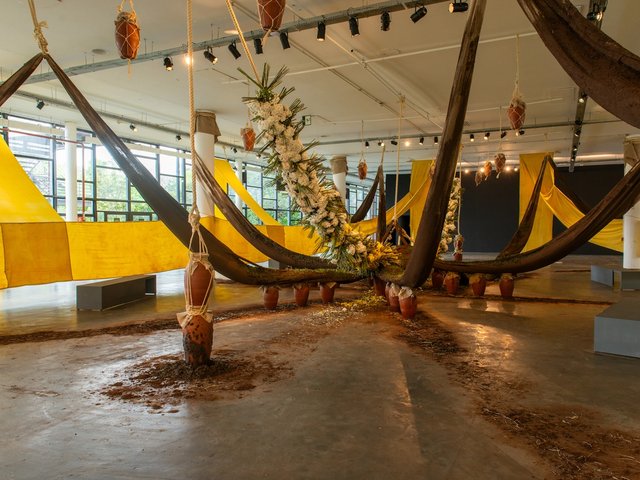
A new documentary traces the multifaceted trajectory of the late Brazilian artist Amélia Toledo, who expanded the field of Brazilian Modernism and Neoconcretism in her lifetime through her work as a sculptor, painter, draughtswoman and educator. The film Amelia Toledo: Lembrar de Não Esquecer (Don’t Forget to Remember) explores the dimensions of her five-decade career, with testimonials from her peers and relatives, as well as archival footage and photographs from notable exhibitions, workshops and interviews.
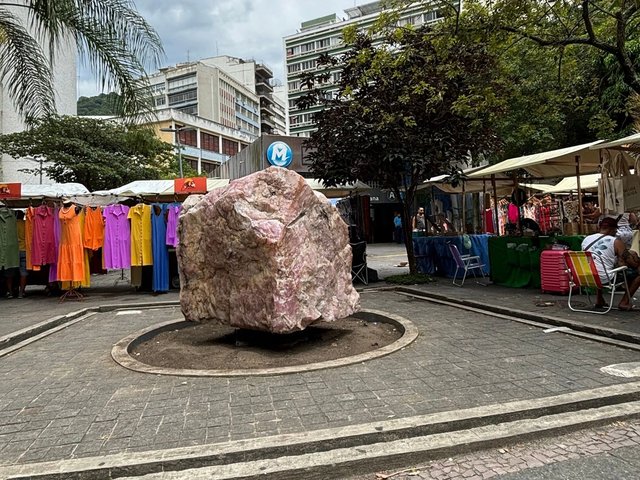
Toledo was born in 1926 in São Paulo and died in Cotia in 2017. Throughout her career, she developed an experimental practice that merged geometric abstraction with the natural world. She was interested in the energetic properties of organic materials, creating works that centred crystals, shells and stones, some of which she mounted on concrete or steel pedestals, immersed in pools of water or arranged in mosaic-like compositions. She also photographed magnified stones and crystals, bringing the beauty of their undulations and gradations into focus. Her hard-edge paintings evoked natural forms, resembling microscopic specimens.
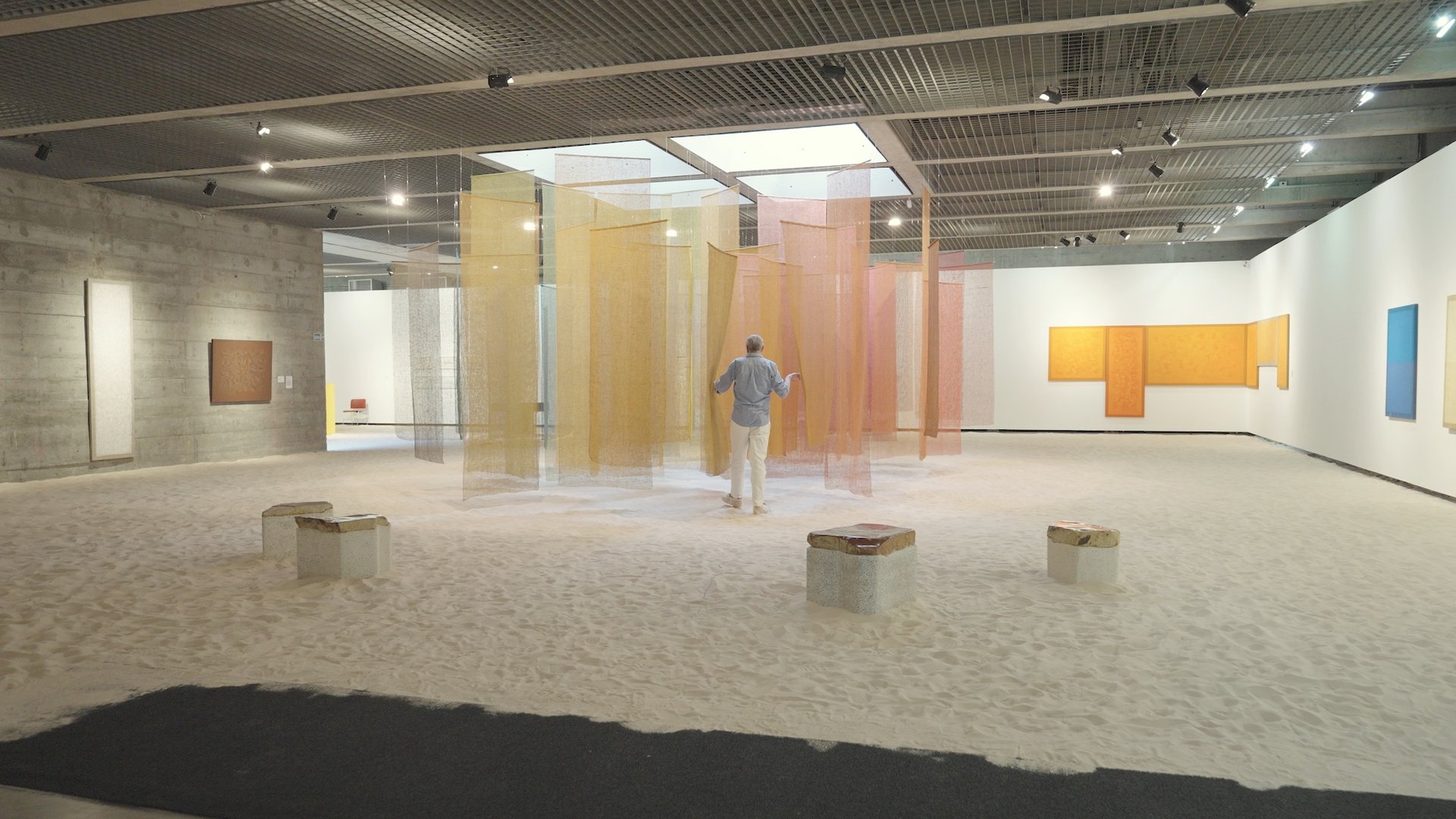
A scene from Amélia Toledo: Lembrar de Não Esquecer (Don’t Forget to Remember), showing her 2024 exhibition at the Museu Brasileiro da Escultura e Ecologia Courtesy B2 Produções
Toledo studied under artists including Anita Malfatti, Yoshiya Takaoka and Waldemar da Costa, and later worked for the architect João Batista Vilanova Artigas. During a period in London in the late 1950s, she studied under William Turnbull at the Central School of Arts and Crafts, where she began making collages from torn paper, an early indication of the experimental process that would define her career.
Alongside her artistic practice, Toledo taught at several institutions, including the University of Brasília, which was founded in 1962. Following the military coup of 1964, the university came under scrutiny and several professors and students were arrested. Intellectuals and cultural figures were overwhelmingly persecuted during the dictatorship, prompting Toledo and her husband, who also taught at the school, to relocate to Portugal in 1965 with their children, where Toledo lived for around two years before returning to Brazil.
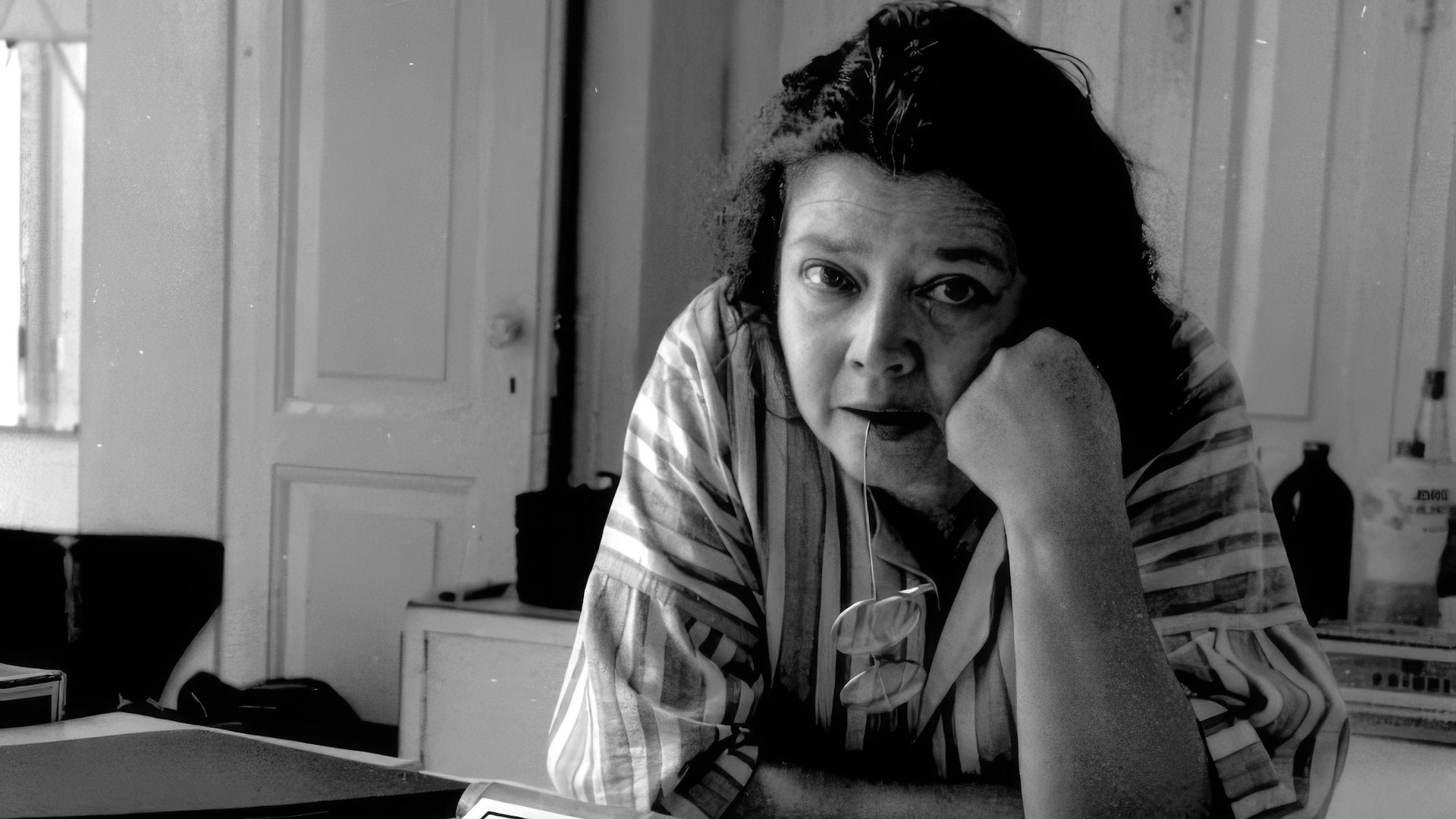
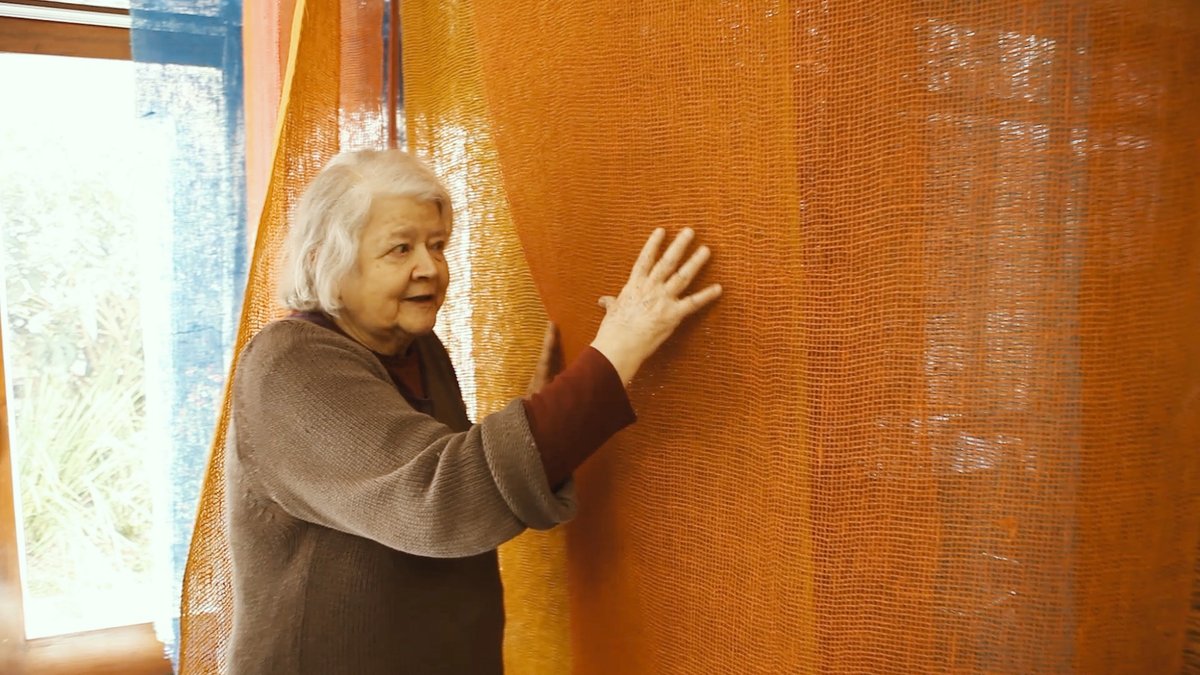
An archival portrait of Amélia Toledo Photo: Paulo França
Throughout her life, Toledo remained closely connected to leading figures of Brazil’s post-war avant-garde, including Hélio Oiticica, Lygia Pape and Da Costa. Her work has receive renewed attention in Brazil and abroad in recent years, including through a 2024 exhibition at the Museu Brasileiro da Escultura e Ecologia (Mube) and her inclusion in the Hammer Museum’s landmark exhibition Radical Women: Latin American Art, 1960-1985 in 2017 (which subsequently travelled to the Brooklyn Museum and the Pinacoteca de São Paulo).
The new documentary offers a fascinating glimpse into Toledo’s practice and process, but one area in which it falls flat is its editing. Throughout its 82-minute run, it moves somewhat circuitously between themes. Some sections repurpose footage captured nearly a decade ago by other filmmakers for a project that never came to fruition, including those showing Toledo in her home and studio speaking firsthand about her practice. In one scene, Toledo explains how she felt that her work never “had to be the means to express” her political stance; however, this point and others, like Toledo’s interest in astronomy, are never quite fleshed out and leave something wanting.
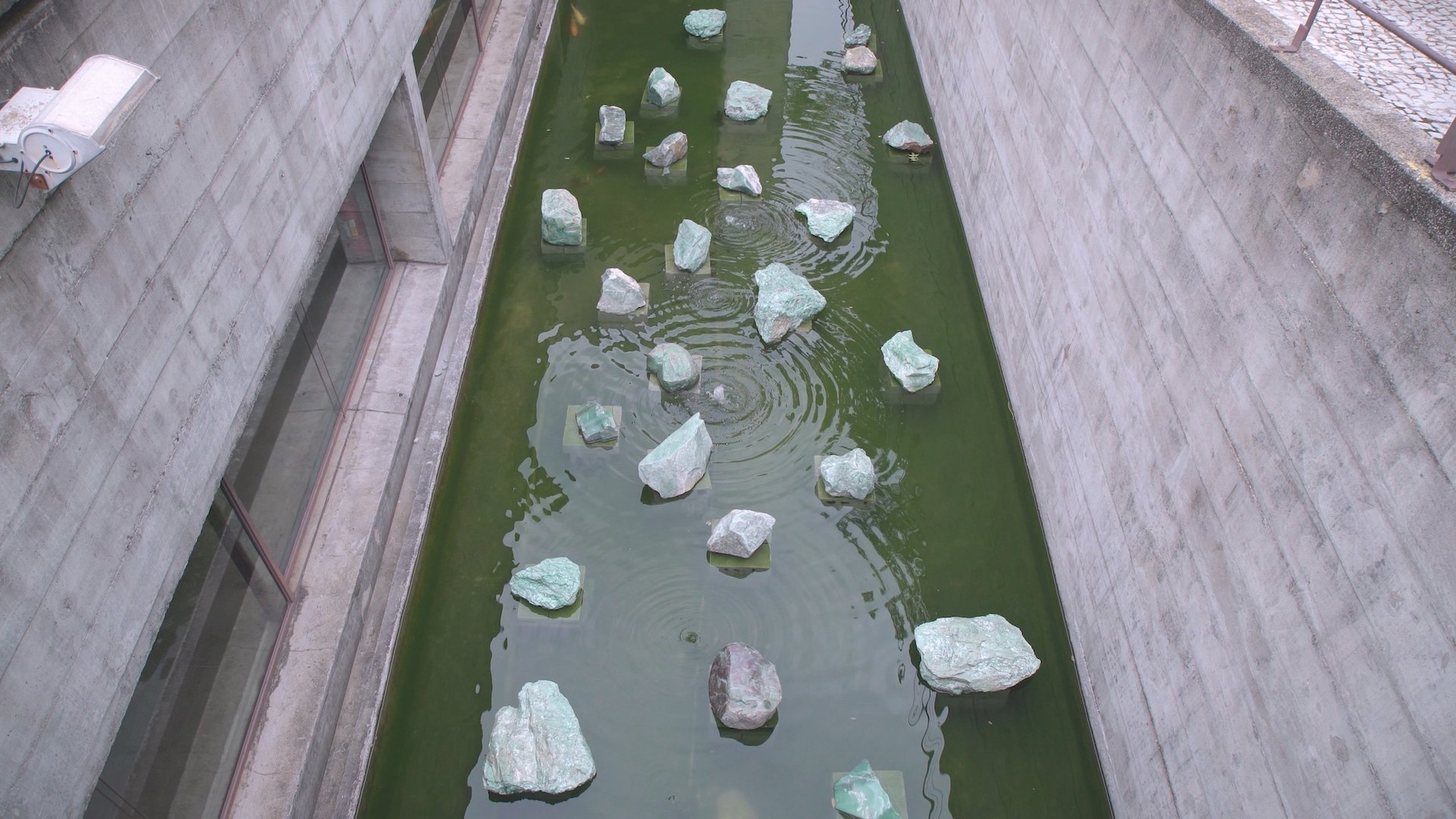
A scene from Amélia Toledo: Lembrar de Não Esquecer (Don’t Forget to Remember), showing one of the artist's outdoor installations Courtesy B2 Produções
The film premiered at the 49th São Paulo International Film Festival last year and, following a screening in São Paulo earlier this month at the Museum of Image and Sound, was theatrically released last week in cinemas throughout Brazil. A date for its international release has not been announced.
The film-maker and journalist Hélio Goldsztejn, who has made a wide range of artist documentaries, including one devoted to the Japanese-Brazilian artist Tomie Ohtake in 2015, encountered Toledo’s work during his decades-long tenure at Metrópolis, a Brazilian arts and culture television programme. He worked with Toledo’s son to complete the documentary, hoping to bring wider recognition to an “extraordinary but still little-known artist”.
Goldsztejn also collaborated with Galeria Nara Roesler, which will hold a major presentation of Toledo’s work in the forthcoming edition of the Independent 20th Century fair in New York in September. “There is still so much of her work to be discovered internationally,” says Daniel Roesler, the gallery’s partner and senior director. “Our presentation is particularly meaningful [because] it gives us the opportunity to bring this very singular way of looking at the world to a broader audience.”
Watch a trailer for Amelia Toledo: Lembrar de Não Esquecer:
- Amelia Toledo: Lembrar de Não Esquecer is currently showing at cinemas in Belo Horizonte, Rio de Janeiro, Salvador and São Paulo.