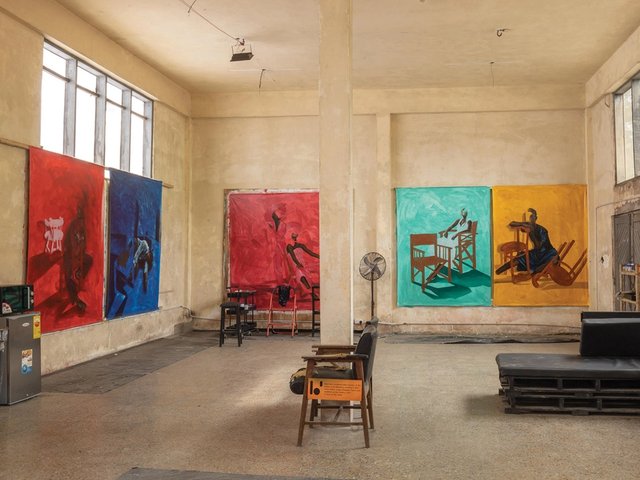
A new cultural centre is opening in Accra, Ghana, this October. Si Hene, located in a repurposed former pharmaceutical factory building, is billed as Ghana’s first membership-based cultural centre in the Ghanaian capital. Its inauguration will take place during this year’s Accra Cultural Week (29 October-2 November), organised by Gallery 1957.
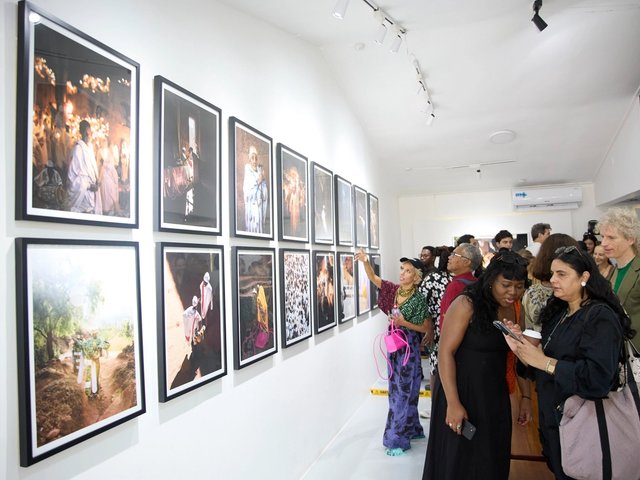
Members will receive access to resources including a cultural reference library and an archive lab, which holds decades-old images, newspapers, stamps, fabric, documents and books including first editions on Ghanaian, African and diasporan culture and history. The space will also have regular programming to encourage return visits.
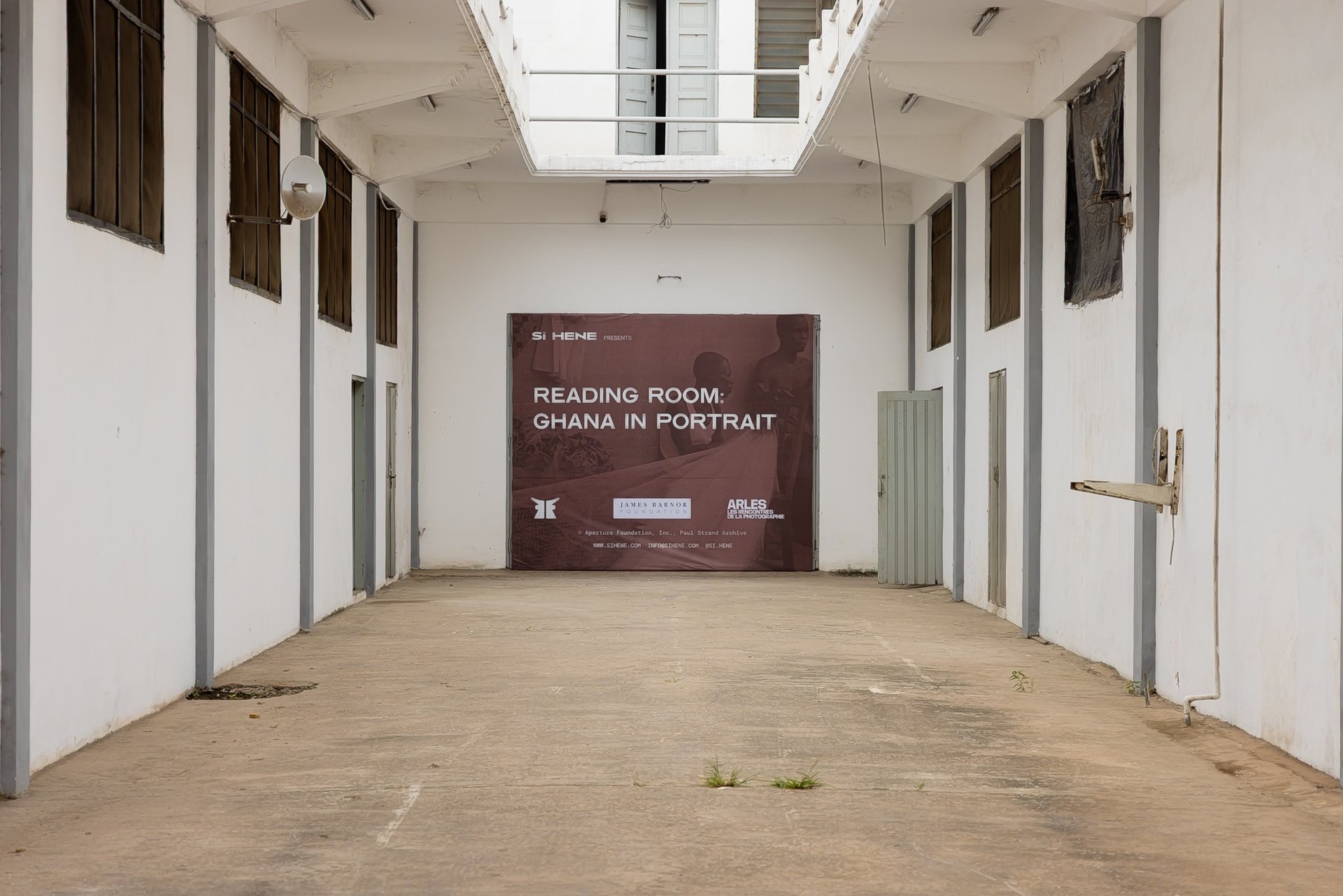
The Si Hene cultural centre includes a courtyard for open-air events Courtesy of Si Hene
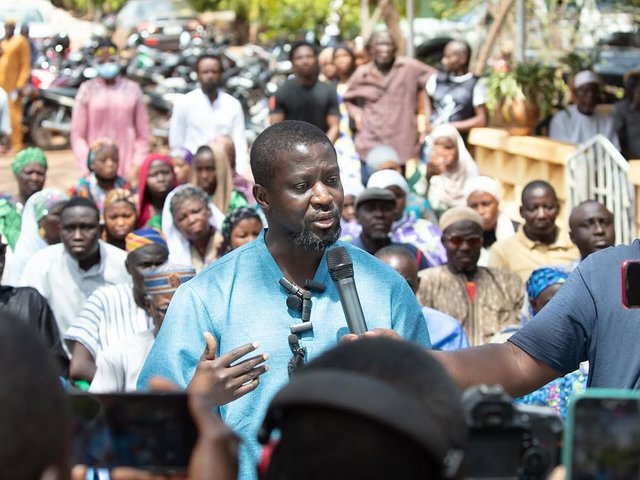
Beyond the physical space, there is also access to resources including academic articles, lectures and toolkits on an online portal via research contributed by professors, universities and institutions who have a working relationship with the centre’s founder, the Ghanaian-American artist Rita Mawuena Benissan. “Si Hene is a space [where members] can walk into culture. That’s like our tagline,” Benissan tells The Art Newspaper.
The centre is the next chapter of the Si Hene foundation, which Benissan founded in 2020 to archive and preserve Ghana’s cultural heritage. Some of these materials were donated while others were bought by Benissan, some from the online sales platform eBay, which she describes as “my own restitution”.
Members will be charged at monthly or yearly rates, at different tiers for individuals, organisations and institutional partnerships. Benissan decided on this model so as to make Si Hene “a self-sustaining cultural centre” that doesn’t rely on grants, which have been the foundation’s major source of funding over the past six years.
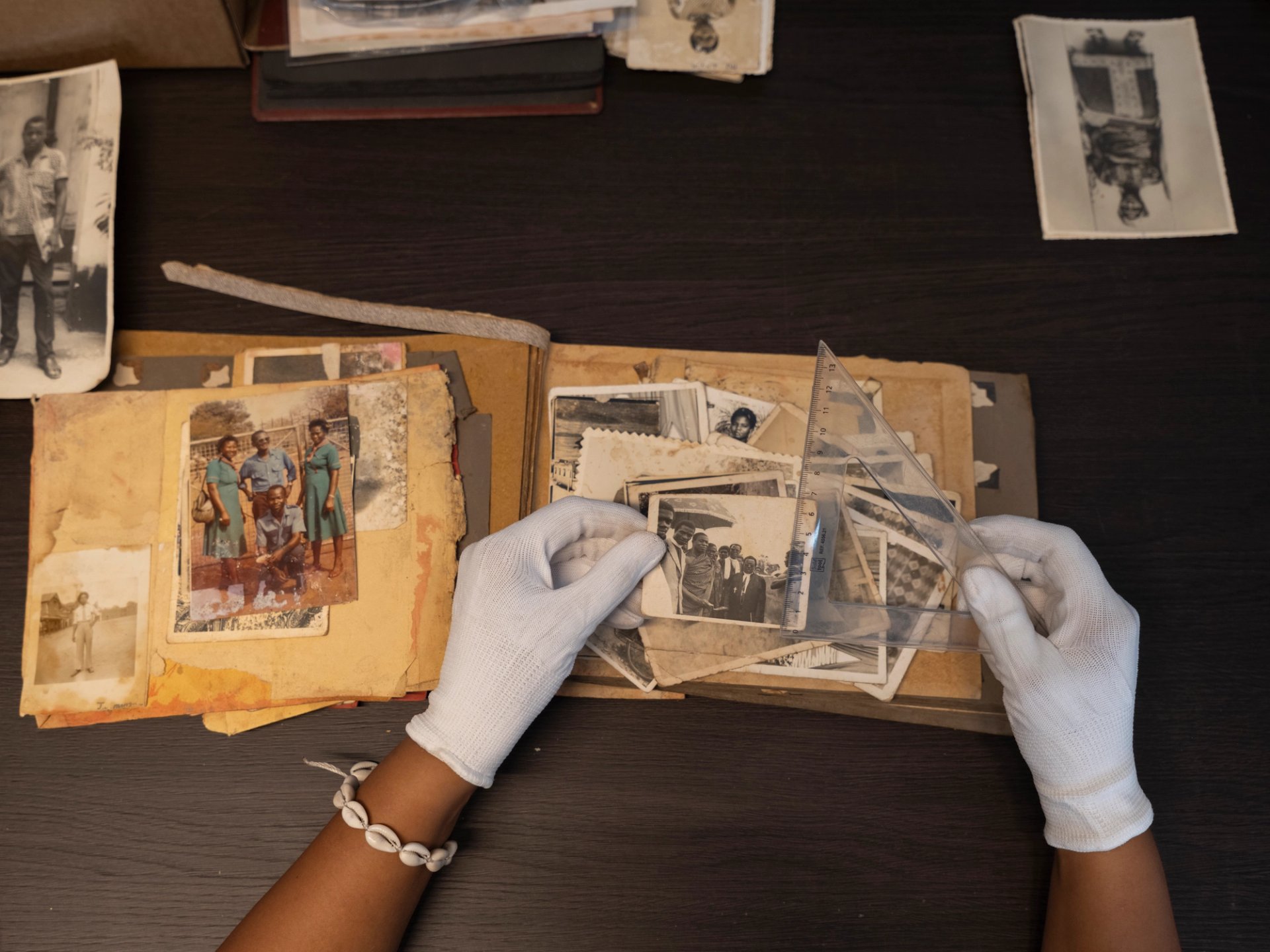
Members will have access to an archive lab Photo: © Nii Odzenma, courtesy of Si Hene
“A lot of [Ghana's] institutions are dependent on grants and government funding so when those things stop, what happens to the institution?” says Benissan. Citing business models and revenues of Western cultural institutions that she grew up with, she decided to try to do the same in Ghana. Benissan did a case study on people who might be interested and decided on setting three tiers: young custodians, custodians and elder custodians. The goal is to have at least 300 members within the first year.
Si Hene means ‘Enstoolment’ in the Ghanaian language Twi, which is the traditional West African ceremony used to install a king, chief, or queen mother into power. It began as Benissan’s graduate school project where she shared images, films and artefacts on Ghana’s royal culture and heritage in Western museums or collections on Instagram. Since then, Benissan has worked with organisations including the National Museum of Ghana, the UK-based James Barnor Foundation and the US grantmaking network Open Society Foundation on workshops, cultural programming and archiving.
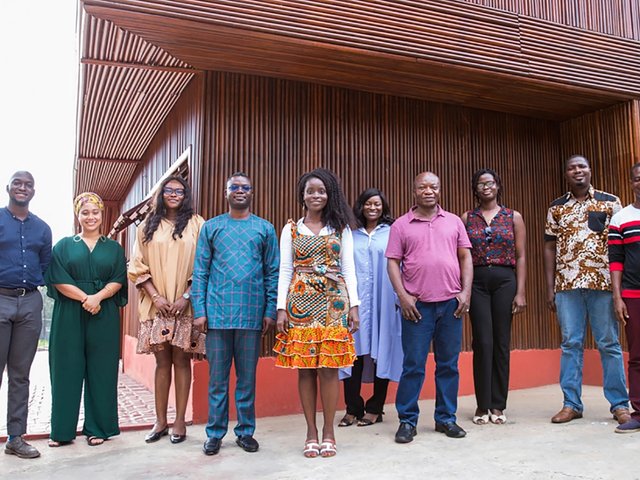
Si Hene recently completed its most recent edition of the Custodians of Culture Fellowship, a 17-week programme “training the next generation of Ghanaian heritage stewards through ethical, community-centred archiving”, the foundation's website says. In September, the 18-month project Living Structures begins, which aims to digitally document and preserve Ghana’s endangered forts, castles, and their surrounding communities. It is supported by the UK's National Archives as part of their Passage project, a research initiative on the trans-Atlantic slave trade.