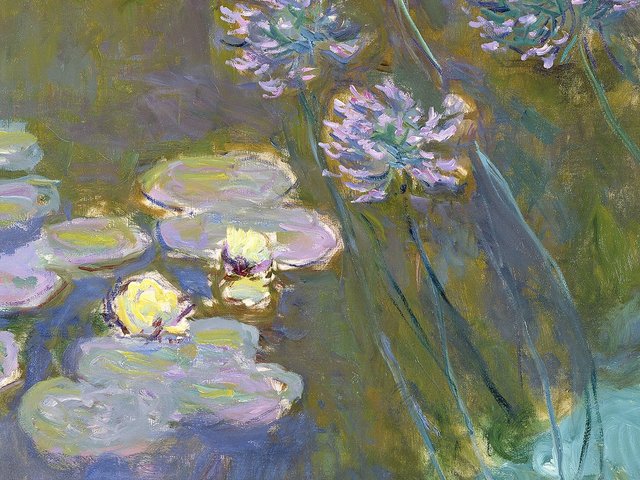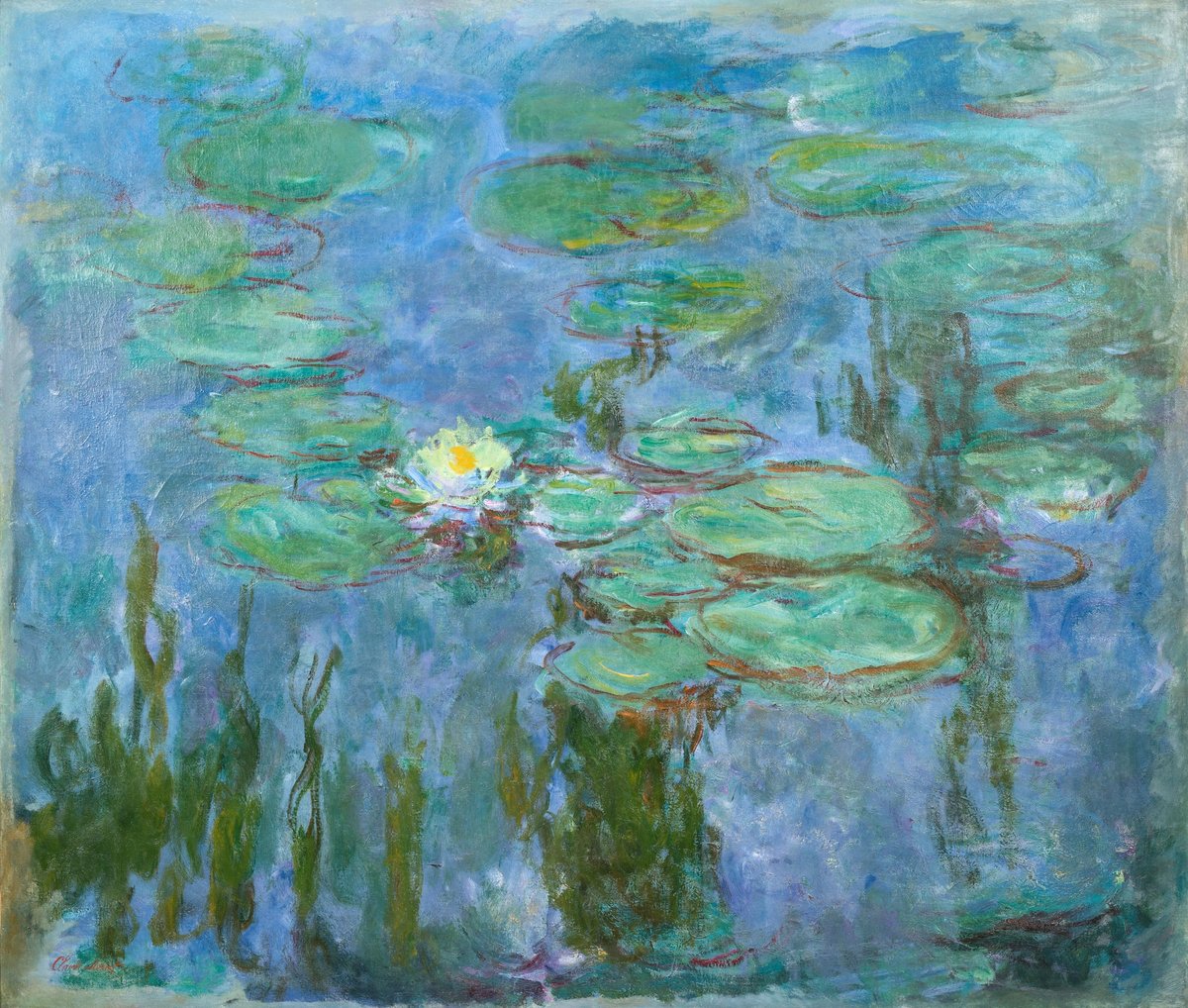
Highlights of a forthcoming blockbuster Claude Monet exhibition opening at Tate Modern in London next year (25 February-27 June 2027) include a group of 20 of the artist’s water lily paintings and new conservation findings linked to the work The Seine at Port-Villez (1894). Monet: Painting Time will be the first Tate Modern exhibition to focus on the French Impressionist.
The exhibition “will focus on his exploration of the passing of time as one of the profoundly beautiful achievements of modern painting” through signature scenes and motifs such as cycles of nature and symbols of industrialisation and technology, says a Tate statement.
Important Water Lilies works, begun by Monet in 1899, will come from institutions such as the Artizon Museum in Tokyo and the Musée Marmottan Monet in Paris. Meanwhile, Tate conservators are undertaking major conservation work on the collection's The Seine at Port-Villez to remove non-original layers of yellowed varnish.
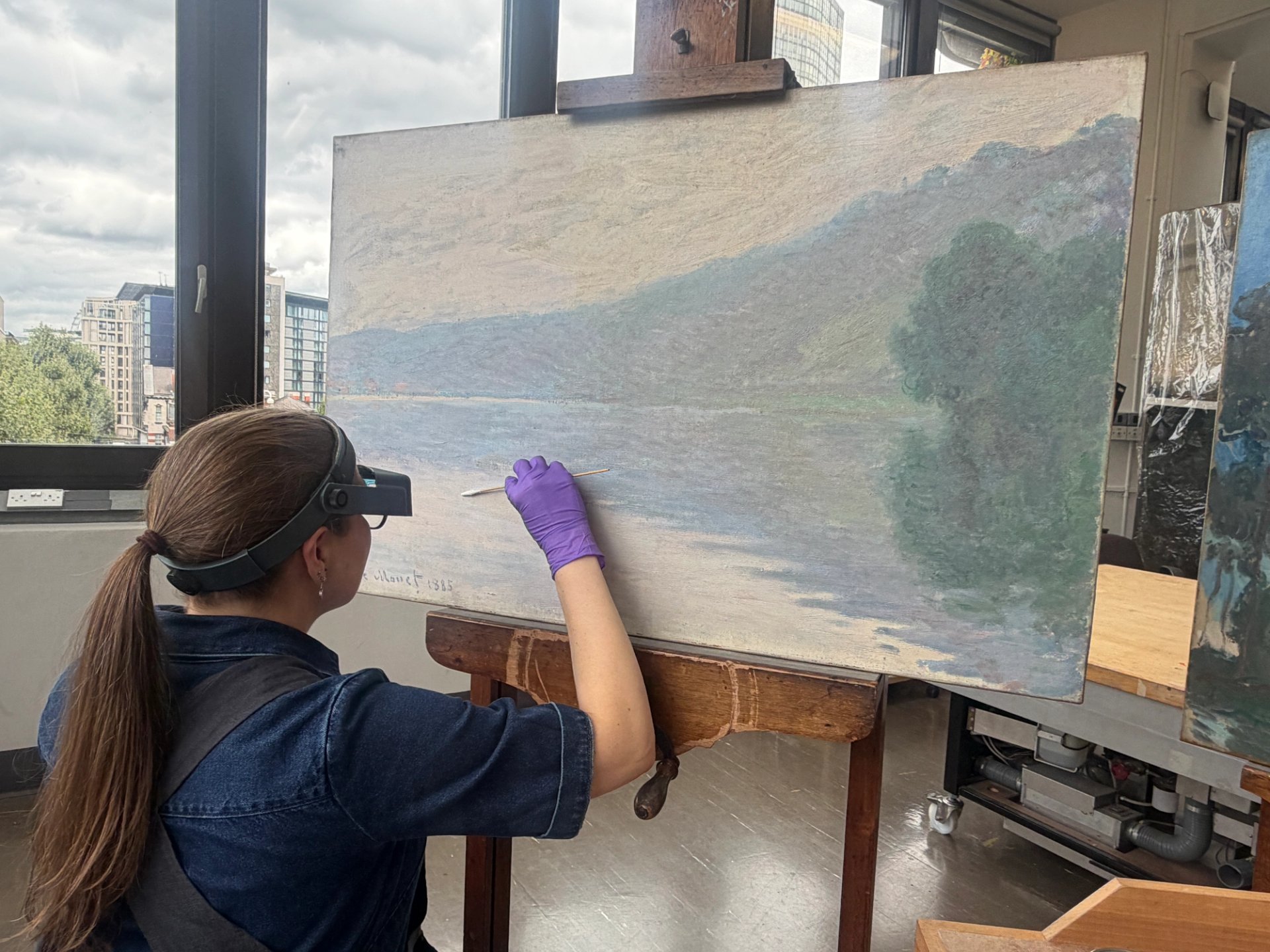
Conservation of Monet's The Seine at Port-Villez (1894)
Photo © Tate (Sianna Clark)
Genevieve Barton, assistant curator of international art at Tate Modern, said at a press briefing on Wednesday (16 September) that “by removing the varnish, we were able to uncover the artist’s sense of luminosity, which has not been seen in decades”.
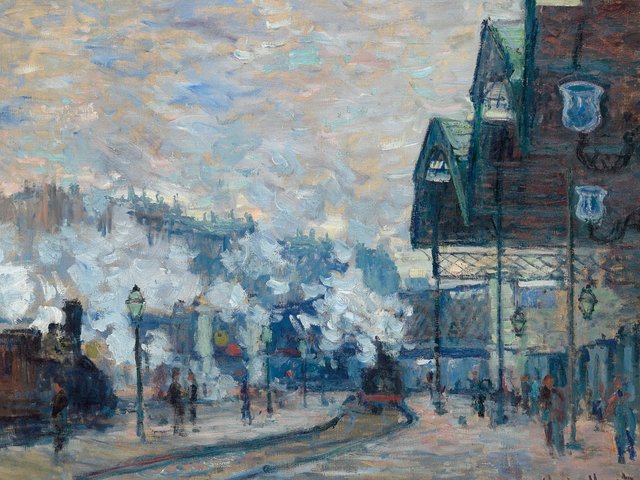
The first section “Modernity and the Acceleration of Time” explores the rise of the railways in 19th-century France. Monet “worked intensely to record Paris’s Gare Saint-Lazare in early 1877 with works such as Arrival of the Normandy Train, Gare Saint-Lazare [from the Art Institute of Chicago] capturing this symbol of technological progress at a momentary pause,” says a Tate statement.
Other sections look at “Series and Moments” and “Cycles and Durations”, focused on his depictions of grain stacks and cathedrals including Rouen Cathedral, Sun Effect, End of the Day (1892).
Juliet Bingham, the exhibition curator and curator of international art at Tate, said at the press briefing that she wants to encourage slow looking, so that visitors are “deeply engaged” with the works. Bingham said also that Tate is “very grateful to the National Gallery for agreeing to part with its painting [The Water Lily Pond, 1899].” The move demonstrates how both institutions are collaborating after the National Gallery announced an expansion into collecting works dating from the 20th and 21st centuries.
Throughout her introduction to the press, Bingham stressed that “Monet still continues to influence contemporary artists”. Indeed, a room in the exhibition will focus on the Impressionist’s impact on artists today, featuring the video work (D)'Après Monet (2020) by the French artist Ange Leccia.
Exhibition sponsors include the financial services firm Morgan Stanley. The AI corporation Anthropic also supports the show. “Anthropic is pleased to help contribute to conversation and education around the arts and technology by supporting Tate,” says a statement.
Anthropic also sponsored the Tate exhibitions Electric Dreams: Art and Technology Before the Internet (2024-25) and Julio Le Parc: Light. Colour. Action. (until 3 May 2027), as well as the museum's Digital Intimacies educational series in June 2025.
Earlier this year, Anthropic sponsored Monet and Venice at the de Young Museum in San Francisco, where the company is based. The sponsorship of this previous Monet show included a 'Claude & Monet' interactive experience with Anthropic's flagship large language model during its opening week. A Tate spokesperson confirmed to The Art Newspaper that there are no plans for a similar programme during the upcoming Monet show.