A new exhibition at the Museum of Vancouver (MOV) is turning adversity to an advantage. The museum, like many others around the world, has seen its funding drastically reduced in recent years—a trend that may accelerate amid the Canada-US trade war and the rising cost of fuel. Starting this week, MOV is offering behind-the-scenes “Austerity Tours” of its facilities that highlight the effects of decades of funding stagnation.
Timed to coincide with Vancouver’s civic elections on 17 October, and a provincial election that will happen before the end of October, the tour highlights how austerity forces museums into a race against inflation. According representatives of MOV, the museum receives most of its funding from the city of Vancouver, followed by the province of British Columbia and the federal government; the tour aims to show “what is lost when all levels of government choose not to invest in public assets”.
“We’re winning national awards for our impact one day and then watching decades-old pieces of critical equipment inch ever-closer to failure the next. No matter how successful we are, sustainable funding feels unreachable,” Ryan Hunt, the museum’s chief executive, tells The Art Newspaper. “Over the past 30 years, admissions have grown faster than the industry average and even faster than Vancouver’s population growth, but during that same period, we’ve seen government support decrease against the rate of inflation. It feels like we’re bailing out a boat with more and more holes in it.”
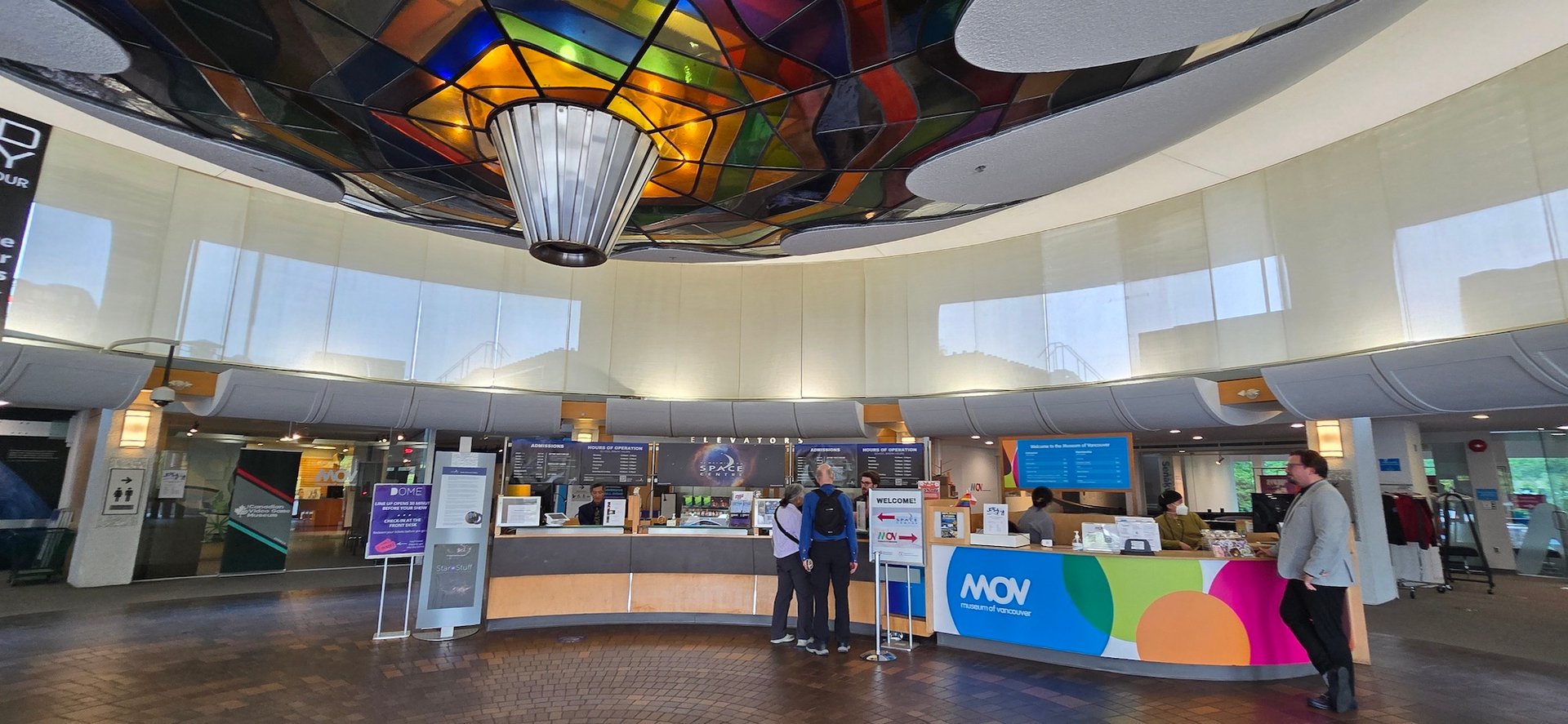
The large, elaborate light fixture in the Museum of Vancouver's lobby is only partially lit due to leaking hydraulic fluid Courtesy the Museum of Vancouver
As a preview of the tour revealed, some of these holes are figurative while others are actual holes. Like many museums occupying mid-century buildings, the MOV’s 1968 home, designed by the architect Gerald Hamilton, needs repairs. The tour begins in the lobby beneath a fabulous light fixture that cannot be fully illuminated because it is leaking hydraulic fluid. The ample greenery that used to greet visitors has vanished because upkeep of the plants was thwarted by staff cuts.
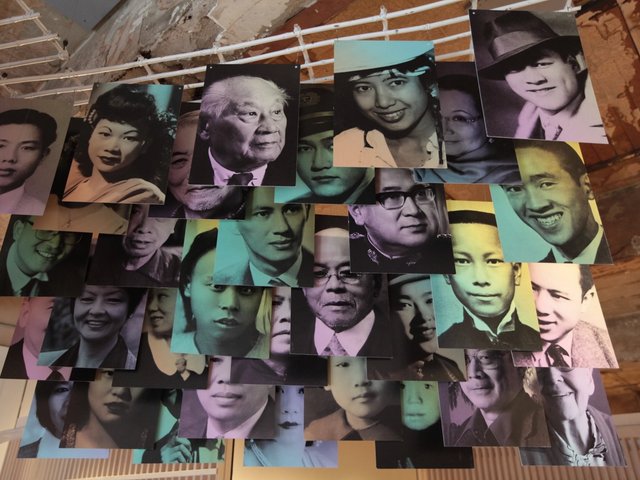
Next up on the tour is a visit to the long-term exhibition c̓əsnaʔəm: The City before the City, which highlights local Indigenous history. But, due to an aging heating, ventilation and air-conditioning (HVAC) system, some stone, shell and bone fragments have been deteriorating, and several have been replaced by cutout photographs.
From there, the tour leads to one of the museum’s rental spaces, which has an expansive, light-filled view of the Pacific coastline. The guide leads visitors toward a humble closet, where a drip tray is being used as a stopgap measure to catch moisture from another ailing HVAC system.
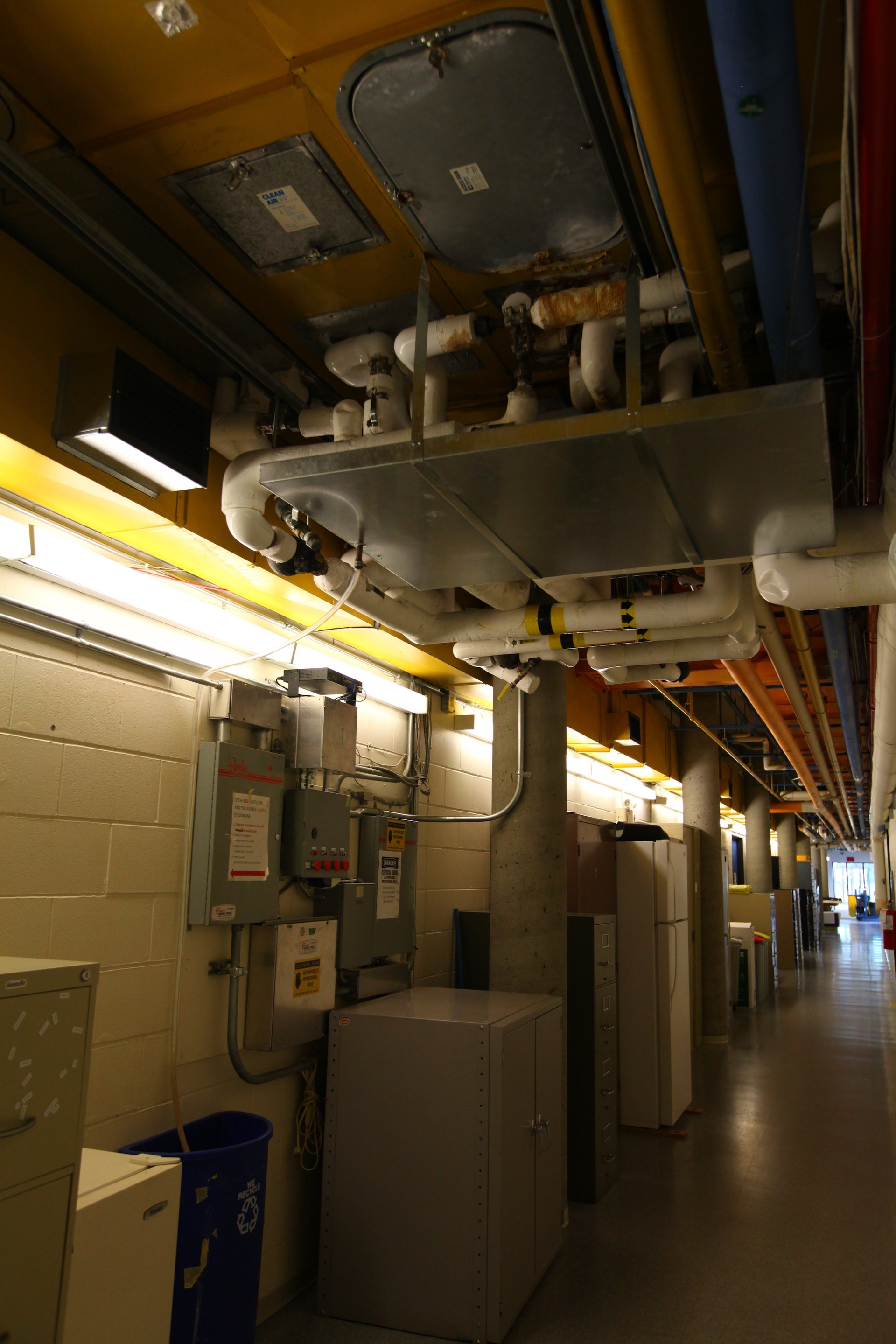
A drip tray, mounted to the ceiling, catches moisture from the Museum of Vancouver's ailing HVAC system, which is then collected in a large recycling bin Courtesy the Museum of Vancouver
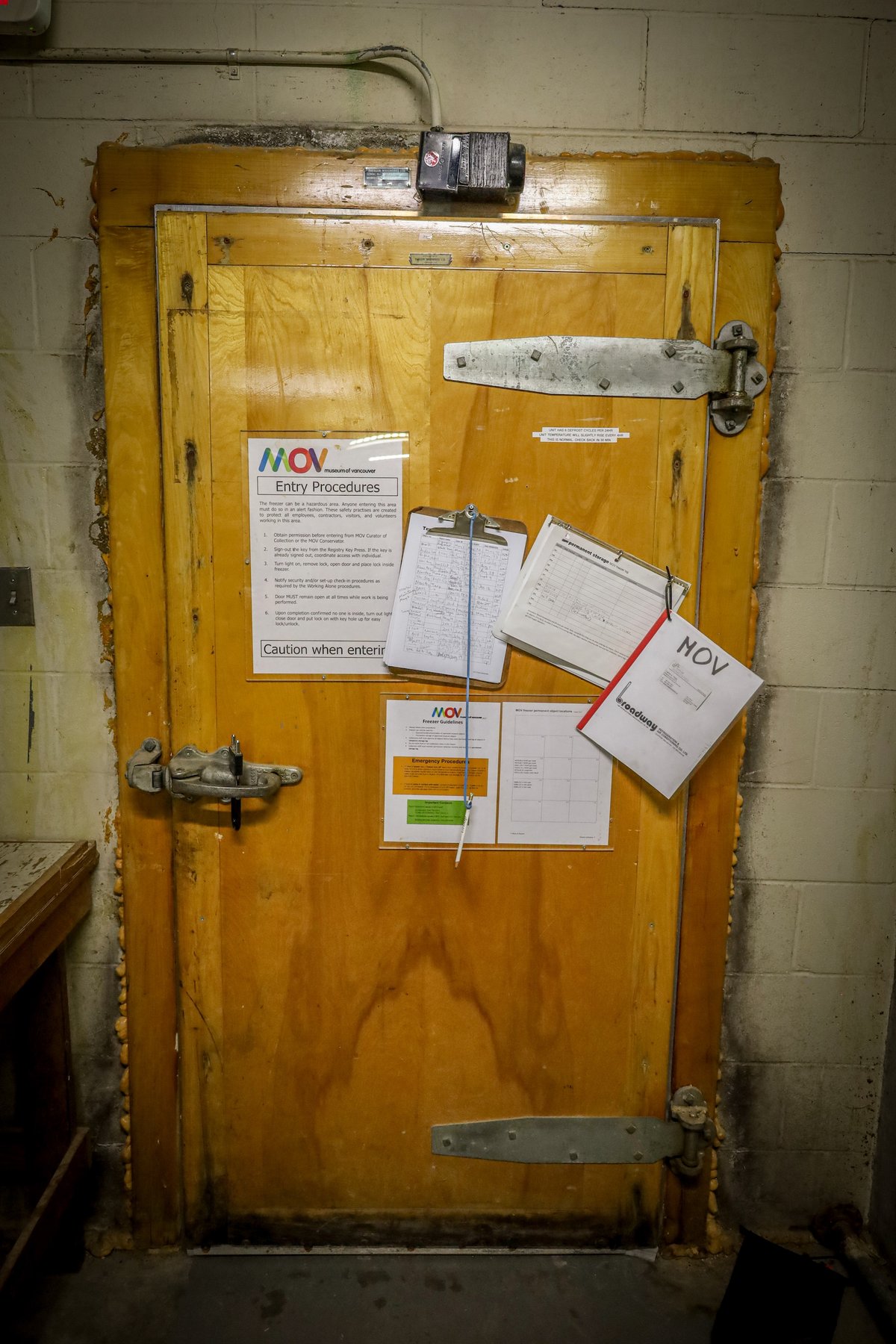
The tour then moves to a somewhat subterranean section of the museum where collections are stored, and which connects to the adjoining City of Vancouver Archives building. Visitors take in the relatively new freezer that belongs to the municipal archives—necessary for eliminating potential pests that could destroy precious materials.Nearby sits the MOV’s aging freezer, which Hunt says is older than the technicians who regularly come to repair it.
According to the Hunt, this freezer is part of the original building and has been running continuously since 1968. Last year, the city of Vancouver decided that it would no longer fund its annual maintenance. “If this freezer breaks down,” Hunt warns, “it will be catastrophic for the MOV. Acquiring new objects would be challenging and the collection would be at great risk.”
The tour continues through the museum’s unsettling but fascinating taxidermy storage area, part of the 140-year-old museum’s Victorian legacy, complete with intact local coyotes, owls and the head of a rhinoceros. Here visitors are introduced to the “dangers” of the museum’s collections—namely the arsenic, mercury and other toxic chemicals once used to preserve objects—and the importance of maintenance and trained staff. Overhead, a patchwork of ceiling tiles reveals the places where orange-coloured lead paint has been replaced with newer and safer white paint.
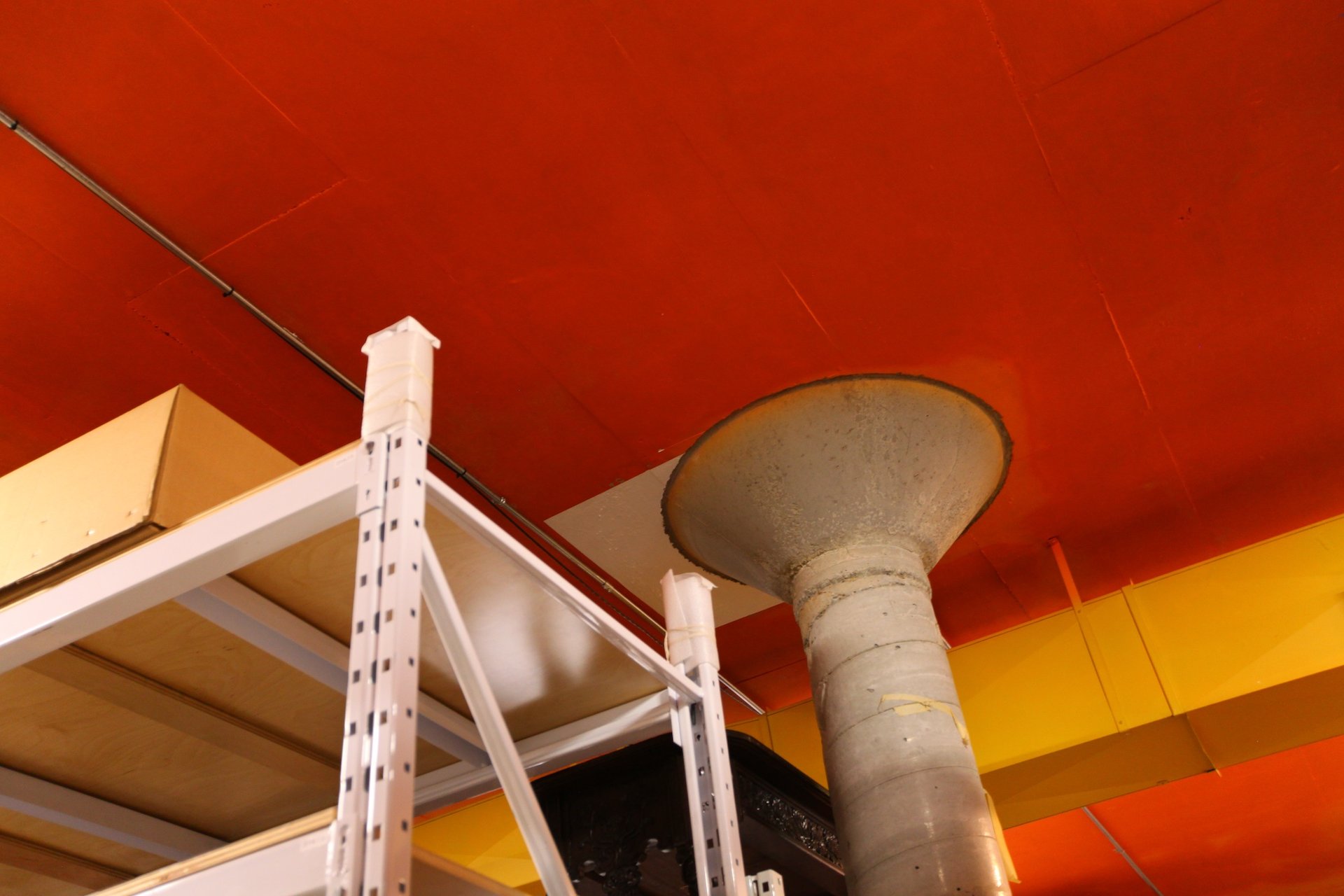
Orange lead paint mitigation at the Museum of Vancouver Courtesy the Museum of Vancouver
On the way upstairs, the tour passes the MOV’s woodworking studios, where in-house displays are made, saving the museum thousands of dollars. Nearby, in an exhibition on disability that will soon open to the public, Hunt discusses the museum’s recycling programme, whereby it re-uses plinths and other display objects until they give up the ghost.
At the tour’s end, Hunt makes a final pitch for government support of arts and culture, which he says has a C$29 return on every dollar of funding.
“We want to see big, exciting events come to Vancouver, but for the money the municipal, provincial and federal governments spent on the Fifa World Cup, those same governments could have doubled every arts grant available in BC for the next seven years,” Hunt says. “The economic and social impacts of a funding increase of this magnitude would be transformative. Even the money spent on one game would fund us for nearly a decade.”
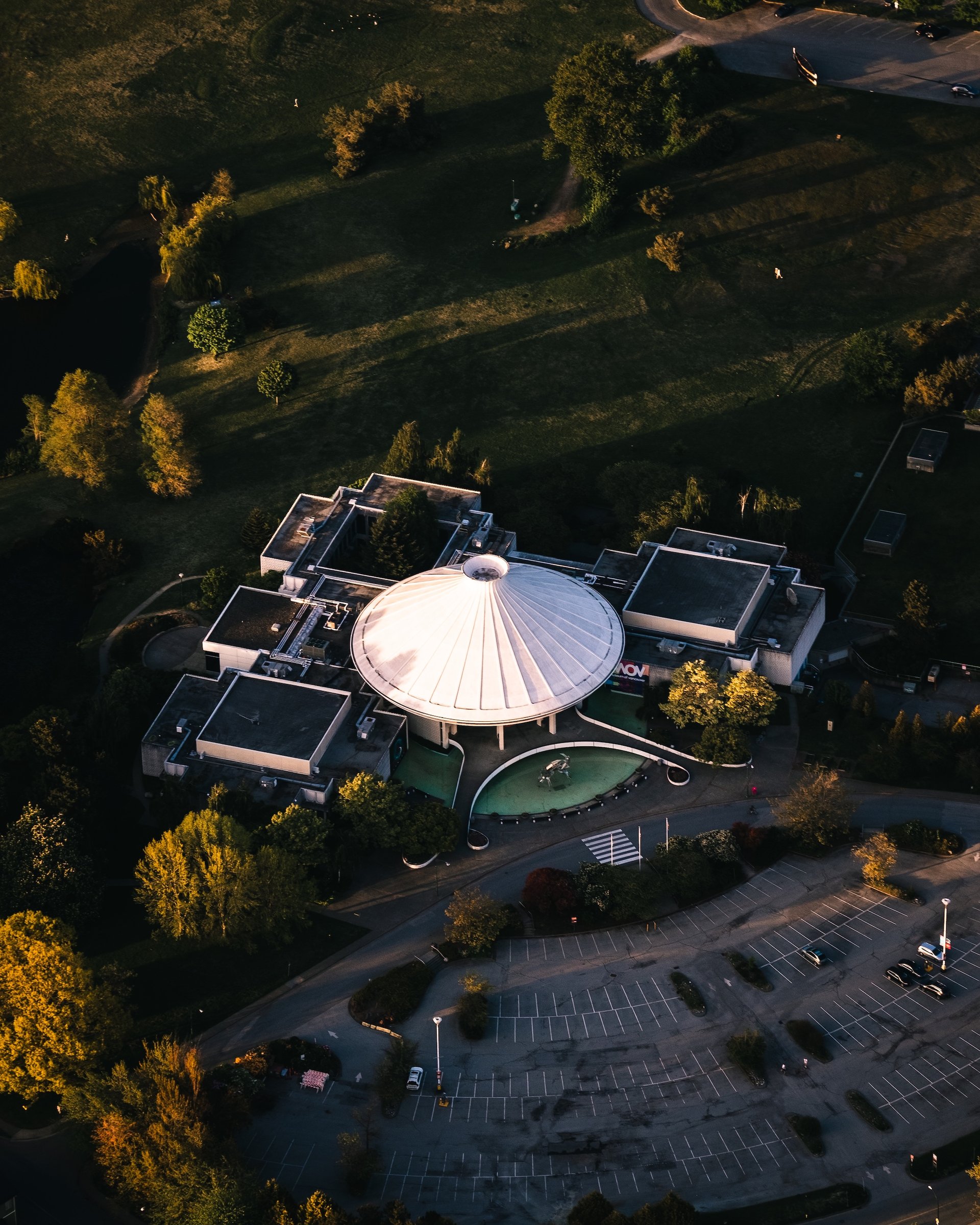
Aerial view of the Museum of Vancouver's building Photo: Jeremy Lee and Museum of Vancouver
- Austerity Tours: How Decades of Funding Stagnation Affects the MOV, 24 September-17 October, Museum of Vancouver