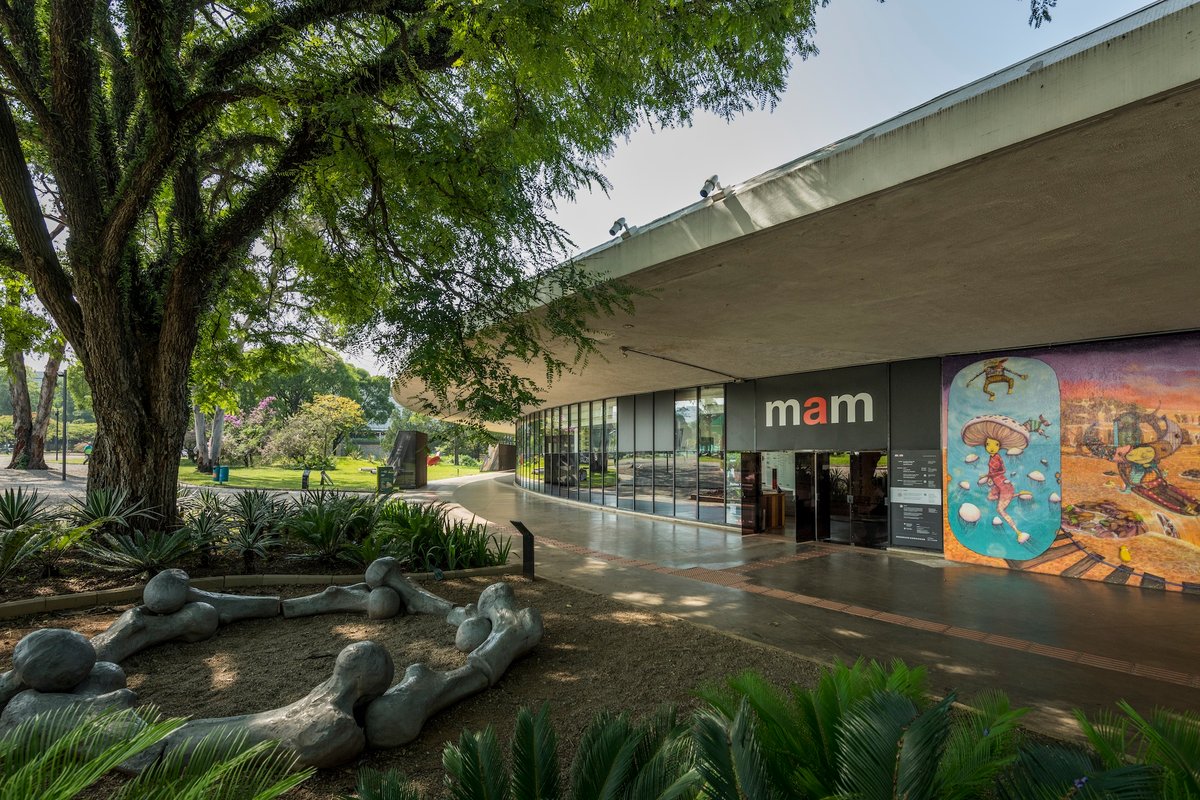
When the Museu de Arte Moderna de São Paulo (Mam) reopened its doors on 12 September, after a two-year closure for renovations, it did so not with an exhibition of its permanent collection but with the 39th Panorama of Brazilian Art, Depois Que Tudo Foi Dito (After It's All Said, until 24 January 2027). The choice was deliberate: the first edition of the Panorama series, in 1969, was held in the very same Oscar Niemeyer-designed pavilion in Ibirapuera Park.
“It is symbolic that we return to Mam after two years with the Panorama, precisely the place of the first Panorama,” says Cauê Alves, the museum’s chief curator.
The Panorama exhibition series has long served as a kind of seismograph for Brazilian contemporary art, registering the most urgent issues in the country’s artistic production. The exhibition was held annually from 1969 until 1991, becoming a biennial event in 1993.
Mam itself predates its Ibirapuera home. Founded in 1948 in downtown São Paulo, the museum initially shared a building with the Museu de Arte de São Paulo (Masp). Between 1953 and 1961, it operated inside the park using the Bienal building, and over that period produced the first six editions of the Bienal de São Paulo (1951-61).
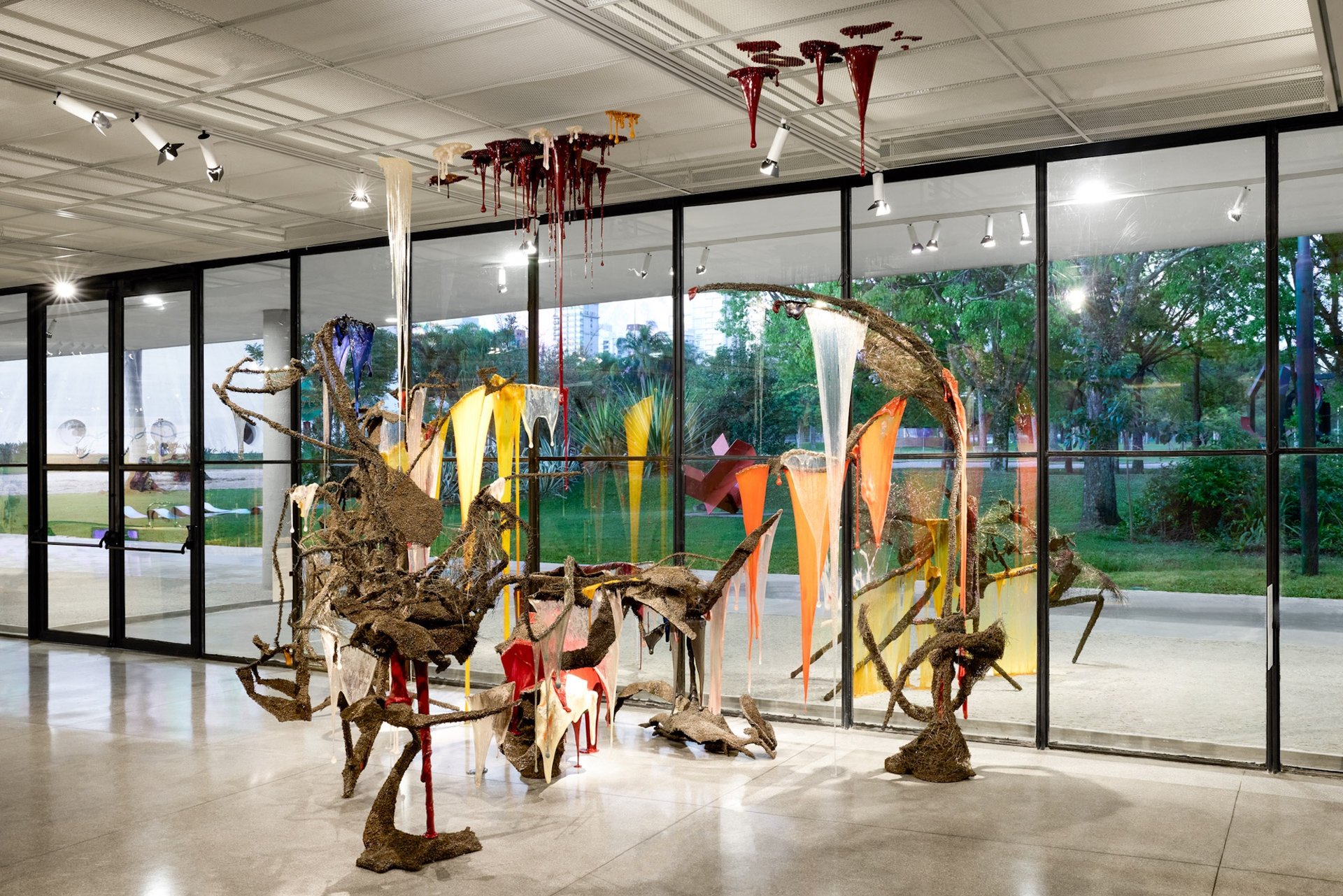
Installation by Iagor Peres in the 39th Panorama of Brazilian Art: After It's All Said at the Museu de Arte Moderna de São Paulo Photo Courtesy Museu de Arte Moderna de São Paulo
During the years the museum was closed, Alves says, Mam was anything but dormant. “The museum space was physically closed for two years, but there was intense activity,” he says. “The museum held more than a dozen exhibitions during that period in other venues. We have never shown so much of our collection as during the period when the museum was closed.”
That period, he argues, taught the institution something valuable: “We can exhibit the collection in other venues, in other partner museums, create dialogues, make approximations, and show our collection in dialogue with other collections.”
A panoramic view of Brazilian art
The Panorama exhibition is widely regarded as one of Brazil's most consequential recurring shows; some have framed it as Brazil’s equivalent to the Whitney Biennial, in terms of each exhibition’s significance to their respective national contemporary art discourses. This year’s edition was curated by Diane Lima, who also curated the Brazilian pavilion at this year’s Venice Biennale, making her one of the country’s most influential curatorial figures right now.
Lima took the exhibition’s title from the work of Denise Ferreira da Silva, a Brazilian philosopher and visual artist known for her anti-colonial, Black feminist perspective. The phrase, Lima says, sparked questions about where Brazilian art stands after decades of debate over representation.
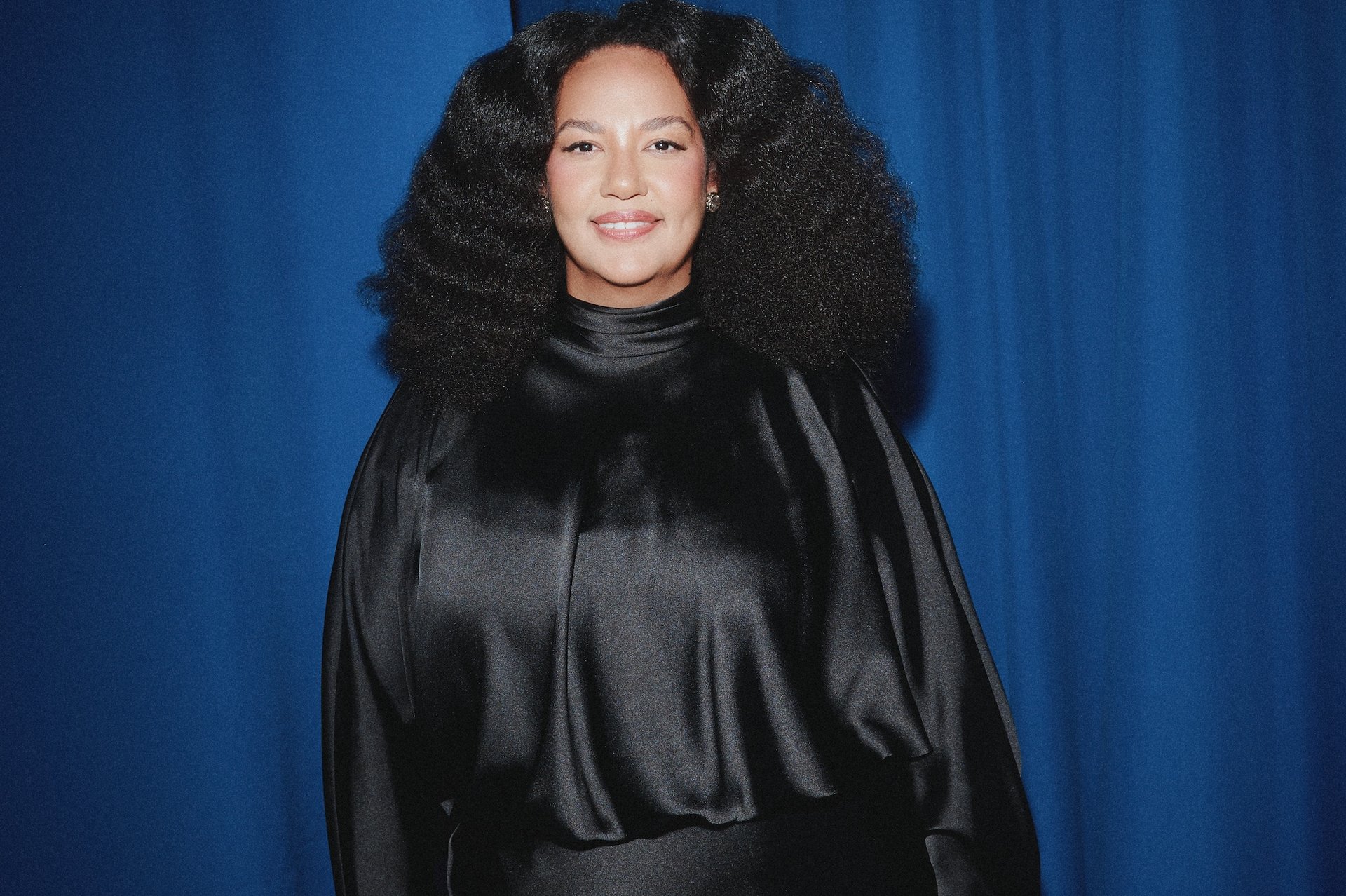
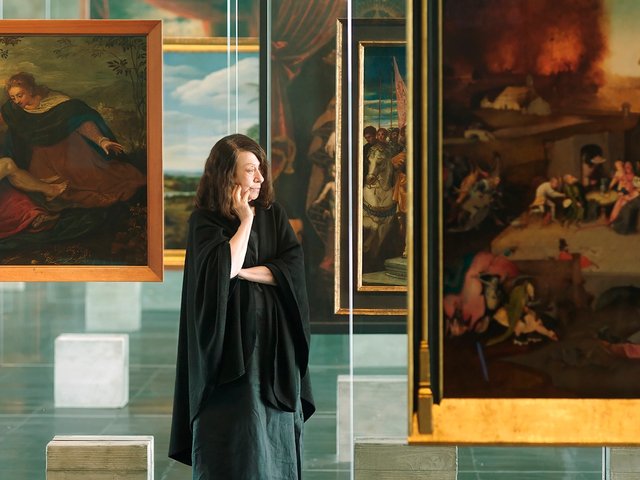
Diane Lima, the curator of the 39th Panorama of Brazilian Art: After It's All Said at the Museu de Arte Moderna de São Paulo Photo by Leca Novo
“I had the possibility of thinking not only about issues relating to contemporary art, which is where this philosophical question is established, but also thinking about the problem of representation, the crisis of representation,” she says. “The central question behind Depois que Tudo Foi Dito is to think exactly how some artistic practices are expanding the limits of representation through an exercise of radical imagination.”
The title, Lima adds, also engages directly with Ferreira da Silva’s interrogation of whether it is possible to deploy a sensibility that anticipates everything already said and done about colonial and racial violence. “The idea was also to organize some reflections on what had happened after the 2000s, where we had reached with debates about representation, erasure, epistemicide, invisibility, devaluation and underrepresentation,” Lima says.
The Panorama’s own history, the curator notes, has long wrestled with questions of originality in Brazilian art, often defined against Euro-American art. This year’s edition features 33 artists, none of whom has participated in a previous iteraton. The participants, she says, are not interested in performing what is expected of Black, Indigenous and dissident artists. “They experiment with form, materiality and representation,” she says.
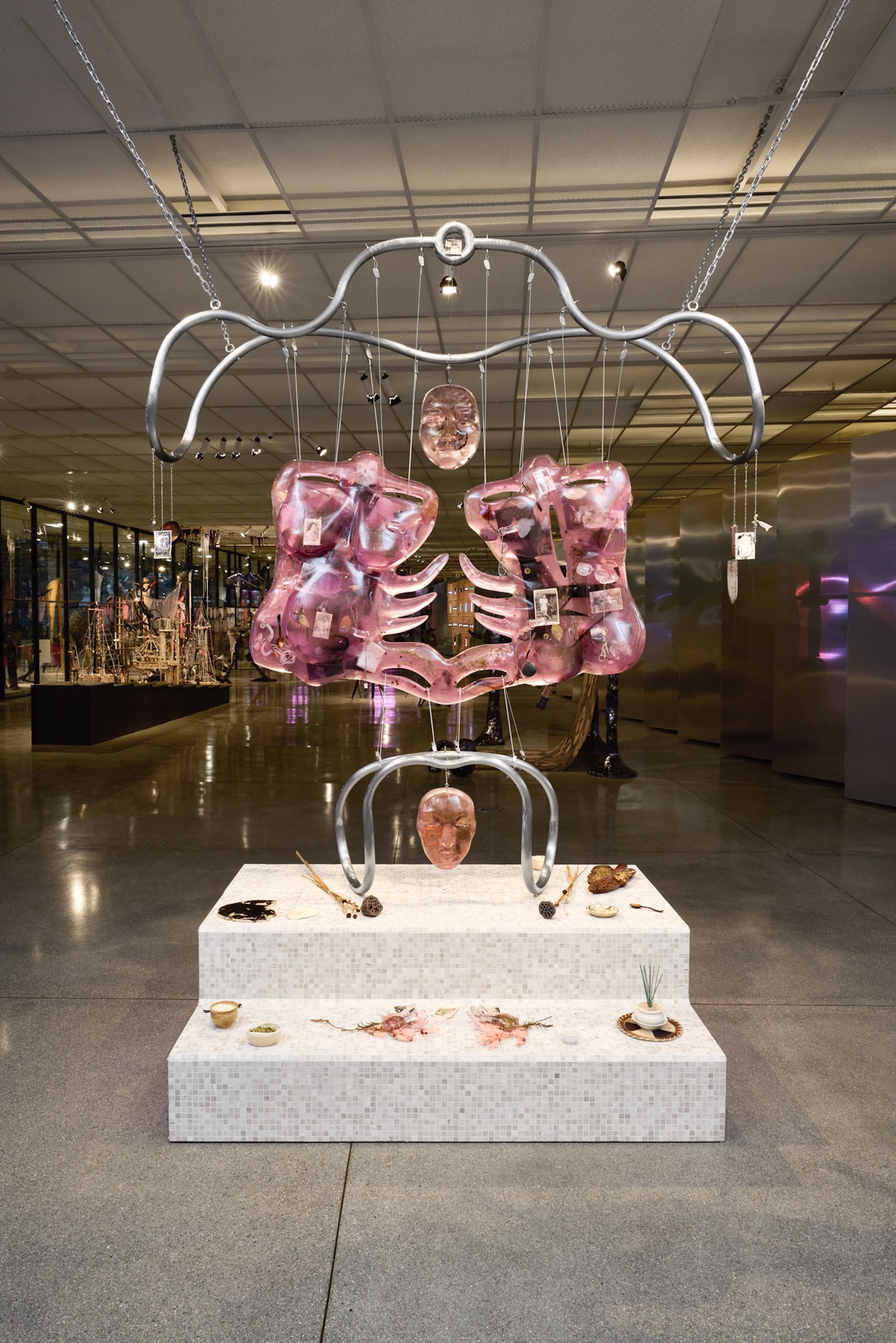
Work by Caroline Licca Lee in the 39th Panorama of Brazilian Art: After It's All Said at the Museu de Arte Moderna de São Paulo Photo Courtesy Museu de Arte Moderna de São Paulo
Lima points to Ferreira da Silva’s ideas about art as a confrontation and the moment a work questions its viewer, breaks apart their “mental biography” and organises what they think they know from within racial and colonial frameworks. “The exhibition [is] an experiment and a collective exercise in reflecting on these questions,” she adds.
The 39th edition of the Panorama exhibition is a fitting first exhibition to mark Mam’s reopening: just as the museum spent the last two years reimagining its institutional boundaries and its relationship with its public, Lima’s exhibition asks artists and audiences alike to push past established frameworks of representation. The exhibition may be the closest thing to a mission statement the museum has: an institution defined less by what it holds and more by who it is inviting in.
- 39th Panorama of Brazilian Art: After It's All Said, until 24 January 2027, Museu de Arte Moderna de São Paulo