A potentially record-breaking El Niño for 2026-27 threatens more than 10,000 archaeological sites spanning 12,000 years along Peru’s coast. El Niño, a climate pattern that causes unusual warming of surface waters in the central and eastern Pacific Ocean, has existed for millennia. But climate change can amplify its impact, taking a toll on human lives, infrastructure and heritage.
As what is being dubbed “super El Niño” strengthens this autumn, Peruvian authorities have been scrambling to protect historical sites—most of them built using clay-based adobe and especially vulnerable to rainfall and flooding. Experts have accused them of insufficient planning despite warnings issued months ago.
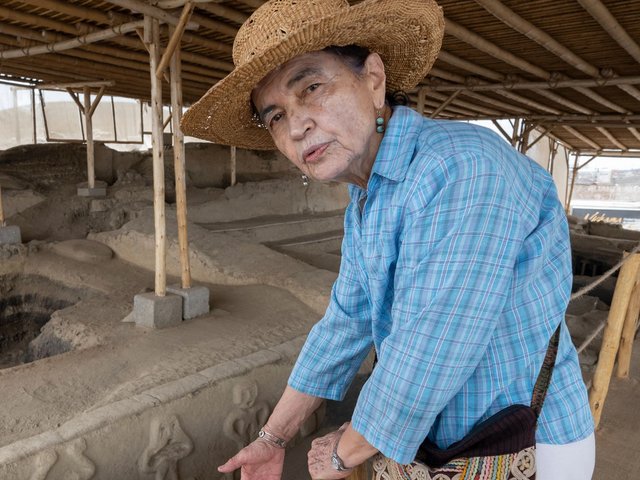
In bringing warmer sea temperatures to the Andean coasts, El Niño reduces marine productivity while causing torrential rainfall on arid coastal lowlands. “The phenomenon has been recorded on the Peruvian coast for at least 17,000 years, predating human presence in the region,” Ana Cecilia Mauricio, a geoarchaeologist and professor at Pontificia Universidad Católica del Perú, tells The Art Newspaper. “It was also present in every pre-Hispanic community.”
While destructive, El Niño often spurred technical innovation among pre-Hispanic societies, which viewed it as part of nature’s cycles. One effect was likely the emergence of adobe as a building material. “On the dry Peruvian coastlands, clay sediments left by heavy rainfall caused by El Niño resulted in the invention of adobe,” Mauricio says. She adds that there is no record of a pre-Hispanic society collapsing because of El Niño.
El Niño varies in strength and occurs every few years, with the strongest events recorded in modern times known as “super El Niño” or “mega El Niño”. Those of 1982-83, 1997-98 and 2015-16 fall into this category. Yet the current one could be worse, with new research suggesting that climate change could make El Niño both more frequent and stronger.
“Climate models predict that this will possibly be the strongest on record,” says Daniel Sandweiss, a University of Maine professor of anthropology and climate studies. On 3 September, the World Meteorological Organization confirmed these fears, saying an “exceptional”, “very strong” El Niño was firmly established.
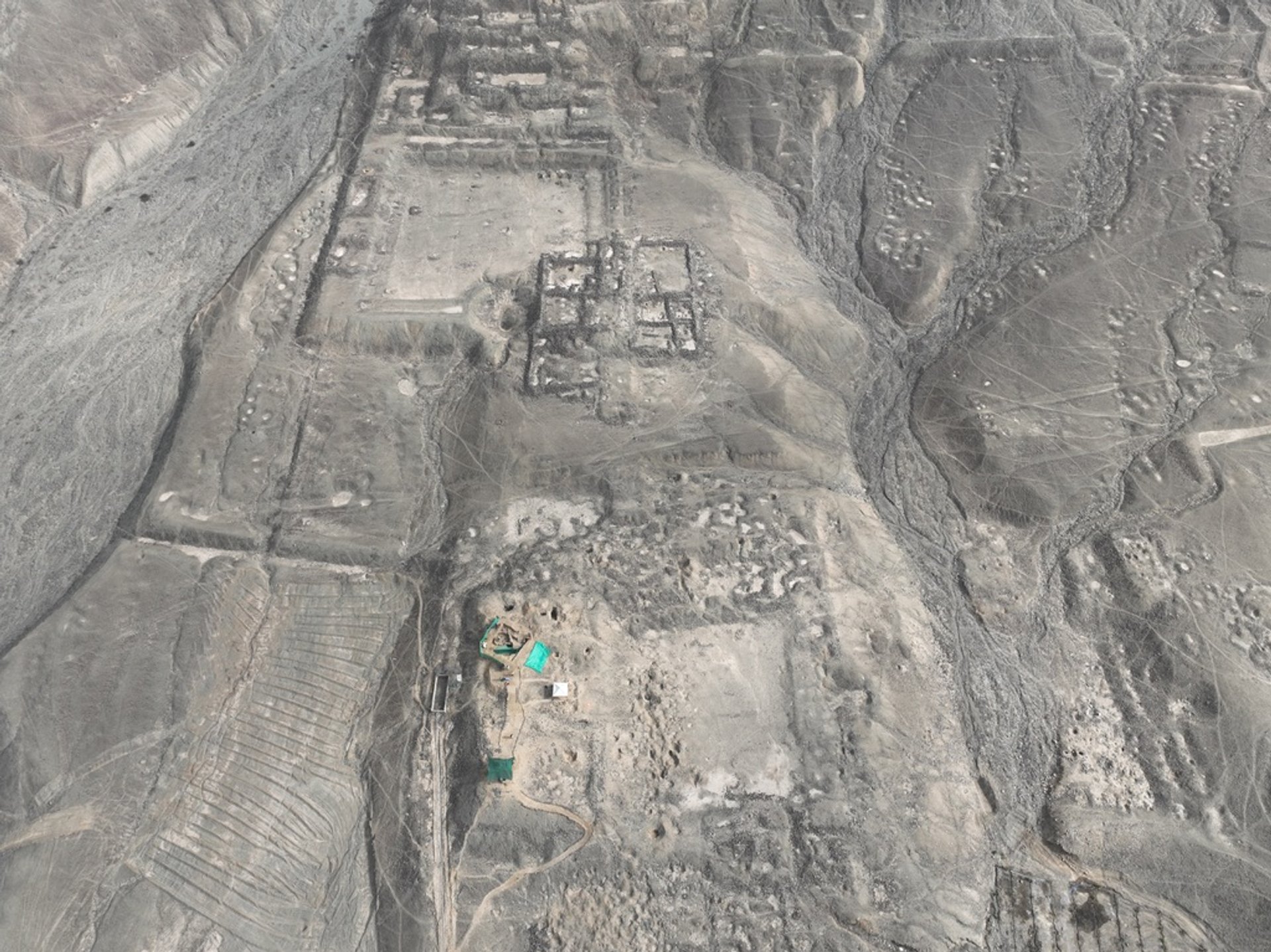
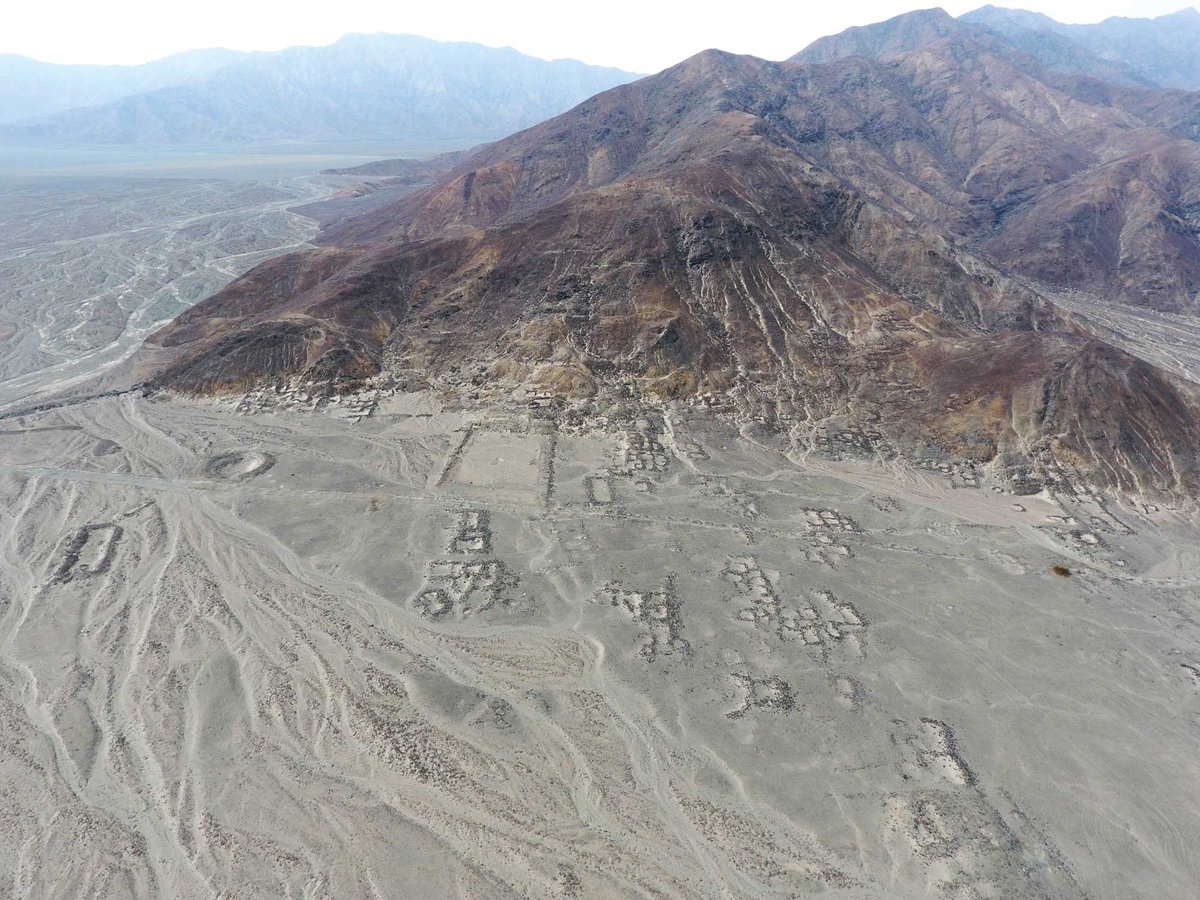
The Huaca Yolanda archaeological site in northern Peru's Chao Valley Ana Cecilia Mauricio/Archivo PUCP
Eroding history
The archaeologically rich northern coast of Peru is expected to be hardest hit between now and May 2027. Past El Niños have damaged archaeological sites, whose ancient structures can collapse or sustain irreversible damage. Wall paintings that have withstood thousands of years can be suddenly erased by rushing waters. “Erosion caused by heavy rainfall and flooding is the main concern, especially at sites located on cliffs or waterways,” Sandweiss says.
Unlike this year, mitigation and preventive measures were in place early for the forecasted El Niños of 1997-98 and 2015-16. Learning from past seasons, Peruvian scholars have recently developed low-cost monitoring methodologies. One of these, created by Mauricio together with the archaeologist Francesca Fernandini in 2021-22, uses open-source data and software for real-time site monitoring.
If civilisations had safeguarding measures 4,000 years ago, why can’t we?Ana Cecilia Mauricio, geoarchaeologist
But Peruvian authorities fell behind in planning, despite models signalling the threat months ago. A special commission was established on 26 August, followed by a $1.2m allocation for urgent measures at 536 critical sites—including Chan Chan, Sicán and Túcume. On 1 September, the Peruvian government declared a 60-day emergency across 893 districts.
“The Peruvian state is unprepared for these foreseeable impacts,” Alberto Beingolea, the country’s culture minister, said in an interview with RPP
Noticias. “Prevention is no longer possible, leaving only emergency work—the least desirable option. These measures should have been taken four or five years ago.” Political turmoil has played an important role in the debacle: Peru has had nine presidents in the past decade. The latest, Keiko Fujimori, took office on 28 July.
Ignoring the past
Experts point to a disregard for prior work that could have helped this time round. Reports from previous seasons in which El Niño was stronger than usual, “which include effective safeguarding strategies, should be considered rather than starting from zero”, says Ricardo Morales Gamarra, a conservator and professor at Universidad Nacional de Trujillo, who has led El Niño mitigation efforts. “Experience demonstrates that prevention is feasible and measurable, but arriving too late could result in the definitive loss of heritage.”
Morales notes that past El Niño events underscored the importance of halting excavations, improving drainage, reinforcing vulnerable structures and protecting exposed surfaces. Mauricio and Fernandini’s methodologies, although shared with authorities in 2023, have not been implemented either.
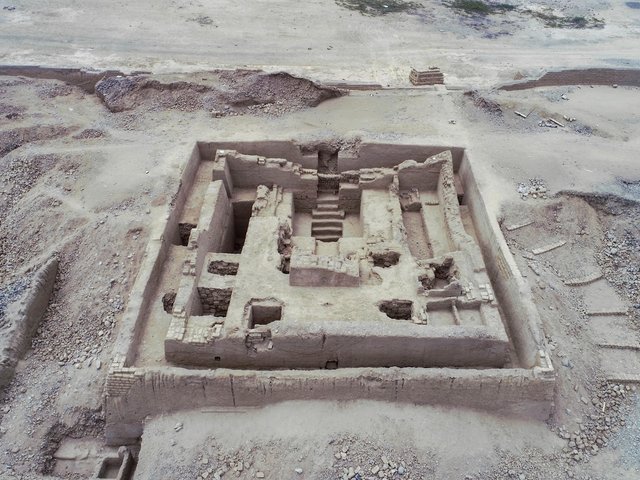
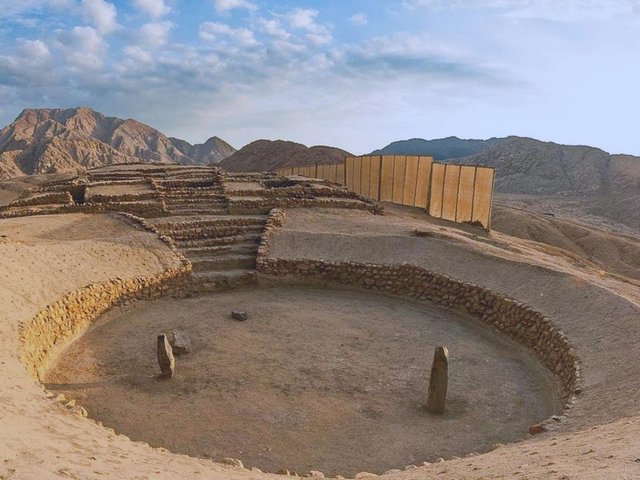
For Mauricio, preventive measures need to be expanded to lesser-known sites as well. A new Unesco-backed climate-risk guide, announced on 3 September, covers only Peru’s 13 World Heritage Sites. “Efforts should look beyond the top archaeological sites like Caral and Chan Chan, which are regularly monitored,” Mauricio says, noting that most of these smaller sites lack protection. “Communities should get involved, as sites are sometimes used as highland refuges for extended periods.”
It remains uncertain how much can be protected during this El Niño season, an irony that is not lost on local researchers. As Mauricio says: “If civilisations had safeguarding measures 4,000 years ago, why can’t we?”