On the eastern coast of Zealand, just a 45-minute drive north from the Danish capital of Copenhagen, lies the village of Hornbaek. It is an idyllic spot where a sweeping white sand beach is fringed with gentle dunes. The harbour, unchanged for decades, offers mooring for little fishing boats and smart private craft.
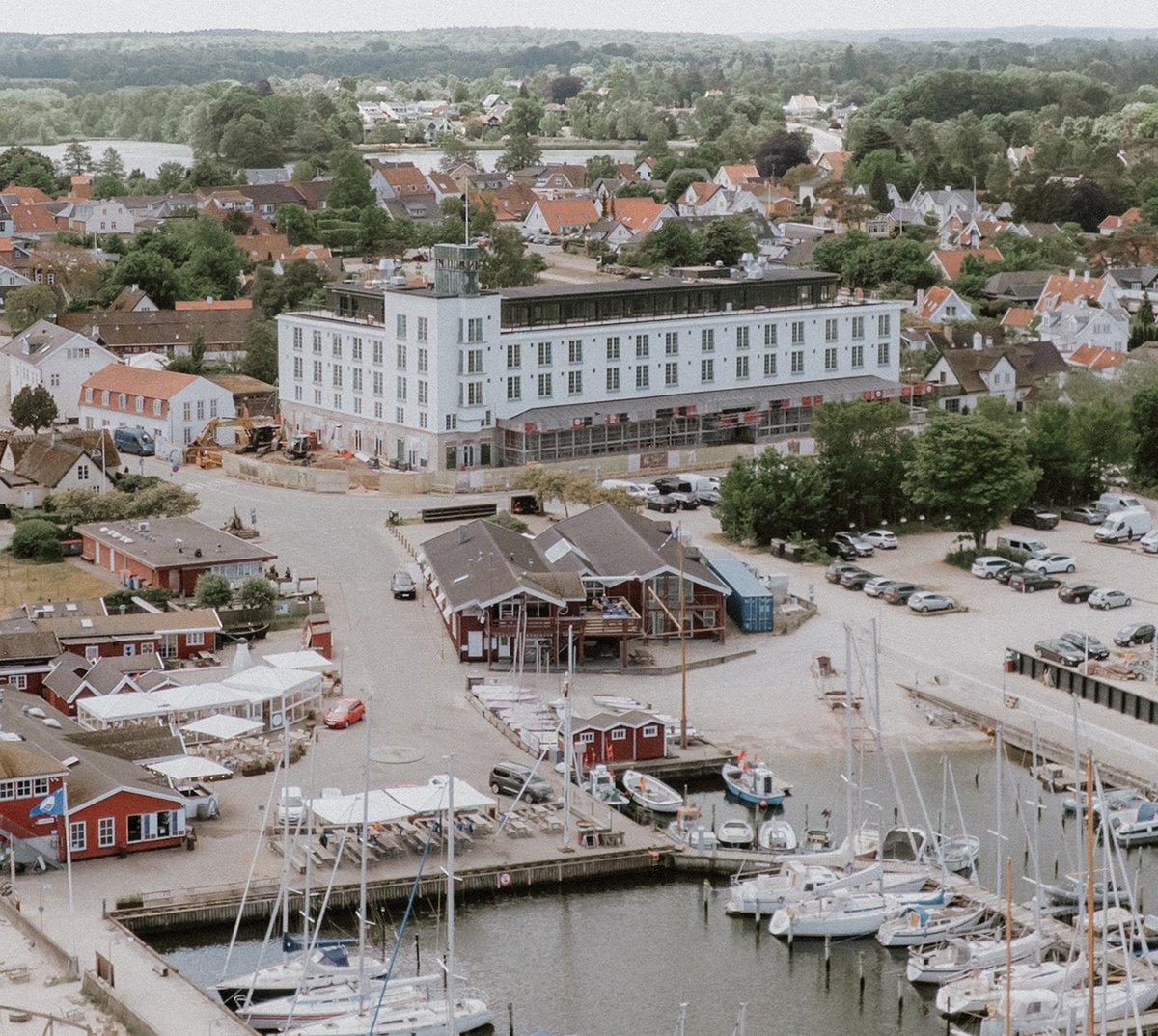
Above the harbour is a small settlement of thatch-roofed cottages, some dating back to the early 1800s, where the gardens are bursting with flowers and fruit trees. But next to this a more surprising building faces out to sea—imposing, white, functionalist, and topped off with a copper tower that has turned a light limpid green with time. Designed by Ole Falkentorp in 1935 as a badehotel, occupied by Nazi soldiers in the Second World War, and converted into a hospital afterwards, it is now being returned to its original use. In late September, it reopened with 77 rooms and five cute townhouses as the five-star CORI Hornbaek Hotel.
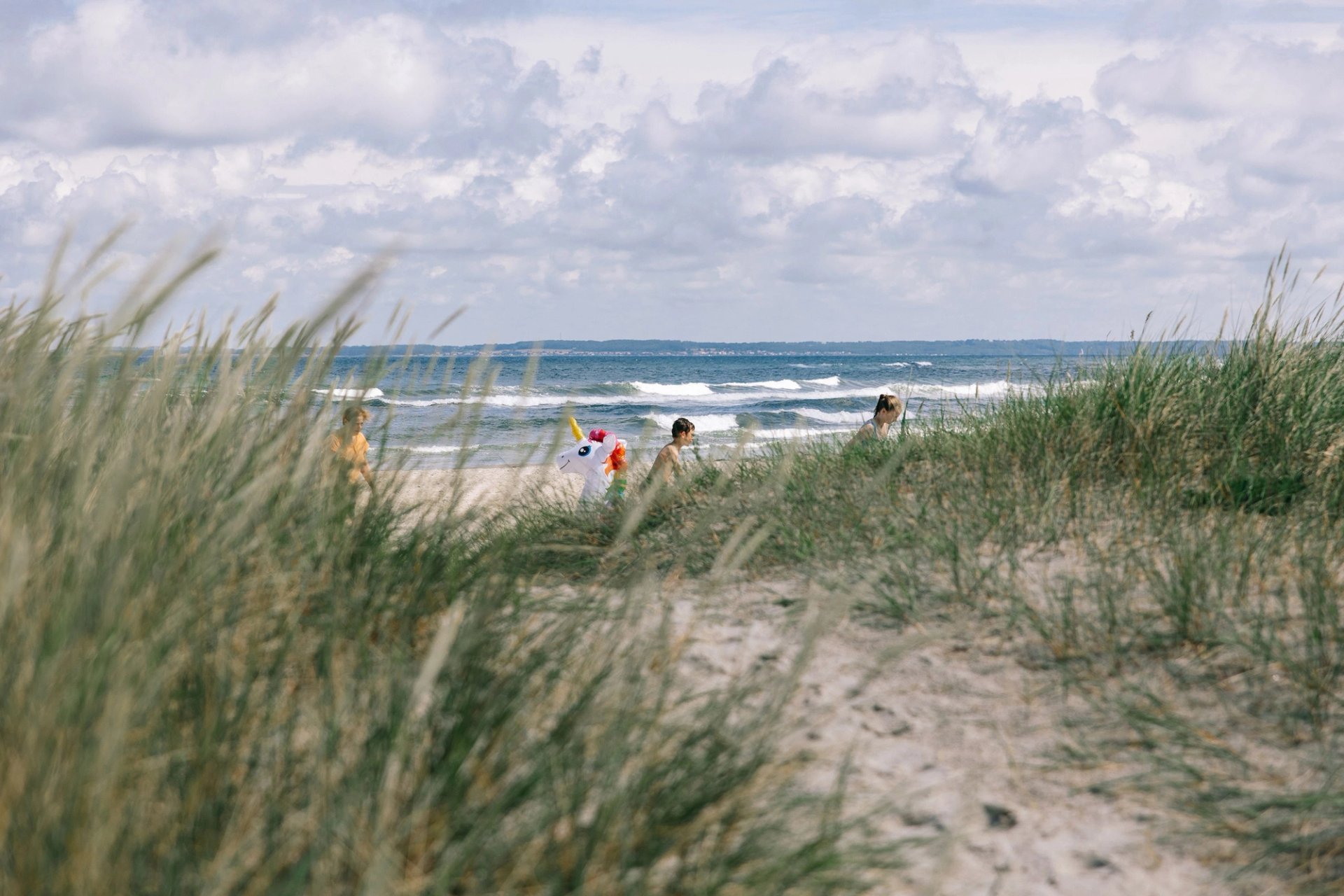
Danish Riviera: a relaxed vibe and long, dune-fringed beaches make the small seaside resort of Hornbaek a fashionable place to spend the summer
Photo: © Jacob Lisbygd/visitcopenhagen.com
There’s a bit of the Hamptons to the Hornbaek locale—the laid-back vibe, the grand houses, the farm shops, a signpost on a country road to a padel court. But Hornbaek’s appeal is rather more low-key. It also goes back longer. In the late 19th century, a group of painters started to gather here, including the celebrated Peder Krøyer, attracted by its exceptional light. “But they were drawn by the people too, who lived from the sea, and by the village life that was so different from Copenhagen,” says the eminent Danish art historian Bente Scavenius.
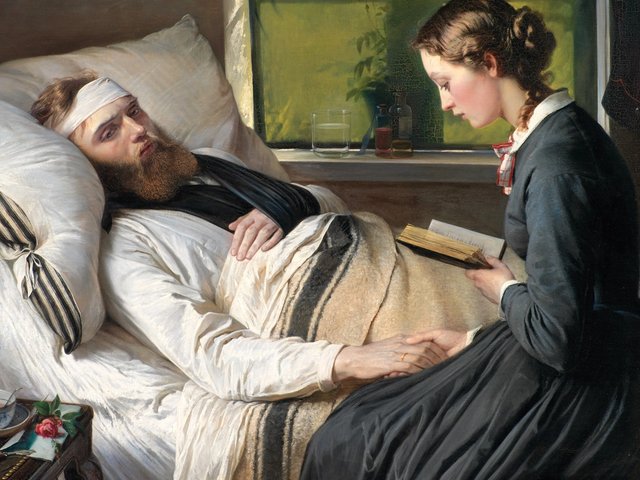
The paintings that emerged represented a new kind of realism. “They are a first attempt to do something more than just an outdoor painting,” Scavenius says. “It’s an observation of what is happening in society.” Krøyer’s paintings have become some of Denmark’s most famous works, and many are kept in the Hirschsprung Collection in the capital.
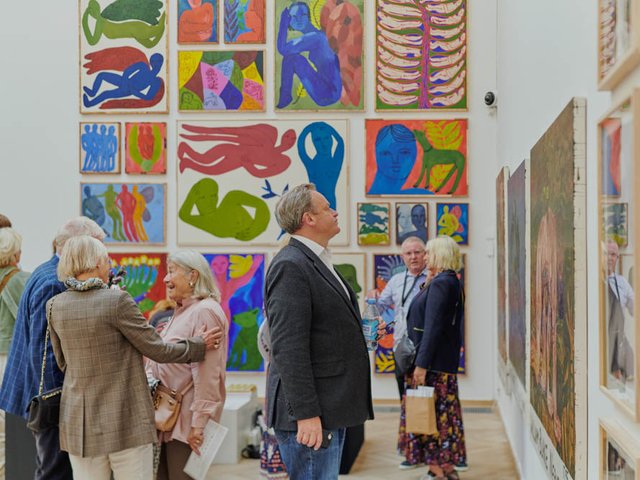
The artists eventually moved on, further up the coast to Skagen, but Copenhagen’s wealthy discovered Hornbaek and acquired summer houses there. “It’s my favourite place,” says Christian Just Linde, a Danish businessman and art collector. “I’ve been coming here since my childhood.” His own summer house is just ten minutes away—a 1913 Belle Epoque villa—while works from his sculpture collection can be found in the Baroque gardens at the nearby Gammel Holtegaard, a 1757 mansion brought back to life as an art foundation by the Danish life-science entrepreneur Claus Christiansen. Visitors to Gammel Holtegaard will find outdoor pieces by artists including Jose Dávila and Benedikte Bjerre, while its director Andreas Zinck Henningsen puts on impressive temporary exhibitions: a riotous installation of 111 works by Tal R that ended in late September will be followed by a Georg Baselitz show of later works, opening 10 October.
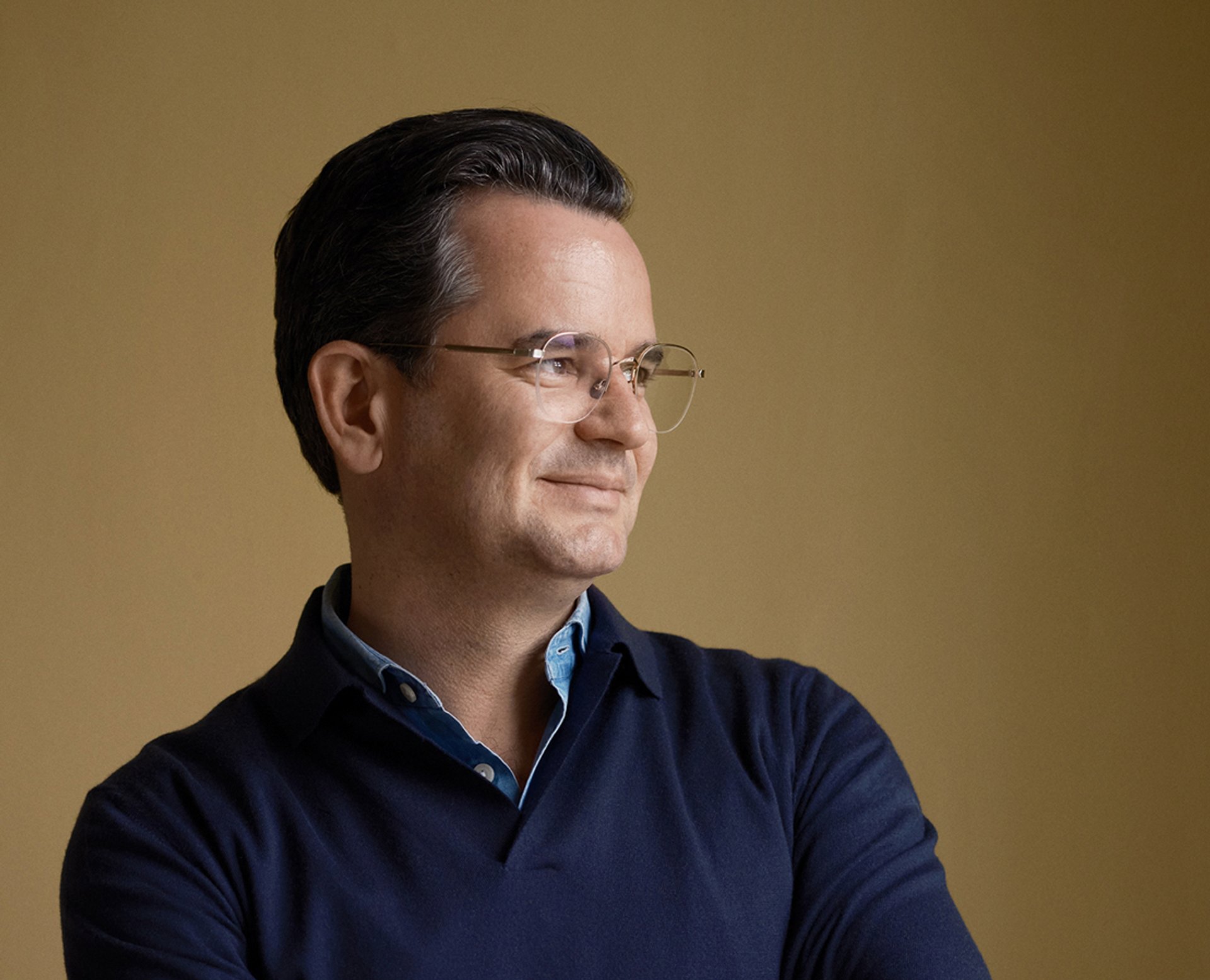
Jesper Brunander of Copi Group, the developer of the CORI Hornbaek
© Kristian Holm
Faithful renovation
The Falkentorp building was acquired by Jesper Brunander and his property group Copi in 2022. On a grey day in August, we meet in his Copenhagen office, which occupies one floor of a handsome 1804 building opposite the Botanical Gardens. It has been faithfully renovated, with walls painted in carefully researched historic colours—deep green, rich cream—and its mouldings perfectly recreated. “We’re one of the biggest private developers in Copenhagen,” Brunander says. “We specialise in listed buildings, renovating them, converting them and adding value.” The jewel in the Copi crown is the Holstein Palace, built in the 1600s, and variously a palatial home, a natural history museum and government offices. In 2017, Copi restored its original features and internal spaces and made it into some of the city’s most luxurious apartments.
Brunander is 44 years old. He started by buying apartments and doing them up himself. “I was 21. I sold some horses and bought some flats,” he tells me, as we drive out of the city and up the coast. We pass the Louisiana Museum of Modern Art in Humlebaek, where Richard Serra sculptures are installed in lush gardens that run down to the water’s edge. Nearer to Hornbaek are more cultural offerings. Apart from Gammel Holtegaard, there is the Rudolph Tegner Museum in Dronningmølle, less than 10 minutes by car: the artist built Denmark’s first Brutalist structure there in 1938—a concrete octahedron—to house his flamboyant sculptures. The Nivaagaard Collection of sumptuous Golden Age art is just a few kilometres further away.
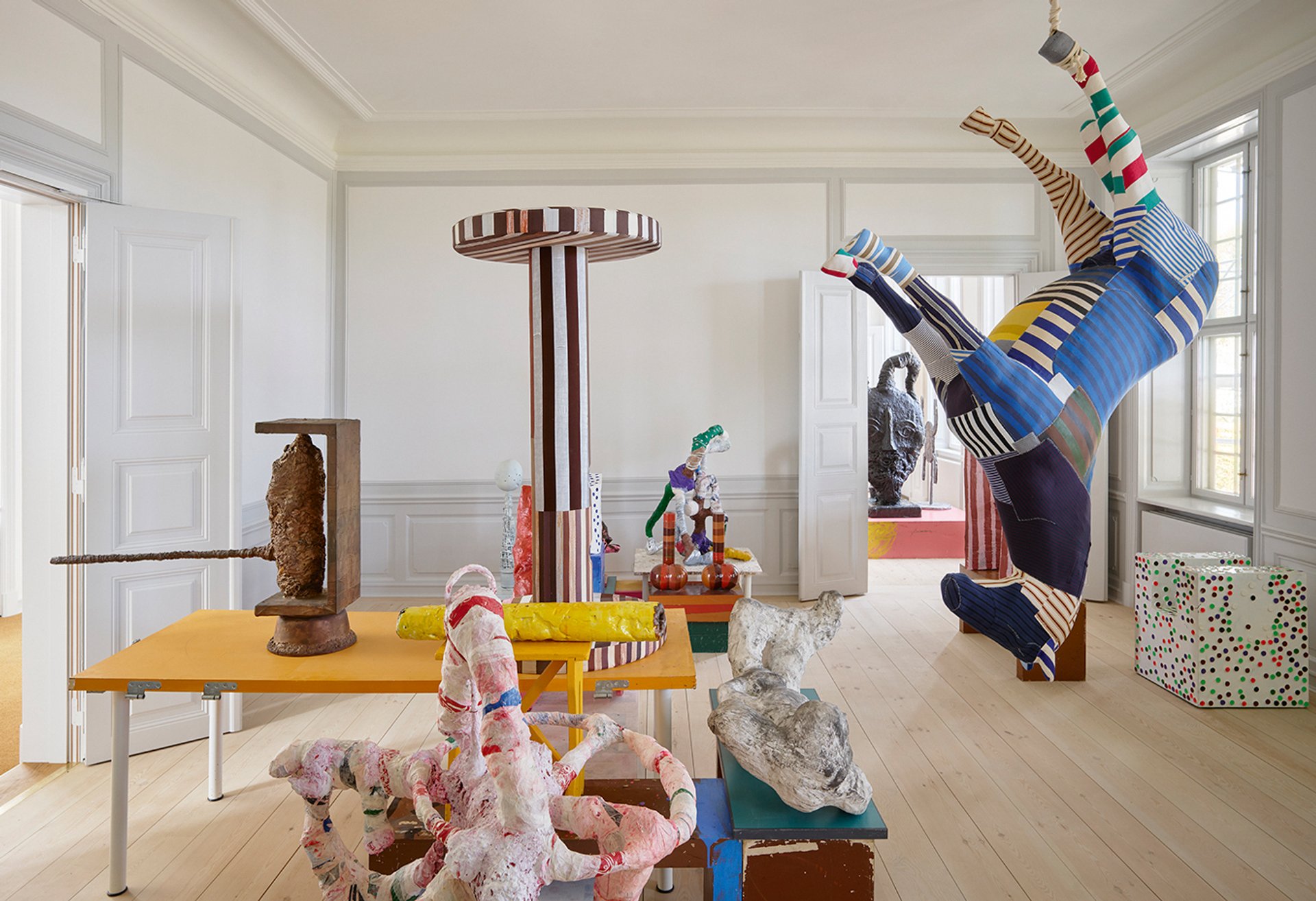
Tal R’s Moonwalk installation (2026) at Gammel Holtegaard
Photo © Anders Sune Berg
“My parents were pretty disappointed I’d dropped out of college,” Brunander says. “but I’m major dyslexic. I can do business but I can hardly spell my name.” His other skill is riding. Once a member of Denmark’s national showjumping team, he is now a keen polo player. “Fortunately, my sister—Maria Brunander Vøgg—did the whole business school thing, and now we work together.” Maria is Copi’s managing director. Her other skill is dressage.
An elegant retreat
Brunander breeds horses on a farm near Fredensborg, 19km from Hornbaek. He spends time in the UK, where his wife Anya, who is co-owner of the CORI Hornbaek, and their daughters live during school time. Their home, Cruchfield Manor, was once part of a large estate owned by the Cadbury family and its proximity to Windsor means being part of a smart social set. At Cruchfield there are stables and a polo field, and the couple’s three daughters attend the private school Lambrook, along with Princess Charlotte.
While Brunander is also often found in Switzerland and the south of France, where he has properties, his sister likes to be in Copenhagen. She is at the CORI when we arrive, as a team of builders works towards the opening deadline. “We grew up ten minutes away from here,” says Maria, who is 40. “We’ve known this building forever.” Intended as an elegant retreat for moneyed city dwellers, the badehotel was part of a bigger masterplan, which included a swimming pool, modelled on the one built for the Berlin Olympics. But at the outbreak of the Second World War in 1939, Hornbaek became both an escape point for Jewish people, who could reach Sweden by boat, and a Nazi haven. The latter occupied the hotel and another grand house nearby. That is now the Hornbaekhus Hotel and owned by another Danish entrepreneur, Lennart Lajboschitz of retail chain Flying Tiger fame.
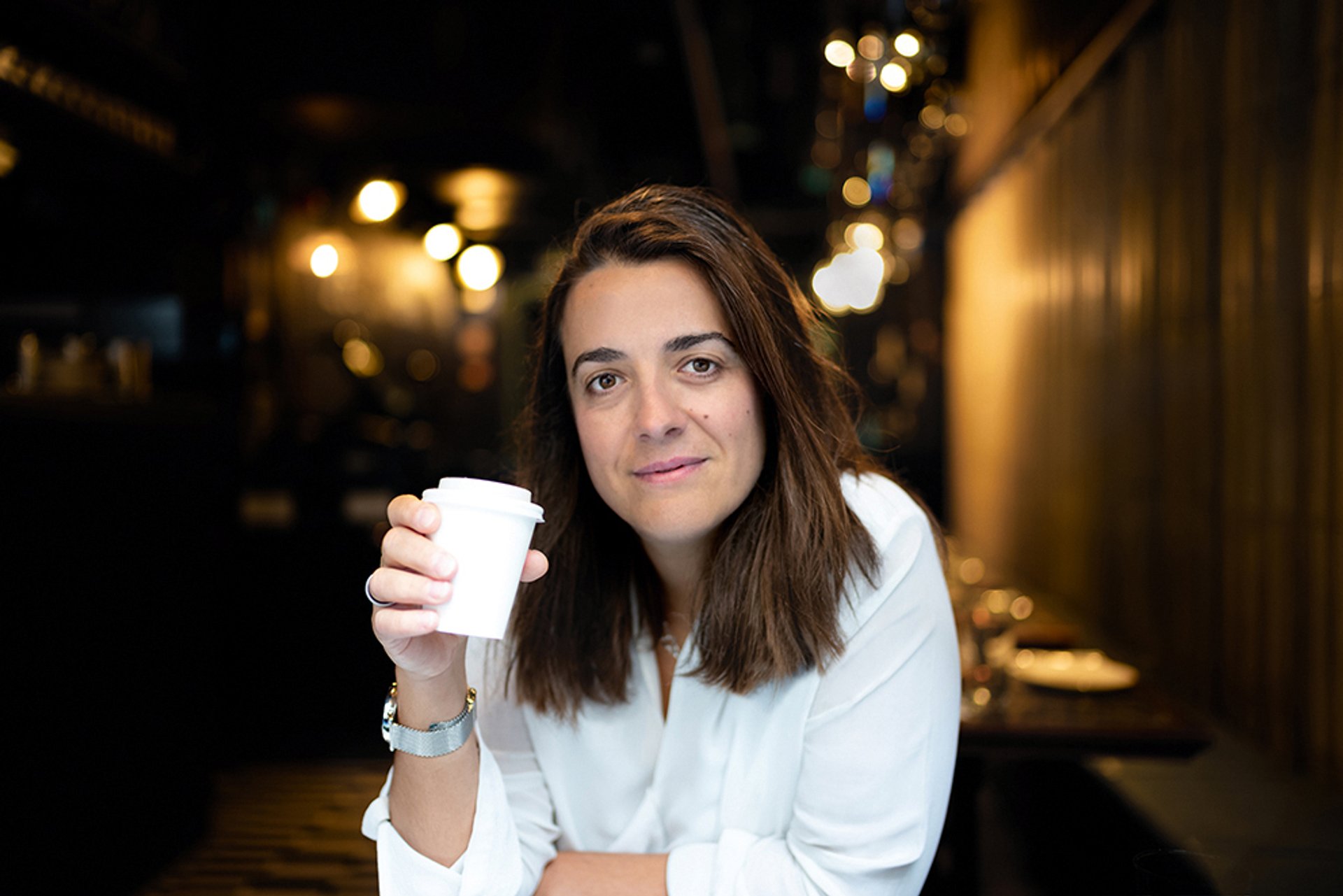
The hotel’s interior designer Afroditi Krassa
© Christopher Andreou
The opening of the CORI in Hornbaek coincides, not unintentionally, with Copenhagen’s growing reputation. The hope is that both Danish tourists and foreign visitors to the capital will be tempted to explore further up the coast, though the Brunanders want Hornbaek’s year-round residents to feel welcome here too.
“Copenhagen has undergone a transformation,” says Maria. “There’s been a huge cultural upswing, not just with the restaurant scene, but the Chart art fair and fashion week. Google and Microsoft have chosen to locate offices there.” The annual 3 Days of Design festival in June is seen as essential as a visit to Milan in April by design devotees. Incomers, including the actor Lily Collins, are buying homes in the city. “It’s increasingly international,” Maria says.
The design of the CORI’s interiors reflects these aspirations. While Danish architecture firm NVMBR worked on the building itself (one-third of it consists of new additions, although it’s hard to see the joins), the London-based designer Afroditi Krassa has taken on the interiors. “We wanted to respect everything the Danish do well: they don’t overload a space, there’s a lovely sense of democracy and a lack of ostentation,” says Krassa, who is originally from Greece and spends her summers on Antiparos in the Cyclades. “But we did want to add a bit more comfort and softness and a bit more fun.”
The fragrance and toiletries have been created by the perfumier for Hotel Cap-Eden-Roc in the Antibes, Isabelle Burdel, who included the bright orange sea buckthorn berries found among the dunes in Hornbaek. The beds are by the upscale Swedish company Duxiana, and room sizes start at 24 sq. m (“The average size in Denmark is 21 sq. m,” Krassa says) and go up to 120 sq. m for a combined suite. There is a fireplace in every room to create the ultimate in that Danish speciality: hygge, or cosy comfort.
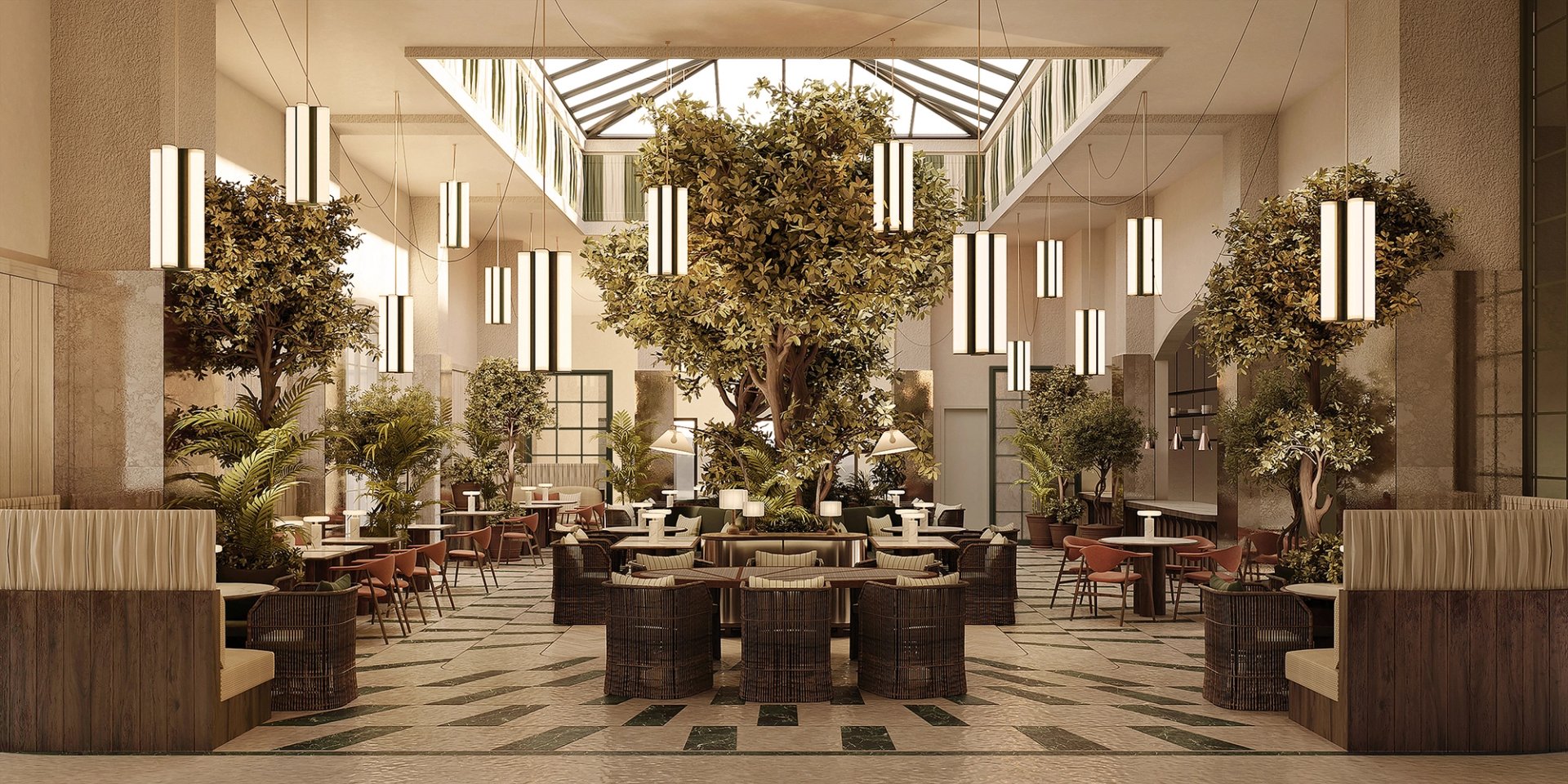
The CORI’s restaurant
Courtesy Krassa
In winter the sea is fierce and gales whip around the village; Krassa has responded with robust natural materials. Across the ground floor is warm, unpolished marble the colour of sand, as though it has blown in from the dunes. There is stained oak panelling, and easy furniture in wood, canvas and leather custom-made for the project by Danish company Gubi. Historic Nordic pieces from the 1930s have been sourced from a multitude of auctions.
Just Linde, a friend of Brunander, has also lent works to hang in the interiors, including a nine-panel piece by Julia Haller and paintings by Anna Zacharoff and Pierre Alechinsky. “Anna paints in a very loose way on raw canvas,” says Just Linde. “I thought it would work well in this seaside setting.”
A swim in the middle of dinner
“We didn’t want UAE glamour or Soho House style,” Brunander says of his brief. Instead, he hopes that guests will wander through the hotel from the beach in their swimming trunks. Experts from the super-luxe Chedi Andermatt in Switzerland are developing longevity treatments for the spa, but it will also welcome children. The food, overseen by Bocuse d’Or winner Brian Mark Hansen, will be foam- and fuss-free. “It’s about uncomplicated dishes made with amazing local ingredients,” Brunander says. “Even Brian, who’s worked at the top level, says the culinary arts have become so elevated in Copenhagen that the guest is an accessory to a formalised event. We won’t mind if you go for a swim in the middle of dinner.”
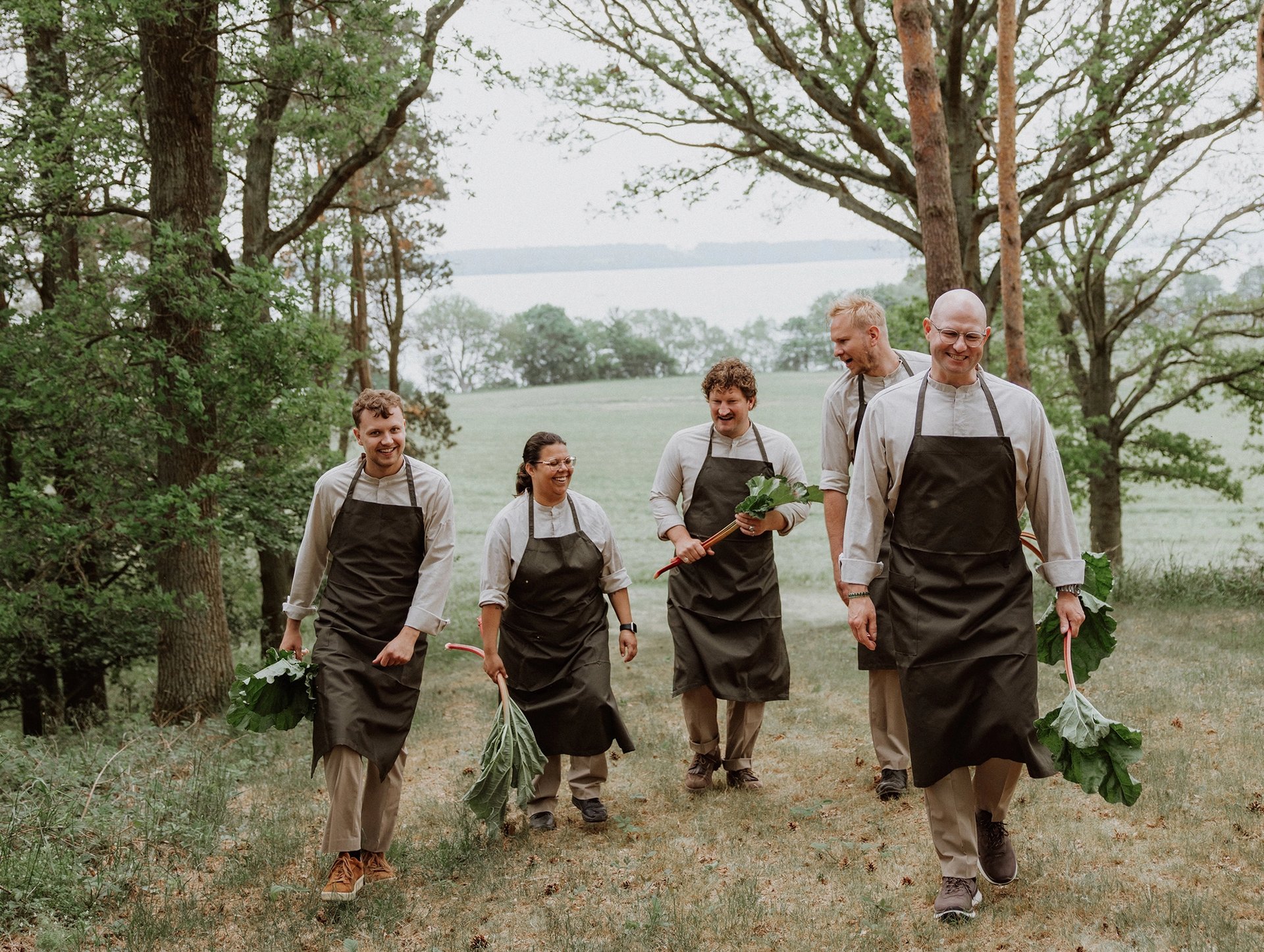
Chef Brian Mark Hansen, a Bocuse d’Or-winner, leads the restaurant team on a foraging session for local seasonal ingredients
© Anthony Bogdan
The Danish mindset perhaps offers a natural antidote to the excesses of upmarket travel: longevity treatments and langoustines but in a more modest wrapper. “I think the luxury world is moving away from big Rolls-Royces and white gloves,” Brunander says.
And maybe more compelling still, as Europe’s southern summers get hotter, here on the coast of Zealand it won’t just be the type of luxury on offer that is cooler, but the balmy temperatures too.