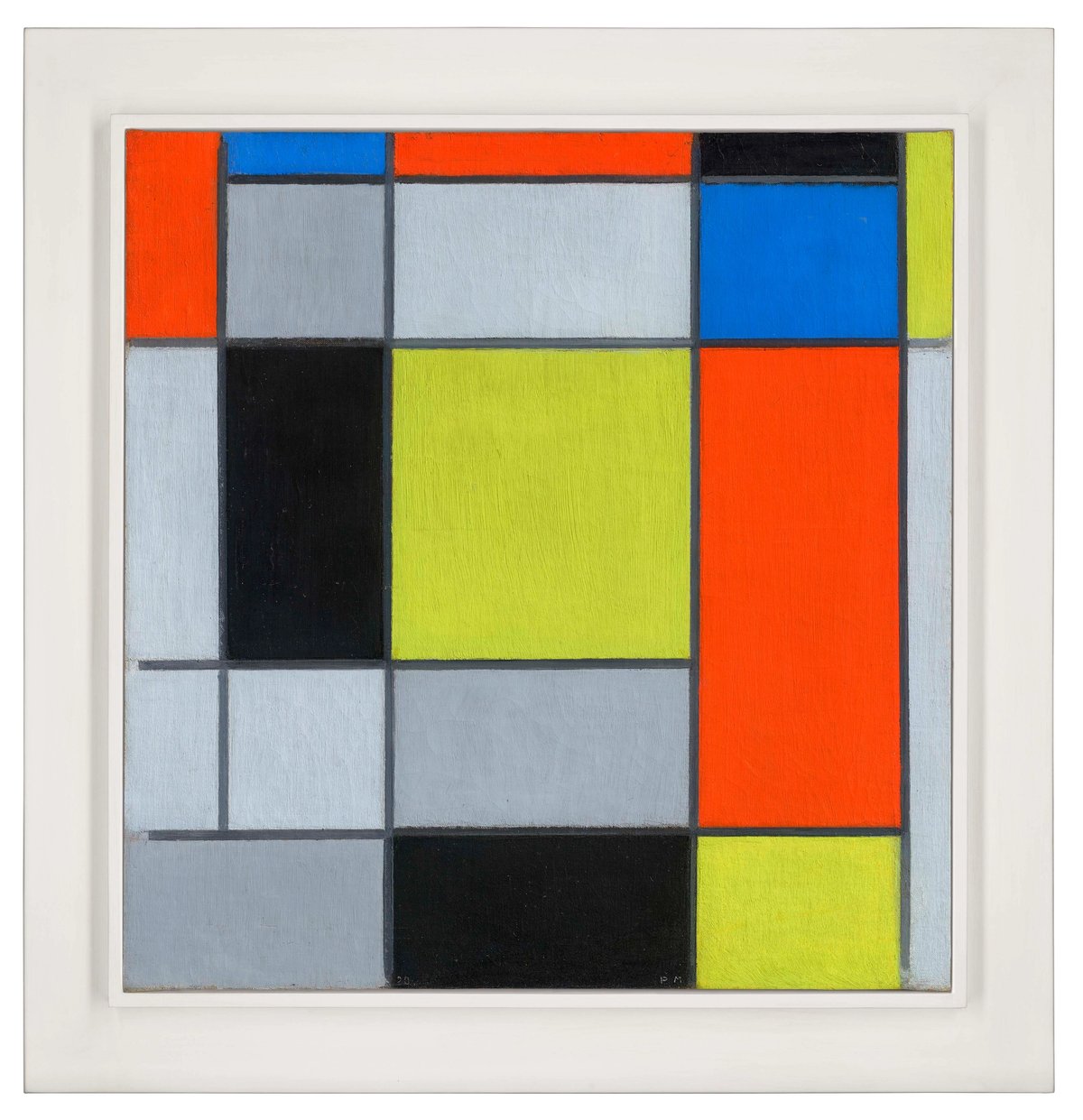
Piet Mondrian, Composition III (1920)
20th/21st Century: London Evening Sale, Christie’s, London, 14 October
Estimate: £20m-£30m
This 1920 painting will make its auction debut at Christie’s in London this October, having also not been publicly exhibited for 25 years. One of only a handful of paintings from a crucial year in Mondrian’s development that remain in private hands, the work dates to the era when he established the principles of Neo-Plasticism, reducing forms to geometric abstraction.
Mondrian produced just eight major paintings in 1920, five of which are now in museum collections including the Tate in London, the Museum of Modern Art in New York and the Stedelijk Museum in Amsterdam. The painting was previously owned by the Modernist architect and collector Armand P. Bartos and his wife, Celeste. It is estimated to sell for between £20m and £30m, the highest estimate for a Mondrian work at auction in Europe since 2009, according to Christie’s.
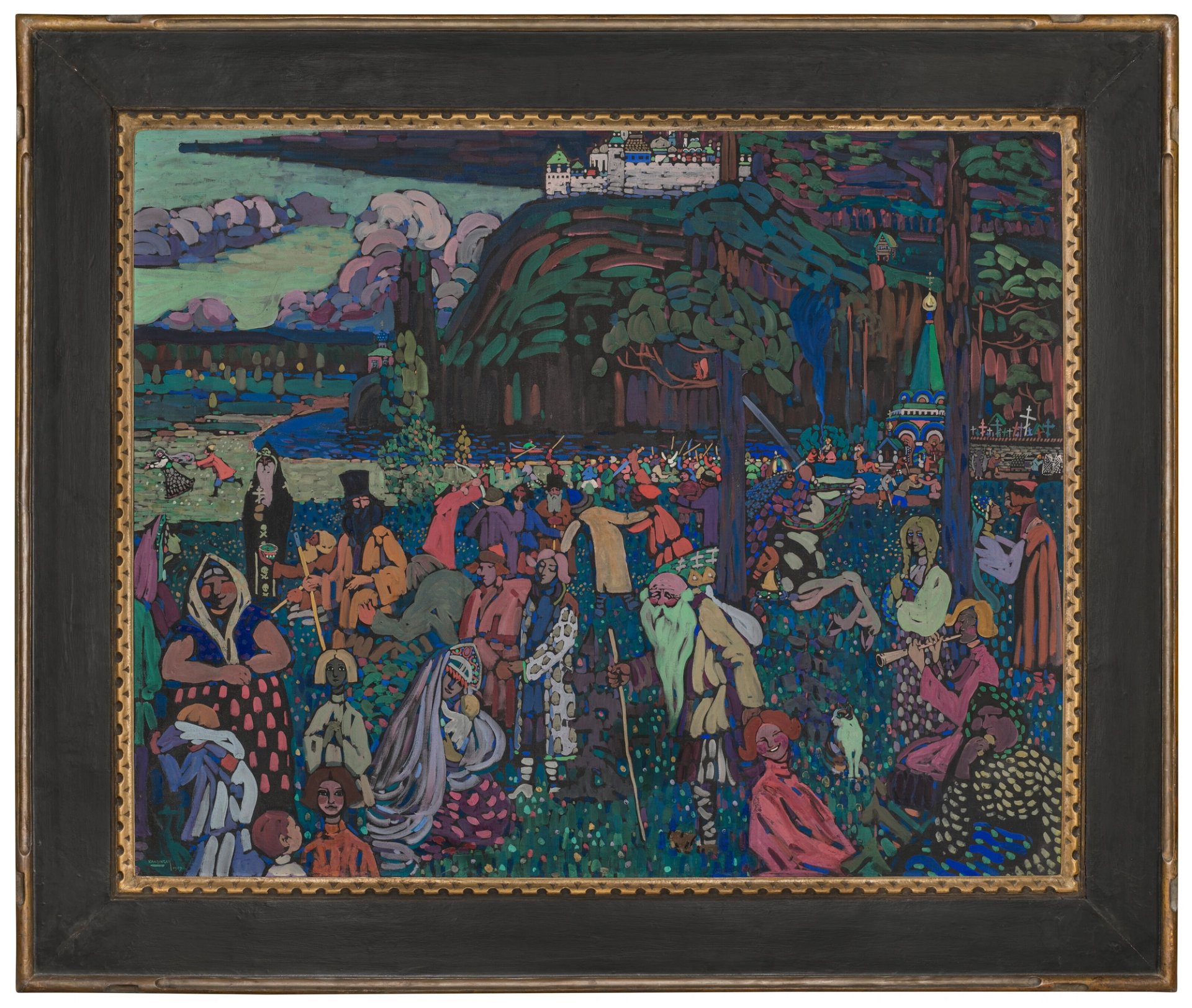
Wassily Kandinsky, Das bunte Leben (1907) Courtesy of Christie’s
Wassily Kandinsky, Das bunte Leben (1907)
20th/21st Century: London Evening Sale, Christie’s, London, 14 October
Estimate: in excess of $30m
Wassily Kandinsky’s Das bunte Leben (1907) will return to the market this autumn following the painting’s dramatic restitution to the heirs of former owners who lost possestion of it during the Holocaust. In 1927 the painting was acquired by the Dutch-Jewish businessman and collector Emanuel Albert Lewenstein and his wife, Hedwig Lewenstein-Weyermann.
The couple built a strong collection of Modern art, acquiring work from dealer and artist Paul Citroen, among others. Shortly after the invasion of the Netherlands by German forces in 1940, Das bunte Leben—which had been on loan to the Stedelijk Museum—was removed from the museum and sold at auction in October 1940. It was bought by the collector Salomon B. Slijper and later acquired by Bayerische Landesbank from Slijper’s family in 1972.
The work was placed on long-term loan to Munich’s Lenbachhaus in 1973, where it remained on public display for more than 50 years. The Lewenstein heirs spent decades tracing their family’s collection. In 2017 they sued Bayerische Landesbank for the painting’s return and finally secured restitution from it in June 2023. Its forthcoming sale marks its first appearance on the market since then.
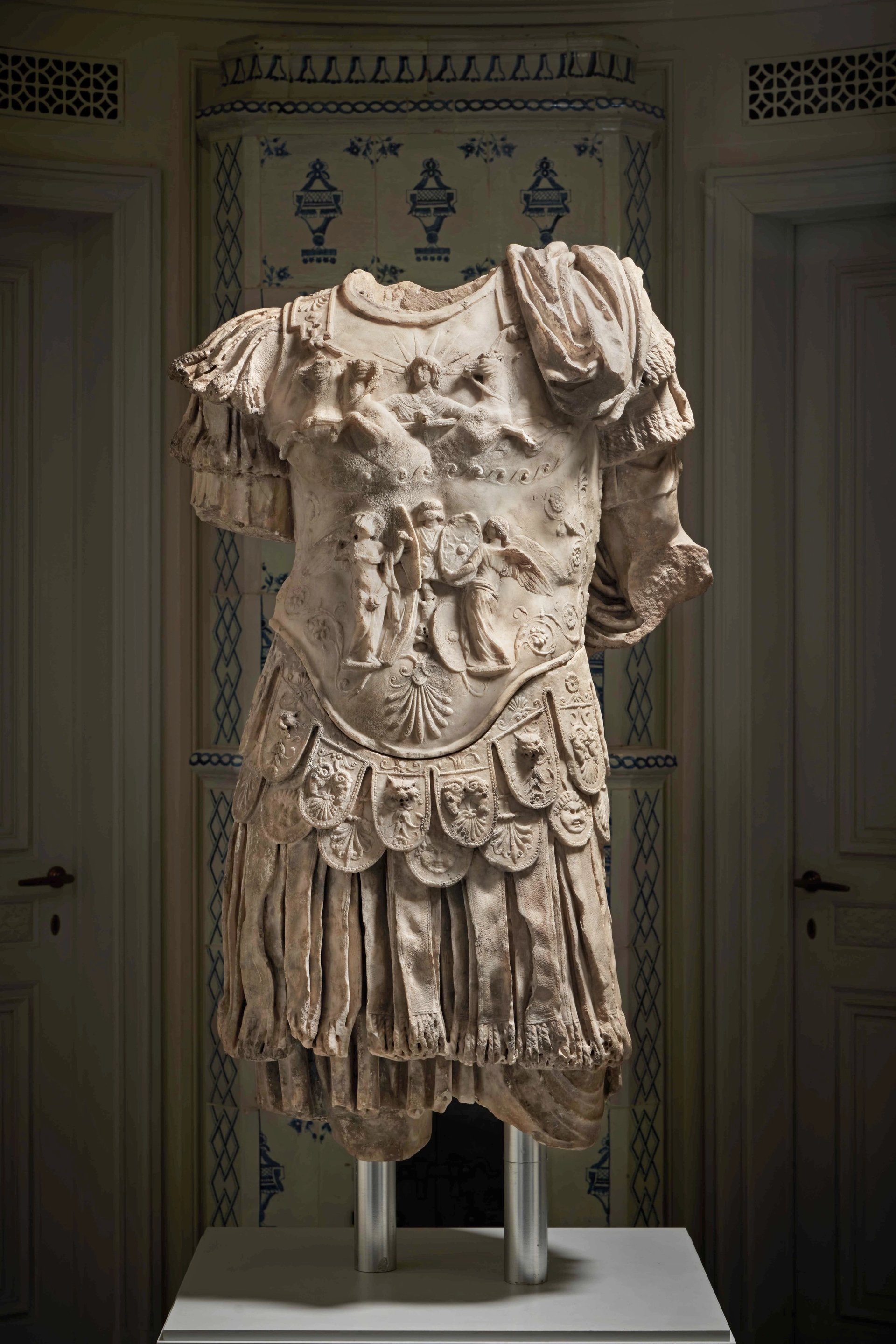
Marble torso of a Roman emperor(Julio-Claudian period, first half of the first century AD) Courtesy of Sotheby’s
Marble torso of a Roman emperor(Julio-Claudian period, first half of the first century AD)
Magnum Opus Evening Auction, Sotheby’s, New York, 21 October
Estimate: $8m-$12m
A marble torso believed to be a Roman emperor leads Sotheby’s Magnum Opus sale, a series of auctions drawn from an anonymous private collection of more than 900 works. Thought to be either Augustus, Tiberius or Claudius, the figure dates to the first half of the first century AD and wears armour decorated with Sol, the Roman sun god, riding a chariot flanked by with winged Victories.
The attire of the sculpture would have communicated military success and divine favour to the ancient viewer. The torso was last offered at Sotheby’s New York in 2010, when it carried an estimate of $800,000-$1.2m and sold for $7.36m with fees.
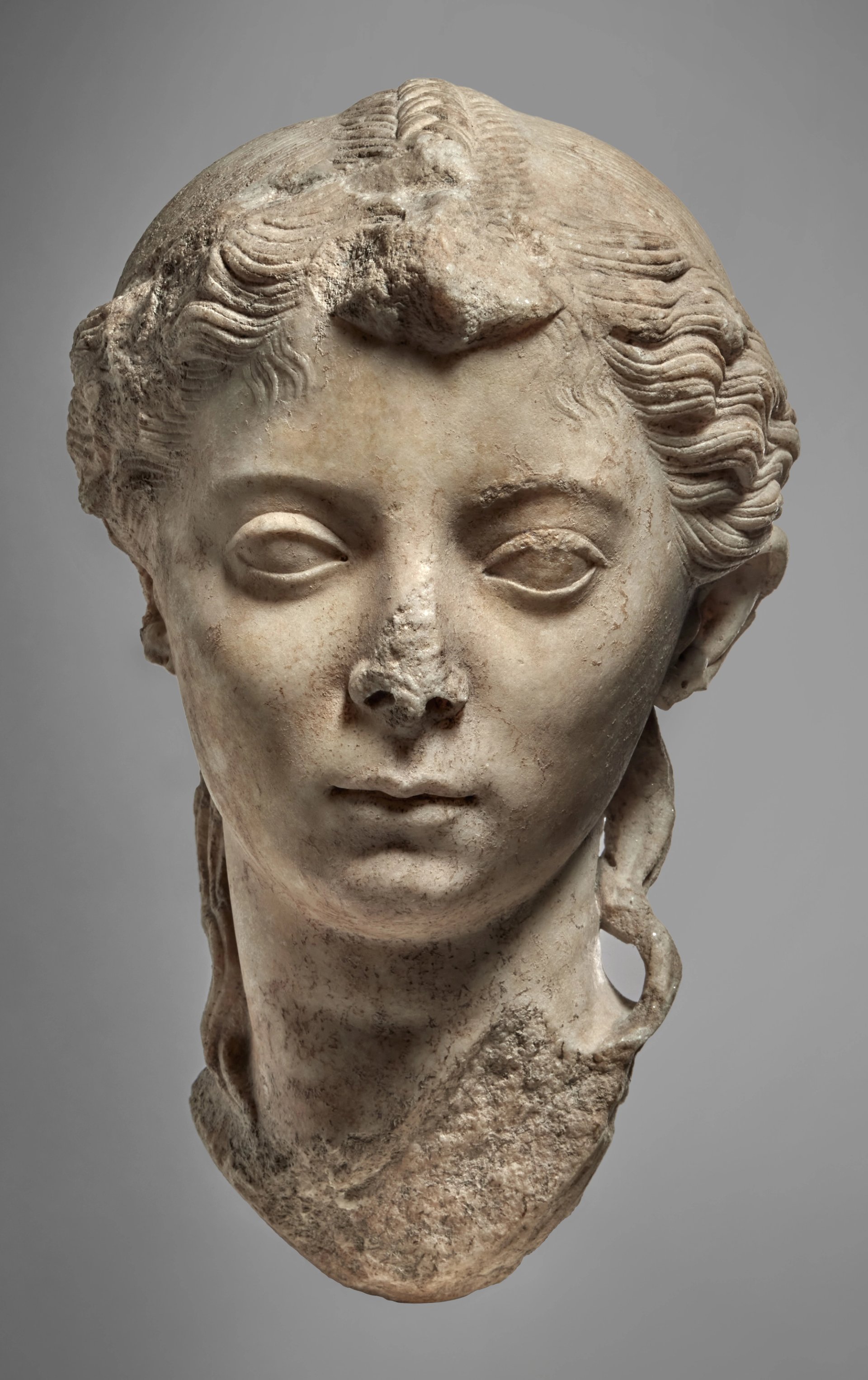
Augustan marble portrait head of a girl (27BC-AD14) Courtesy of Sotheby’s
Augustan marble portrait head of a girl(27BC-AD14)
Magnum Opus Evening Auction, Sotheby’s, New York, 21 October
Estimate: $2.5m-$3.5m
This marble portrait head of a young woman dates to the reign of Augustus. Made between 27BC and AD14, the head is thought to be based on the likeness of Livia, the emperor’s wife and an important figure in the early Roman imperial dynasty. Her serene facial expression, soft features and elaborate hairstyle reflect the beauty standards of the period, as well the conventions of female portraiture in the Roman era.
The sculpture was previously part of the collection belonging to the noble House of Schwarzenberg, and then sold in a 2014 Sotheby’s New York auction where it fetched $2.2m with fees.