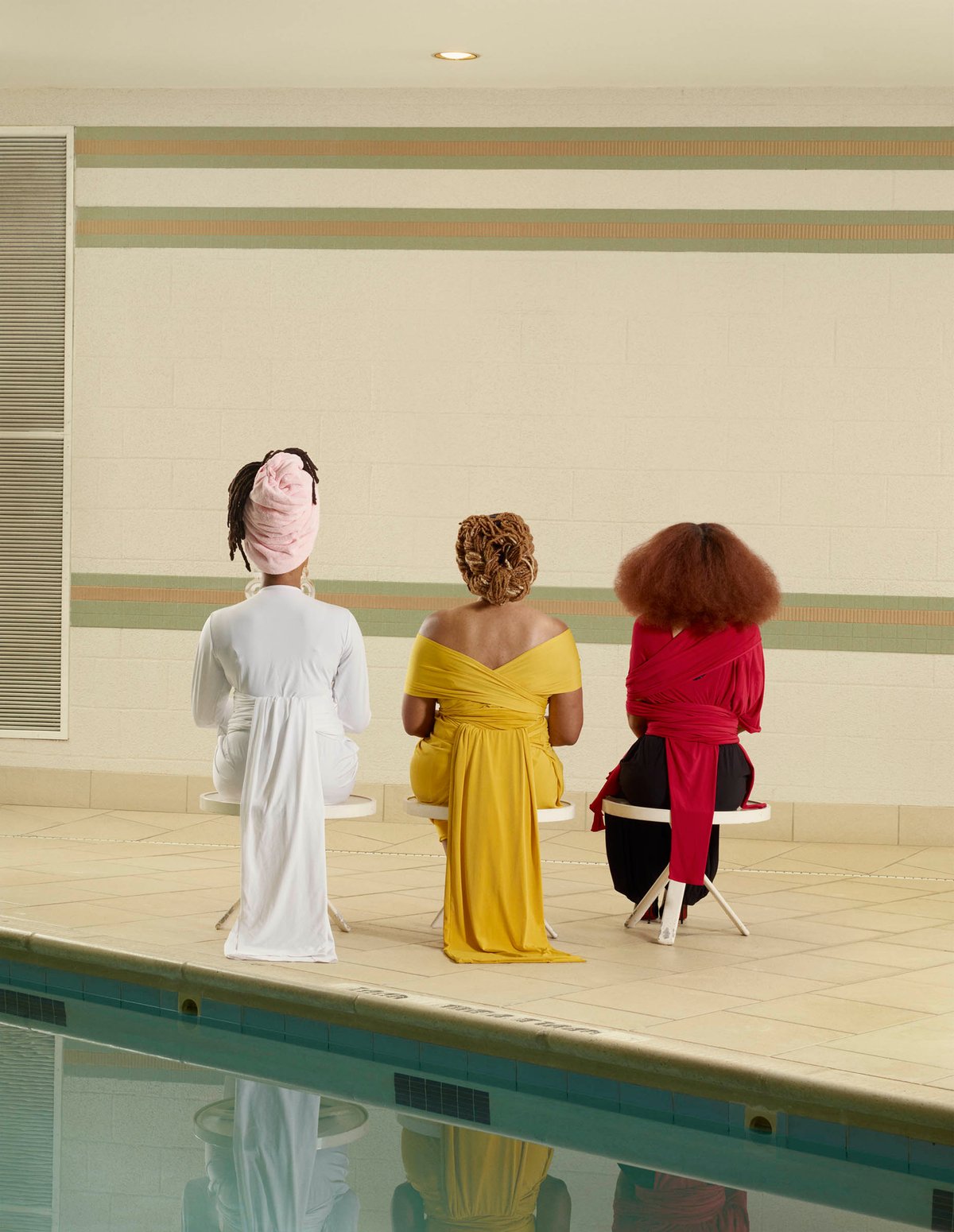
Taryn Simon, Father Country I Do Love You, Aliza Watters and Hannah Shea (editors), Guggenheim and Hatje Cantz, 696pp, $150 (hb)
The US artist Taryn Simon traces the life of an unnamed federal agent through 42 individual works featured in an exhibition at the Solomon R. Guggenheim Museum (the first photography-based monographic display to open in the institution’s famed rotunda, until 14 March 2027). The accompanying publication is a key part of Simon’s epic project. “Bookmaking is an integral part of Simon's practice… the texts she has written on the gallery walls becomes the stories in the book, and the individual artworks on the walls become the photographs in the book,” says a Guggenheim spokesperson.
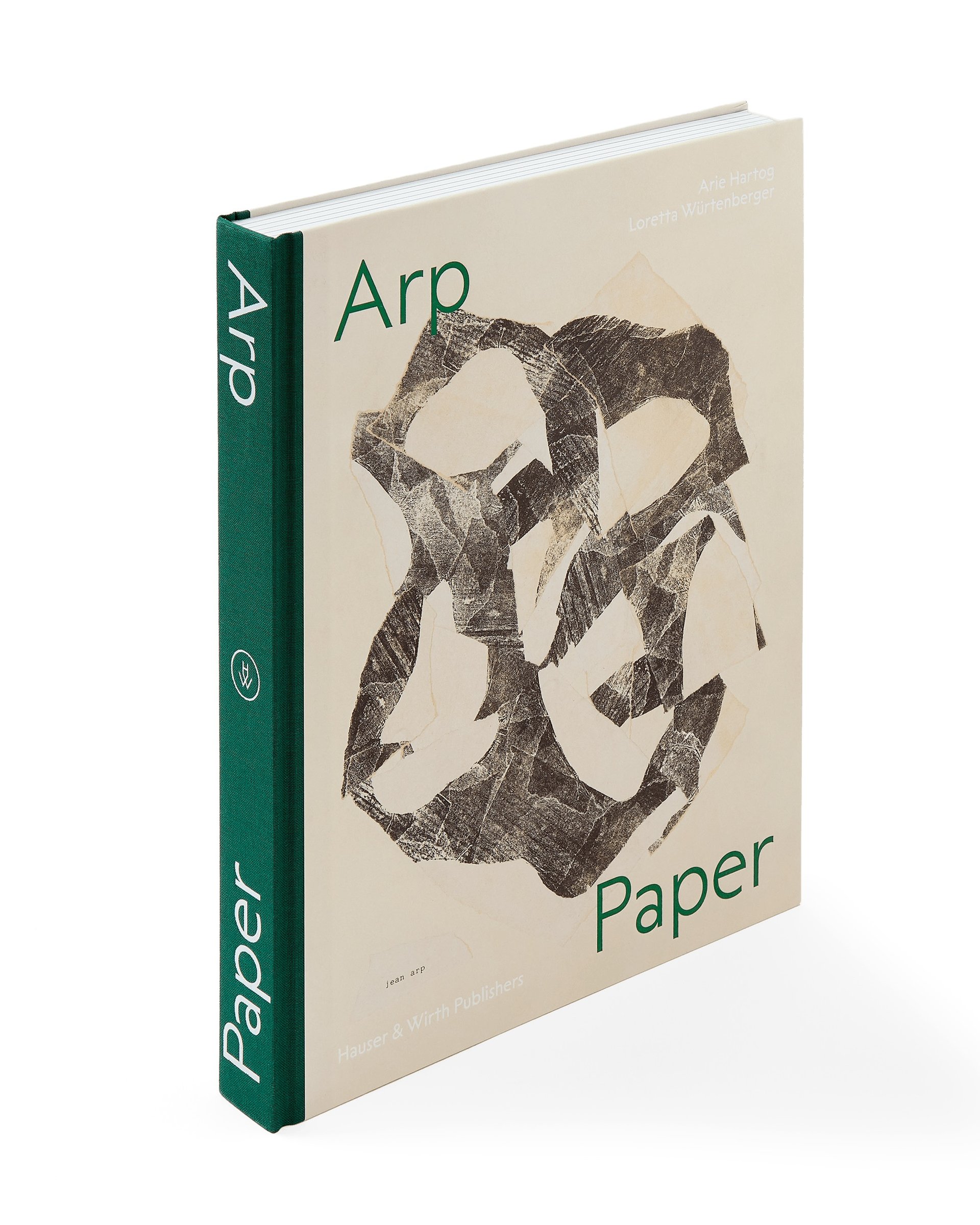
Arp: Paper, Arie Hartog and Loretta Würtenberger (editors), Hauser & Wirth Publishers, £70, 304pp (hb)
Hans Arp, credited as a pioneer of the Dada movement, is known for his playful biomorphic sculptural forms. “This new publication focuses on Arp’s works on paper, as well as his paper collages, providing a comprehensive picture of their role in the artist’s multifaceted output, including as a vehicle for play and as a way of inventing new worlds,” says a publisher’s statement. Works featured include Three Silhouettes (1950-60), The Twins (1959) and Shells (1933-36).
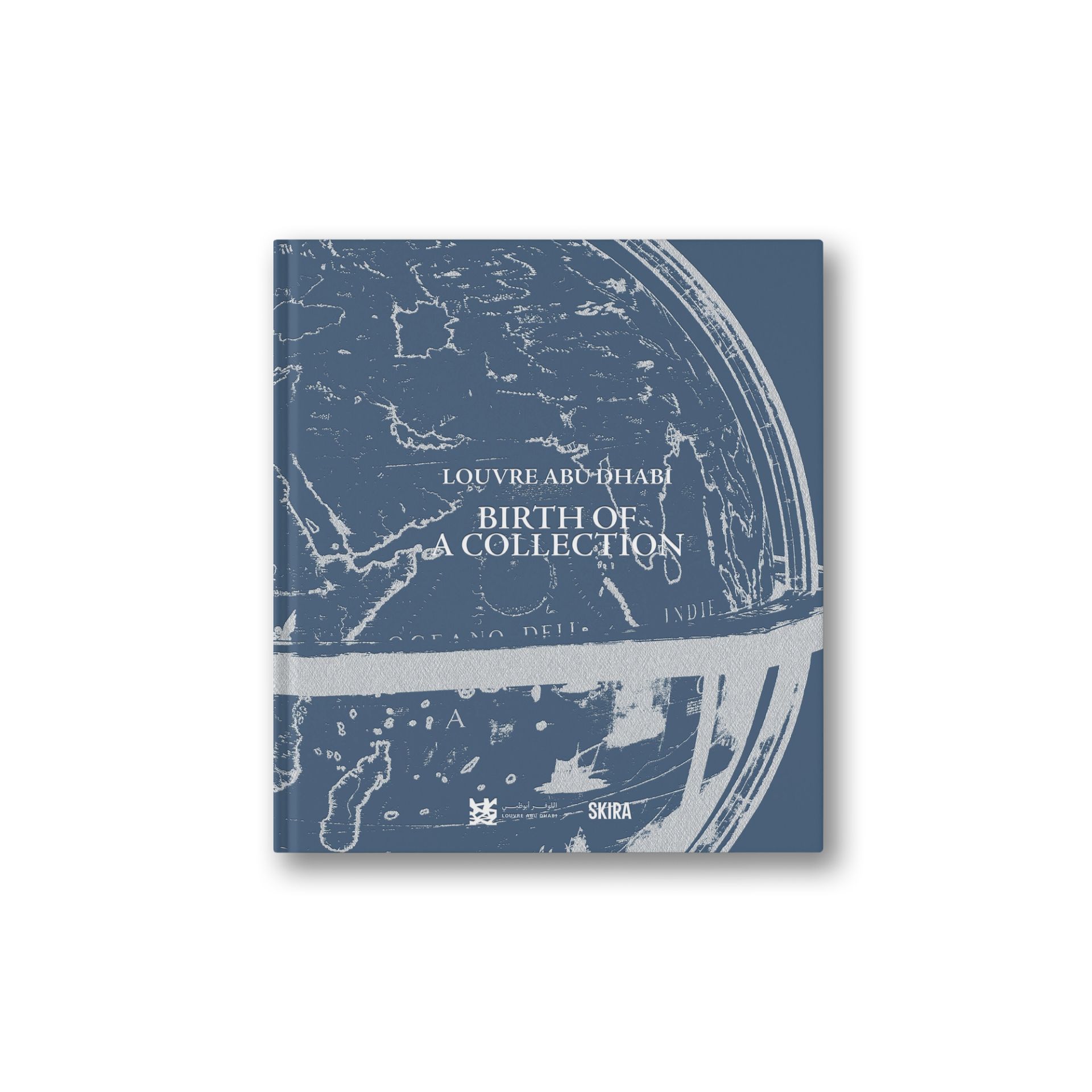
Birth of a Collection, Guilhem André, Skira Editore/Louvre Abu Dhabi, £65, 438pp (hb)
This volume marks the upcoming tenth anniversary of the Louvre Abu Dhabi, bringing “together 240 selected objects explored in illustrated essays that articulate the museum’s founding vision: a universal museum where the history of human creativity unfolds as a continuous story of exchange through dialogue between objects from major civilisations”, says a publisher’s statement. Since opening in November 2017, the museum’s collection has grown from around 600 works to more than 6,000 today. Birth of a Collection is published in Arabic, English and French. Forty-two curators, historians and scholars have contributed, highlighting objects such a Monumental Lion (aoround 1100-1200), which is “among the most important Islamic works of the Mediterranean region”, they say.
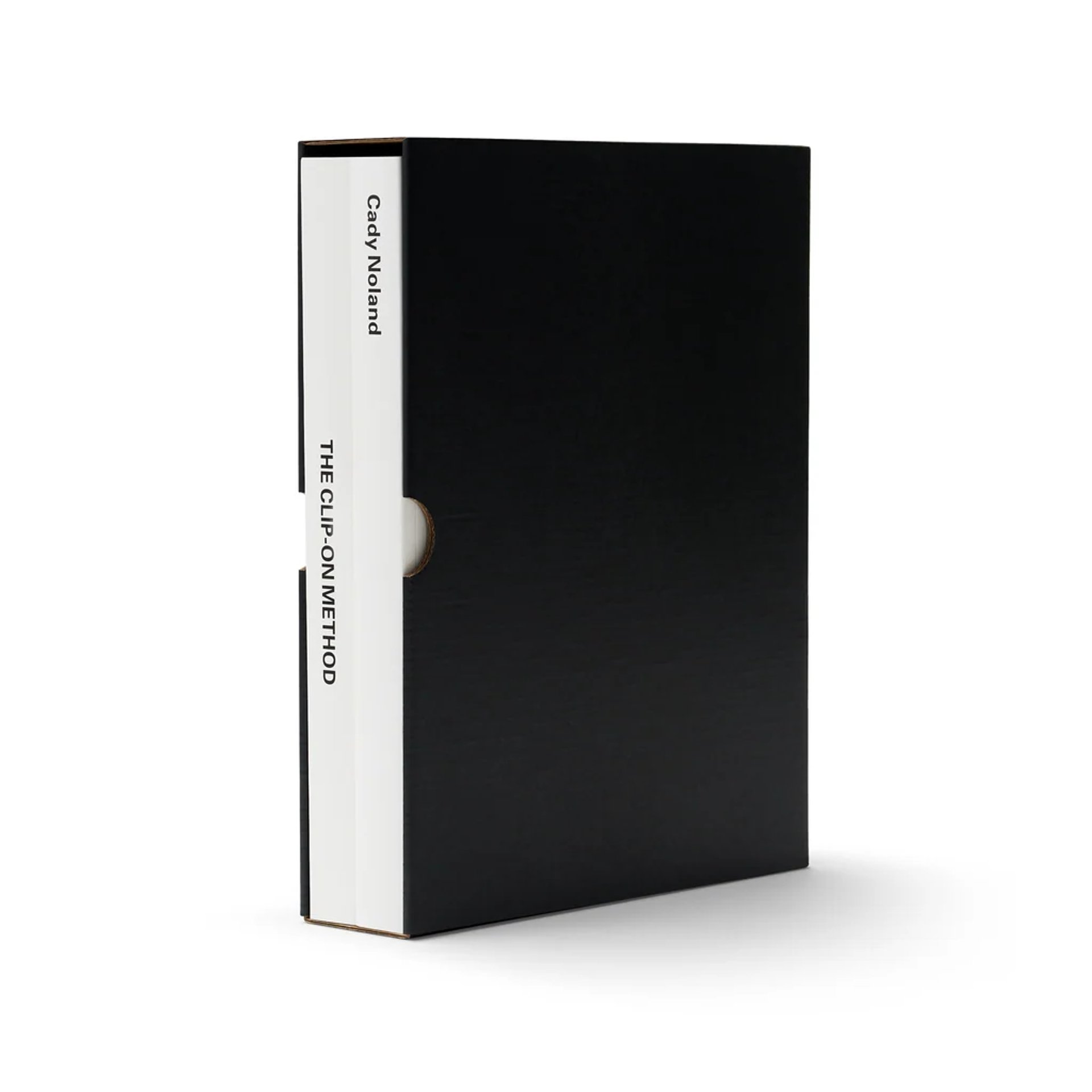
The Clip-On Method, Cady Noland, Rhea Anastas and Robert Snowden (publishers), Volume I: 290pp; Volume 2: 306pp, $80 (pb)
Cady Noland’s celebrated two-volume monograph The Clip-On Method “operates as an artwork in its own right, offering an immersive survey of her work”, says a statement from the Gagosian gallery, which represents the artist. The relaunched publication, first released in 2021, features extensive photographic documentation of her sculptures and installations along with a selection of sociological, political and historical texts alongside Noland’s own writings.
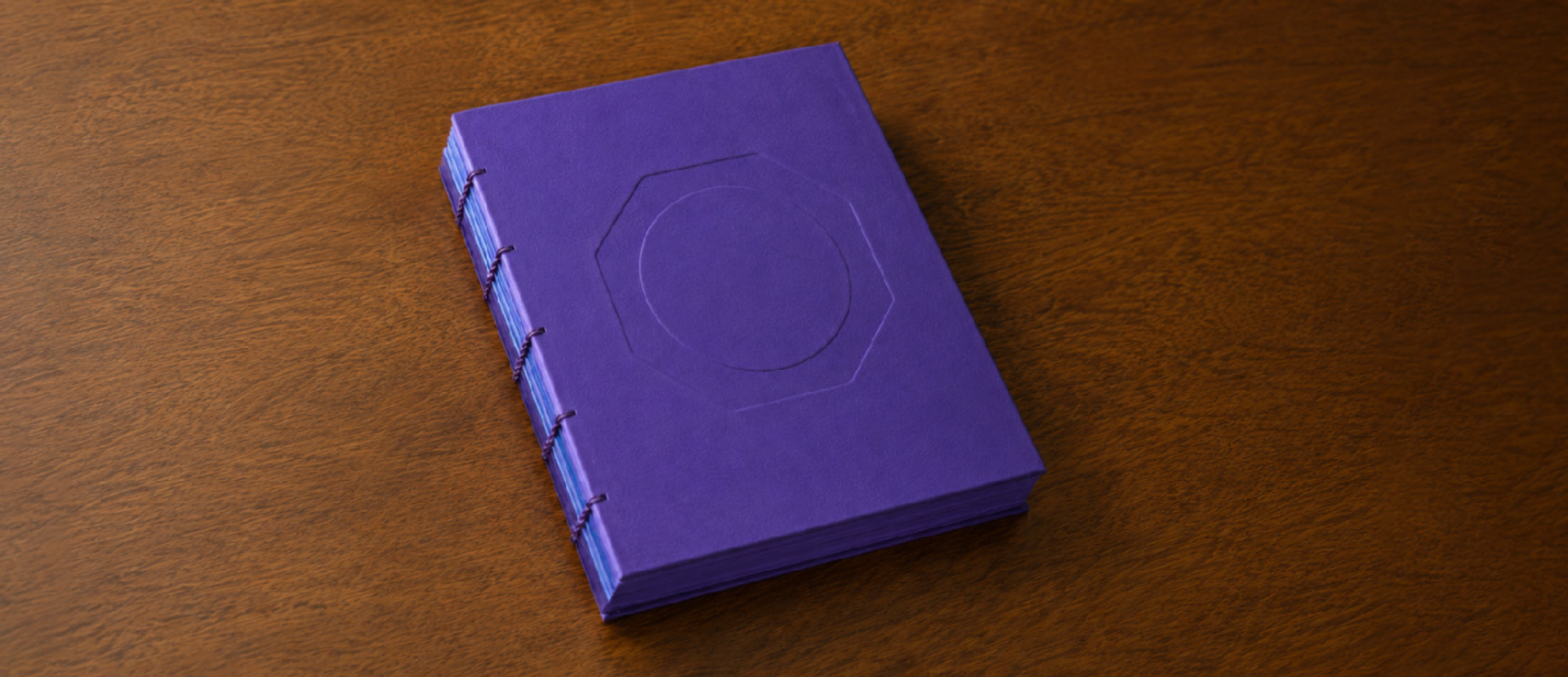
The Companion, José da Silva (editor), Creative Australia and Spector Books, 256pp, €32 (hb)
This catalogue covers the artist Khaled Sabsabi’s controversial presentation at the 2026 Venice Biennale (he was initially dropped as the official artist for Australia amid a furore surrounding some of his previous work).An essay by the Islamic art historian Claire Dillon, entitled Forms of Infinity, Forms of Affinity, examines Sabsabi’s two installations for the Biennale—khalil and conference of one's self—exploring how the artist draws on Islamic artistic lineages and the Sufi philosophy of Tasawwuf. The publication, edited by the director of Sydney’s UNSW Galleries, José da Silva (not The Art Newspaper’s editor of the same name), also includes essays by Michael Dagostino, Claire Dillon and Hammad Nasar, among others.