

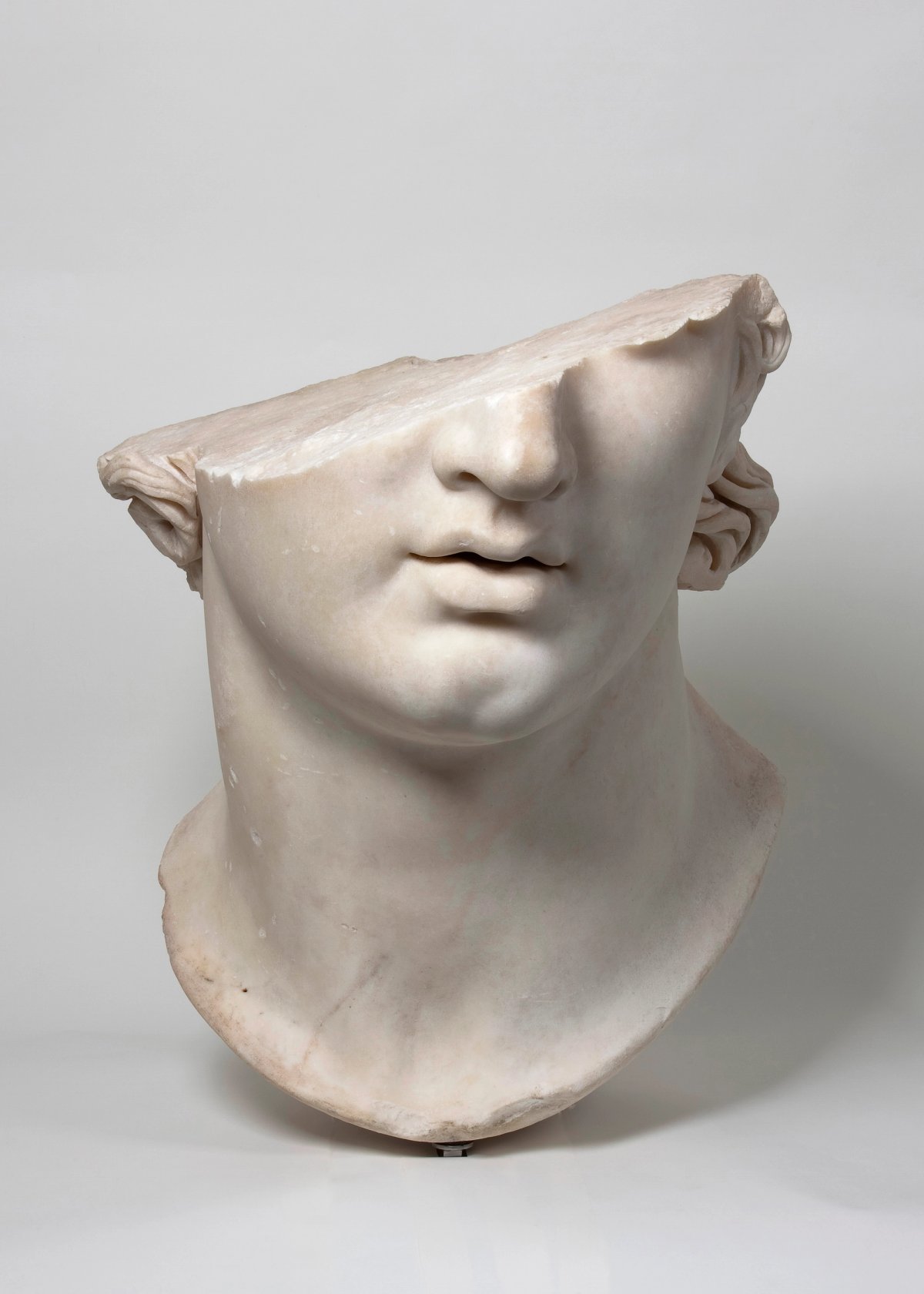
The Power of the Fragment in Sculpture, C. D. Dickerson III and Andrew Sears, Chicago University Press, 240pp, £40 (hb)
The Power of the Fragment in Sculpture explores the enduring fascination with fractured statues, focusing on the “power dynamics of iconoclastic dismantling and defacement, and how various cultures treat broken statues”, says a publisher’s statement. Highlights include Michelangelo’s terracotta Model of a Nude Woman (around 1533), which new research suggests may have been intentionally created incomplete. The publication accompanies a wide-ranging and eclectic exhibition spanning more than 4,500 years of global history, which opened in September at the Palazzo Strozzi in Florence before it travels to the National Gallery of Art in Washington DC next year.
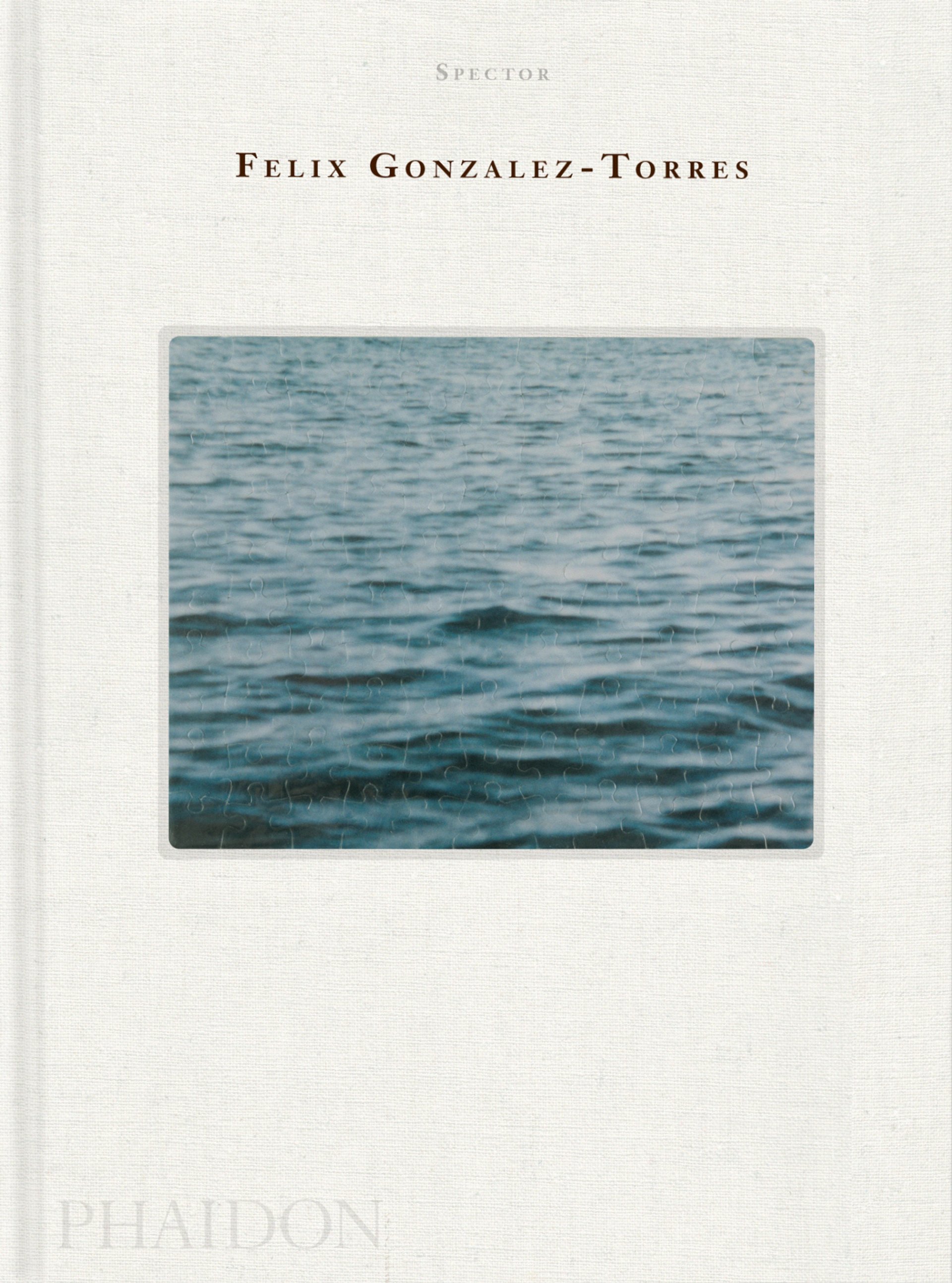
Felix Gonzalez-Torres, Nancy Spector, Phaidon, 352pp, £39.95 (hb)
This newly revised and expanded edition assesses the relevance today of the influential conceptual artist Felix Gonzalez-Torres who died from an Aids-related illness in 1996. “Almost two decades after its original publication, the monograph accompanying Gonzalez-Torres’s 1995 retrospective at the Guggenheim Museum is still the canonical text on the artist,” says a publisher’s statement. Gonzalez-Torres is known especially for his famous sweet installations, which are usually mounted in piles in the corner of rooms. “The candy pieces, like all his works, encourage a wealth of meanings, and can be everything from stridently political to gently lyrical,” writes the critic and host of The Art Newspaper’s podcast, Ben Luke.
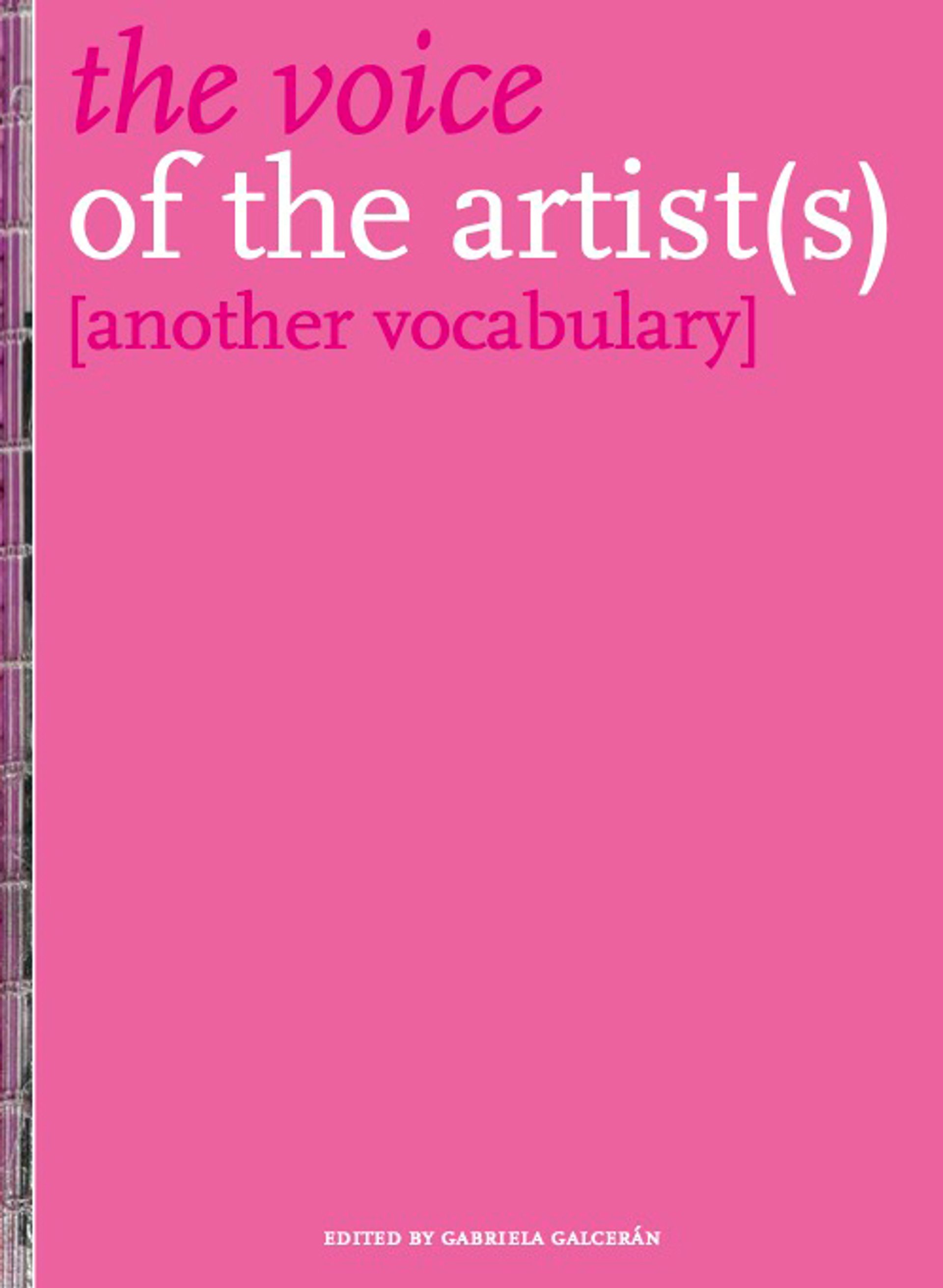
The Voice of the Artist(s): another vocabulary, Gabriela Galcerán (editor), Sternberg Press, 360pp, £23.50 (pb)
This publication grew out of a video project devised by the cultural producer Gabriela Galcerán in which 26 artists chose a word, one for each letter of the alphabet, and responded to it in their own way. The five thematic chapters, including “Power + Politics” and “Agency + Language”, subsequently draw connections between their ideas. Contributors include Lynn Hershman Leeson, Lawrence Abu Hamdan and Gary Hill. “They all made me flinch, each for a different reason. I love the wide range of tones and registers that make up this choral effort. Some are intimate, some political, some humorous or oblique,” says Galcerán in a statement.

Faces and Phases, Zanele Muholi, Renée Mussai (editor), Mack, 464pp, £65 (hb)
For more than 20 years, the South African artist and activist Zanele Muholi has been documenting Black lesbian and bisexual women, along with queer, trans, non-binary, and gender fluid people for the project Faces and Phases. This new volume of the work, released to mark the project’s 20th anniversary, has been updated to include new sitters in locations such as São Paulo, Salvador, London, Porto and Los Angeles. “These striking photographs are often accompanied by participants’ testimonies, sharing their personal stories, feelings, and lived experiences,” says a publisher’s statement. Muholi was born in Durban in 1972 at the height of apartheid in South Africa. In the early 2000s, the photographer began to raise awareness of the hypocrisies and hate crimes that remain prevalent against the LGBTQ+ community within the country.