Swedish museums last week began returning dozens of statues stolen by British troops from the Kingdom of Benin as well as sacred objects looted by grave robbers in the 1970s in Bolivia.
Three years after the Swedish government—at the time backed by the far-right Sweden Democrats—agreed to two restitution requests, the National Museums of World Culture (SMVK) began the final phases of enacting them.
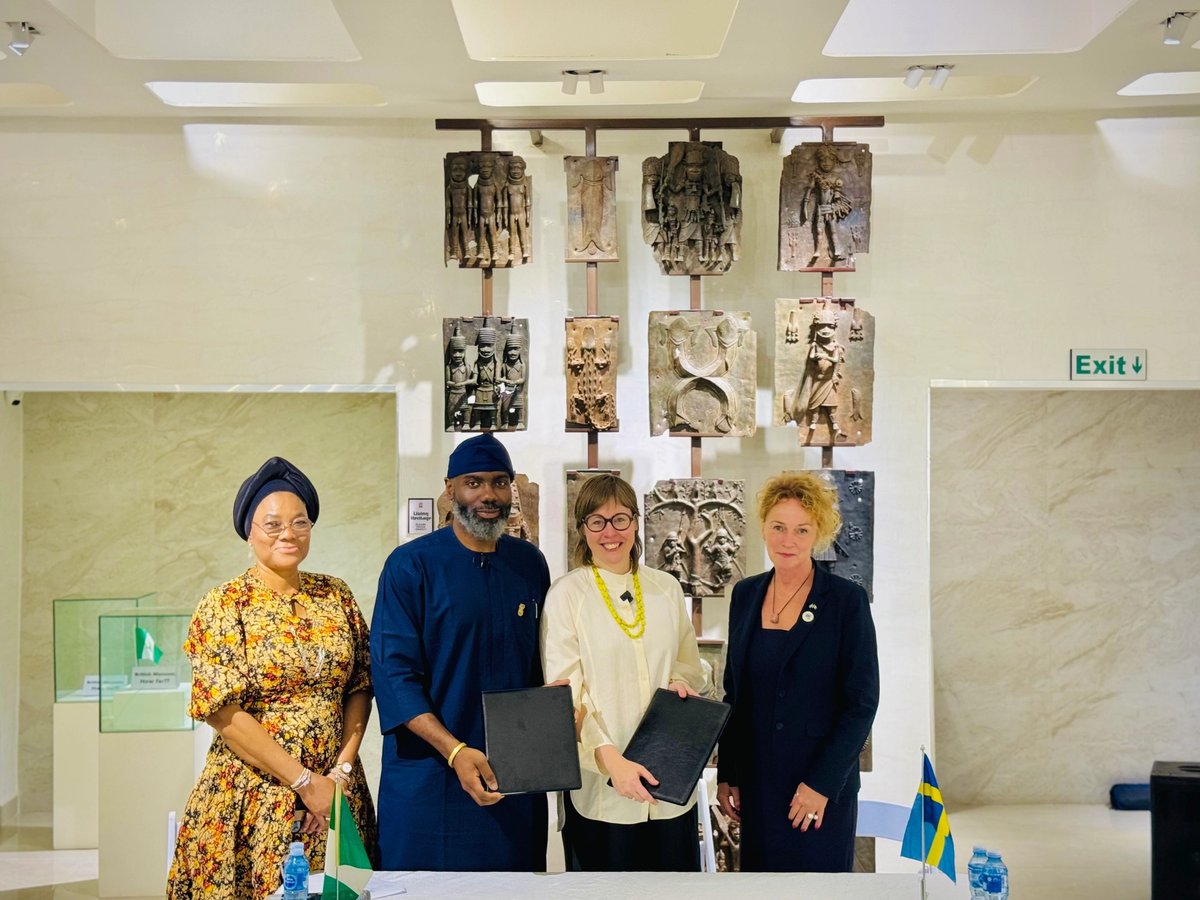
At a ceremony in Lagos, 39 Benin objects were formally restituted to Nigeria, while according to Swedish media, 77 objects from the Niño Korin village—including the skull of a Kallawaya healer— were taken from storage in Gothenburg to be transported to the National Museum of Archaeology in La Paz.
The Bolivian objects, dating to around 600 to 1000 AD, the Tiwanku period, were looted by locals in grave robberies in the 1970s and were later sold to the museum, according to the SMVK website.
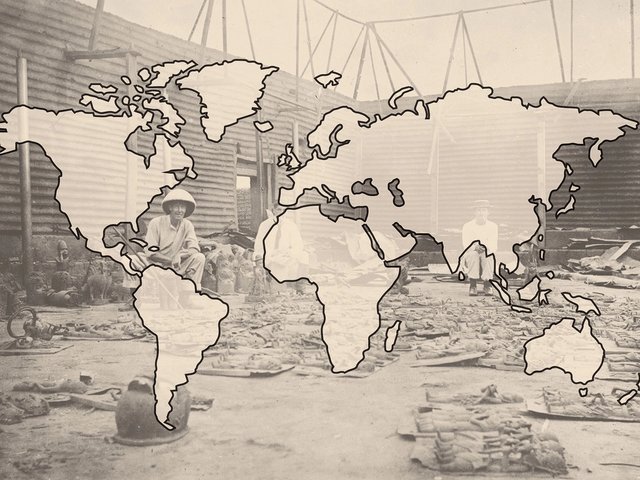
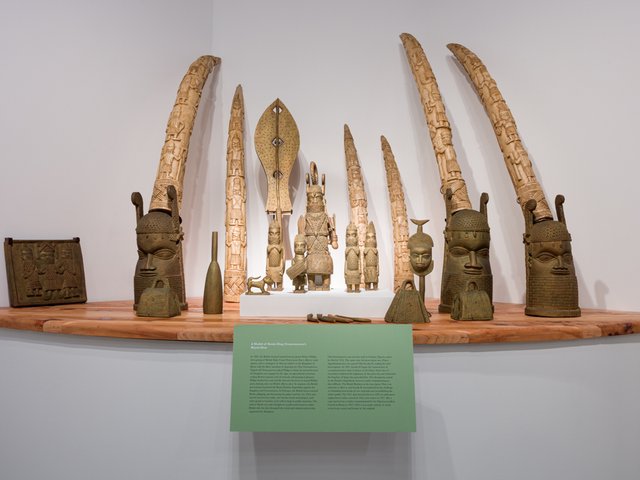
The African objects are some of thousands that were violently looted by British troops in 1897 from the Edo people in the old Kingdom of Benin, located in what is now Nigeria. They were later acquired by the former Swedish Museum of Natural History in Stockholm. Six will remain in Sweden as part of a ten-year loan.
The restitution process began, according to the SMVK, after “clear signals from the Nigerian authority, the National Commission for Museums and Monuments, that they would welcome the return of all objects.”
Michael Barrett, the curator for Africa at SMVK, was in Lagos for the ceremonial signing-over of the 39 cultural objects, known as Emwin Arre. “I hope [this] is part of a broader shift in how our museums relate to the world around us,” he tells The Art Newspaper on his return.
“For too long colonial legacies of violence, theft, and exploitation have stood in the way of museum practices that are more responsive to a wider set of stakeholders, not least communities who have cultural and historical ties to our collections. Returning violently looted belongings to their communities of origin is a necessary first step.”
The process, he adds, is also part of earning the trust of modern audiences. “A focus on these relationships must be a central part of our practice going forward,” he adds. “At least if museums with ‘world collections’ are ever to live up to their potential [as] places where visitors may learn about humanity’s cultural achievements and many ways of being- in-the-world, in an environment defined by respect, empathy and curiosity.”
The Swedish restitutions follow a trend among European countries to return art and objects looted or obtained unethically from around the world. In 2022, Germany handed over a substantial collection of Benin bronzes to Nigeria. The Netherlands returned 119 similar objects in 2025 and the Dutch Museum de Fundatie returned an additional Benin bronze plaque last month.
While Cambridge University returned legal ownership of its collection of 116 objects to Nigeria in February, the British Museum last year ruled out the imminent restitution of stolen treasures, suggesting “collaboration” instead.
Staffan Lundén, researcher at the University of Gothenburg’s School of Global Studies, has studied the topic of “dealing with difficult pasts” and the British Museum’s collection of objects looted in Benin City. He says, by contrast, these restitutions were largely depoliticised in Sweden. “The decision was taken by the right-wing government,” he points out. “It is seen as common sense, moral justice and in line with the Swedish self-perception of being a progressive country which takes international responsibility.”