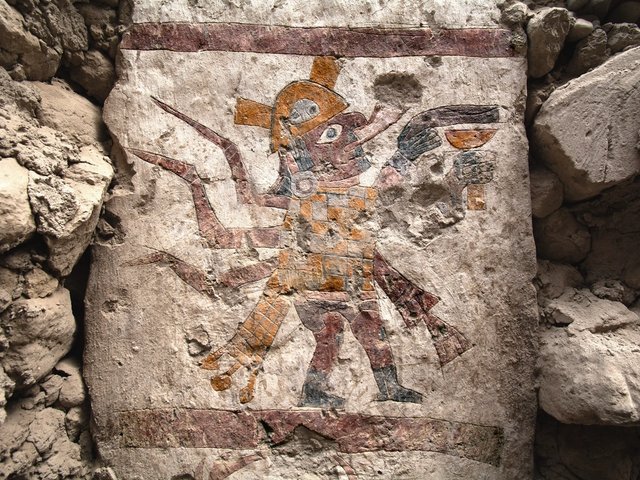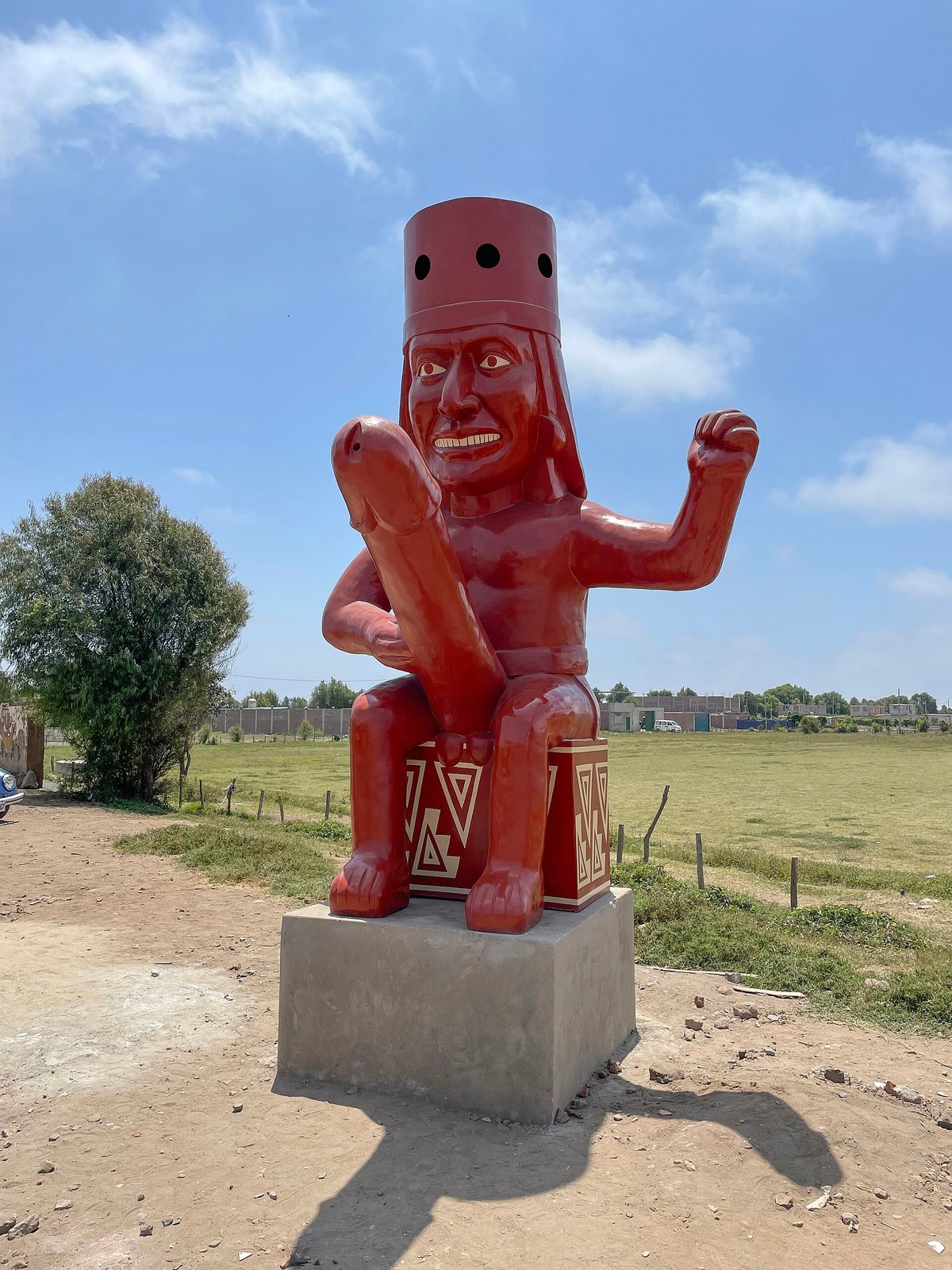
A controversy over 3m-tall erotic sculptures in northern Peru reignited recently after a senator requested the cultural ministry remove them from a public area. Located in a park outside the city of Trujillo, the sculptures are replicas of ceramics from the pre-Incan Moche civilisation.
“What happens when children see these images? Neurological and psychological factors are affected, because they see body dimensions that are completely different from how they see themselves,” Milagros Jáuregui, a conservative senator from the Renovación Popular party, said in a speech on 26 October.
The sculptures are located in Parque de la Fertilidad (Fertility Park), a public space where in 2021 then-mayor Arturo Fernández of the Moche district began installing giant fibreglass reproductions of ceramic depictions of sexual acts to promote tourism.
Known as huacos eróticos, the much smaller original ceramics date from the 3rd to 8th century AD. No more than 30cm in height, they were placed in tombs as burial offerings. But the debate about their much larger versions in the park goes beyond political prudishness.
“It’s a complicated issue,” the Peruvian archaeologist Walter Alva tells The Art Newspaper. “There’s freedom to express or re-create themes from the past, but these ceramics were created to be placed as offerings to the dead, with a sense of revitalising life. They are associated with both fertility and an entire system of beliefs.”
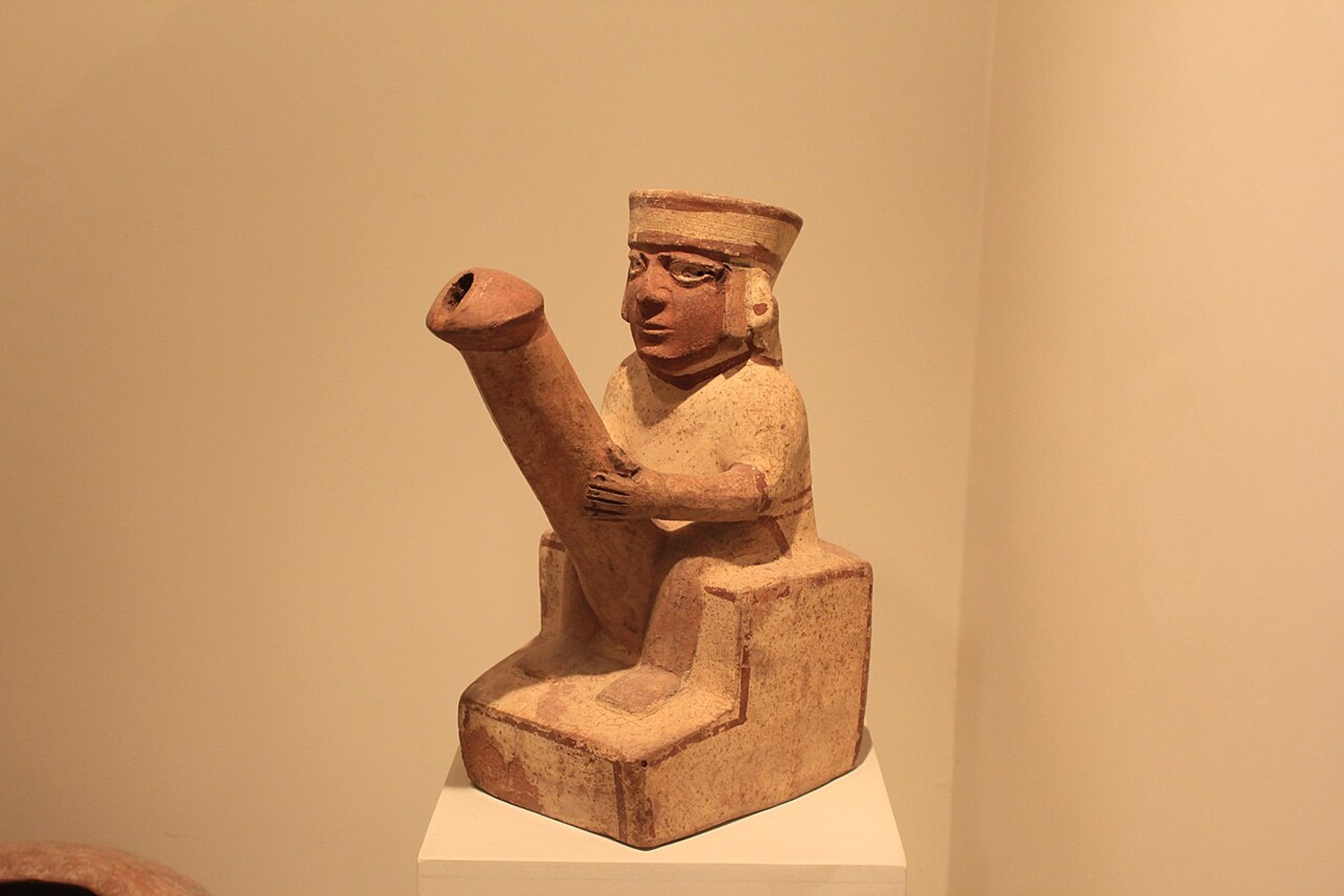
An original huaco erótico ceramic offering made by the Moche civilisation, Larco Museum, Lima Photo: László Varga, via Wikimedia Commons
The Moche civilisation covered 700km of the coast of what is now Peru, between the regions of Piura and Ancash, centuries before the Inca dominated the area. “Moche art is primarily ceramic, and these vessels depict erotic scenes or concepts of sexuality from that era,” Alva says. “The sculptures in Fertility Park were created outside of their historical context.”
One of the greatest archaeological discoveries from the Moche civilisation was that of the Lord of Sipán near the city of Chiclayo—a discovery Alva made in 1987. A 3rd-century monarch, the Lord of Sipán’s body was found covered with gold along with eight other people, a dog and two llamas and nearly 500 objects including ceramic vessels, ornaments and textiles.
The Moche have the largest number of erotic representations among pre-Hispanic civilisations. The most complete collection of its ceramics is in Lima, at the Larco Museum of pre-Columbian art, which celebrated its centennial in July. Before the 1960s, children were forbidden from entering the room that housed the huacos. Today, minors must be accompanied by an adult. The institution’s Erotic Gallery is one of its most popular attractions.
Jáuregui, an evangelical pastor as well as a senator, believes these Moche sculptures should only be in closed spaces. “Displaying these types of images in public is harmful to children,” she told congress. “We should have them in museums, where high-school students can observe a part of our culture that is a national treasure with the help of teachers or some kind of tutor.”