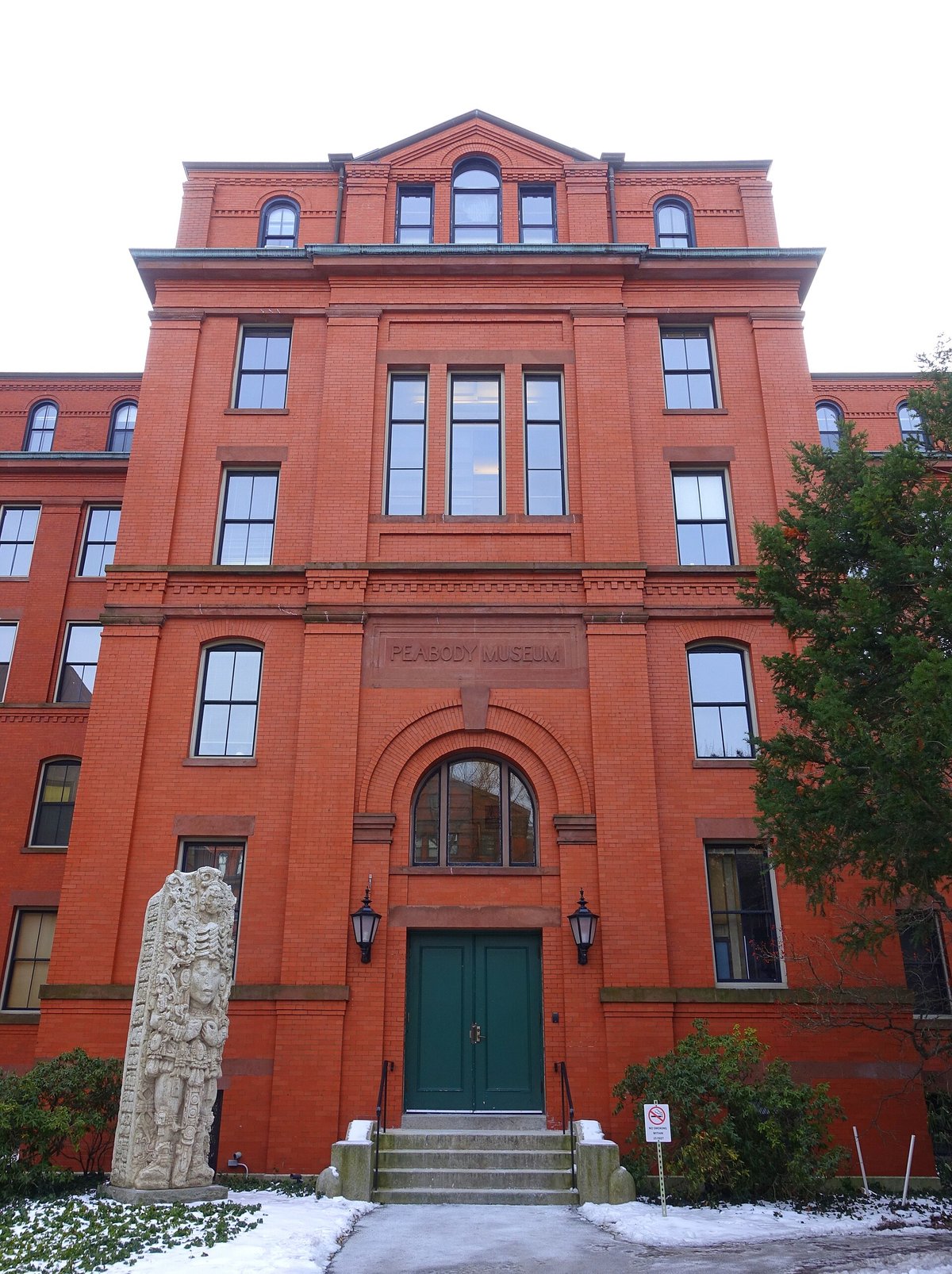
The Brazilian government held two ceremonies this month to mark the repatriation of the remains of two people of African descent taken from the country in the 19th century. The remains were transferred from the collection of Harvard University’s Peabody Museum of Archaeology and Ethnology in Cambridge, Massachusetts.
The repatriation is part of a university initiative launched in 2019 to review historical records related to individuals of African descent from Brazil and the Caribbean islands. The review identified one person who is recorded as having been enslaved, while there is strong evidence that the other was as well.

The National Museum of the Federal University of Rio de Janeiro (Museu Nacional/UFRJ) received the skull of an adult woman, held at the Peabody Museum since 1870 following its transfer from Harvard’s Museum of Comparative Zoology. According to records, it was obtained by Walter Hunnewell, a Harvard graduate who accompanied the naturalist Louis Agassiz on an expedition to Brazil in 1865-66, serving as the mission’s photographer.
The skull was described in the records as the “skull of a negro”, with an accompanying note stating it had been “exhumed in the streets of Rio de Janeiro”, although circumstances surrounding its removal are still under investigation. The remains may have been taken from the Cemitério dos Pretos Novos, a burial ground in Rio used for enslaved Africans who died after arriving in Brazil that operated in the 18th century and early 19th century. The burial ground was rediscovered in 1996 during construction work in the city’s port district.
The Museu Nacional/UFRJ will assume temporary custody of the skull, which will not be publicly displayed nor used for research, reproduction or other purposes. Researchers will undertake further work to establish the woman’s origins before decisions are made about the skull’s final destination.
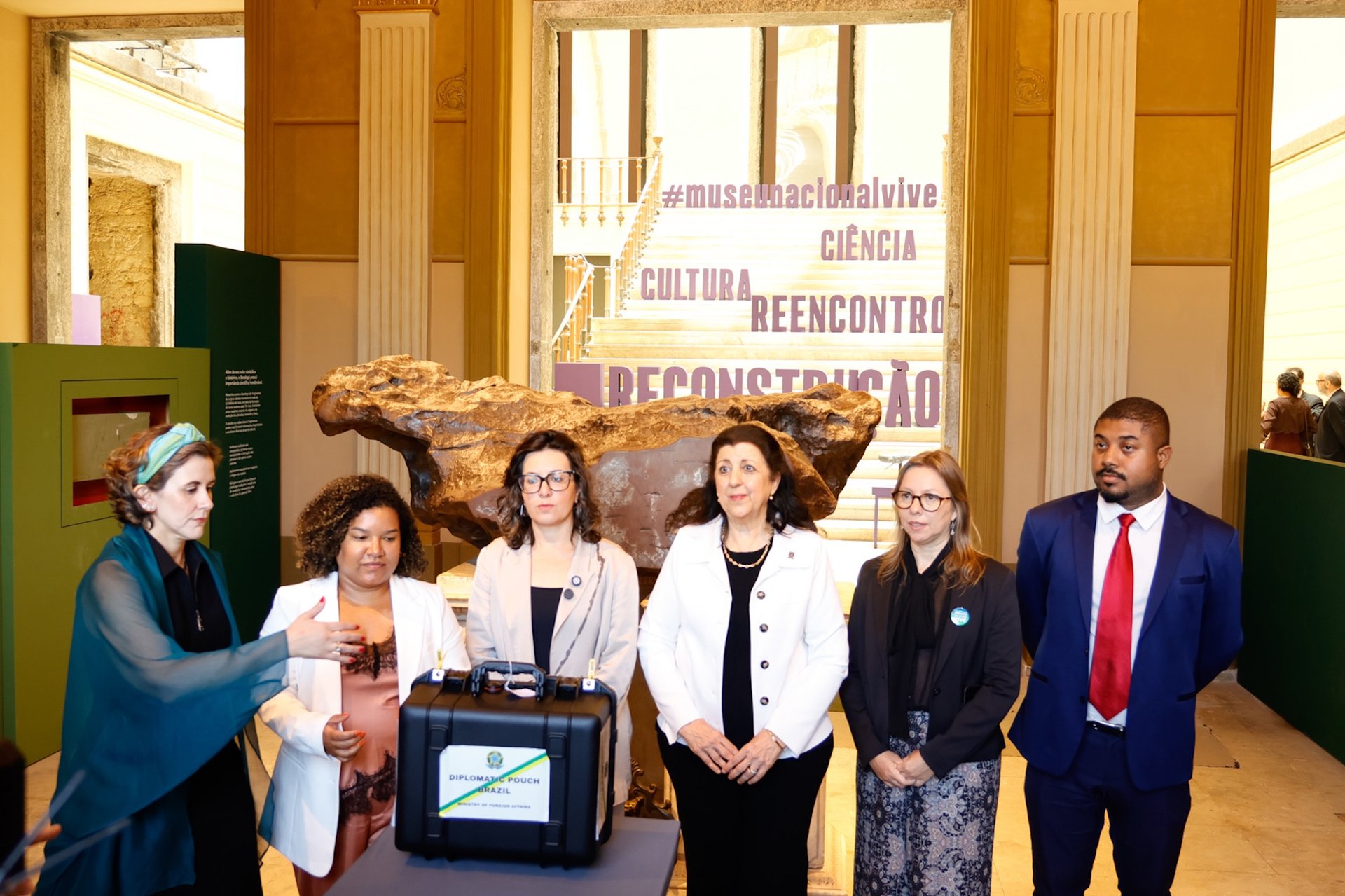
A ceremony on 11 November at the National Museum of the Federal University of Rio de Janeiro to mark repatriation of the remains of an enslaved woman from the Peabody Museum at Harvard University Courtesy Ministério das Relações Exteriores, Brazil
“This return represents a historical responsibility for the museum,” Juliana Sayão, the deputy director of the Museu Nacional/UFRJ, said during the ceremony in Rio on 11 November. “We are confronted with the story of a person whose life was shaped by enslavement and the removal of her body from Brazil. Beyond assuming temporary custody, we are committed to treating this history with respect and responsibility.”
Brazil’s minister of human rights and citizenship, Janine Mello, noted that the repatriation represents a milestone in acknowledging the historical violence resulting from enslavement. “The repatriation of human remains represents a fundamental step towards recognising the memory, history and dignity of the Black population of our country,” she said. “More than a century after they were taken from Brazil, these remains will return to the country to receive the dignified treatment to which they are entitled, in a process built on respect for memory, religious traditions and the communities involved.”

Meanwhile, the Federal University of Bahia in Salvador received the remains of an enslaved African man of Nagô origin. The man is believed to have participated in the Malê Revolt in Salvador in January 1835, a major uprising led by both enslaved and freed Africans against slavery and religious persecution in Brazil. He was reportedly wounded during the uprising and subsequently died in hospital in Salvador.
A 2022 report on Harvard’s museum collections documented the presence of thousands of human remains, prompting scrutiny of how they had been collected and studied. Neither the museum nor the university returned The Art Newspaper’s requests for comment.
More than four million enslaved Africans disembarked in Brazil during the transatlantic slave trade, making it the largest destination for the forced migration of Africans across the Atlantic. The country was the last in the Americas to abolish slavery, in 1888.