

Digital Editions
Newsletters
Subscribe
Digital Editions
Newsletters
Art market
Museums & heritage
Exhibitions
Books
Podcasts
Columns
Art of Luxury
Adventures with Van Gogh
Venice Biennale
Art market
Museums & heritage
Exhibitions
Books
Podcasts
Columns
Art of Luxury
Adventures with Van Gogh
Venice Biennale
Restitution
news

German museum returns tattooed Maori skull to New Zealand

The preserved head was held in Cologne's Rautenstrauch Joest Museum of world cultures for 110 years

Catherine Hickley
13 July 2018
Share
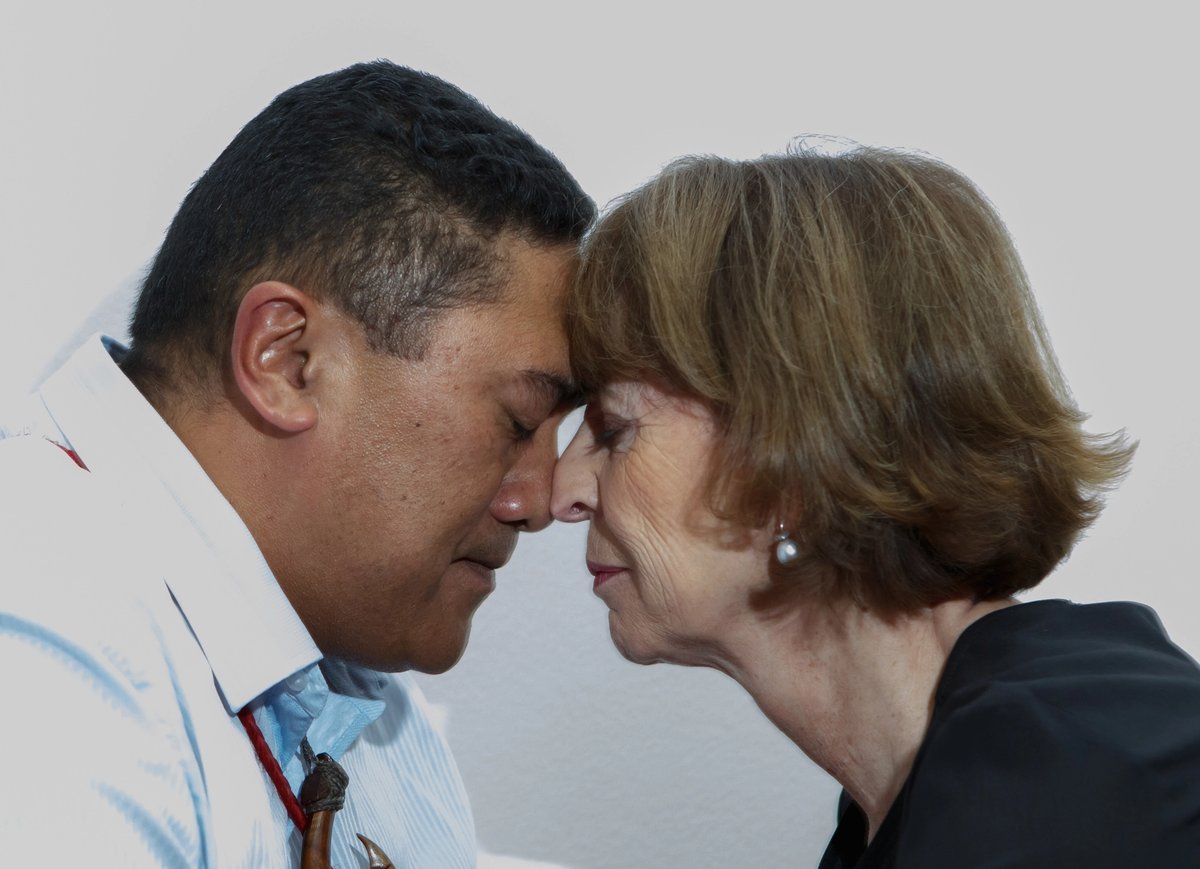
Henriette Reker, the mayor of Cologne, sharing a hongi—the traditional Maori form of greeting—with a member of the Museum of New Zealand Te Papa Tongarewa delegation at the transfer ceremony for the skull Rheinisches Bildarchiv / Marion Mennicken, Felix Sandmann

Henriette Reker, the mayor of Cologne, sharing a hongi—the traditional Maori form of greeting—with a member of the Museum of New Zealand Te Papa Tongarewa delegation at the transfer ceremony for the skull Rheinisches Bildarchiv / Marion Mennicken, Felix Sandmann

The Rautenstrauch Joest Museum of world cultures in Cologne returned a tattooed Maori skull, which has been in its collection for 110 years, to a delegation representing the Museum of New Zealand Te Papa Tongarewa in Wellington in a ceremony on 26 June.

The Maori traditionally preserved the heads of venerated male relatives, famous chiefs and enemies killed in war. The first such skull reached Europe in 1771, sparking a collecting craze. Tattooed skulls were swapped for European weapons, and trading in them developed in the early 19th century.

As a result, some Maori began to tattoo slaves, while collectors earmarked living slaves whose skulls they wanted to possess, leading to a rapid escalation in the number of attacks on people with heavy tattoos. The trade was officially banned in 1831, but an illegal market persisted. The Cologne skull was purchased in 1908 by the first director of the Rautenstrauch Joest Museum, Willy Foy, from a London dealer.
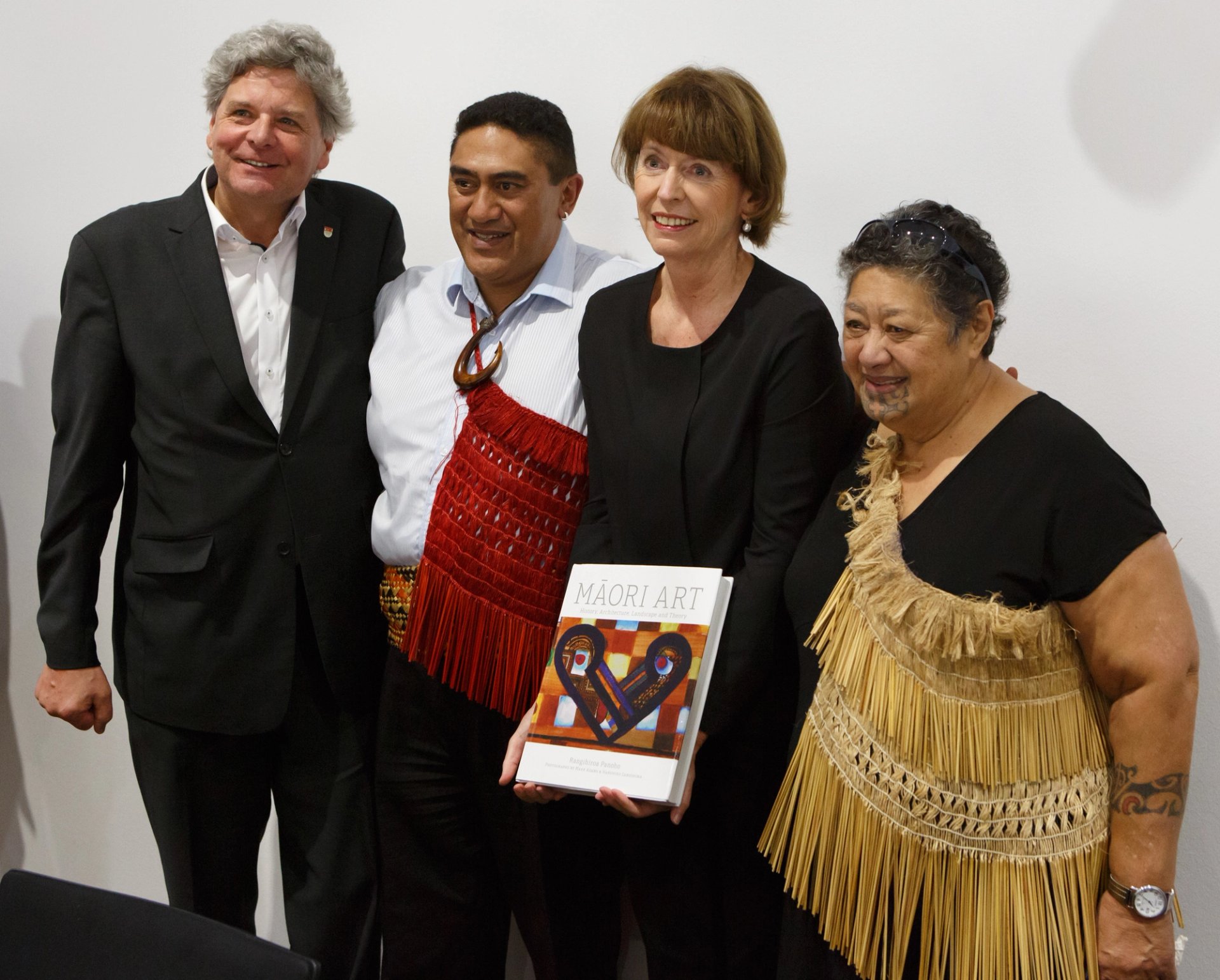
The transfer ceremony for the remains Rheinisches Bildarchiv / Marion Mennicken, Felix Sandmann

“I cannot reverse the wounds of the past,” Henriette Reker, the mayor of Cologne, told the delegation from New Zealand in a statement released at the ceremony. “But I have done what I could to take your descendant out of an anonymous collection and return his human dignity.”

The Cologne institution joins other German museums in the gradual repatriation of human remains, most of which entered collections in the 19th and early 20th centuries. Dresden’s State Art Collections last year returned bones stolen from graves in Hawaii to a group caring for the memory of their ancestors.
Subscribe to our daily newsletter

RestitutionGermanyRepatriationIndigenous art
Share
Subscribe to The Art Newspaper’s digital newsletter for your daily digest of essential news, views and analysis from the international art world delivered directly to your inbox.
Newsletter subscribe
Information
About
Contact
Cookie policy
Data protection
Privacy policy
Frequently Asked Questions
Subscription T&Cs
Terms and conditions
Advertise
Sister Papers
Sponsorship policy
Follow us
Instagram
Bluesky
LinkedIn
Facebook
TikTok
YouTube
© The Art Newspaper

Related content

Restitutionarchive
30 April 2007

Field Museum to return Maori remains to New Zealand

Te Papa Tongarewa, the national museum in Wellington, will hold them until they can be identified

Jason Edward Kaufman
Restitutionnews
20 July 2023

Maya skull carving found in German antique shop returned to Mexico

A skull relief carving hailing from the ancient Mayan city of Chichén Itzá has been repatriated

Torey Akers
Restitutionarchive
30 September 2007

Field Museum returns Maori skulls

Chicago follows European trend

Jason Edward Kaufman